Cotton Handbags (Leisure Use)
CN → US| HS Code | Tariff Rate | Origin | Destination | Doc |
|---|---|---|---|---|
| 6307909882 | 24.5% | CN | US | Official Doc |
| 6307909891 | 24.5% | CN | US | Official Doc |
| 4202224500 | 41.3% | CN | US | Official Doc |
| 4202228930 | 52.6% | CN | US | Official Doc |
| 4202224020 | 42.4% | CN | US | Official Doc |
Product Images
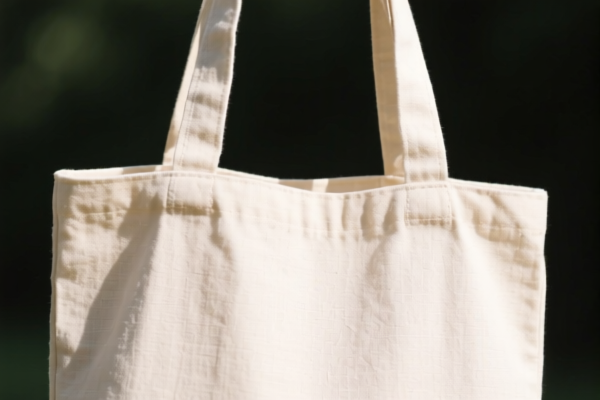
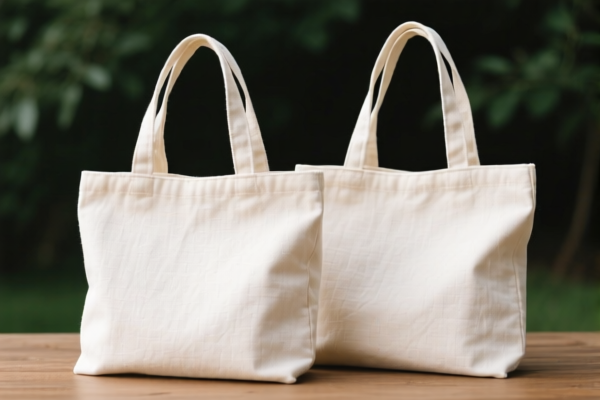
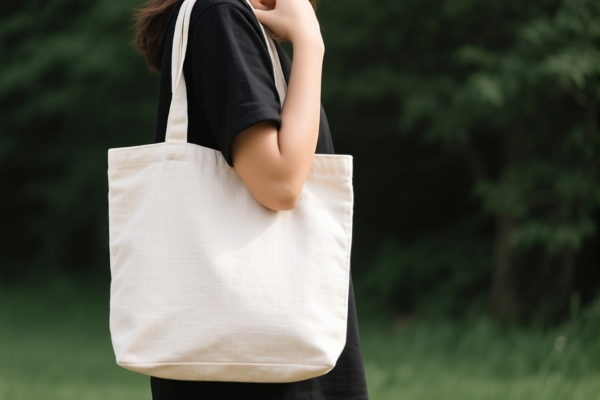
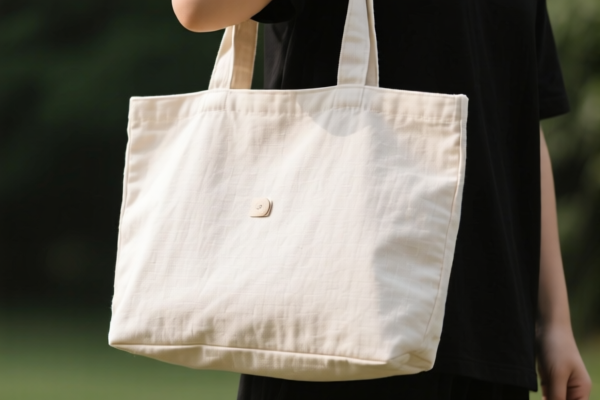
AI Analysis
👜 Cotton Handbags (Leisure Use)
🌐 HS Code Reference & Customs Clearance Guide | 2026 Latest Tariff Analysis | Professional-Level Clearance Strategy
📌 I. Product Definition & Classification: Do You Really Understand "Cotton Handbags"?
Cotton handbags, designed for leisure and daily use, are textile articles categorized differently depending on their specific material composition, structural details, and perceived primary function. In international trade, the classification hinges on whether they are viewed primarily as general textile accessories (Chapter 63) or specific luggage/handbag articles (Chapter 42).
Key Classification Dilemma: * Textile Accessories (Ch. 63): If the bag is considered a generic textile good without specific "luggage" features (like rigid frames, complex hardware, or specific leather components), it may fall under "Other made-up textile articles." * Luggage/Handbags (Ch. 42): If the bag exhibits characteristics of a handbag (handles, closure mechanisms, specific shape) made predominantly of textile material (cotton), it often falls under Chapter 42, which has significantly higher tariffs due to "122 Clause" and Section 301 duties.
⚠️ Critical Distinction Point:
- If the bag is a simple tote, pouch, or soft bag with minimal structural hardware → Often classified under 6307.90.98.82 / 6307.90.98.91 (Lower Tax).
- If the bag has defined handbag structure (handles, zippers, structured shape) → Often classified under 4202.22.xxxx (Higher Tax due to handbag classification rules).
📦 II. HS Code Classification Details (2026 Latest Tariff Authority Comparison)
| HS Code | Product Description | Applicability | Material Structure |
|---|---|---|---|
6307.90.98.82 |
Other made-up textile articles: Cotton handbags, finished form | Generic textile goods, simple cotton bags | ✅ Cotton-made, generic textile classification |
6307.90.98.91 |
Other made-up textile articles: Finished bags, cotton material | Textile products, general finished goods | ✅ Cotton-made, textile category |
4202.22.45.00 |
Handbags with outer surface of textile material: Cotton | Specific handbags, cotton material | ✅ Cotton-made, specific handbag classification |
4202.22.89.30 |
Handbags with outer surface of textile material: Other | Specific handbags, cotton material | ✅ Cotton-made, specific handbag classification |
4202.22.40.20 |
Handbags with outer surface of textile material: Cotton | Specific handbags, cotton material | ✅ Cotton-made, specific handbag classification |
🔍 Key Reminder:
- Bags classified under 4202.22 are treated as "Handbags" with specific structural requirements, leading to higher tariffs.
- Bags classified under 6307.90 are treated as "Other textile articles," benefiting from lower tariffs.
- The physical appearance (handles, zippers, lining) determines if it’s a "handbag" (Ch. 42) or a "textile accessory" (Ch. 63).
💰 III. 2026 Latest Tariff Rate Details (Including Additional Taxes, Policy Add-ons)
✅ Applicable Country: United States (US)
✅ Origin: China (CN)
✅ Effective Date: From November 10, 2025 (including subsequent imports)
🎯 1. 6307.90.98.82 —— Cotton Handbags, Finished Form (Textile Category)
| Item | Content |
|---|---|
| Base Tariff | 7.0% |
| Section 301 Tariff | +7.5% |
| Section 122 Tariff | +10.0% |
| Total Tariff Rate | 24.5% |
| Tax Calculation | CIF Value × 24.5% |
| De Minimis Eligibility | ❌ Not Eligible (High tariff rate exceeds threshold) |
| Legal Basis Path | HTSUS:6307.90.98.82 → Section 301: Footnote 9903.88.01 → Section 122: IEEPA |
📌 Explanation:
- Base Tariff 7.0%: Standard duty for other made-up textile articles.
- Section 301 Tariff 7.5%: Additional tariff under US Trade Act Section 301 against Chinese goods.
- Section 122 Tariff 10%: Additional tariff under International Emergency Economic Powers Act (IEEPA) for specific textile categories.
- Total 24.5%: Significantly lower than Chapter 42 handbags. This is the preferred classification if the product qualifies as a generic textile article.
🎯 2. 6307.90.98.91 —— Finished Bags, Cotton Material (Textile Category)
| Item | Content |
|---|---|
| Base Tariff | 7.0% |
| Section 301 Tariff | +7.5% |
| Section 122 Tariff | +10.0% |
| Total Tariff Rate | 24.5% |
| Tax Calculation | CIF Value × 24.5% |
| De Minimis Eligibility | ❌ Not Eligible |
| Legal Basis Path | HTSUS:6307.90.98.91 → Section 301: Footnote 9903.88.01 → Section 122: IEEPA |
📌 Note:
- Identical tariff structure to6307.90.98.82.
- Applicable if the bag is considered a general textile bag rather than a specific handbag.
- Total 24.5% remains the lowest risk classification for cotton leisure bags.
🎯 3. 4202.22.45.00 —— Handbags, Cotton Material (Specific Handbag Category)
| Item | Content |
|---|---|
| Base Tariff | 6.3% |
| Section 301 Tariff | +25.0% |
| Section 122 Tariff | +10.0% |
| Total Tariff Rate | 41.3% |
| Tax Calculation | CIF Value × 41.3% |
| De Minimis Eligibility | ❌ Not Eligible |
| Legal Basis Path | HTSUS:4202.22.45.00 → Section 301: Footnote 9903.88.01 → Section 122: IEEPA |
📌 Explanation:
- Base Tariff 6.3%: Standard duty for handbags with textile outer surface.
- Section 301 Tariff +25.0%: Higher Section 301 rate applied to handbags/luggage items.
- Section 122 Tariff +10.0%: Additional tariff for textile handbags.
- Total 41.3%: High tariff cost. Avoid this classification if the product can be argued as a generic textile article.
🎯 4. 4202.22.89.30 —— Cotton Handbags, Material and Form Conform to Classification | Specific Handbag Category
| Item | Content |
|---|---|
| Base Tariff | 17.6% |
| Section 301 Tariff | +25.0% |
| Section 122 Tariff | +10.0% |
| Total Tariff Rate | 52.6% |
| Tax Calculation | CIF Value × 52.6% |
| De Minimis Eligibility | ❌ Not Eligible |
| Legal Basis Path | HTSUS:4202.22.89.30 → Section 301: Footnote 9903.88.01 → Section 122: IEEPA |
📌 Warning:
- Highest tariff rate among all options.
- Applies to specific handbag variants with higher base duties.
- Strongly advise against this classification unless the product strictly meets the "specific handbag" criteria with no alternative.
🎯 5. 4202.22.40.20 —— Cotton Handbags, Textile Material & Cotton Definition | Specific Handbag Category
| Item | Content |
|---|---|
| Base Tariff | 7.4% |
| Section 301 Tariff | +25.0% |
| Section 122 Tariff | +10.0% |
| Total Tariff Rate | 42.4% |
| Tax Calculation | CIF Value × 42.4% |
| De Minimis Eligibility | ❌ Not Eligible |
| Legal Basis Path | HTSUS:4202.22.40.20 → Section 301: Footnote 9903.88.01 → Section 122: IEEPA |
📌 Note:
- Slightly lower base tariff than4202.22.89.30but still subject to high Section 301 and Section 122 duties.
- Total 42.4% remains significantly higher than the 24.5% rate for textile classifications.
🛠️ IV. Customs Clearance Practical Advice (Battle-Tested Pitfall Guide)
✅ 1. Documentation Checklist (Essential)
| Document | Must Provide | Explanation |
|---|---|---|
| ✅ Product Spec Sheet | ✔️ | Dimensions, fabric type (100% cotton), lining material |
| ✅ Product Photos | ✔️ | Clear images of handles, closures, logos, and interior |
| ✅ Commercial Invoice | ✔️ | Describe as "Cotton Textile Bag" or "Textile Accessory" if claiming Ch. 63 |
| ✅ Packing List | ✔️ | Detail packaging to avoid being seen as "set" with other items |
| ✅ Certificates of Origin | ✔️ | If applicable for preferential treatment (unlikely for China origin) |
| ✅ Tariff Engineering Opinion | ✔️ | Crucial: Legal opinion arguing for Ch. 63 over Ch. 42 if desired |
✅ 2. Declaration Strategy (Key Mnemonic)
🔥 “Soft Bag is Textile, Structured Bag is Handbag, Name Matters, Tax Diverges!”
| Scenario | Correct Declaration | Risk |
|---|---|---|
| Simple cotton tote, no rigid structure, simple handles | 6307.90.98.82 or 6307.90.98.91 |
Low Risk (24.5% Tax) |
| Structured handbag, zippers, complex hardware, brand logo | 4202.22.xxxx |
High Risk (41-52% Tax) |
| Cotton bag with leather trim | 4202.22.xxxx |
High Risk (Leather triggers Ch. 42) |
| "Handbag" in name, but generic textile form | Attempt 6307.90 |
Risk of Rejection if structure is too complex |
✅ 3. Special Case Handling
| Situation | Handling Advice |
|---|---|
| OEM/Custom Bags | Provide design drawings showing lack of "handbag" features (e.g., no rigid frames) |
| Bundles (Bag + Keychain) | Declare as single textile accessory if keychain is minor |
| Cotton with Lining | If lining is also textile, supports Ch. 63 classification |
| Cotton with Leather Patches | If leather is significant, may shift to Ch. 42 or other leather classifications |
🌍 V. Global Market Clearance Comparison (2026 Latest)
| Country/Region | Recommended HS Code | Tariff | Certification | Notes |
|---|---|---|---|---|
| 🇺🇸 USA | 6307.90.98.82 |
24.5% | No special certs | 52.6% if misclassified as handbag |
| 🇨🇳 China | 6307.90.98.82 |
5-10% | N/A | Lower base rates |
| 🇪🇺 EU | 6307.90 |
~4-6% | CE (if applicable) | No Section 301/122 equivalents |
| 🇬🇧 UK | 6307.90 |
~4-6% | N/A | Post-Brexit rules apply |
| 🇦🇺 Australia | 6307.90 |
5% | N/A | No additional tariffs |
📌 Conclusion:
- USA is the critical market where classification significantly impacts cost.
- Ch. 63 classification saves ~28-30% in tariffs compared to Ch. 42.
- Ensure product design supports "textile accessory" status to avoid high duties.
📌 VI. Common Errors & Pitfalls (Blood-Tested Lessons)
❌ Error 1: Calling a structured handbag a "Textile Bag" without evidence
👉 Consequence: Customs reclassification to Ch. 42 → Back taxes + penalties!
❌ Error 2: Using "Handbag" in the product name for Ch. 63 classification
👉 Consequence: Customs assumes Ch. 42 intent → Higher tariff applied
❌ Error 3: Ignoring Section 122 Tariff
👉 Consequence: Underpaying by 10% → Audit risk + interest
❌ Error 4: Assuming all cotton bags are equal
👉 Consequence: Misclassification due to hardware/lining complexity → Delayed shipment
✅ Correct Approach:
"Cotton Textile Tote Bag, Soft Structure, Minimal Hardware, Model ABC, 100% Cotton Outer, Textile Lining"
🎯 VII. Conclusion: Professional Declaration, Time-Saving, Cost-Effective!
🎯 Remember the Mnemonic:
🔹 "Soft is Textile (24.5%), Structured is Handbag (42-52%), Name Must Match, Tax Saves!"
🔹 "HS Code is Destiny, 28% Difference, Declare Wrong, Pay Extra!"
📌 Pro Tip:
If your cotton handbags are sourced from Vietnam, Thailand, or Malaysia, you may qualify for IEEPA Exemptions or lower Section 301 rates.
Recommend Advance Ruling or Tariff Engineering Opinion for large shipments to ensure Ch. 63 classification.
📣 Immediate Action:
📞 Consult a Customs Broker + Provide Product Images + Request Tariff Engineering Opinion
🚀 Ensure your cotton handbags clear customs smoothly, efficiently, and profitably!
✨ Professional Clearance Starts with Accurate Classification!
💼 Every Cent of Your Cost Deserves Precise Calculation!
Customer Reviews
About HS Code Classification
The Harmonized System (HS) is an internationally standardized nomenclature developed by the World Customs Organization (WCO) to classify traded products. Over 200 countries use the HS system as the basis for customs tariffs, trade statistics, and import/export regulations.
Each HS code follows a hierarchical structure:
- Chapter (2 digits) — Broad category of goods (e.g., Chapter 84: Machinery and Mechanical Appliances)
- Heading (4 digits) — More specific grouping within the chapter
- Subheading (6 digits) — Internationally standardized breakdown, used by all WCO member countries
- National subdivisions (8-10 digits) — Country-specific extensions for further classification, such as US HTSUS 10-digit codes
Correct HS code classification is essential for smooth customs clearance, accurate duty payment, and compliance with trade regulations. Misclassification can lead to customs delays, overpayment of duties, or penalties.
When importing from CN to US, the applicable tariff rates may include:
- Most-Favored-Nation (MFN) rate — The standard duty rate applied to WTO members
- General rate — Applied to countries without trade agreements
- Trade remedy duties — Additional tariffs such as Section 301 (anti-dumping), Section 232 (national security), or countervailing duties
The information provided on this page is for reference purposes only. For official classification, please consult with your local customs authority or a licensed customs broker.