Cotton Handbags (Waterproof)
CN → US| HS Code | Tariff Rate | Origin | Destination | Doc |
|---|---|---|---|---|
| 4202228930 | 52.6% | CN | US | Official Doc |
| 4202224500 | 41.3% | CN | US | Official Doc |
| 6307909882 | 24.5% | CN | US | Official Doc |
| 6307909891 | 24.5% | CN | US | Official Doc |
Product Images
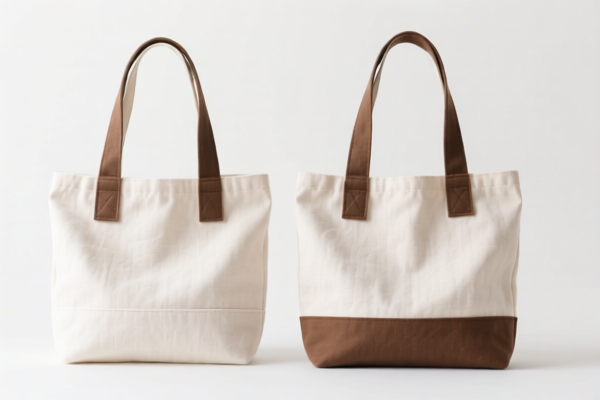
AI Analysis
🎒 Cotton Handbags (Waterproof)
🌐 HS Code Reference & Clearance Guide | 2026 Latest Tariff Analysis | Strategic Customs Strategy
📌 I. Product Definition & Classification: Do You Truly Understand "Cotton Handbags"?
Cotton handbags, especially those with waterproof coatings or laminates, are classified as articles of apparel accessories or travel goods. In international trade, the key to correct classification lies in the outer surface material and the manufacturing process.
Key Classification Logic: 1. Chapter 42 (Articles of Leather; Saddle Harness and Travel Goods): Generally applies to handbags made of textile materials (like cotton) if they are lined or coated to resemble leather or are specifically structured as travel goods/handbags. 2. Chapter 63 (Other Made Up Textile Articles): Applies to general textile articles that do not fit specific apparel or accessory headings, often used for generic "cotton bags."
⚠️ Critical Distinction:
- If the bag is structured specifically as a handbag, purse, or satchel (often with lining, handles, zippers), it typically falls under Chapter 42.
- If it is a generic shopping bag, tote, or pouch made purely of cotton fabric without complex leather-like construction, it may fall under Chapter 63.
- Waterproof Feature: Does not automatically change the HS code, but it confirms the material treatment. The classification depends on whether the cotton is coated/laminated to behave like leather (Ch. 42) or remains a textile fabric (Ch. 63).
📦 II. HS Code Classification Details (2026 Latest Tariff Authority Comparison)
Based on the provided data, here are the specific HS Codes for Cotton Handbags (Waterproof) with their associated tax details. Note that the Total Tax Rate varies significantly based on the specific sub-heading and the application of trade remedies (Section 301, Section 232/122).
| HS Code | Product Description | Total Tax Rate | Tax Breakdown (Base + Section 301 + Section 122) |
|---|---|---|---|
4202.22.89.30 |
Cotton Handbags, Waterproof Material | 52.6% | Base Tariff: 17.6% Section 301: 25.0% Section 122: 10.0% |
4202.22.45.00 |
Cotton Handbags, Waterproof Material | 41.3% | Base Tariff: 6.3% Section 301: 25.0% Section 122: 10.0% |
6307.90.98.82 |
Cotton Handbags, Waterproof Material | 24.5% | Base Tariff: 7.0% Section 301: 7.5% Section 122: 10.0% |
6307.90.98.91 |
Cotton Handbags, Waterproof Material | 24.5% | Base Tariff: 7.0% Section 301: 7.5% Section 122: 10.0% |
🔍 Key Observation:
- Chapter 42 Codes (4202...): Have a much higher base tariff (6.3% - 17.6%). Even with the same Section 301 and 122 rates, the total tax is significantly higher (41.3% - 52.6%).
- Chapter 63 Codes (6307...): Have a lower base tariff (7.0%) and a lower Section 301 rate (7.5% instead of 25%). This results in the lowest total tax rate of 24.5%.
- Section 122 Tariff (10%): Applies uniformly across all four codes in this dataset. This is likely a specific provision for certain textile articles or a temporary trade measure.
- Section 301 Tariff: Varies drastically. Chapter 42 codes face the standard 25% tariff, while Chapter 63 codes benefit from a reduced rate of 7.5%.
💰 III. 2026 Latest Tariff Rate Detailed Explanation (Including Add-on Taxes)
✅ Applicable Country: United States (US)
✅ Origin: China (CN)
✅ Product: Cotton Handbags (Waterproof)
🎯 1. 4202.22.89.30 & 4202.22.45.00 —— Chapter 42 Handbags
| Item | Content |
|---|---|
| Base Tariff | 17.6% (for .89.30) / 6.3% (for .45.00) |
| Section 301 Tariff | +25.0% (Standard trade remedy for Chapter 42 textiles/apparel) |
| Section 122 Tariff | +10.0% (Specific provision for this product category) |
| Total Tax Rate | 52.6% (.89.30) / 41.3% (.45.00) |
| Tax Calculation | CIF Value × Total Tax Rate |
| De Minimis Exemption | ❌ Not Eligible (High tariff items usually excluded) |
📌 Explanation:
- The Section 301 Tariff of 25% is applied to most Chapter 42 textile accessories from China.
- The Section 122 Tariff of 10% is a specific additional levy.
- Total Impact: For code4202.22.89.30, the total tax exceeds 50%, making it very costly. For4202.22.45.00, the lower base tariff reduces the total to 41.3%.
🎯 2. 6307.90.98.82 & 6307.90.98.91 —— Chapter 63 Textile Articles
| Item | Content |
|---|---|
| Base Tariff | 7.0% |
| Section 301 Tariff | +7.5% (Reduced rate for this specific sub-category) |
| Section 122 Tariff | +10.0% |
| Total Tax Rate | 24.5% |
| Tax Calculation | CIF Value × 24.5% |
| De Minimis Exemption | ❌ Not Eligible (Due to Section 122 and 301) |
📌 Explanation:
- The Section 301 Tariff is only 7.5% for these codes, significantly lower than the 25% for Chapter 42.
- This makes Chapter 63 codes more cost-effective despite the similar Section 122 levy.
- Total Impact: A 24.5% total tax rate is nearly half the cost of the higher Chapter 42 codes.
🛠️ IV. Clearance Practical Advice (Battle-Proven Pitfall Avoidance Guide)
✅ 1. Documentation Checklist (All Required)
| Document | Required | Notes |
|---|---|---|
| ✅ Product Specifications | ✔️ | Must specify outer material (Cotton) and waterproof treatment (coating/lamination). |
| ✅ Material Composition | ✔️ | Confirm if lining is also cotton or other material (affects Chapter 42 vs 63). |
| ✅ Product Photos | ✔️ | Clear images of handles, lining, and waterproof coating. |
| ✅ Commercial Invoice | ✔️ | Accurately describe as "Cotton Handbag, Waterproof" with value. |
| ✅ Packing List | ✔️ | Item count, weight, dimensions. |
| ✅ Country of Origin | ✔️ | Critical for Section 301 and 122 application. |
✅ 2. Declaration Tips (Key Mnemonic)
🔥 "Structure Determines Chapter: Handbag = Ch.42, Generic Bag = Ch.63. Lower Base + Lower 301 = Lower Tax!"
| Scenario | Recommended HS Code | Tax Rate | Risk if Misclassified |
|---|---|---|---|
| Structured Handbag (Purse/Satchel) | 4202.22.45.00 or 89.30 |
41.3% - 52.6% | If declared as Ch.63, high risk of correction and penalty. |
| Generic Tote/Cotton Bag | 6307.90.98.82 or .91 |
24.5% | If declared as Ch.42, overpaying tax. |
| Mixed Materials (Cotton + Leather Trim) | Likely Ch.42 | Higher Rate | Must declare primary material correctly. |
✅ 3. Special Circumstances
| Situation | Handling Advice |
|---|---|
| Waterproof Coating | Ensure the coating is part of the cotton fabric description. Do not declare as "Plastic Bags" (Ch. 39) unless fully plastic. |
| Section 122 Eligibility | Confirm if the product qualifies for the 10% Section 122 tariff. Misapplication can lead to penalties. |
| Section 301 Reduction | Verify if the Ch.63 codes (6307.90.98.82/.91) truly qualify for the 7.5% rate instead of 25%. This is a critical cost-saving point. |
| De Minimis (Section 321) | Due to high combined taxes (Section 301 + 122), these items likely do not qualify for de minimis exemption. |
🌍 V. Global Market Clearance Comparison (2026 Latest)
| Country/Region | Recommended HS Code | Estimated Tax | Certification | Notes |
|---|---|---|---|---|
| 🇺🇸 USA | 6307.90.98.82 / .91 |
24.5% | None | Lowest US rate due to lower Section 301. |
| 🇺🇸 USA | 4202.22.45.00 / .89.30 |
41.3% - 52.6% | None | High tax due to 25% Section 301. |
| 🇨🇳 China | Varies by import | ~7-17% | CCC (if applicable) | No Section 301/122 for imports to China. |
| 🇪🇺 EU | 4202.22 / 6307.90 | ~4-7% | CE (if applicable) | No Section 301/122. |
| 🇨🇦 Canada | 4202.22 / 6307.90 | ~5-10% | None | No Section 301/122. |
📌 Conclusion:
- USA Market: Choosing the correct Chapter 63 HS Code (6307...) can save 17% - 28% in total taxes compared to Chapter 42 codes.
- Non-US Markets: Taxes are significantly lower (no Section 301/122). Focus on accurate material description for base tariff optimization.
📌 VI. Common Errors & Pitfall Guide (Lessons Learned)
❌ Error 1: Declaring all handbags under 4202 without checking if 6307 is more appropriate.
👉 Result: Overpaying 17% - 28% in taxes.
👉 Fix: If the bag is a simple cotton tote without leather-like structure, consider 6307.90.98.82/91.
❌ Error 2: Ignoring the Section 122 Tariff (10%).
👉 Result: Unexpected cost increase.
👉 Fix: Always calculate total tax = Base + Section 301 + Section 122.
❌ Error 3: Misclassifying "Waterproof" as "Plastic."
👉 Result: Incorrect Chapter 39 classification, leading to delays and penalties.
👉 Fix: If the base material is cotton with a coating, remain in Chapter 63 or 42.
✅ Correct Approach:
"Cotton Handbag, Waterproof Coated, Tote Style, Model XYZ, Made in China"
→ Consider6307.90.98.82or.91for 24.5% total tax if structurally eligible.
🎯 VII. Conclusion: Precision Classification Saves Money!
🎯 Remember This Mantra:
🔹 "Chapter 63 for Simple Cotton Bags: 24.5% Total Tax."
🔹 "Chapter 42 for Structured Handbags: 41.3%-52.6% Total Tax."
🔹 "Always Account for Section 301 + Section 122: 10% is Added on Top!"
📌 Pro Tip:
If your product is a simple cotton tote with waterproofing, strongly consider classifying under 6307.90.98.82 or .91 to benefit from the lower Section 301 rate (7.5%) and lower base tariff (7%). This can result in significant savings compared to Chapter 42 codes.
🚀 Action Item:
📞 Consult with a customs broker to confirm if your specific "Cotton Handbag" qualifies for Chapter 63 classification.
📄 Request a Pre-Ruling from CBP if the classification is borderline.
💰 Calculate the Tax Difference: 24.5% vs. 41.3%+ is a huge margin for profitability!
✨ Professional Clearance Starts with Accurate Classification!
💼 Every Percent Matters in the Age of Trade Wars!
Customer Reviews
About HS Code Classification
The Harmonized System (HS) is an internationally standardized nomenclature developed by the World Customs Organization (WCO) to classify traded products. Over 200 countries use the HS system as the basis for customs tariffs, trade statistics, and import/export regulations.
Each HS code follows a hierarchical structure:
- Chapter (2 digits) — Broad category of goods (e.g., Chapter 84: Machinery and Mechanical Appliances)
- Heading (4 digits) — More specific grouping within the chapter
- Subheading (6 digits) — Internationally standardized breakdown, used by all WCO member countries
- National subdivisions (8-10 digits) — Country-specific extensions for further classification, such as US HTSUS 10-digit codes
Correct HS code classification is essential for smooth customs clearance, accurate duty payment, and compliance with trade regulations. Misclassification can lead to customs delays, overpayment of duties, or penalties.
When importing from CN to US, the applicable tariff rates may include:
- Most-Favored-Nation (MFN) rate — The standard duty rate applied to WTO members
- General rate — Applied to countries without trade agreements
- Trade remedy duties — Additional tariffs such as Section 301 (anti-dumping), Section 232 (national security), or countervailing duties
The information provided on this page is for reference purposes only. For official classification, please consult with your local customs authority or a licensed customs broker.