Cotton Handbags Animal Print
CN → US| HS Code | Tariff Rate | Origin | Destination | Doc |
|---|---|---|---|---|
| 5209590090 | 43.4% | CN | US | Official Doc |
| 5208516020 | 46.4% | CN | US | Official Doc |
| 4202228930 | 52.6% | CN | US | Official Doc |
| 4202920805 | 42.0% | CN | US | Official Doc |
| 6307909891 | 24.5% | CN | US | Official Doc |
| 6307908940 | 17.0% | CN | US | Official Doc |
Product Images
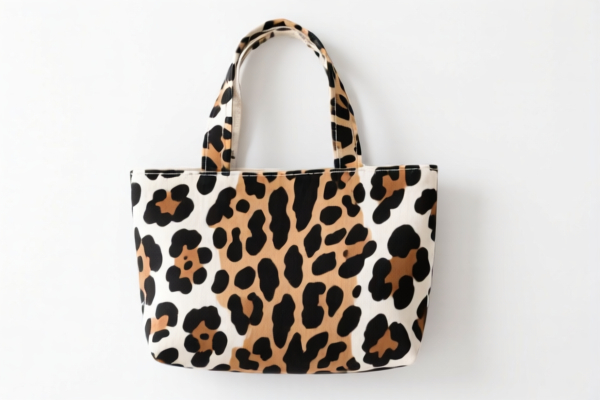
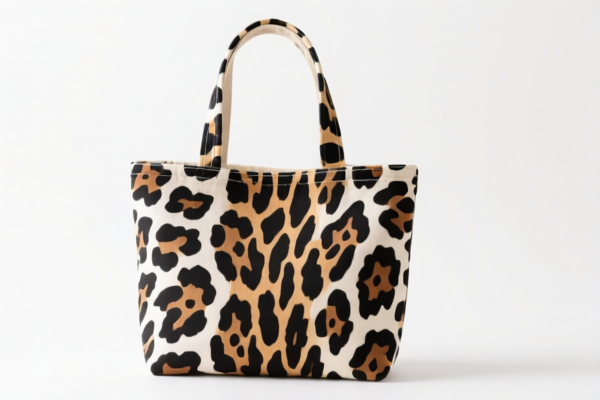
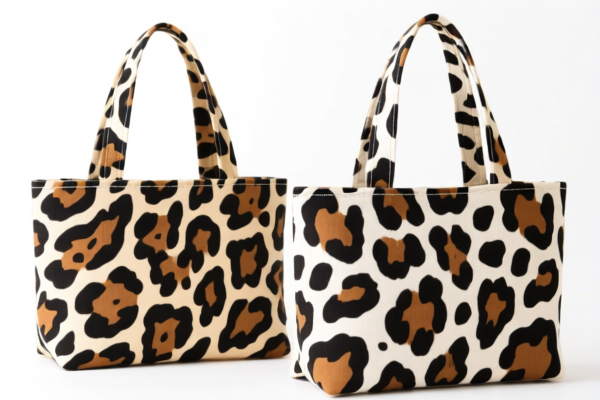
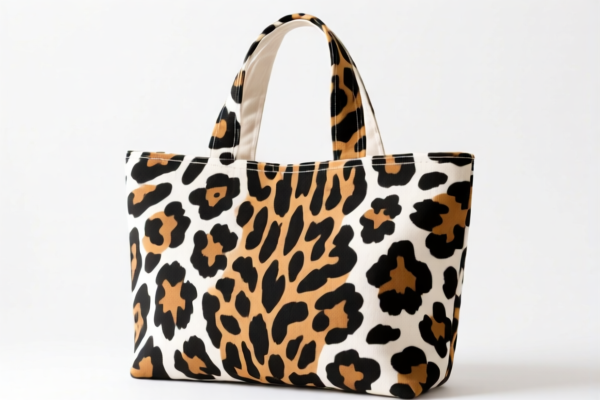
AI Analysis
👜 Cotton Handbags with Animal Print: HS Code & Duty Breakdown (2026 Update)
🌐 HS Code Reference & Customs Clearance Guide | Latest 2026 Tariff Analysis | Strategic Import Strategy
📌 I. Product Definition & Classification: Are You Importing Fabric or Finished Goods?
"Cotton Handbags with Animal Print" is a tricky commodity in international trade because it sits on the boundary between Textiles (Chapter 52/60) and Articles of Apparel/Accessories (Chapter 42/63). The critical distinction lies in whether the item is considered a "fabric suitable for cutting" or a "finished article."
Key Distinction Points: * Finished Handbags: If the item is fully constructed (stitched, handles attached, lining present), it generally falls under Chapter 42 or 63. * Textile Products: If the item is sold as "cutting stock" or specific textile materials that are not yet a finished bag, it may fall under Chapter 52. * Animal Print: This is a visual attribute (pattern), not a material attribute. It does not change the HS code classification itself, but it must be clearly described in the commercial invoice to avoid ambiguity.
⚠️ Critical Warning for US Imports:
Due to Section 301 tariffs and Section 122 measures, cotton products from China face significant additional duties. Misclassification can lead to massive cost differences or seizure.
📦 II. HS Code Classification Details (Based on Provided Data)
Based on the provided dataset, here are the specific HS codes applicable to cotton handbags with animal print, ranging from fabric to finished goods:
| HS Code | Product Description | Applicable Scenario | Tax Rate (Total) | Key Tax Components |
|---|---|---|---|---|
5209.59.00.90 |
Cotton Printed Fabric | Raw Material Stage: Cotton fabric with animal print, not yet a bag. | 43.4% | Base: 8.4%, Add-on: 25.0%, Sec 122: 10% |
5208.51.60.20 |
Cotton Printed Textile | Textile Stage: Cotton textile with print, similar to above but different weave/count. | 46.4% | Base: 11.4%, Add-on: 25.0%, Sec 122: 10% |
4202.22.89.30 |
Cotton Handbag | Finished Good: Explicitly classified as a handbag made of cotton. | 52.6% | Base: 17.6%, Add-on: 25.0%, Sec 122: 10% |
4202.92.08.05 |
Cotton Textile Container | Accessories: Cotton container (bag-like) under Chapter 42. | 42.0% | Base: 7.0%, Add-on: 25.0%, Sec 122: 10% |
6307.90.98.91 |
Cotton Finished Handbag | Other Made-ups: Classified as other finished textile articles (handbag). | 24.5% | Base: 7.0%, Add-on: 7.5%, Sec 122: 10% |
🔍 Analysis:
- Highest Duty:4202.22.89.30(52.6%) is the most expensive if classified as a standard handbag under Chapter 42 with high base duties.
- Lowest Duty:6307.90.98.91(24.5%) offers the lowest total tariff burden, likely because it carries a lower "Add-on" tariff (7.5% vs 25%).
- Fabric Codes:5209and5208are relevant only if you are importing fabric to be manufactured domestically, not finished bags.
💰 III. Detailed Tariff Rate Explanation (2026 Latest)
✅ Applicable Country: United States (US)
✅ Origin: China (CN) (Implied by Section 122 and high add-on rates)
✅ Effective Date: Current rates as per 2026 data
🎯 1. 5209.59.00.90 & 5208.51.60.20 – Cotton Printed Fabrics
| Item | Content |
|---|---|
| Base Duty | 8.4% – 11.4% (ad valorem) |
| Section 301 Add-on | +25.0% |
| Section 122 Duty | +10.0% |
| Total Effective Rate | 43.4% – 46.4% |
| De Minimis Exemption | ❌ Not Available (Valuation exceeds $800 threshold for textile exemptions in many contexts, or specific textile rules apply) |
| Legal Basis | USITC Footnotes for Section 301; IEEPA Section 122 |
📌 Explanation:
- If you are importing rolls of fabric with animal prints, these are the correct codes.
- The 25% add-on is standard for many Chinese textiles under Section 301.
- The 10% Section 122 duty is a recent punitive tariff on specific Chinese goods.
🎯 2. 4202.22.89.30 – Cotton Handbag (Finished)
| Item | Content |
|---|---|
| Base Duty | 17.6% |
| Section 301 Add-on | +25.0% |
| Section 122 Duty | +10.0% |
| Total Effective Rate | 52.6% |
| De Minimis Exemption | ❌ Not Available |
| Legal Basis | Chapter 42 Heading 42.02; USITC Section 301 List |
📌 Explanation:
- This is the "standard" handbag classification.
- The high base duty (17.6%) combined with 25% + 10% makes this the most expensive option.
- Strategy Alert: Do not use this code if a lower-rate alternative applies to your specific product structure.
🎯 3. 4202.92.08.05 – Cotton Textile Container
| Item | Content |
|---|---|
| Base Duty | 7.0% |
| Section 301 Add-on | +25.0% |
| Section 122 Duty | +10.0% |
| Total Effective Rate | 42.0% |
| De Minimis Exemption | ❌ Not Available |
📌 Explanation:
- If the product is a "container" (e.g., tote bag, shopping bag) rather than a "handbag" (structured, handled, for personal carry), this code may apply.
- The base duty is lower (7.0%), but the total rate is still high due to add-ons.
🎯 4. 6307.90.98.91 – Other Made-up Cotton Articles (Lowest Duty)
| Item | Content |
|---|---|
| Base Duty | 7.0% |
| Section 301 Add-on | +7.5% (Significant Reduction!) |
| Section 122 Duty | +10.0% |
| Total Effective Rate | 24.5% |
| De Minimis Exemption | ❌ Not Available |
| Legal Basis | Chapter 63 (Other Made-up Textile Articles); USITC Footnote for reduced Section 301 |
📌 Explanation:
- This is the most cost-effective classification.
- The Section 301 add-on is only 7.5% instead of 25%. This is a critical difference.
- Condition: The product must be classified as an "other made-up article" rather than a handbag under Chapter 42. This often applies to casual tote bags, market bags, or non-structured cotton bags.
- Recommendation: If your "animal print cotton handbag" is a soft-sided tote or casual bag, aggressively pursue this classification.
🛠️ IV. Customs Clearance Practical Advice (Pitfall Avoidance)
✅ 1. Documentation Checklist (Non-Negotiable)
| Document | Must Provide | Purpose |
|---|---|---|
| Commercial Invoice | ✔️ | Must clearly state: "Cotton Handbag, Animal Print Pattern, Material: 100% Cotton" |
| Product Photos | ✔️ | Show the full structure, handles, lining, and print. |
| Bill of Materials (BOM) | ✔️ | Confirm 100% cotton content. Any synthetic lining may shift classification. |
| Labeling | ✔️ | "Made in China" label is mandatory for US entry. |
| Section 301 Exclusion Proof | ❌ | Check if your specific HS Code has an active exclusion (rare for textiles). |
✅ 2. Classification Strategy (Key Tips)
| Scenario | Correct Approach | Risk |
|---|---|---|
| Structured Leather-Cotton Mix Bag | Likely 4202.22 |
High Duty (52.6%) |
| Soft Cotton Tote Bag (No Structure) | Pursue 6307.90.98.91 |
Lowest Duty (24.5%) |
| Importing Fabric to Make Bags Later | 5209.59.00.90 |
43.4% Duty, but no finished goods complexity |
| OEM Custom Bag with Branding | Same as above, but include Brand License | Customs may scrutinize for anti-dumping |
🔥 Golden Rule:
"If it's soft and unstructured, aim for Chapter 63. If it's structured with a base and handles, Chapter 42 is safer but costlier."
✅ 3. Special Considerations for "Animal Print"
- Pattern Recognition: Ensure the "animal print" is not misinterpreted as "fur" or "leather." The invoice must explicitly state "Printed Pattern, No Animal Materials Used."
- Cultural Sensitivity: Some US retailers may have internal policies against certain animal prints (e.g., zebra, leopard) due to conservation concerns or brand guidelines. Check with your buyer.
🌍 V. Global Market Comparison (2026 Snapshot)
| Market | Recommended HS Code | Total Duty (Approx.) | Key Requirement |
|---|---|---|---|
| 🇺🇸 USA | 6307.90.98.91 (Best Case) |
24.5% | Section 301 & 122 apply; De Minimis $800 may not apply to textiles. |
| 🇺🇸 USA | 4202.22.89.30 (Standard) |
52.6% | Avoid if possible; high cost impact. |
| 🇨🇳 China | 6307.90.98.91 | ~7-10% | Import duty lower, but VAT 13% applies. |
| 🇪🇺 EU | 4202.22.90 | ~12% | No Section 301. CE marking not required for bags, but REACH applies to dyes. |
| 🇬🇧 UK | 4202.22.90 | ~12% | Similar to EU post-Brexit. |
📌 Conclusion:
The US market is the most punitive due to Section 301 and Section 122 tariffs.
Mitigation Strategy:
1. Classify under6307.90.98.91if the bag structure allows (soft tote vs. structured handbag).
2. Source from Non-China Countries: If you can manufacture in Vietnam or India, Section 301/122 duties do not apply, reducing total duty to ~7-10% (base rate only).
3. De Minimis Check: For shipments under $800, some textile exemptions may apply, but Section 301 goods are often excluded from de minimis. Verify with your broker.
📌 VI. Common Errors & Pitfalls (Lessons Learned)
❌ Error 1: Declaring a cotton handbag as "Textile Piece Goods" (5209) to avoid duty.
👉 Consequence: Customs will reject it for misdeclaration. You will pay the 52.6% duty + penalties.
Fix: If it's a finished bag, it MUST be Chapter 42 or 63.
❌ Error 2: Ignoring the "Section 122" 10% duty.
👉 Consequence: Underpayment by 10%.
Fix: Always calculate total duty as Base + 301 + 122.
❌ Error 3: Assuming "Animal Print" implies leather.
👉 Consequence: Wrong HS code (Chapter 41 vs 63/42).
Fix: Clearly state "Printed Fabric, No Animal Skin" on invoice.
❌ Error 4: Using 4202.22 for a simple cotton tote.
👉 Consequence: Paying 52.6% instead of 24.5%.
Fix: Argue for 6307.90.98.91 if the bag lacks rigid structure and metal/plastic frames.
✅ Correct Declaration Example:
"COTTON HAND BAG, ANIMAL PRINT PATTERN, 100% COTTON FABRIC, NO LEATHER OR FUR, MODEL ABC123, ORIGIN: CHINA"
🎯 VII. Conclusion: Professional Clearance, Cost Efficiency
🎯 Key Takeaway:
"Cotton Handbags with Animal Print are high-tariff items in the US. The difference between 52.6% and 24.5% is massive. Structure your product description and physical design to support the lower-duty Chapter 63 classification if possible."
📌 Pro Tip:
If your volume is high, invest in an Advance Ruling from US Customs and Border Protection (CBP) to lock in the 6307.90.98.91 classification before shipment. This provides legal certainty and protects against retroactive audits.
📣 Immediate Action:
📞 Contact your customs broker with photos of the bag.
📄 Request a pre-filing classification for6307.90.98.91vs4202.22.89.30.
🚀 Optimize your supply chain to minimize the 25% + 10% tariff burden.
✨ Clear Classification, Clear Profits!
💼 Every percentage point saved is pure profit.
Customer Reviews
About HS Code Classification
The Harmonized System (HS) is an internationally standardized nomenclature developed by the World Customs Organization (WCO) to classify traded products. Over 200 countries use the HS system as the basis for customs tariffs, trade statistics, and import/export regulations.
Each HS code follows a hierarchical structure:
- Chapter (2 digits) — Broad category of goods (e.g., Chapter 84: Machinery and Mechanical Appliances)
- Heading (4 digits) — More specific grouping within the chapter
- Subheading (6 digits) — Internationally standardized breakdown, used by all WCO member countries
- National subdivisions (8-10 digits) — Country-specific extensions for further classification, such as US HTSUS 10-digit codes
Correct HS code classification is essential for smooth customs clearance, accurate duty payment, and compliance with trade regulations. Misclassification can lead to customs delays, overpayment of duties, or penalties.
When importing from CN to US, the applicable tariff rates may include:
- Most-Favored-Nation (MFN) rate — The standard duty rate applied to WTO members
- General rate — Applied to countries without trade agreements
- Trade remedy duties — Additional tariffs such as Section 301 (anti-dumping), Section 232 (national security), or countervailing duties
The information provided on this page is for reference purposes only. For official classification, please consult with your local customs authority or a licensed customs broker.