Cotton Paper Yarn Beach Travel Bag
CN → US| HS Code | Tariff Rate | Origin | Destination | Doc |
|---|---|---|---|---|
| 5311006000 | 37.7% | CN | US | Official Doc |
| 6307909891 | 24.5% | CN | US | Official Doc |
| 4202923131 | 52.6% | CN | US | Official Doc |
| 4202923900 | 52.6% | CN | US | Official Doc |
| 5311003090 | 35.0% | CN | US | Official Doc |
Product Images
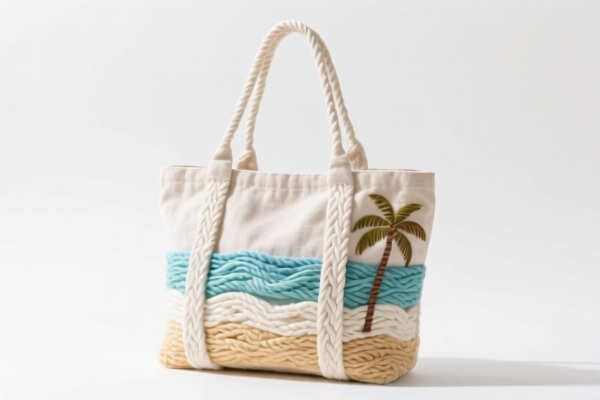
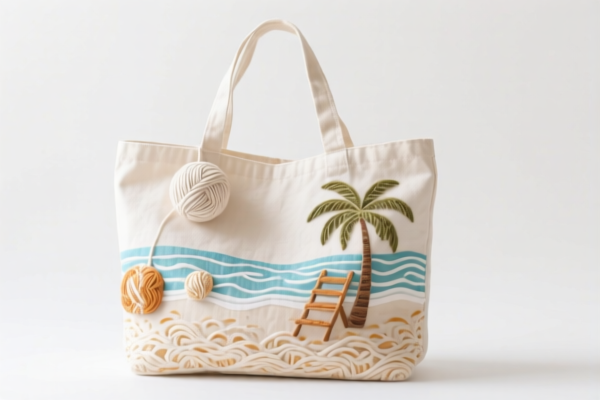
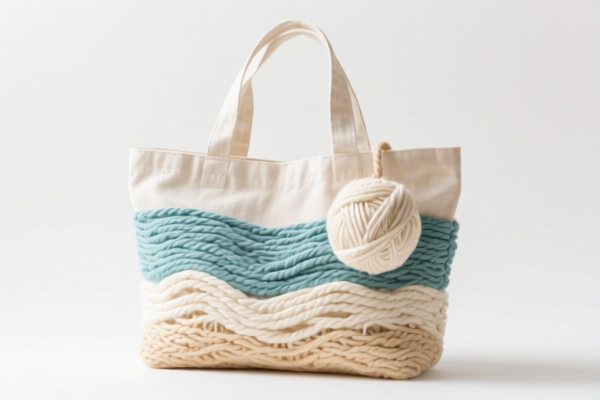
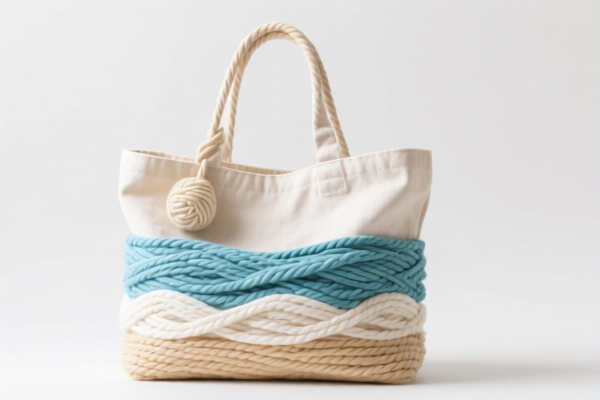
AI Analysis
🧳 Cotton Paper Yarn Beach Travel Bag (棉纸纱斜跨旅行包)
🌐 HS Code Reference & Customs Clearance Guide | 2026 Latest Tariff Analysis | Professional Clearance Strategy
📌 I. Product Definition & Classification: Do You Really Understand "Cotton Paper Yarn Bags"?
The "Cotton Paper Yarn Beach Travel Bag" is a hybrid textile product combining natural cotton, synthetic/man-made yarn, and paper-yarn materials. In international trade, its classification depends heavily on the dominant material, structure, and intended use.
Key Material Characteristics: * Cotton Paper Yarn (棉纸纱): A blend where paper fibers are often encased in cotton or mixed with synthetic yarns to create texture. * Form Factor: Cross-body/Shoulder style, typically used for travel, beach outings, or daily casual carry. * Classification Dilemma: Is it a Textile Product (under Chapter 53/54) or a Made-up Textile Article/Bag (under Chapter 42/63)?
⚠️ Critical Distinction Point:
- If classified as a raw textile fabric → It falls under Chapter 53 (Paper Yarn/Textiles).
- If classified as a finished article → It falls under Chapter 42 (Articles of Leather/Travel Goods) or Chapter 63 (Other Made-up Textile Articles).
📦 II. HS Code Classification Details (2026 Latest Tariff Authority Comparison)
| HS Code | Product Description | Application Scenario | Tax Rate (Total) | Tax Breakdown |
|---|---|---|---|---|
5311.00.60.00 |
Paper Yarn Fabrics & Woven Fabric (Paper Yarn Cross-Body Travel Bag) | Raw fabric or semi-finished textile material classification. | 37.7% | Base: 2.7%, Add-on: 25.0%, 122-Clause: 10% |
6307.90.98.91 |
Other Made-up Textile Articles (Cotton Paper Yarn Bag) | Finished consumer good, "Other" category logic. | 24.5% | Base: 7.0%, Add-on: 7.5%, 122-Clause: 10% |
4202.92.31.31 |
Travel Goods, Handbags (Textile Surface) | Matches "Travel Bag" use + "Textile Material" outer surface. | 52.6% | Base: 17.6%, Add-on: 25.0%, 122-Clause: 10% |
4202.92.39.00 |
Other Travel Goods (Textile Material) | Other reasonable match under Travel Goods category. | 52.6% | Base: 17.6%, Add-on: 25.0%, 122-Clause: 10% |
5311.00.30.90 |
Other Paper Yarn Fabrics (Containing Cotton & Man-made Fibers) | Matches definition of paper yarn fabric containing cotton. | 35.0% | Base: 0.0%, Add-on: 25.0%, 122-Clause: 10% |
🔍 Key Insight:
- The difference between Chapter 53 (Textiles) and Chapter 42 (Goods) can lead to a ~28% tax difference (e.g., 37.7% vs 52.6%).
- Chapter 63 offers the lowest total tax rate (24.5%) but requires strict adherence to "Other Made-up Articles" criteria.
- 122-Clause Tariff (10%) applies to all listed codes, significantly impacting final cost.
💰 III. 2026 Latest Tariff Rate Details (Including Surtaxes & Policy Add-ons)
✅ Applicable Country: United States (US)
✅ Origin: China (CN)
✅ Effective Date: Post-2025 tariffs including 122-Clause and Section 301 Add-ons
🎯 1. 5311.00.60.00 & 4202.92.31.31 & 4202.92.39.00 — High Tax Categories (37.7% ~ 52.6%)
| Item | Content |
|---|---|
| Base Tariff | 2.7% (for 5311) or 17.6% (for 4202) |
| Section 301 Add-on | +25.0% |
| 122-Clause Tariff | +10.0% |
| Total Effective Rate | 37.7% (Textile Base) to 52.6% (Travel Goods Base) |
| Tax Calculation | CIF Value × Total Rate |
| De Minimis Exemption | ❌ Not Applicable (These are general merchandise, not de minimis eligible if value exceeds threshold or if misclassified) |
| Legal Basis Path | Section 301: 9903.88.01 → HTSUS: 4202/5311 → Section 122: 10% |
📌 Explanation:
- Section 301 (25%): Standard additional tariff on Chinese goods.
- 122-Clause (10%): Specific additional tariff targeting certain textile/apparel items from China.
- High Base Tariffs: Chapter 42 (Travel Goods) has a high base rate (17.6%), pushing total costs to 52.6%.
🎯 2. 5311.00.30.90 — Medium Tax Category (35.0%)
| Item | Content |
|---|---|
| Base Tariff | 0.0% |
| Section 301 Add-on | +25.0% |
| 122-Clause Tariff | +10.0% |
| Total Effective Rate | 35.0% |
| Tax Calculation | CIF Value × 35.0% |
| De Minimis Exemption | ❌ Not Applicable |
| Legal Basis Path | Section 301: 9903.88.01 → HTSUS: 5311.00.30.90 → Section 122: 10% |
📌 Note:
- Despite having a 0% base tariff, the 122-Clause and Section 301 add-ons still apply, resulting in a 35.0% total.
- This code requires strict proof that the fabric contains "paper yarn" with cotton/man-made fibers.
🎯 3. 6307.90.98.91 — Lowest Tax Category (24.5%) ⭐ Recommended?
| Item | Content |
|---|---|
| Base Tariff | 7.0% |
| Section 301 Add-on | +7.5% (Note: Some "Other" items may have reduced Section 301 applicability depending on specific exclusion lists or interpretations) |
| 122-Clause Tariff | +10.0% |
| Total Effective Rate | 24.5% |
| Tax Calculation | CIF Value × 24.5% |
| De Minimis Exemption | ❌ Not Applicable |
| Legal Basis Path | HTSUS: 6307.90.98.91 → Section 122: 10% |
📌 Critical Warning:
- Why is Section 301 only 7.5%? Some "Other Made-up Articles" under 6307 may fall under specific exclusions or different Section 301 lists. Verify this with a customs broker!
- Risk: Misclassification of a "Bag" as a "General Made-up Article" (6307) instead of a "Travel Good" (4202) is a major audit risk. The CBP (Customs and Border Protection) may reclassify and demand the difference (52.6% - 24.5% = 28.1% additional tax + penalties).
🛠️ IV. Customs Clearance Practical Advice (实战避坑指南)
✅ 1. Required Documentation (Must-Haves)
| Document | Required? | Notes |
|---|---|---|
| ✅ Product Specification Sheet | ✔️ | Must detail material composition (e.g., "50% Cotton, 30% Paper Yarn, 20% Poly"). |
| ✅ Product Photos (Clear) | ✔️ | Show bag structure, lining, handles, and any logos. |
| ✅ Bill of Lading / Commercial Invoice | ✔️ | Accurate description: "Cotton Paper Yarn Cross-Body Travel Bag" not just "Bag". |
| ✅ Certificate of Origin (CO) | ✔️ | To verify China origin and apply correct Section 301/122 rates. |
| ✅ Material Test Report | ✔️ | Crucial for proving "Paper Yarn" content to support HS 5311 or 6307 classification. |
| ✅ Labeling Details | ✔️ | Fiber content labels as per USFTC requirements. |
✅ 2. Classification Strategy & Key Mantras
🔥 "Material First, Use Second, Chapter Choice is Key!"
| Scenario | Recommended HS Code | Risk Level | Total Tax |
|---|---|---|---|
| High Risk / Low Tax | 6307.90.98.91 |
⚠️ High | 24.5% |
| Reasoning: If CBP views it as a "Bag", they will shift to 4202. | |||
| Medium Risk / Medium Tax | 5311.00.60.00 |
🟡 Medium | 37.7% |
| Reasoning: Classifies as fabric/textile. Safe if not fully assembled. | |||
| Low Risk / High Tax | 4202.92.31.31 |
✅ Low | 52.6% |
| Reasoning: "Travel Bag" is the primary use. CBP will accept this easily, but cost is high. |
📌 Strategic Advice:
- If your bag is a finished product with handles, lining, and zippers, DO NOT use6307.90.98.91unless you have a Pre-Ruling from CBP. The risk of reclassification is too high.
- Consider4202.92.31.31if you want compliance certainty, despite the higher tax.
- If the bag is sold as a raw material or unfinished,5311.00.60.00is a safer middle ground.
✅ 3. Special Circumstances Handling
| Situation | Handling Advice |
|---|---|
| Mixed Materials | Provide a detailed fiber content breakdown. If paper yarn is >50%, Chapter 53 might apply. |
| New "Paper Yarn" Technology | If this is a novel material, request a Binding Ruling from CBP to secure the 6307 classification legally. |
| Small Sample Shipments | Even for samples, ensure proper classification. De minimis (Section 321) may not apply if declared incorrectly. |
| 122-Clause Applicability | Confirm if your specific bag type is exempt from the 122-Clause. Most textile bags are not exempt. |
🌍 V. Global Market Comparison (2026 Latest)
| Country/Region | Recommended HS Code | Total Tariff (China Origin) | Certification Requirements | Notes |
|---|---|---|---|---|
| 🇺🇸 USA | 4202.92.31.31 (Safe) |
52.6% | No special certs | 6307 (24.5%) is risky |
| 🇪🇺 EU | 4202.92 |
~6-10% | CE (if applicable) | No Section 301/122 |
| 🇬🇧 UK | 4202.92 |
~5-10% | Post-Brexit rules | Lower base rates |
| 🇨🇳 China | 4202.92 |
~10-15% | CCC (if applicable) | Export duties may apply |
📌 Conclusion:
- The USA is the most complex market due to Section 301 + 122-Clause add-ons.
- Compliance over Savings: Paying 52.6% vs risking 28% penalty is often wiser for finished goods.
📌 VI. Common Mistakes & Pitfalls (Blood & Tears Lessons)
❌ Mistake 1: Using 6307.90.98.91 for a finished travel bag without CBP Pre-Ruling
👉 Consequence: CBP reclassifies to 4202.92.31.31, demands 28.1% additional tax + interest + penalties.
❌ Mistake 2: Mislabeling "Cotton Paper Yarn" as "Cotton"
👉 Consequence: Wrong HTS code, potential fraud allegations, and seizure of goods.
❌ Mistake 3: Ignoring the 122-Clause Tariff (10%)
👉 Consequence: Underpaying duties, leading to audits and back-taxes.
❌ Mistake 4: Declaring "Bag" without specifying "Travel" or "Cross-Body"
👉 Consequence: CBP may use general "Other" codes, leading to inconsistent rulings.
✅ Correct Approach:
"Cotton Paper Yarn Cross-Body Travel Bag, Finished, Textile Surface, Model XYZ, Labeled with Fiber Content"
🎯 VII. Conclusion: Professional Classification, Cost Optimization!
🎯 Remember:
🔹 "Finished Bag = Chapter 42 (Safe but Expensive)"
🔹 "Raw Fabric = Chapter 53 (Middle Ground)"
🔹 "Other Article = Chapter 63 (Risky but Cheap)"
🔹 "122-Clause + 301 = 35-52% Total Tax"
📌 Pro Tip:
If you are importing large volumes, apply for a CBP Binding Ruling before shipment. This locks in your HS code and protects you from retroactive reclassification.
📣 Immediate Action:
📞 Contact your customs broker with product photos + material specs.
🚀 Secure your HS Code to avoid surprise costs at customs!
✨ Professional clearance starts with precise classification!
💼 Your every dollar is worth precise calculation!
Customer Reviews
About HS Code Classification
The Harmonized System (HS) is an internationally standardized nomenclature developed by the World Customs Organization (WCO) to classify traded products. Over 200 countries use the HS system as the basis for customs tariffs, trade statistics, and import/export regulations.
Each HS code follows a hierarchical structure:
- Chapter (2 digits) — Broad category of goods (e.g., Chapter 84: Machinery and Mechanical Appliances)
- Heading (4 digits) — More specific grouping within the chapter
- Subheading (6 digits) — Internationally standardized breakdown, used by all WCO member countries
- National subdivisions (8-10 digits) — Country-specific extensions for further classification, such as US HTSUS 10-digit codes
Correct HS code classification is essential for smooth customs clearance, accurate duty payment, and compliance with trade regulations. Misclassification can lead to customs delays, overpayment of duties, or penalties.
When importing from CN to US, the applicable tariff rates may include:
- Most-Favored-Nation (MFN) rate — The standard duty rate applied to WTO members
- General rate — Applied to countries without trade agreements
- Trade remedy duties — Additional tariffs such as Section 301 (anti-dumping), Section 232 (national security), or countervailing duties
The information provided on this page is for reference purposes only. For official classification, please consult with your local customs authority or a licensed customs broker.