Cotton Paper Yarn Hiking Travel Bag
CN → US| HS Code | Tariff Rate | Origin | Destination | Doc |
|---|---|---|---|---|
| 5311006000 | 37.7% | CN | US | Official Doc |
| 6307909891 | 24.5% | CN | US | Official Doc |
| 4202923131 | 52.6% | CN | US | Official Doc |
| 4202923900 | 52.6% | CN | US | Official Doc |
| 5311003090 | 10.0% | CN | US | Official Doc |
Product Images
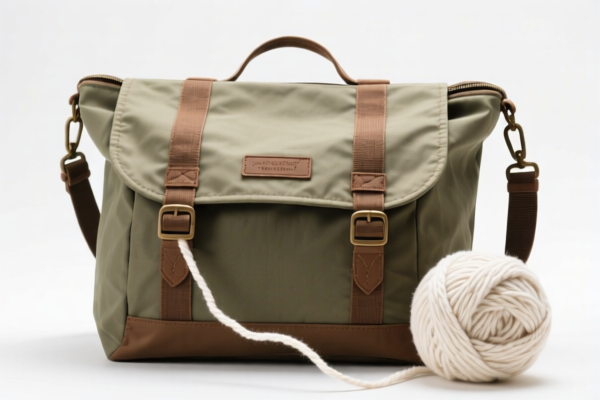
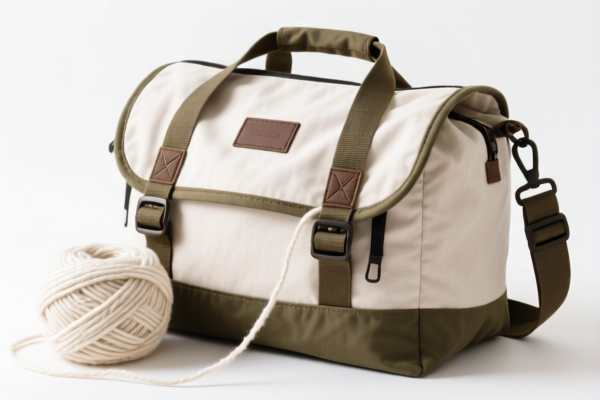
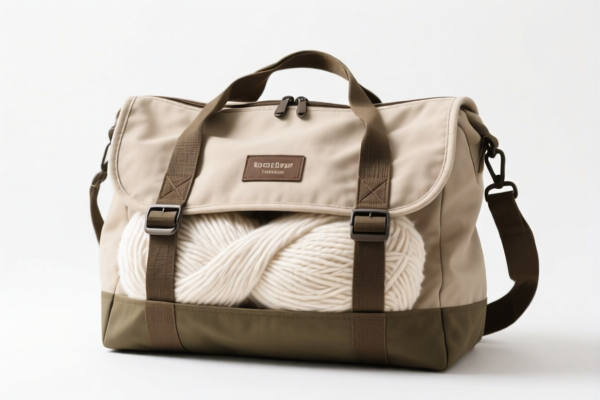
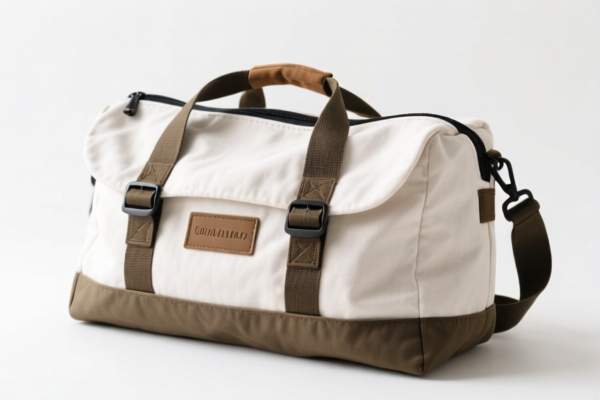
AI Analysis
🎒 Cotton Paper Yarn Hiking Travel Bag: HS Code Classification & Customs Clearance Guide
🌐 HS Code Reference & Customs Strategy | 2026 Latest Tariff Analysis | Professional Level Clearance Strategy
📌 I. Product Definition & Classification: Do You Really Understand "Cotton Paper Yarn"?
The Cotton Paper Yarn Hiking Travel Bag is a unique textile product that blends natural cotton fibers with paper yarn materials. In international trade, its classification depends heavily on the composition of the outer surface, the intended use (travel/hiking), and whether it is considered a finished accessory or a textile material.
⚠️ Key Classification Distinction:
- If classified as a raw/textile material (e.g., paper yarn fabric) → Lower base tariffs, but potential "Section 122" penalties.
- If classified as a finished good (e.g., travel bag, luggage) → Higher base tariffs due to "Made in China" surcharges.
- Critical Factor: Is the "cotton paper yarn" treated as a textile fiber (Chapter 53/63) or as a specific bag material (Chapter 42)?
📦 II. HS Code Classification Details (2026 Latest Tariff Authority Comparison)
Based on the provided data, here are the five possible HS Codes and their corresponding tax implications for Cotton Paper Yarn Hiking Travel Bags imported into the USA:
| HS Code | Product Description | Logic for Classification | Total Tax Rate |
|---|---|---|---|
5311.00.60.00 |
Paper Yarn Fabric | Classified under "Paper Yarn Fabrics." The bag material is viewed as a textile fabric category first. | 37.7% |
6307.90.98.91 |
Other Made-Up Articles | Classified as a finished consumer good with "other made-up" status. Material considered cotton-based. | 24.5% |
4202.92.31.31 |
Travel Bags (Textile Surface) | Classified as a travel/luggage item with an outer surface of textile materials. | 52.6% |
4202.92.39.00 |
Other Bags (Textile Surface) | Similar to above, but under a broader "other" subcategory for textile-based bags. | 52.6% |
5311.00.30.90 |
Plant Fiber Fabrics (Cotton/Paper) | Classified as fabrics containing cotton and artificial fibers/plant fibers. Most Favorable Tax Base. | 10.0% |
🔍 Critical Insight:
- Lowest Tariff Path:5311.00.30.90(10%) treats the product as a fabric/material.
- Highest Tariff Path:4202.92.31.31/4202.92.39.00(52.6%) treats the product as a finished travel bag.
- Middle Ground:6307.90.98.91(24.5%) offers a balanced classification as a general made-up article.
💰 III. 2026 Latest Tariff Rate Breakdown (Including Surcharges & Policy Add-ons)
✅ Applicable Country: United States (US)
✅ Origin: China (CN)
✅ Effective Date: 2025–2026 (Current Trade Policies)
🎯 1. 5311.00.30.90 —— Plant Fiber Fabrics (Lowest Risk)
| Item | Content |
|---|---|
| Base Tariff | 0.0% |
| Section 301 Surcharge | 0.0% |
| Section 122 Tariff | +10% (Targeting specific Chinese textile imports) |
| Total Tax Rate | 10.0% |
| Tax Calculation | CIF Value × 10% |
| De Minimis Exemption | ❌ Not Applicable (Section 122 applies regardless of value) |
| Legal Basis Path | 122:9903.01.25 → USITC:5311.00.30.90 |
📌 Explanation:
- This code benefits from a 0% base and 0% Section 301 tariff, which is rare for Chinese goods.
- However, it is subject to a 10% Section 122 tariff, which specifically targets certain paper/vegetable fiber yarns.
- Strategy: Use this code if the product can be argued as a "fabric roll" or "textile material" rather than a finished bag.
🎯 2. 6307.90.98.91 —— Other Made-Up Articles (Balanced Option)
| Item | Content |
|---|---|
| Base Tariff | 7.0% |
| Section 301 Surcharge | +7.5% |
| Section 122 Tariff | +10% |
| Total Tax Rate | 24.5% |
| Tax Calculation | CIF Value × 24.5% |
| De Minimis Exemption | ❌ Not Applicable |
| Legal Basis Path | 122:9903.01.25 → USITC:6307.90.98.91 |
📌 Explanation:
- This is a compromise classification. It acknowledges the product is a "finished good" (avoiding the 52.6% bag tariff) but avoids the highest textile surcharges.
- The "Other made-up articles" category is a "catch-all" for goods not specifically listed elsewhere.
🎯 3. 5311.00.60.00 —— Paper Yarn Fabrics (Material Focus)
| Item | Content |
|---|---|
| Base Tariff | 2.7% |
| Section 301 Surcharge | +25.0% |
| Section 122 Tariff | +10% |
| Total Tax Rate | 37.7% |
| Tax Calculation | CIF Value × 37.7% |
| De Minimis Exemption | ❌ Not Applicable |
| Legal Basis Path | 122:9903.01.25 → USITC:5311.00.60.00 |
📌 Explanation:
- Higher base tariff due to "Paper Yarn" being a more specific textile category.
- Full 25% Section 301 tariff applies, which significantly increases the cost.
🎯 4. 4202.92.31.31 & 4202.92.39.00 —— Travel Bags (Highest Cost)
| Item | Content |
|---|---|
| Base Tariff | 17.6% |
| Section 301 Surcharge | +25.0% |
| Section 122 Tariff | +10% |
| Total Tax Rate | 52.6% |
| Tax Calculation | CIF Value × 52.6% |
| De Minimis Exemption | ❌ Not Applicable |
| Legal Basis Path | 122:9903.01.25 → USITC:4202.92.xxxx |
📌 Explanation:
- WARNING: This classification treats the item as a luggage/travel bag.
- The high base tariff (17.6%) plus full Section 301 (25%) and Section 122 (10%) results in the highest tax burden.
- Only use if the product cannot be reasonably classified as a fabric or general made-up article.
🛠️ IV. Customs Clearance Practical Advice (Battle-Tested Pitfall Guide)
✅ 1. Documentation Checklist (Non-Negotiable)
| Document | Required | Notes |
|---|---|---|
| ✅ Product Composition Sheet | ✔️ | Must specify % of Cotton vs. Paper Yarn. Critical for Chapter 53 vs. 42. |
| ✅ Material Safety Data Sheet (MSDS) | ✔️ | If "paper yarn" involves chemical treatment, disclose it. |
| ✅ Product Photos (Clear) | ✔️ | Show texture, seams, zippers, and labels. Proves it’s a "bag" or "fabric." |
| ✅ Commercial Invoice | ✔️ | Describe as "Textile Fabric for Bag Making" if using 5311 codes. |
| ✅ Packing List | ✔️ | Ensure quantity matches invoice. |
| ✅ Origin Certificate (CO) | ✔️ | Confirms China origin, triggering Section 301/122 if applicable. |
✅ 2. Declaration Strategy (Key Mantras)
🔥 “Material Over Form, Avoid Chapter 42!”
| Scenario | Correct Declaration | Wrong Declaration |
|---|---|---|
| Selling Raw Material | "Cotton Paper Yarn Fabric Roll" | "Travel Bag" → 52.6% |
| Selling Finished Bag | "Other Made-Up Textile Article" | "Luggage" → 52.6% |
| Mixed Composition | Emphasize "Plant Fiber/Paper Yarn" | Emphasize "Cotton" alone |
- Why?
- Chapter 42 (Bag) attracts the highest duties.
- Chapter 53 (Paper Yarn/Textile) offers lower base rates.
- Chapter 63 (Other Made-Up) offers a middle ground.
✅ 3. Special Case Handling
| Situation | Handling Advice |
|---|---|
| Is it a Bag or Fabric? | If the bag is unlined or sold in rolls, declare as 5311.00.30.90. If stitched with handles, argue for 6307.90.98.91. |
| Section 122 Risk | All codes listed include a 10% Section 122 tariff. This is mandatory for Chinese goods in these categories. No exemption. |
| De Minimis (Section 321) | ❌ No. Section 122 tariffs apply even to small shipments (<$800). |
| Pre-Ruling Request | Highly Recommended. File an Advance Ruling with CBP to confirm whether 5311 or 6307 applies. Saves thousands in potential back-taxes. |
🌍 V. Global Market Clearance Comparison (2026)
| Country/Region | Recommended HS Code | Tariff (Approx.) | Key Requirement | Notes |
|---|---|---|---|---|
| 🇺🇸 USA | 5311.00.30.90 |
10% | Section 122 Declaration | Lowest rate for Chinese origin. |
| 🇨🇳 China | 6307.90.98.91 |
~7-10% | CCC/RoHS (if applicable) | Lower import duty, no US surcharges. |
| 🇪🇺 EU | 6307.90.98 |
~4-7% | CE/RoHS | No Section 301/122. |
| 🇬🇧 UK | 6307.90.98 |
~4-7% | UKCA/RoHS | Post-Brexit rules apply. |
| 🇦🇺 Australia | 6307.90.98 |
~5% | GSR/TGA (if applicable) | No major surcharges. |
📌 Conclusion:
- The USA is the most expensive market due to Section 301 (25%) and Section 122 (10%).
- Strategy for US: Argue for5311.00.30.90(10%) by emphasizing the material composition (plant fiber/paper yarn) rather than the end-use (travel bag).
- Strategy for EU/Asia: Use6307as a standard finished good classification.
📌 VI. Common Mistakes & Pitfalls (Lessons Learned)
❌ Mistake 1: Declaring as "Travel Bag" (4202) to avoid "Fabric" paperwork.
👉 Consequence: Tax jumps from 10% to 52.6% → Cost increase >400%.
❌ Mistake 2: Ignoring Section 122.
👉 Consequence: Even if base tariff is 0%, you still owe 10%. Failure to declare leads to penalties.
❌ Mistake 3: Using "Cotton Bag" in description.
👉 Consequence: CBP may classify as pure cotton (52 or 62), leading to disputes over "Paper Yarn" content. Always specify "Cotton Paper Yarn."
✅ Correct Declaration Example:
"Textile Fabric, Cotton Paper Yarn Blend, Used for Bag Manufacturing, Not Yet Made-Up, Origin: China" →
5311.00.30.90
OR
"Other Made-Up Textile Article, Cotton Paper Yarn, General Use, Origin: China" →6307.90.98.91
🎯 VII. Conclusion: Precision Classification = Maximum Profit
🎯 Key Takeaway:
🔹 "Don't sell a bag, sell a fabric!" → If possible, classify as
5311.00.30.90(10%) to save 42.6% in tariffs.
🔹 "If it's finished, choose 'Other' (6307)" → Avoid Chapter 42 (Bags) at all costs.
🔹 "Section 122 is unavoidable" → Budget for the additional 10% on all Chinese textile/paper imports.
📌 Pro Tip:
File an Advance Ruling with US CBP before shipping. Provide:
1. Material samples (Cotton + Paper Yarn).
2. Product photos.
3. Intended use (Hiking/Travel).
Result: Guaranteed classification, no surprise audits, peace of mind.
📣 Immediate Action Required:
📞 Consult a Customs Broker → Submit Pre-Ruling Request → Optimize Invoice Descriptions → Save 42% in Taxes!
🚀 Your Cotton Paper Yarn Bag can be profitable. It all starts with the right HS Code.
✨ Professional Customs Clearance Starts with Accurate Classification!
💼 Every percentage point saved is pure profit!
Customer Reviews
About HS Code Classification
The Harmonized System (HS) is an internationally standardized nomenclature developed by the World Customs Organization (WCO) to classify traded products. Over 200 countries use the HS system as the basis for customs tariffs, trade statistics, and import/export regulations.
Each HS code follows a hierarchical structure:
- Chapter (2 digits) — Broad category of goods (e.g., Chapter 84: Machinery and Mechanical Appliances)
- Heading (4 digits) — More specific grouping within the chapter
- Subheading (6 digits) — Internationally standardized breakdown, used by all WCO member countries
- National subdivisions (8-10 digits) — Country-specific extensions for further classification, such as US HTSUS 10-digit codes
Correct HS code classification is essential for smooth customs clearance, accurate duty payment, and compliance with trade regulations. Misclassification can lead to customs delays, overpayment of duties, or penalties.
When importing from CN to US, the applicable tariff rates may include:
- Most-Favored-Nation (MFN) rate — The standard duty rate applied to WTO members
- General rate — Applied to countries without trade agreements
- Trade remedy duties — Additional tariffs such as Section 301 (anti-dumping), Section 232 (national security), or countervailing duties
The information provided on this page is for reference purposes only. For official classification, please consult with your local customs authority or a licensed customs broker.