Cotton Paper Yarn Waterproof Travel Bag
CN → US| HS Code | Tariff Rate | Origin | Destination | Doc |
|---|---|---|---|---|
| 6305200000 | 23.7% | CN | US | Official Doc |
| 4202923316 | 52.6% | CN | US | Official Doc |
| 6305900000 | 23.7% | CN | US | Official Doc |
| 4202923900 | 52.6% | CN | US | Official Doc |
| 5311006000 | 37.7% | CN | US | Official Doc |
Product Images
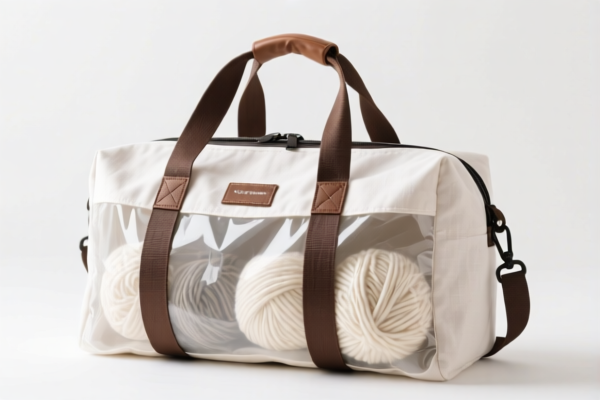
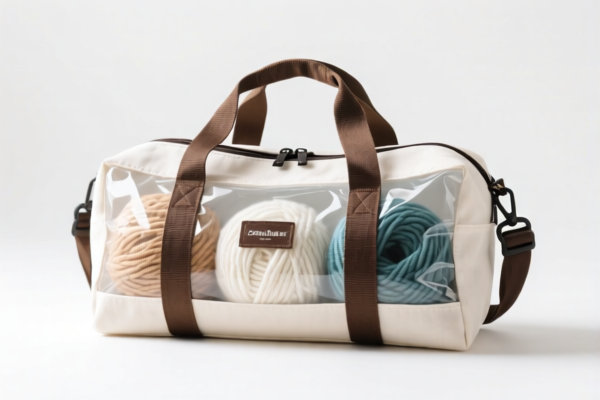
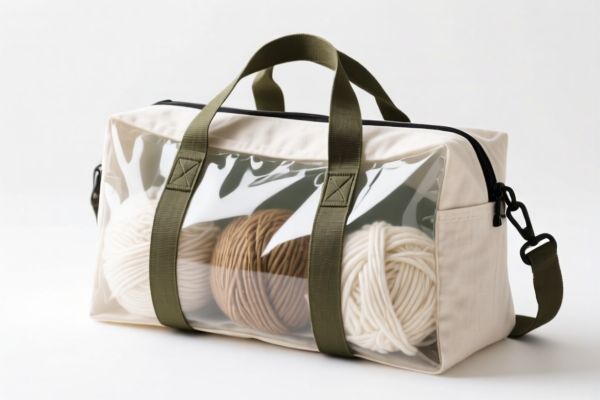
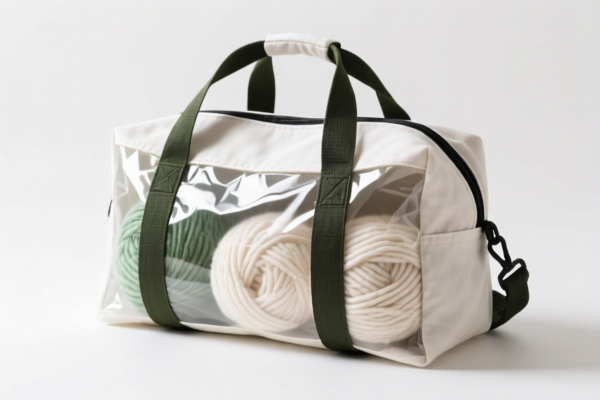
AI Analysis
🎒 Cotton Paper Yarn Waterproof Travel Bag (棉纸纱防水旅行袋)
🌐 HS Code Reference & Customs Clearance Guide | 2026 Latest Tariff Analysis | Professional Strategy for China-US Trade
📌 I. Product Definition & Classification: What Exactly is a "Cotton Paper Yarn Bag"?
The "Cotton Paper Yarn Waterproof Travel Bag" is a unique textile product. Its core confusion in customs classification lies in the material definition: 1. Material: "Cotton Paper Yarn" (棉纸纱) is a hybrid yarn. It is often treated as Textile (Chapter 63) because the base is cotton/paper blend, BUT it can sometimes be interpreted as Finished Goods (Chapter 42) if the structure implies a specific bag function with waterproof coatings. 2. Usage: Specifically for Travel (Luggage/Carry-on). 3. Key Risk: Customs officers may classify this as: * Sacks & Bags (Chapter 63) → Lower duty. * Trunks, Suitcases, Handbags (Chapter 42) → Higher duty (due to 301 Tariffs). * Non-woven Paper/Cotton Fabric (Chapter 53/54) → Intermediate duty.
⚠️ Critical Distinction:
- If the bag is primarily "Sacks/Bags" for general storage or light travel, it leans toward Chapter 63.
- If the bag is structured, waterproof, and explicitly marketed as "Travel Luggage/Suitcase," it leans toward Chapter 42.
- "Waterproof" coating does NOT change the chapter but may affect the "Textile" vs. "Plastic" classification (still likely Chapter 42 or 63 if textile-based).
📦 II. HS Code Classification Matrix (2026 Latest Tariff Alignment)
Based on the provided data, here are the four possible HS Codes and their logic:
| HS Code | Description & Logic | Total Tax Rate | Key Determinants |
|---|---|---|---|
6305.20.00.00 |
Cotton Paper Yarn Waterproof Travel Bag; Core material is Cotton; Use: Travel Bag; Classified under Sacks and Bags. | 23.7% | • Chapter 63: Other made-up textile articles. • Sacks/Bags: Generic travel bags. • Material: Cotton-based. |
4202.92.33.16 |
Cotton Paper Yarn Waterproof Travel Bag; Material: Cotton; Use: Travel, Sports & Similar Bags. | 52.6% | • Chapter 42: Articles of Leather/Plastic/Textile. • Specific Subheading: For travel/sports bags. • Higher Duty: Due to "Travel" specific classification. |
6305.90.00.00 |
Cotton Paper Yarn Waterproof Travel Bag; Form: Bag; Use: Packaging/Carrying Items; Material: Textile Category. | 23.7% | • Chapter 63: General textile bags. • Generic Use: "Carrying items" rather than specific "Luggage". • Lower Duty: Same as 6305.20. |
4202.92.39.00 |
Cotton Paper Yarn Waterproof Travel Bag; Use: Travel Bag; Outer Surface: Textile Material. | 52.6% | • Chapter 42: Luggage/Handbags. • Generic Textile Luggage: Outer surface is textile. • Higher Duty: Same as 4202.92.33. |
5311.00.60.00 |
Cotton Paper Yarn Crossbody Travel Bag; Material: Paper Yarn Fabric; Form: Finished Consumer Good. | 37.7% | • Chapter 53: Other vegetable textile fibers. • Paper Yarn: Treated as "Other textile fibers". • Intermediate Duty: Between Chapter 42 and 63. |
🔍 Strategic Insight:
- Cheapest:6305.20.00.00or6305.90.00.00(23.7%)
- Most Expensive:4202.92.33.16or4202.92.39.00(52.6%)
- Middle Ground:5311.00.60.00(37.7%)
💰 III. 2026 Tariff Rate Breakdown (Detailed Tax Structure)
✅ Applicable Country: United States (US)
✅ Origin: China (CN)
✅ Effective Time: 2025+ (Current 301 & IEEPA Rules)
🎯 1. 6305.20.00.00 & 6305.90.00.00 — Low Duty Strategy (23.7%)
| Item | Details |
|---|---|
| Base Tariff | 6.2% (Standard MFN Rate for Chapter 63) |
| 301 Tariff (Section 301) | +7.5% (Specific rate for certain textile bags) |
| IEEPA Tariff (122 Clause) | +10% (Additional surcharge for Chinese origin) |
| Total Rate | 23.7% |
| Calculation | CIF Value × 23.7% |
| De Minimis Exemption | ❌ Not Eligible (Goods over $800 subject to full duty; under $800 may still be taxed if misclassified) |
| Legal Path | IEEPA:122 → USITC:6305.20.00.00 → FOOTNOTE:301.88 |
📌 Explanation:
- Chapter 63 bags are less targeted by 301 tariffs than Chapter 42 luggage.
- Why 23.7%? It’s a mix of standard duties + Section 301 + IEEPA.
- Risk: If US Customs believes "Travel Bag" = "Luggage" (Chapter 42), they will reclassify it to 52.6%.
🎯 2. 4202.92.33.16 & 4202.92.39.00 — High Duty Risk (52.6%)
| Item | Details |
|---|---|
| Base Tariff | 17.6% (Standard MFN Rate for Chapter 42 Luggage) |
| 301 Tariff (Section 301) | +25.0% (Heavy tariff on Chinese luggage/bags) |
| IEEPA Tariff (122 Clause) | +10% (Additional surcharge) |
| Total Rate | 52.6% |
| Calculation | CIF Value × 52.6% |
| De Minimis Exemption | ❌ Not Eligible |
| Legal Path | IEEPA:122 → USITC:4202.92.39.00 → FOOTNOTE:301.99 |
📌 Why so high?
- Chapter 42 "Luggage" is a highly scrutinized category for Chinese imports.
- The 25% 301 tariff is the dominant factor.
- Avoid this if possible unless your product is explicitly structured as "Luggage" with rigid frames/handles.
🎯 3. 5311.00.60.00 — Intermediate Option (37.7%)
| Item | Details |
|---|---|
| Base Tariff | 2.7% (Low base for other textile fibers) |
| 301 Tariff (Section 301) | +25.0% |
| IEEPA Tariff (122 Clause) | +10% |
| Total Rate | 37.7% |
| Calculation | CIF Value × 37.7% |
| Legal Path | IEEPA:122 → USITC:5311.00.60.00 → FOOTNOTE:301.88 |
📌 Why 37.7%?
- Base rate is very low (2.7%), but 301 and IEEPA still apply fully.
- Use this if the product is clearly "Paper Yarn Fabric" (not traditional cotton) and sold as a Crossbody Bag (not full luggage).
🛠️ IV. Customs Clearance Practical Advice (Avoid Pitfalls)
✅ 1. Key Documentation Checklist
| Document | Requirement | Purpose |
|---|---|---|
| Product Photos | Clear images of the bag, material texture, waterproof coating | To prove it’s "Cotton Paper Yarn" not "Plastic" or "Leather" |
| Material Specification | Detail: "Cotton Paper Yarn" = Blend of Cotton + Paper Fiber | To justify Chapter 63 or 53 (not Chapter 42 Luggage) |
| Waterproof Certification | Coating type (e.g., PU, PE) | To confirm it’s still "Textile" and not "Plastic Product" |
| Commercial Invoice | Description: "Waterproof Travel Bag, Cotton Paper Yarn, Non-Luggage" | Crucial: Avoid words like "Luggage", "Suitcase", "Rigid Frame" |
| Packing List | Dimensions, Weight | To ensure it fits "Bag" classification, not "Container" |
✅ 2. Declaration Strategy (Key Keywords)
🔥 Golden Rule:
"Describe as 'Bag', not 'Luggage'. Emphasize 'Textile', not 'Plastic'."
| Scenario | Recommended Description | HS Code | Tax |
|---|---|---|---|
| Best Case | "Waterproof Cotton Paper Yarn Tote Bag for Daily Use" | 6305.20.00.00 |
23.7% |
| Risky Case | "Hard-shell Waterproof Travel Luggage" | 4202.92.33.16 |
52.6% |
| Middle Case | "Paper Yarn Crossbody Bag, Waterproof" | 5311.00.60.00 |
37.7% |
⚠️ Warning:
- Do NOT use words: "Luggage", "Suitcase", "Hard Case", "Wheels".
- DO use words: "Tote", "Sack", "Bag", "Crossbody", "Soft-sided".
✅ 3. Special Considerations
| Situation | Action |
|---|---|
| Waterproof Coating is Thick | If the coating makes it look like Plastic, it might fall under Chapter 39 (Plastic Bags) → Check if 301 applies differently. |
| Product has Handles/Wheels | If it has rigid wheels/handles, it may be classified as Chapter 42 Luggage → Tax jumps to 52.6%. |
| Material is >50% Paper | Could be classified as Paper Products → Different tariff, but likely still textile-based. |
| Origin is China | IEEPA 10% always applies. No exemption unless re-shipped from Vietnam/Mexico with substantial transformation. |
🌍 V. Global Market Comparison (2026)
| Market | HS Code | Tax Rate | Notes |
|---|---|---|---|
| 🇺🇸 USA | 6305.20.00.00 |
23.7% | Best option. Avoid Chapter 42. |
| 🇺🇸 USA | 4202.92.39.00 |
52.6% | Avoid if possible. |
| 🇪🇺 EU | 4202.92 |
~4-12% | No 301/IEEPA. Much lower tax. |
| 🇨🇳 China | 6305.20 |
~5-10% | Import duty low. VAT 13%. |
| 🇬🇧 UK | 6305.20 |
~5-12% | Post-Brexit rules apply. |
📌 Conclusion:
- US Market is the most challenging due to 301 & IEEPA tariffs.
- Chapter 63 (6305.20) is your safest bet for 23.7% tax.
- Chapter 42 (4202.92) is a trap with 52.6% tax.
📌 VI. Common Mistakes & Pitfalls
❌ Mistake 1: Calling it "Travel Luggage"
👉 Result: Customs reclassifies to Chapter 42 → Tax doubles to 52.6%!
❌ Mistake 2: Ignoring "Waterproof Coating"
👉 Result: If coating is too thick, it may be seen as "Plastic Bag" → Different tariff, possible 301 exemption issues.
❌ Mistake 3: Using "Paper Bag" instead of "Cotton Paper Yarn"
👉 Result: Misleading description → Delays, fines, or incorrect classification.
❌ Mistake 4: Assuming De Minimis ($800) applies
👉 Result: IEEPA 10% may still apply to shipments under $800 if not properly declared.
✅ Correct Strategy:
"Soft-sided Cotton Paper Yarn Travel Bag, Waterproof Coating, Non-Rigid, No Wheels" → HS 6305.20.00.00 → 23.7%
🎯 VII. Conclusion: Smart Classification Saves Money!
🎯 Remember:
🔹 "Call it a Bag, not Luggage."
🔹 "Chapter 63 is Gold (23.7%), Chapter 42 is Trap (52.6%)."
🔹 "Waterproof is Fine, but Don’t make it look like Plastic."
📌 Pro Tip:
If you are importing into the US, apply for an Advance Ruling from CBP to confirm HS Code 6305.20.00.00. This provides legal protection against reclassification.
📣 Take Action Now:
📞 Consult a Customs Broker
📄 Prepare Detailed Material Specs
🚀 Declare as "Textile Bag", not "Luggage"
💰 Save 28.9% in Taxes!
✨ Precise Classification = Maximum Profit!
💼 Your Bottom Line Depends on Your HS Code!
Customer Reviews
About HS Code Classification
The Harmonized System (HS) is an internationally standardized nomenclature developed by the World Customs Organization (WCO) to classify traded products. Over 200 countries use the HS system as the basis for customs tariffs, trade statistics, and import/export regulations.
Each HS code follows a hierarchical structure:
- Chapter (2 digits) — Broad category of goods (e.g., Chapter 84: Machinery and Mechanical Appliances)
- Heading (4 digits) — More specific grouping within the chapter
- Subheading (6 digits) — Internationally standardized breakdown, used by all WCO member countries
- National subdivisions (8-10 digits) — Country-specific extensions for further classification, such as US HTSUS 10-digit codes
Correct HS code classification is essential for smooth customs clearance, accurate duty payment, and compliance with trade regulations. Misclassification can lead to customs delays, overpayment of duties, or penalties.
When importing from CN to US, the applicable tariff rates may include:
- Most-Favored-Nation (MFN) rate — The standard duty rate applied to WTO members
- General rate — Applied to countries without trade agreements
- Trade remedy duties — Additional tariffs such as Section 301 (anti-dumping), Section 232 (national security), or countervailing duties
The information provided on this page is for reference purposes only. For official classification, please consult with your local customs authority or a licensed customs broker.