Cotton Paper Yarn Yoga Travel Bag
CN → US| HS Code | Tariff Rate | Origin | Destination | Doc |
|---|---|---|---|---|
| 3926909989 | 22.8% | CN | US | Official Doc |
| 5311006000 | 37.7% | CN | US | Official Doc |
| 6307909891 | 24.5% | CN | US | Official Doc |
| 4202923131 | 52.6% | CN | US | Official Doc |
| 4202923900 | 52.6% | CN | US | Official Doc |
Product Images
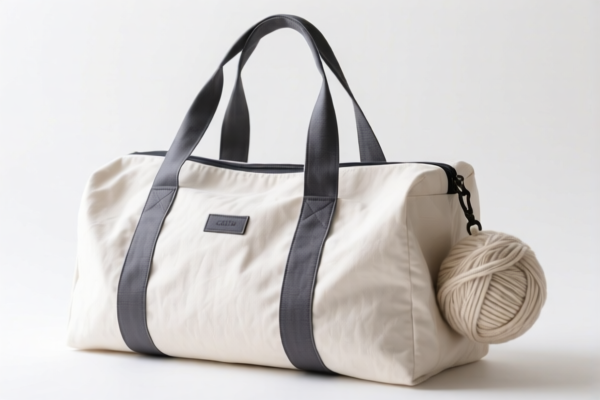
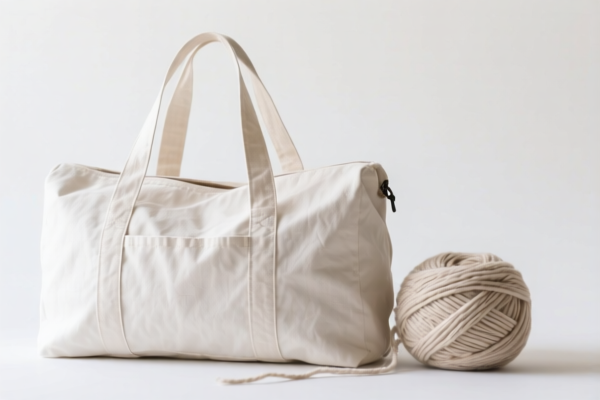
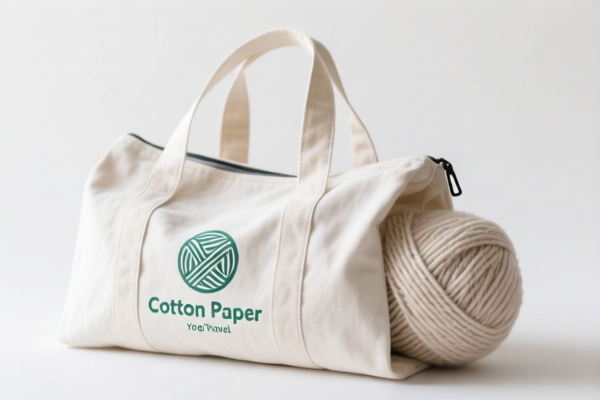
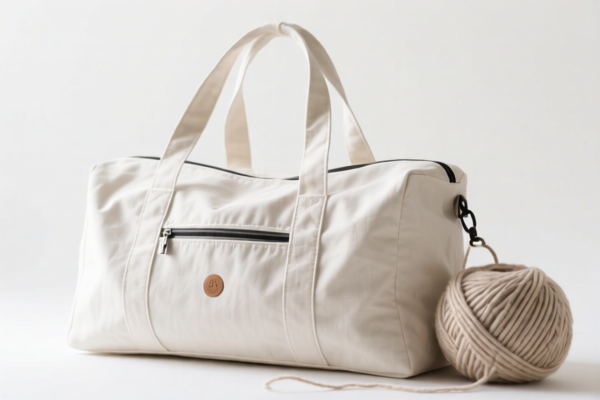
AI Analysis
🧘♀️ Cotton Paper Yarn Yoga Travel Bag (棉纸纱斜跨旅行包)
🌐 HS Code Reference & Customs Clearance Guide | 2026 Latest Tariff Analysis | Professional通关 Strategy
📌 I. Product Definition & Classification: What is "Cotton Paper Yarn"?
Cotton Paper Yarn (棉纸纱) is a niche, eco-friendly textile material made from processed paper fibers mixed or blended with cotton. It combines the texture of fabric with the stiffness and eco-profile of paper.
In international trade, bags made from this material are often subject to strict scrutiny regarding their classification. The key distinction lies in whether the product is viewed as: 1. A Plastic/Synthetic Composite (if paper is coated/finished with plastic/resin); 2. A Textile Product (if primarily woven/knitted fabric structure).
⚠️ Critical Classification Point: - If the bag is perceived as having a dominant plastic/synthetic surface or coating → It falls under Chapter 39 (Plastics). - If the bag is perceived as a textile artifact (woven paper/cotton yarn) → It falls under Chapter 42 (Articles of Leather/Textiles) or Chapter 53/63 (Other Textiles). - Misclassification Risk: High. Customs may re-classify "Paper Yarn Bags" into the highest tariff bucket if the "Textile" nature is not clearly proven.
📦 II. HS Code Classification Details (2026 Tariff Concordance)
Based on the provided data, there are five potential HS Codes for this product, ranging from low-risk (Plastic) to high-risk (Specific Textile Travel Bags).
| HS Code | Product Description (Summary) | Material/Nature | Total Tax Rate | Key Distinction |
|---|---|---|---|---|
| 3926.90.99.89 | Yoga Bag, material: Plastic/Nylon/Synthetic composite; Fallback Category | Plastic/Synthetic Composite | 22.8% | Lowest Risk. Classified as general plastic article. Applies if paper yarn is heavily coated or considered synthetic composite. |
| 6307.90.98.91 | Cotton Paper Yarn Cross-body Travel Bag, Other Made-up Articles | Cotton Fiber/Textile | 24.5% | Medium-Low Risk. Classified as "Other made up articles" in textiles. Best for generic fabric bags. |
| 5311.00.60.00 | Cotton Paper Yarn Cross-body Travel Bag, Material: Paper Yarn Fabric | Paper Yarn Fabric | 37.7% | Medium Risk. Specific to "Paper Yarn Fabric" (Woven/Knitted). Higher tariff due to specific fabric classification. |
| 4202.92.31.31 | Cotton Paper Yarn Cross-body Travel Bag, Travel Purpose, Textile Surface | Textile Material | 52.6% | High Risk. Specific for "Travel Bags" made of textile materials. High base tariff + surcharges. |
| 4202.92.39.00 | Cotton Paper Yarn Cross-body Travel Bag, Travel Purpose, Other Textile | Textile Material | 52.6% | High Risk. "Other" category for travel bags. Same high tariff as above. |
🔍 Key Insight: - The Tariff Gap is massive: 22.8% vs. 52.6%. - Chapter 42 (Travel Bags) attracts the highest penalties due to "Base Tariff (17.6%) + Section 301 Surcharge (25%) + Section 122 (10%)." - Chapter 39 (Plastics) and Chapter 63 (Other Textiles) offer significant cost savings.
💰 III. 2026 Latest Tariff Rate Breakdown (With Surcharges)
✅ Applicable Country: United States (US)
✅ Origin: China (CN)
✅ Effective Date: Post-2025 (Including Section 122 & 301 measures)
🎯 1. 3926.90.99.89 – Fallback Plastic/Synthetic Category (Best Cost Option)
| Item | Content |
|---|---|
| Base Tariff | 5.3% |
| Section 301 Surcharge | 7.5% |
| Section 122 Surcharge | 10% |
| Total Tax Rate | 22.8% |
| Calculation | CIF Value × 22.8% |
| De Minimis Exemption | ❌ No (Section 301/122 items usually excluded or threshold applies differently) |
| Legal Basis | Chapter 39 (Plastics), General Residual Category |
📌 Explanation: - This is the "Safe Harbor" classification. By arguing the bag is a "Plastic/Synthetic composite" (due to coatings or synthetic lining), you avoid the punitive Chapter 42 rates. - Note: If customs rejects this, they will force a reclassification to Chapter 42, leading to back taxes + penalties.
🎯 2. 6307.90.98.91 – Other Made-up Textile Articles
| Item | Content |
|---|---|
| Base Tariff | 7.0% |
| Section 301 Surcharge | 7.5% |
| Section 122 Surcharge | 10% |
| Total Tax Rate | 24.5% |
| Calculation | CIF Value × 24.5% |
| Legal Basis | Chapter 63 (Other Made-up Articles), Not specifically "Travel Bags" |
📌 Explanation: - Avoids the "Travel Bag" label which triggers higher Chapter 42 rates. - Suitable if the bag’s primary function is not strictly "travel" but "general use" or "yoga accessory."
🎯 3. 5311.00.60.00 – Paper Yarn Fabric Specific
| Item | Content |
|---|---|
| Base Tariff | 2.7% |
| Section 301 Surcharge | 25.0% |
| Section 122 Surcharge | 10% |
| Total Tax Rate | 37.7% |
| Calculation | CIF Value × 37.7% |
| Legal Basis | Chapter 53 (Other Vegetable Textile Fibres), Paper Yarn |
📌 Explanation: - Low base tariff (2.7%) but high Section 301 surcharge (25%). - This reflects the US policy of punishing specific Chinese textile inputs (paper yarn).
🎯 4. 4202.92.31.31 & 4202.92.39.00 – Travel Bags (Highest Risk)
| Item | Content |
|---|---|
| Base Tariff | 17.6% |
| Section 301 Surcharge | 25.0% |
| Section 122 Surcharge | 10% |
| Total Tax Rate | 52.6% |
| Calculation | CIF Value × 52.6% |
| Legal Basis | Chapter 42 (Articles of Leather/Travel Goods) |
📌 Explanation: - AVOID THIS IF POSSIBLE. - The 17.6% Base Tariff alone is high. - The 25% Section 301 Surcharge is the maximum penalty rate for many Chinese goods. - Section 122 (10%) adds further penalty. - Total: Over 50%. This can make the product uncompetitive in the US market.
🛠️ IV. Customs Clearance Practical Advice (Pitfall Avoidance Guide)
✅ 1. Preparation Checklist (Non-negotiable)
| Document | Required? | Description |
|---|---|---|
| ✅ Product Material Specification | ✔️ | Clearly define "Cotton Paper Yarn." Is it 100% paper? Blended? Coated? |
| ✅ Photos (Raw Material + Finished Bag) | ✔️ | Show the texture. If it looks like plastic/film, expect Chapter 39. If it looks like woven fabric, expect Chapter 42/63. |
| ✅ Bill of Materials (BOM) | ✔️ | List all components: Lining, Zipper, Hardware. If lining is plastic, it supports Chapter 39 argument. |
| ✅ Commercial Invoice | ✔️ | Describe as "Yoga Accessory" or "General Use Bag" rather than "Travel Bag" if possible. |
| ✅ Packing List | ✔️ | Ensure weights and dimensions match. |
✅ 2. Declaration Strategy (Critical Keywords)
🔥 "Function Over Form, Material Over Name"
| Scenario | Recommended Declaration | Risk Level |
|---|---|---|
| Preferred | "Yoga Mat Carrier / Gym Bag" (Not "Travel Bag") | Low-Medium |
| Preferred | "Cotton Paper Fabric Bag" (Emphasize Fabric) | Medium |
| Avoid | "Travel Luggage / Travel Bag" | HIGH (52.6%) |
| Avoid | "Paper Bag" (Too vague, may be deemed plastic) | Medium-High |
📌 Tip: - Use "Yoga Bag" or "Gym Accessory" instead of "Travel Bag." - The term "Travel Bag" automatically triggers Chapter 42 scrutiny. - If it’s for yoga/gym, argue it is a "Sports Accessory" which may fall under Chapter 63 (Other Made-up Articles) or Chapter 39 (Plastic Components).
✅ 3. Special Circumstances Handling
| Situation | Handling Advice |
|---|---|
| Bag has Plastic Lining/Coating | Declare as 3926.90.99.89. Argue that the plastic component is essential for water resistance/durability, making it a plastic article. |
| Bag is Purely Woven Paper Yarn | Declare as 6307.90.98.91 or 5311.00.60.00. Avoid Chapter 42 unless necessary. |
| Customs Challenges Classification | Provide Third-Party Lab Test showing material composition. If >50% plastic by weight, Chapter 39 is defensible. |
| Section 122 Impact | Remember, Section 122 (10%) applies to ALL these categories. It cannot be avoided. Focus on reducing Base Tariff + Section 301. |
🌍 V. Global Market Comparison (2026 Latest)
| Country/Region | Recommended HS Code | Tariff (Est.) | Certification Req. | Note |
|---|---|---|---|---|
| 🇺🇸 USA | 3926.90.99.89 |
22.8% | None Specific | Best Option. Avoids 52.6% trap. |
| 🇺🇸 USA | 4202.92.31.31 |
52.6% | None Specific | Avoid. High tariff. |
| 🇪🇺 EU | Varies (Chapter 42/63) | ~6-12% | CE (if plastic) | EU tariffs are lower but stricter on "Paper" definitions. |
| 🇨🇳 China | Same HS Codes | ~10-20% | None | Domestic sales face different tax structures (VAT). |
📌 Conclusion for US Market: - Target
3926.90.99.89(22.8%) or6307.90.98.91(24.5%). - DO NOT use4202.92...codes unless absolutely necessary. The 30%+ difference in tax can wipe out profit margins.
📌 VI. Common Mistakes & Pitfall Guide (Lessons Learned)
❌ Mistake 1: Labeling the product as "Travel Luggage"
👉 Consequence: Customs assigns 4202.92.31.31 → 52.6% Tax.
✅ Fix: Label as "Yoga Bag" or "Gym Tote."
❌ Mistake 2: Ignoring Section 122 (10%) 👉 Consequence: Under-budgeting. All these HS codes have an additional 10% penalty. ✅ Fix: Always include 10% in cost calculations regardless of HS Code.
❌ Mistake 3: Claiming De Minimis Exemption for these items 👉 Consequence: Section 301 and Section 122 items are often excluded from de minimis (under $800) relief or face stricter scrutiny. ✅ Fix: Plan for full duty payment even for small shipments if flagged.
❌ Mistake 4: Vague Material Description: "Paper Bag"
👉 Consequence: Customs may assume it’s plastic-coated and reclassify to 3926... (which is okay) OR reject it for ambiguity.
✅ Fix: Be precise: "Woven Cotton-Paper Blend Fabric with Plastic Lining."
🎯 VII. Conclusion: Professional Declaration, Cost Savings
🎯 Remember the Mantra:
🔹 "Not a Travel Bag, but a Yoga Accessory."
🔹 "Plastic-Coated? Claim Chapter 39."
🔹 "Pure Fabric? Claim Chapter 63."
🔹 "Avoid Chapter 42 at all costs!"
📌 Pro Tip:
If your bag has a plastic lining, zipper tape, or synthetic straps, emphasize these elements in your product description. This supports the argument for 3926.90.99.89 (22.8%) over 4202... (52.6%).
📣 Immediate Action:
📞 Consult a customs broker BEFORE shipping.
📄 Submit Advance Ruling if the value is high.
🚀 Save 30% on taxes by choosing the right HS Code!
✨ Professional Customs Clearance Starts with Precise Classification!
💼 Every dollar saved in tariff is profit gained!
Customer Reviews
About HS Code Classification
The Harmonized System (HS) is an internationally standardized nomenclature developed by the World Customs Organization (WCO) to classify traded products. Over 200 countries use the HS system as the basis for customs tariffs, trade statistics, and import/export regulations.
Each HS code follows a hierarchical structure:
- Chapter (2 digits) — Broad category of goods (e.g., Chapter 84: Machinery and Mechanical Appliances)
- Heading (4 digits) — More specific grouping within the chapter
- Subheading (6 digits) — Internationally standardized breakdown, used by all WCO member countries
- National subdivisions (8-10 digits) — Country-specific extensions for further classification, such as US HTSUS 10-digit codes
Correct HS code classification is essential for smooth customs clearance, accurate duty payment, and compliance with trade regulations. Misclassification can lead to customs delays, overpayment of duties, or penalties.
When importing from CN to US, the applicable tariff rates may include:
- Most-Favored-Nation (MFN) rate — The standard duty rate applied to WTO members
- General rate — Applied to countries without trade agreements
- Trade remedy duties — Additional tariffs such as Section 301 (anti-dumping), Section 232 (national security), or countervailing duties
The information provided on this page is for reference purposes only. For official classification, please consult with your local customs authority or a licensed customs broker.