Cotton Pen Pouch
CN → US| HS Code | Tariff Rate | Origin | Destination | Doc |
|---|---|---|---|---|
| 4202329300 | 52.6% | CN | US | Official Doc |
| 3926903500 | 16.5% | CN | US | Official Doc |
| 3926100000 | 15.3% | CN | US | Official Doc |
| 4205008000 | 35.0% | CN | US | Official Doc |
| 4202322000 | 55.0% | CN | US | Official Doc |
Product Images
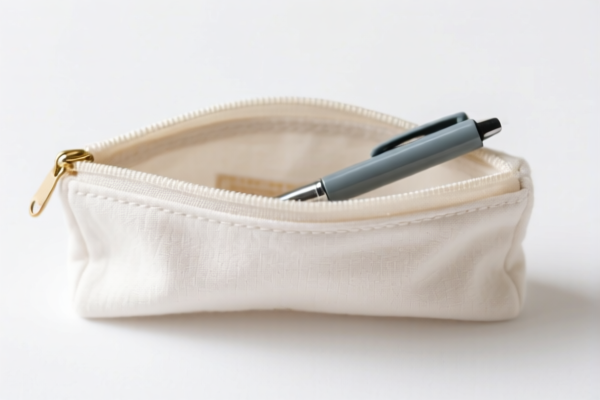
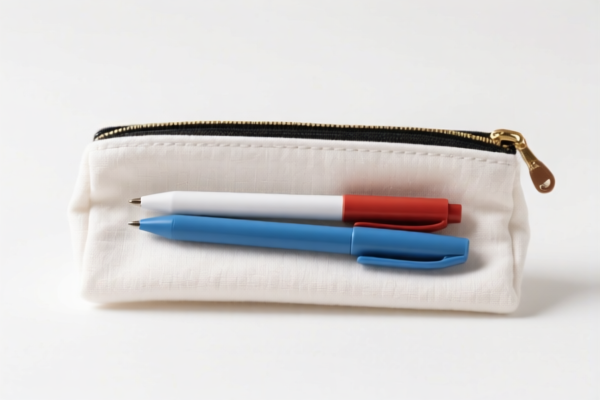
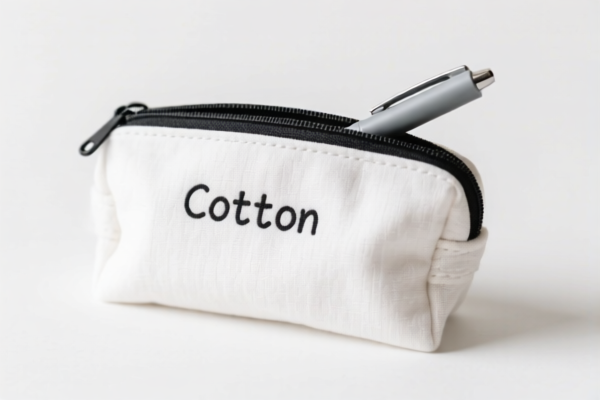
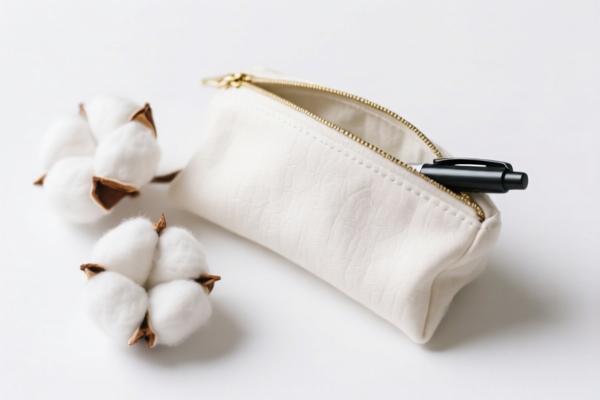
AI Analysis
🎒 Cotton Pen Pouch (Stationery Storage Pouch)
🌐 HS Code Classification & Customs Clearance Guide | 2026 Latest Tariff Breakdown | Pro-Level Import Strategy
📌 One Product, Multiple HS Codes — Know the Difference to Avoid 50%+ Tariff Traps!
📦 一、Product Definition & Classification: What Is a "Cotton Pen Pouch"?
A cotton pen pouch is a small, portable storage bag typically used to hold pens, pencils, highlighters, and other stationery items. While the name suggests cotton, the actual material may vary — including 100% cotton fabric, cotton blends, synthetic fibers, or even plastic-coated textiles.
⚠️ Critical Insight:
- If the outer surface is made of textile (e.g., cotton, polyester, or rayon) → Likely falls under HS 4202.32.93.00
- If it’s plastic-based or synthetic fiber with no textile layer → May be classified under HS 3926.90.35.00 or 3926.10.00.00
- If it’s leather or synthetic leather → Could fall under HS 4205.00.80.00🔍 Why This Matters:
A single product can trigger up to 55% total tariff depending on material — so accurate classification is your #1 defense against surprise costs!
📌 二、HS Code Breakdown (2026 Official Tariff Table)
| HS Code | Product Description | Material Logic | Key Use Case | Tax Risk Level |
|---|---|---|---|---|
4202.32.93.00 |
Other cotton or man-made fiber pen pouches | Outer surface made of textile (e.g., cotton, polyester, rayon) | Standard stationery pouches, school supplies, office use | 🔴 High (52.6%) |
3926.90.35.00 |
Other plastic stationery cases | Made of plastic or synthetic fiber, no textile layer | Plastic-coated pouches, waterproof cases, budget models | 🟡 Medium (16.5%) |
3926.10.00.00 |
Plastic office/school supplies | Plastic or fabric, used for school or office storage | General-purpose pouches, student kits, bulk orders | 🟡 Medium (15.3%) |
4205.00.80.00 |
Other leather or synthetic leather articles | Leather or synthetic leather exterior | Premium, luxury, designer pen cases | 🔴 High (35.0%) |
4202.32.20.00 |
Pen pouches with textile or leather exterior | Textile (cotton, polyester) or leather | Common in office & school markets | 🔴🔥 Highest Risk (55.0%) |
✅ Key Rule:
- If the outer surface is textile (even if cotton blend) → Use 4202.32.93.00 or 4202.32.20.00
- If it’s plastic, no visible fabric, or coated → Use 3926.90.35.00 or 3926.10.00.00
- If it feels like leather or has a leather-like finish → Use 4205.00.80.00
💰 三、2026 Tariff Breakdown (US Market | China Origin)
✅ Applicable Country: United States (US)
✅ Origin: China (CN)
✅ Effective Date: November 10, 2025 (Post-2025 Tariff Adjustments)
🎯 1. 4202.32.93.00 — Cotton/Man-Made Fiber Pen Pouch (Textile Outer)
| Item | Detail |
|---|---|
| Base Duty | 17.6% (ad valorem) |
| Section 301 Tariff (USITC) | +25.0% (from U.S. Trade Act §301) |
| Section 122 Tariff (IEEPA) | +10.0% (under International Emergency Economic Powers Act) |
| Total Effective Duty | 52.6% |
| Tax Calculation | CIF Value × 52.6% |
| De Minimis Threshold | ❌ Not applicable (denied under U.S. 2025 rule) |
| Legal Basis Path | IEEPA:9903.01.25 → IEEPA:9903.01.24 → USITC:4202.32.93.00 → FOOTNOTE:9903.88.01 |
📌 Explanation:
- USITC 25%: Imposed under Section 301 for Chinese-made goods deemed unfair trade practices.
- IEEPA 10%: Enforced under International Emergency Economic Powers Act for national security concerns.
- Combined = 52.6% — one of the highest tariffs on office supplies!
🎯 2. 3926.90.35.00 — Plastic/Composite Pen Pouch (Non-Textile)
| Item | Detail |
|---|---|
| Base Duty | 6.5% |
| Section 301 Tariff (USITC) | 0.0% (not listed in 301 list) |
| Section 122 Tariff (IEEPA) | +10.0% |
| Total Effective Duty | 16.5% |
| Tax Calculation | CIF × 16.5% |
| De Minimis Threshold | ✅ Yes (if value < $800, may be exempt) |
| Legal Basis Path | IEEPA:9901.25 → IEEPA:9903.01.24 → 3926.90.35.00 |
📌 Note:
- No 301 tariff applies here — a major saving vs. textile versions.
- IEEPA 10% still applies — due to China origin.
- High chance of de minimis exemption if shipped as small parcel.
🎯 3. 3926.10.00.00 — Plastic Office/School Supplies (General Use)
| Item | Detail |
|---|---|
| Base Duty | 5.3% |
| Section 301 Tariff (USITC) | 0.0% |
| Section 122 Tariff (IEEPA) | +10.0% |
| Total Effective Duty | 15.3% |
| Tax Calculation | CIF × 15.3% |
| De Minimis Threshold | ✅ Yes (eligible under $800 rule) |
| Legal Basis Path | IEEPA:9901.25 → IEEPA:9903.01.24 → 3926.10.00.00 |
📌 Insight:
- Lowest tariff among all options — ideal for bulk orders.
- Best for plastic-only pouches with no fabric layer.
- High de minimis eligibility = great for e-commerce shipments.
🎯 4. 4205.00.80.00 — Leather/Synthetic Leather Pouch (Premium)
| Item | Detail |
|---|---|
| Base Duty | 0.0% |
| Section 301 Tariff (USITC) | +25.0% |
| Section 122 Tariff (IEEPA) | +10.0% |
| Total Effective Duty | 35.0% |
| Tax Calculation | CIF × 35.0% |
| De Minimis Threshold | ❌ Not applicable |
| Legal Basis Path | IEEPA:9903.01.25 → IEEPA:9903.01.24 → USITC:4205.00.80.00 |
📌 Warning:
- No base duty — but 25% + 10% = 35% still applies.
- No de minimis exemption — even small orders face full tax.
- Best for high-end, luxury pouches only — not cost-effective for mass market.
🎯 5. 4202.32.20.00 — Pen Pouch with Textile or Leather Exterior (Broad Category)
| Item | Detail |
|---|---|
| Base Duty | 20.0% |
| Section 301 Tariff (USITC) | +25.0% |
| Section 122 Tariff (IEEPA) | +10.0% |
| Total Effective Duty | 55.0% |
| Tax Calculation | CIF × 55.0% |
| De Minimis Threshold | ❌ Not applicable |
| Legal Basis Path | IEEPA:9903.01.25 → IEEPA:9903.01.24 → USITC:4202.32.20.00 |
📌 Red Alert:
- Highest tariff of all — 55% on Chinese-origin goods.
- No de minimis relief — even a $50 pouch pays full 55%.
- Avoid this code unless you’re selling premium leather/cotton pouches.
🛠️ 四、Customs Clearance Best Practices (Pro Tips)
✅ 1. Must-Have Documentation
| Document | Required? | Why It Matters |
|---|---|---|
| ✅ Product Photos (front/back, label, material) | ✔️ | Prove material type (textile vs. plastic) |
| ✅ Material Composition Certificate | ✔️ | Confirm cotton/polyester vs. plastic |
| ✅ Commercial Invoice | ✔️ | Must state: “Pen Pouch, Cotton Fabric, for Stationery Use” |
| ✅ Packing List | ✔️ | Show quantity, weight, packaging type |
| ✅ Certificate of Origin (CO) | ✔️ | Required for tariff claims (e.g., Vietnam origin → lower duty) |
| ✅ Test Report (if plastic) | ✔️ | Show non-toxic, RoHS/REACH compliant |
| ✅ Sample (if possible) | ✔️ | For customs inspection or pre-clearance |
✅ 2.申报技巧(Critical Rules of Thumb)
🔥 "Material First, Name Second — Don’t Let 'Cotton' Fool You!"
| Scenario | Correct HS Code | Wrong Code | Risk |
|---|---|---|---|
| Pouch with visible cotton fabric | 4202.32.93.00 or 4202.32.20.00 |
3926.10.00.00 |
55% tax vs. 15% → 40% cost difference! |
| Pouch with plastic coating, no fabric | 3926.10.00.00 or 3926.90.35.00 |
4202.32.93.00 |
52.6% vs. 15.3% → 37% overpayment! |
| Pouch with synthetic leather feel | 4205.00.80.00 |
4202.32.93.00 |
35% vs. 52.6% → save 17.6% |
| Small parcel (<$800) | Use 3926.10.00.00 |
Use 4202.32.20.00 |
Avoid 55% tax via de minimis! |
✅ 3. Special Cases & Solutions
| Situation | Recommended Action |
|---|---|
| Cotton blend (e.g., 60% cotton, 40% polyester) | Use 4202.32.93.00 — still textile-based |
| Plastic pouch with cotton lining | Use 3926.10.00.00 — outer surface is plastic |
| Luxury pouch with faux leather | Use 4205.00.80.00 — but expect 35% tax |
| E-commerce dropship (small order) | Use 3926.10.00.00 + de minimis claim → 0% tax! |
| Origin from Vietnam/Mexico | Apply for CO → May qualify for 0% or 5% duty |
🌍 五、Global Market Tariff Comparison (2026)
| Country | Recommended HS Code | Duty Rate | Certification | De Minimis? | Notes |
|---|---|---|---|---|---|
| 🇺🇸 USA | 3926.10.00.00 |
15.3% | None (if plastic) | ✅ Yes (<$800) | Avoid 55% tax! |
| 🇨🇳 China | 4202.32.93.00 |
5% | CCC | ✅ Yes | Low cost, domestic use |
| 🇪🇺 EU | 4202.32.93.00 |
0% (if CE) | CE | ✅ Yes | No extra tariffs |
| 🇦🇺 Australia | 3926.10.00.00 |
5% | RCM | ✅ Yes | Great for e-commerce |
| 🇯🇵 Japan | 4202.32.93.00 |
0% | PSE | ✅ Yes | Low duty, high demand |
📌 Takeaway:
- USA has the highest tariff risk — always verify material.
- E-commerce sellers: Use plastic pouches + de minimis → zero tax on small orders!
- Premium brands: Accept 35% tax on synthetic leather — but avoid 55% on cotton.
📌 六、Common Mistakes & Costly Pitfalls (Real Cases)
❌ Mistake 1: Labeling a plastic-coated pouch as "cotton pen pouch" → 55% tax
👉 Result: $550 tax on $1,000 shipment → 55% cost increase!
❌ Mistake 2: Not providing material proof → customs delays or rejection
👉 Result: $1,200 in detention fees + 2-week delay.
❌ Mistake 3: Using 4202.32.20.00 for a plastic pouch → 55% tax
👉 Result: Overpaid by 39.7% vs. correct code.
✅ Best Practice:
Use clear product descriptions:
"Plastic Stationery Pouch, 100% Polypropylene, No Textile Layer, for School Use, Model XYZ"
🎯 七、Final Verdict: Smart Classification = Smart Savings!
🎯 Golden Rule:
🔹 "If it looks like cotton, but is plastic-coated — declare it as plastic!"
🔹 "If it’s 100% fabric — use 4202.32.93.00 — but avoid 4202.32.20.00!"
🔹 "For e-commerce: Use plastic + de minimis — 0% tax!**
📌 Pro Tip:
✅ Apply for an Advance Ruling (Pre-Clearance) if you’re shipping >1,000 units/month.
✅ Use Vietnam/Mexico origin to avoid 301/IEEPA tariffs.
✅ Always test material composition before bulk production.
📣 Act Now!
📞 Contact a licensed customs broker + send product photos + material report
🚀 Get your HS Code pre-approved — avoid 55% tax traps before shipment!
✨ Precision in Classification = Profit in the Long Run!
💼 Your next shipment could save $10,000 — just by choosing the right HS code!
Customer Reviews
About HS Code Classification
The Harmonized System (HS) is an internationally standardized nomenclature developed by the World Customs Organization (WCO) to classify traded products. Over 200 countries use the HS system as the basis for customs tariffs, trade statistics, and import/export regulations.
Each HS code follows a hierarchical structure:
- Chapter (2 digits) — Broad category of goods (e.g., Chapter 84: Machinery and Mechanical Appliances)
- Heading (4 digits) — More specific grouping within the chapter
- Subheading (6 digits) — Internationally standardized breakdown, used by all WCO member countries
- National subdivisions (8-10 digits) — Country-specific extensions for further classification, such as US HTSUS 10-digit codes
Correct HS code classification is essential for smooth customs clearance, accurate duty payment, and compliance with trade regulations. Misclassification can lead to customs delays, overpayment of duties, or penalties.
When importing from CN to US, the applicable tariff rates may include:
- Most-Favored-Nation (MFN) rate — The standard duty rate applied to WTO members
- General rate — Applied to countries without trade agreements
- Trade remedy duties — Additional tariffs such as Section 301 (anti-dumping), Section 232 (national security), or countervailing duties
The information provided on this page is for reference purposes only. For official classification, please consult with your local customs authority or a licensed customs broker.