Cotton Picnic Bag
CN → USProduct Images
AI Analysis
🧺 Cotton Picnic Bag (Woven Textile Accessory)
🌐 HS Code Reference & Customs Clearance Guide | 2026 Latest Tariff Analysis | Professional Strategy
📌 Part I: Product Definition & Classification: What Exactly Is a “Cotton Picnic Bag”?
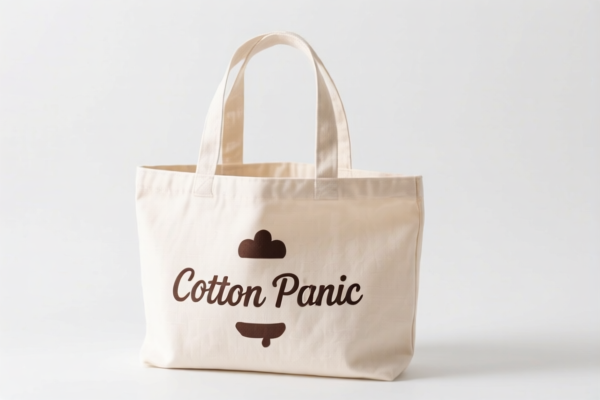
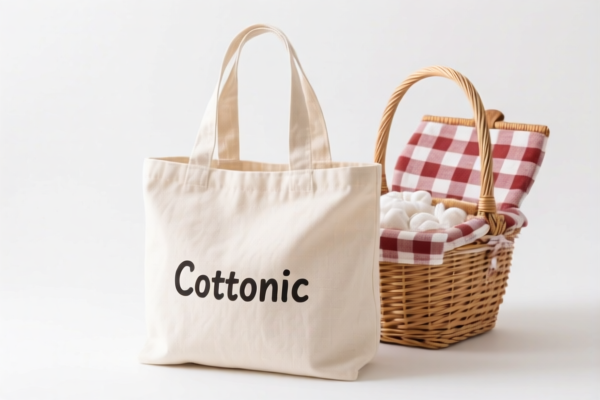
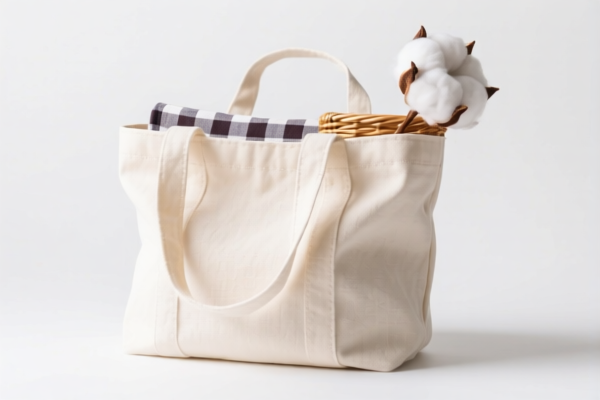
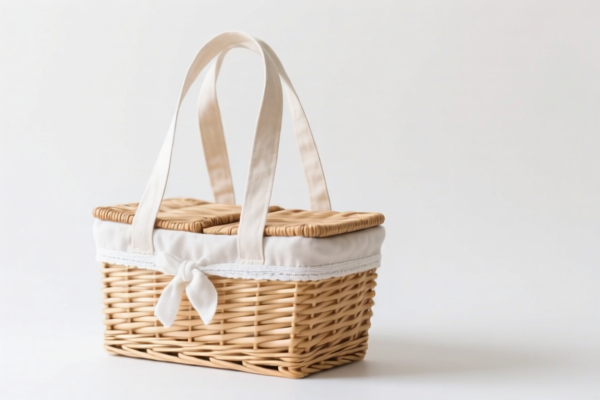
A Cotton Picnic Bag is typically defined in international trade not as a simple tote, but as a specialized accessory designed for outdoor dining. It usually consists of a water-resistant lining (often PVC or PEVA), a carrying handle, and sometimes cutlery compartments, insulated pockets, or foldable trays.
In international trade, it is primarily classified under Chapter 42 (Articles of Leather; Saddle and Harness), not Chapter 63 (Other Made-Up Textile Articles), because it is considered a specialized accessory rather than a general-purpose bag.
⚠️ Key Distinction Point:
- If the bag is made of cotton fabric but includes a plastic/vinyl lining for water resistance and has a specialized structure (insulation, cutlery slots), it is likely 4202.
- If it is a simple plain cotton tote with no special lining or insulation, it falls under 6305 (Sacks) or 6217 (Other Made-Up Clothing Accessories).
- Crucial Note: Most commercial "Picnic Bags" are classified under 4202.92.00 because they are considered "other articles of travel, sports bag or similar container" made with outer surface of textile materials.
📦 Part II: HS Code Classification Details (2026 Latest Tariff Authority Comparison)
| HS Code | Product Description | Application Scenario | Outer Material | Lining/Material |
|---|---|---|---|---|
4202.92.00.00 |
Other articles, with outer surface of textile materials | Standard cotton picnic bags with water-resistant lining, insulated pockets | Cotton Fabric | PVC/PEVA/Vinyl |
6305.33.00.00 |
Sacks and bags, for packaging, of plastics | Simple cotton bags used primarily for packaging goods (not special picnic use) | Cotton/Blend | No special lining |
6217.10.00.00 |
Other made-up clothing accessories | General cotton tote bags, reusable shopping bags (no insulation/waterproofing) | Cotton | None/Basic |
6306.22.00.00 |
Tarpaulins, tents, awnings and sunblinds... | If the "bag" is actually a large waterproof cover/tarp | Cotton | Heavy Vinyl |
🔍 Key Reminder:
- The presence of a water-resistant lining (PVC/PEVA) is the deciding factor. If present, it strongly points to 4202.92.00.00.
- The term "Picnic Bag" implies a specialized function, supporting classification under Chapter 42 as an article of travel/outdoor use.
- If the bag is made of 100% cotton with no lining (breathable only), it may be classified under 6217.10.00.00 (other made-up clothing accessories) or 6305.
💰 Part III: 2026 Latest Tariff Rate Details (Including Surcharge Policies)
✅ Applicable Country: United States (US)
✅ Origin: China (CN)
✅ Effective Date: November 10, 2025 onwards (including subsequent imports)
🎯 1. 4202.92.00.00 —— Other Articles, Outer Surface of Textile Materials
| Item | Content |
|---|---|
| Base Tariff Rate | 0% (ad valorem) |
| USITC Surcharge | +25% (from USITC Footnote 9903.88.01) |
| IEEPA Surcharge | +10% (Against China/HK products, effective Nov 10, 2025) |
| Total Rate | 35% |
| Tax Calculation | CIF Value × 35% |
| De Minimis Eligibility | ❌ Not Eligible (deny_de_minimis) |
| Legal Basis Path | IEEPA:9903.01.25 → IEEPA:9903.01.24 → USITC:4202.92.00.00 → FOOTNOTE:9903.88.01 |
📌 Explanation:
- "USITC Surcharge 25%" is under Section 301 tariffs;
- "IEEPA 10%" is the additional tariff under the International Emergency Economic Powers Act;
- Total 35%, which is a significant cost factor for textile accessories. Must be anticipated in pricing!
🎯 2. 6217.10.00.00 —— Other Made-Up Clothing Accessories (Non-Picnic/Simple Totes)
| Item | Content |
|---|---|
| Base Tariff Rate | 0% |
| USITC Surcharge | +25% |
| IEEPA Surcharge | +10% |
| Total Rate | 35% |
| Tax Calculation | CIF × 35% |
| De Minimis Eligibility | ❌ Not Eligible |
| Legal Basis Path | IEEPA:9901.25 → IEEPA:9903.01.24 → USITC:6217.10.00.00 → FOOTNOTE:9903.88.01 |
📌 Note:
- Even if classified under Chapter 62, the Section 301 and IEEPA surcharges still apply.
- Many exporters mistakenly believe textile goods are exempt from surcharges, but accessories with specialized functions or even simple made-up articles from China are heavily taxed.
🛠️ Part IV: Customs Clearance Practical Advice (Combat Pitfall Guide)
✅ 1. Required Documentation Checklist (All Inevitable)
| Document | Must Provide | Description |
|---|---|---|
| ✅ Product Specification Sheet | ✔️ | Material composition (e.g., 100% Cotton Outer, PEVA Lining), dimensions, weight |
| ✅ Product Photos (Labeled) | ✔️ | Clear view of lining, handles, zippers, and any branding |
| ✅ Commercial Invoice | ✔️ | Description must be precise: "Cotton Picnic Bag with PVC Lining" vs. "Cotton Tote" |
| ✅ Packing List | ✔️ | Net/Gross weight, carton dimensions |
| ✅ Certificate of Origin (CO) | ✔️ | If origin is not China, may claim preferential rates |
✅ 2. Declaration Tips (Key Mantra)
🔥 “Lining Defines Chapter, Origin Defines Tax, Description Defines Risk!”
| Scenario | Correct Declaration | Incorrect Practice |
|---|---|---|
| Picnic Bag with Waterproof Lining | 4202.92.00.00 |
Misdeclare as "Cotton Bag" → 35% |
| Simple Cotton Tote (No Lining) | 6217.10.00.00 |
Misdeclare as "Picnic Bag" → 35% (same rate, but risk of audit) |
| Bag with Cutlery/Insulation | 4202.92.00.00 |
Split declaration → Each item taxed separately (high risk) |
| Textile Shopping Bag | 6217.10.00.00 |
Use generic "Bag" → Customs may reclassify to 4202 |
✅ 3. Special Case Handling
| Scenario | Handling Advice |
|---|---|
| OEM Custom Picnic Bags | Provide design drawings + material list to prove Chapter 42 classification |
| Bag Includes Cutlery Set | Declare together as a set if essential to function, otherwise split |
| Bag Made of Recycled Cotton | Provide recycling certification if claiming "Eco-Friendly" labels (no tariff benefit, but marketing value) |
| Small Sample Shipments | Still subject to 35% tariff; do not rely on de minimis for China-origin goods |
🌍 Part V: Global Market Customs Comparison (2026 Latest)
| Country/Region | Recommended HS Code | Tariff Rate | Certification Required | Remarks |
|---|---|---|---|---|
| 🇺🇸 USA | 4202.92.00.00 |
35% (China Origin) | None specific | High tariff due to Section 301 + IEEPA |
| 🇨🇳 China | 4202.92.00.00 |
0-10% | None | Import duty low, but VAT applies |
| 🇪🇺 EU | 4202.92.00.00 |
0-12% | REACH Compliance | No surcharges if not subject to anti-dumping |
| 🇦🇺 Australia | 4202.92.00.00 |
5% | Wool Industry Regulations (if applicable) | No IEEPA/301 equivalent |
| 🇯🇵 Japan | 4202.92.00.00 |
0-10% | None | CEPT agreement may apply |
📌 Conclusion:
- USA remains the most expensive market for cotton picnic bags due to 35% total tariffs.
- EU/Australia/Japan offer more favorable rates, but require environmental/chemical compliance (REACH, etc.).
- China-origin goods face uniformly high tariffs in the US, regardless of chapter (42 or 62).
📌 Part VI: Common Mistakes & Pitfall Guide (Blood Tears Lessons)
❌ Mistake 1: Declaring "Cotton Picnic Bag" as "Plastic Bag" to avoid textile tariffs
👉 Consequence: Customs inspects, finds cotton outer → Penalty + Retention
❌ Mistake 2: Splitting "Bag + Cutlery" into separate shipments to reduce value
👉 Consequence: Customs treats as single transaction → Full tariff on total value + suspicion of fraud
❌ Mistake 3: Ignoring the lining material
👉 Consequence: Misclassification from 4202 to 6305 → Audit risk + Back Taxes
❌ Mistake 4: Assuming "De Minimis" applies to China-origin goods
👉 Consequence: 35% tax still applies under $800 threshold for China origin → Unexpected costs
✅ Correct Practice:
“Cotton Picnic Bag, 100% Cotton Outer, PEVA Lining, Insulated, with Handle, Model XYZ, For Outdoor Use”
🎯 Part VII: Conclusion: Professional Declaration Saves Money!
🎯 Remember the Mantra:
🔹 “Lining is Key, Origin is King, Section 301 Kills Profit!”
🔹 “35% Tax on China Cotton Bags, Declare Right or Pay Twice!”
📌 Pro Tip:
If your picnic bags are originally from Vietnam, Indonesia, or Malaysia, you may apply for IEEPA Exemption, with rates as low as 0%-5%.
Recommend Advance Ruling Application before bulk shipment to avoid clearance delays.
📣 Immediate Action:
📞 Contact Professional Broker + Provide Material Samples + Apply for HS Code Advance Ruling
🚀 Let your Cotton Picnic Bags Pass Clearance Smoothly, Maximize Profit, and Expand Global Sales!
✨ Professional Customs Clearance Starts with Accurate Classification!
💼 Every Cent of Cost Deserves Precise Calculation!
Customer Reviews
About HS Code Classification
The Harmonized System (HS) is an internationally standardized nomenclature developed by the World Customs Organization (WCO) to classify traded products. Over 200 countries use the HS system as the basis for customs tariffs, trade statistics, and import/export regulations.
Each HS code follows a hierarchical structure:
- Chapter (2 digits) — Broad category of goods (e.g., Chapter 84: Machinery and Mechanical Appliances)
- Heading (4 digits) — More specific grouping within the chapter
- Subheading (6 digits) — Internationally standardized breakdown, used by all WCO member countries
- National subdivisions (8-10 digits) — Country-specific extensions for further classification, such as US HTSUS 10-digit codes
Correct HS code classification is essential for smooth customs clearance, accurate duty payment, and compliance with trade regulations. Misclassification can lead to customs delays, overpayment of duties, or penalties.
When importing from CN to US, the applicable tariff rates may include:
- Most-Favored-Nation (MFN) rate — The standard duty rate applied to WTO members
- General rate — Applied to countries without trade agreements
- Trade remedy duties — Additional tariffs such as Section 301 (anti-dumping), Section 232 (national security), or countervailing duties
The information provided on this page is for reference purposes only. For official classification, please consult with your local customs authority or a licensed customs broker.