Cotton Plain Woven Fabric
CN → US| HS Code | Tariff Rate | Origin | Destination | Doc |
|---|---|---|---|---|
| 5209210050 | 42.7% | CN | US | Official Doc |
| 5209110050 | 41.5% | CN | US | Official Doc |
| 5208112020 | 42.0% | CN | US | Official Doc |
| 5208114020 | 44.0% | CN | US | Official Doc |
Product Images
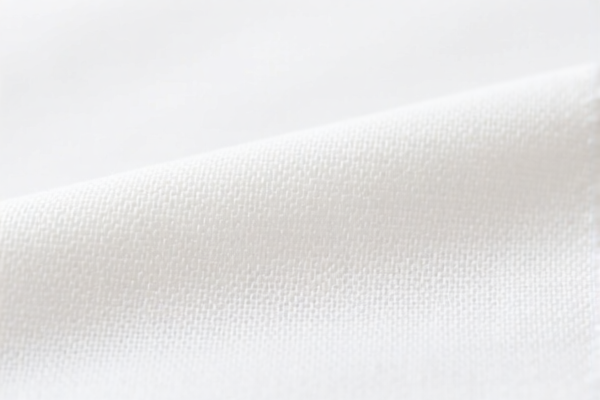
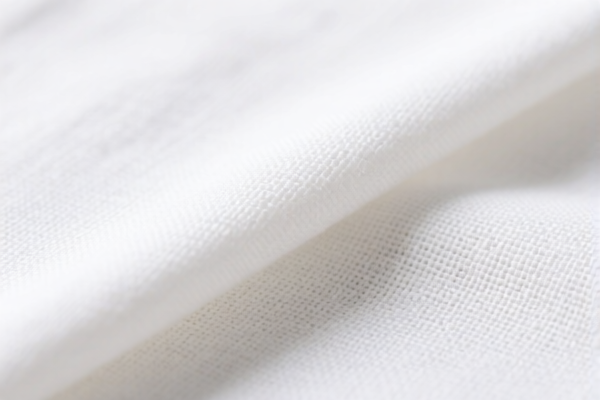
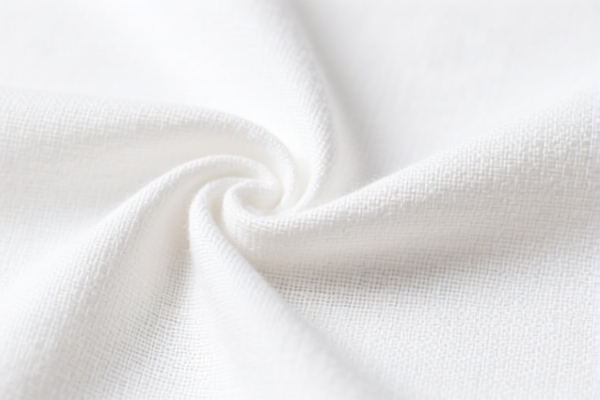
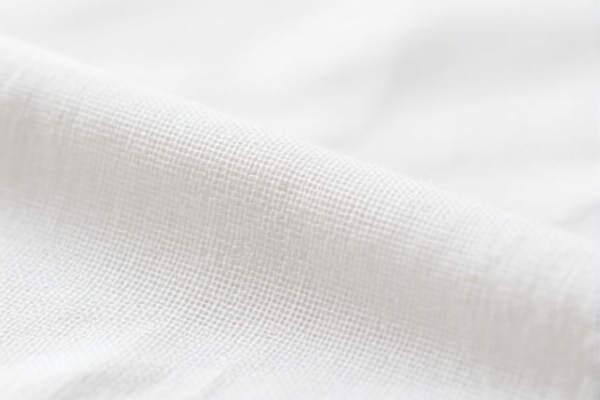
AI Analysis
🧵 Cotton Plain Woven Fabric (Cotton Machined Textile)
🌐 HS Code Reference & Customs Clearance Guide | 2026 Latest Tariff Analysis | Professional Entry Strategy
📌 I. Product Definition & Classification: Understanding "Cotton Plain Woven Fabric"
Cotton plain woven fabric is a fundamental textile product characterized by its plain weave structure (one warp thread over, one weft thread under) and high cotton content. In international trade, it is primarily classified under Chapter 52 (Cotton) based on two critical factors: 1. Material Composition: The cotton content must be 85% or higher to fall under heading 5208 (Woven fabrics of cotton, containing >= 85% by weight of cotton). 2. Weave Structure: Must be "plain weave" (not twill, satin, or other complex weaves).
⚠️ Key Distinction:
- If cotton content is < 85% (e.g., 60% cotton/40% polyester blend), it moves to Chapter 55 or 5209/5211 depending on specific blend rules.
- If cotton content is >= 85%, it strictly falls under Chapter 5208.
📦 II. HS Code Classification Details (2026 Latest Tariff Authority Match)
Based on the provided data, the correct HS codes for "Cotton Plain Woven Fabric" are derived from Heading 5208. The differences between the codes lie in the sub-classification by weight and weave type within the "Plain Weave" category.
| HS Code | Product Description | Application Scenario | Key Attribute Match |
|---|---|---|---|
5209.21.00.50 |
Woven fabrics of cotton, containing >= 85% cotton, by weight; plain weave; weighing <= 200 g/m² | Lightweight plain weave cotton (e.g., voile, lawn) | ✅ Matches "Cotton Material & Fabric Morphology" |
5209.11.00.50 |
Woven fabrics of cotton, containing >= 85% cotton, by weight; plain weave; dyed | Dyed plain weave cotton (weight unspecified in summary, but fits basic cotton attributes) | ✅ Matches "Basic Cotton Fabric Attributes" |
5208.11.20.20 |
Woven fabrics of cotton, containing >= 85% cotton, by weight; plain weave; unbleached or bleached (specific sub-cat) | Unbleached/Bleached plain weave (Weight: usually <= 200g/m² or specific variant) | ✅ Matches "Cotton >=85%, Plain Weave" |
5208.11.40.20 |
Woven fabrics of cotton, containing >= 85% cotton, by weight; plain weave; unbleached or bleached (heavier/spec variant) | Heavier or specific unbleached plain weave | ✅ Matches "Cotton >=85%, Plain Weave, No Material Conflict" |
🔍 Important Note:
- All listed codes belong to Chapter 5208 or 5209, which govern woven fabrics of cotton containing >= 85% by weight of cotton.
- "Plain Weave" is the decisive factor. If the fabric is twill or satin, these codes are invalid.
- The difference between5208and5209often relates to fabric weight or coloring process (e.g., unbleached/dyed vs. printed), which determines the final 10-digit subheading.
💰 III. 2026 Latest Tariff Rate Breakdown (Including Surcharges & Policy Add-ons)
✅ Applicable Country: United States (US)
✅ Origin: China (CN)
✅ Effective Time: Post-2025 (Includes Section 301 & IEEPA measures)
🎯 1. General Tariff Structure for Cotton Woven Fabrics (CN Origin)
All four HS codes listed share a similar tax structure due to their origin and material type.
| Item | Content |
|---|---|
| Base Tariff Rate | 6.5% - 9.0% (Ad Valorem, varies by specific subheading) |
| Section 301 Surcharge (Added Tariff) | +25% |
| Section 122 Tariff (Specific Add-on) | +10% |
| Total Effective Tax Rate | 41.5% - 44.0% |
| Tax Calculation Base | CIF Value (Cost, Insurance, Freight) × Total Rate |
| De Minimis Exemption | ❌ Not Applicable (Textiles from China are excluded from de minimis relief) |
| Legal Basis Path | USITC:5208/5209 → Section 301: Footnote 9903.88.01 → Section 122: IEEPA Add-on |
📌 Explanation:
- "Base Tariff (6.5%-9.0%)": The standard Most Favored Nation (MFN) rate for cotton woven fabrics.
- "Added Tariff 25%": Refers to Section 301 Tariffs imposed on Chinese goods, which includes textiles.
- "122 Clause Tariff 10%": Refers to additional duties under Section 122 of the Trade Expansion Act of 1962 (National Security), applied to certain Chinese imports.
- Total Rate: Ranges from 41.5% (5209.11.00.50) to 44.0% (5208.11.40.20).
🎯 2. Detailed Breakdown by HS Code
| HS Code | Base Tariff | Section 301 (25%) | Section 122 (10%) | Total Tax | Summary Match |
|---|---|---|---|---|---|
5209.21.00.50 |
7.7% | 25.0% | 10.0% | 42.7% | Matches Cotton Material & Fabric Morphology |
5209.11.00.50 |
6.5% | 25.0% | 10.0% | 41.5% | Matches Basic Cotton Fabric Attributes |
5208.11.20.20 |
7.0% | 25.0% | 10.0% | 42.0% | Cotton >=85%, Plain Weave |
5208.11.40.20 |
9.0% | 25.0% | 10.0% | 44.0% | Cotton >=85%, Plain Weave, No Conflict |
📌 Key Takeaway:
- The lowest effective rate is 41.5% for5209.11.00.50.
- The highest effective rate is 44.0% for5208.11.40.20.
- All rates are high, reflecting the punitive trade policies on Chinese textiles.
🛠️ IV. Customs Clearance Practical Advice (Real-World Pitfall Avoidance)
✅ 1. Preparation Checklist (Mandatory Documents)
| Document | Required | Explanation |
|---|---|---|
| ✅ Product Specification Sheet | ✔️ | Must state: Cotton Content (e.g., 99%), Weave Type (Plain), Weight (g/m²), Width, Color (Dyed/Unbleached) |
| ✅ Fabric Swatch/Photo | ✔️ | Visual proof of plain weave structure |
| ✅ Commercial Invoice | ✔️ | Must explicitly describe as "Cotton Woven Fabric, Plain Weave, >=85% Cotton" |
| ✅ Bill of Lading | ✔️ | Match quantity and description |
| ✅ Country of Origin Certificate | ✔️ | If claimed as non-CN origin, but usually CN for this context |
✅ 2. Declaration Tips (Crucial Mnemonic)
🔥 "Cotton >=85%? Check 5208/5209. Plain Weave? Confirm Structure. Origin CN? Expect 40%+ Tax!"
| Scenario | Correct Declaration | Wrong Declaration |
|---|---|---|
| Cotton Fabric (90% Cotton, Plain Weave) | HS: 5208.11.xxxxxx |
HS: 5209.xxxxxx (if weight/color doesn't match) |
| Cotton Blend (60% Cotton, 40% Poly) | HS: 5512.11xxxxx (Chapter 55) |
HS: 5208... (Incorrect - cotton <85%) |
| Silk-Cotton Blend | HS: 5007... or 5208... (if cotton >=85%) |
HS: 5007... (Incorrect if cotton dominates) |
| Knitted Cotton Fabric | HS: 6006.21xxxxx (Chapter 60) |
HS: 5208... (Incorrect - not woven) |
✅ 3. Special Considerations
| Situation | Handling Advice |
|---|---|
| OEM Custom Fabric | Provide customer design specs + material breakdown to prove cotton content and weave |
| Pre-shipment Inspection | Ensure Cotton Content is tested and certified. If actual cotton is <85%, reclassification is needed |
| Mixed Containers | If mixed with non-cotton goods, ensure separate invoicing to avoid misclassification of the whole shipment |
| Tariff Engineering | Consider if unbleached vs. dyed affects the specific 10-digit code. Some subcodes may have slightly different base rates, but the 301/122 surcharges remain |
🌍 V. Global Market Comparison (2026 Latest)
| Country/Region | Recommended HS Code | Tariff (CN Origin) | Certification Requirements | Notes |
|---|---|---|---|---|
| 🇺🇸 USA | 5208.xxxxxxxx or 5209.xxxxxxxx |
41.5% - 44.0% | None specific, but CBP strict on cotton content | High punitive tariffs |
| 🇨🇳 China | 5208.11... |
~7-9% (Import) | GB Standards | Low duty for imports |
| 🇪🇺 EU | 5208.11... |
~4-12% (Varies) | OEKO-TEX (Recommended) | No Section 301/122 equivalents |
| 🇯🇵 Japan | 5208.11... |
~3-8% | JIS Standards | No major punitive tariffs |
📌 Conclusion:
- USA has the highest cost due to Section 301 (25%) and Section 122 (10%) surcharges.
- Total tax >40% makes US-bound cotton fabric from China less competitive.
- Supply Chain Strategy: Consider sourcing from Vietnam, Bangladesh, or India to avoid these specific Chinese-origin surcharges.
📌 VI. Common Errors & Pitfall Guide (Lessons Learned)
❌ Error 1: Declaring "Cotton Fabric" without specifying "Woven" or "Plain Weave"
👉 Consequence: Customs may classify as knitted (Chapter 60) or blended, leading to delay and re-inspection.
❌ Error 2: Ignoring Cotton Content Threshold
👉 Consequence: If cotton is 84%, it falls under Chapter 55 (Synthetic Fibers), not 52. Misclassification leads to penalties.
❌ Error 3: Not accounting for Section 122 Tariff
👉 Consequence: Budgeting only for 25% (Section 301) when the real cost is 40%+. Cash flow crisis!
❌ Error 4: Confusing 5208 and 5209
👉 Consequence: 5208 is typically for fabrics <= 200 g/m² or unbleached/bleached; 5209 is for > 200 g/m² or dyed/print. Wrong code = Wrong Base Tariff.
✅ Correct Action:
"100% Cotton, Plain Weave, Unbleached, Weight 150g/m², Width 60", Made in China"
HS Code:5208.11.20.20(or similar 10-digit match)
Tax: ~42.0%
🎯 VII. Conclusion: Precision in Classification, Savings in Cost
🎯 Remember the Mnemonic:
🔹 "Cotton >=85%? Go to 5208/5209. Plain Weave? Lock the Code. CN Origin? Add 35% Surcharge. Plan Ahead!"
🔹 "HS Code determines your fate. A 1% difference in base rate vs. 35% in surcharges is huge!"
📌 Pro Tip:
- If your cotton fabric is < 85% cotton, check Chapter 55.
- If Knitted, check Chapter 60.
- For US Imports, always calculate Base Tariff + 25% (301) + 10% (122).
📣 Immediate Action:
📞 Consult a licensed customs broker for Advance Ruling on specific fabric weight/weave.
🚀 Optimize your supply chain by evaluating non-CN origins to mitigate high tariff risks.
✨ Professional Clearance Starts with Accurate Classification!
💼 Every percentage point counts in global trade!
Customer Reviews
About HS Code Classification
The Harmonized System (HS) is an internationally standardized nomenclature developed by the World Customs Organization (WCO) to classify traded products. Over 200 countries use the HS system as the basis for customs tariffs, trade statistics, and import/export regulations.
Each HS code follows a hierarchical structure:
- Chapter (2 digits) — Broad category of goods (e.g., Chapter 84: Machinery and Mechanical Appliances)
- Heading (4 digits) — More specific grouping within the chapter
- Subheading (6 digits) — Internationally standardized breakdown, used by all WCO member countries
- National subdivisions (8-10 digits) — Country-specific extensions for further classification, such as US HTSUS 10-digit codes
Correct HS code classification is essential for smooth customs clearance, accurate duty payment, and compliance with trade regulations. Misclassification can lead to customs delays, overpayment of duties, or penalties.
When importing from CN to US, the applicable tariff rates may include:
- Most-Favored-Nation (MFN) rate — The standard duty rate applied to WTO members
- General rate — Applied to countries without trade agreements
- Trade remedy duties — Additional tariffs such as Section 301 (anti-dumping), Section 232 (national security), or countervailing duties
The information provided on this page is for reference purposes only. For official classification, please consult with your local customs authority or a licensed customs broker.