Cotton Polka Dot Handbags
CN → US| HS Code | Tariff Rate | Origin | Destination | Doc |
|---|---|---|---|---|
| 4202228930 | 52.6% | CN | US | Official Doc |
| 4202929336 | 52.6% | CN | US | Official Doc |
| 6307909891 | 24.5% | CN | US | Official Doc |
| 6307908940 | 17.0% | CN | US | Official Doc |
| 6305200000 | 23.7% | CN | US | Official Doc |
| 4202224020 | 42.4% | CN | US | Official Doc |
Product Images
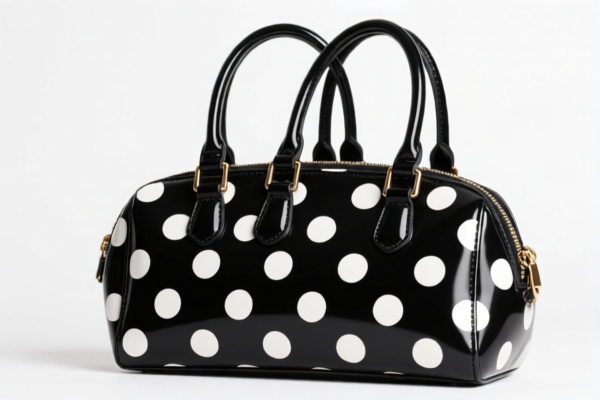
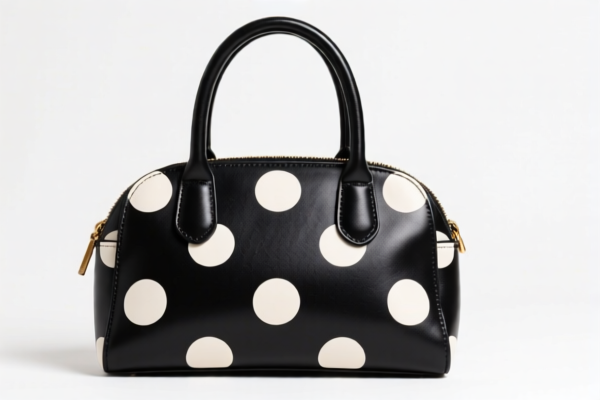
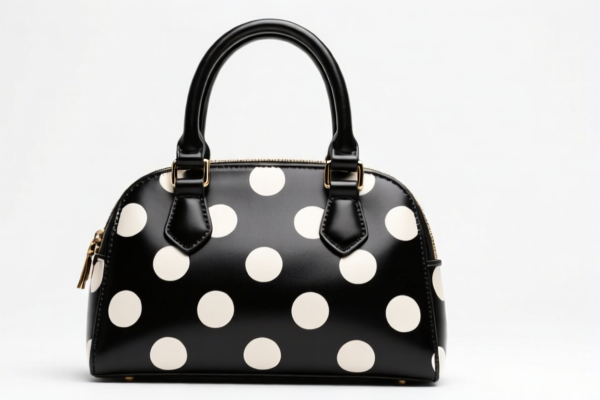
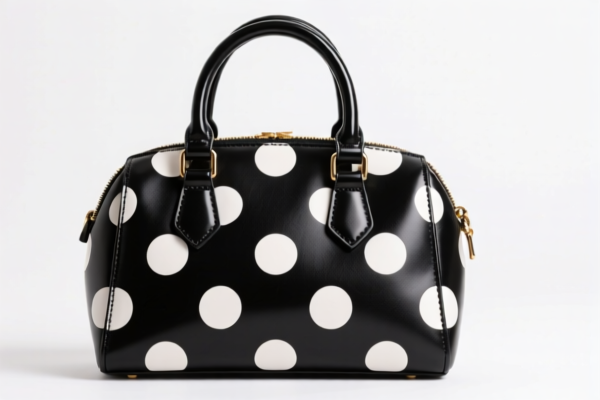
AI Analysis
🎒 Cotton Polka Dot Handbags: The Ultimate HS Code & Customs Clearance Guide
🌐 HS Code Reference & Customs Strategy | 2026 Tariff Analysis | Expert Clearance Protocol
📌 1. Product Definition: What Exactly Is a "Cotton Polka Dot Handbag"?
Cotton Polka Dot Handbags are fashion accessories primarily composed of cotton textile materials. In international trade, they fall under Chapter 42 (Articles of Leather; Saddle Harnesses...) or Chapter 63 (Other Made Up Textile Articles) depending on specific material composition and construction.
The key classification dilemma lies in: 1. Material Composition: Is it >85% cotton? Is it mixed with other fibers? 2. Function: Is it strictly a "bag with outer surface of textile materials" (Ch. 42) or a general "made up textile article" (Ch. 63)? 3. Specific Exclusions: Does it fall under specific subheadings for handbags vs. other containers?
⚠️ Critical Distinction:
- If the outer surface is entirely textile (cotton) and it functions as a handbag → Typically Chapter 42.
- If classified as a general "made up article" without specific handbag designation or if material definitions vary → Chapter 63.
- Misclassification can lead to massive tariff differences (from 17% to 52.6%!).
📦 2. HS Code Classification Matrix (2026 Latest Tariff Schedule)
Based on the provided data for "Cotton Polka Dot Handbags", here are the 6 possible HS Code classifications, their summaries, and tax implications:
| HS Code | Product Description / Summary | Material/Category | Total Tax Rate |
|---|---|---|---|
4202.22.89.30 |
Cotton Handbag (Polka Dot), Material: Cotton, Complies with textile & cotton requirements | Cotton Handbag | 52.6% |
4202.92.93.36 |
Cotton Handbag (Polka Dot), Outer Surface: Other Containers of Textile Materials, Silk <15% | Textile Container (Non-Silk >85%) | 52.6% |
6307.90.98.91 |
Cotton Handbag (Polka Dot), Other Made Up Articles, Material: Cotton, No Conflict | Other Made Up Article | 24.5% |
6307.90.89.40 |
Cotton Handbag (Polka Dot), Material: Cotton, Fits Other Products Category | Other Made Up Article | 17.0% |
6305.20.00.00 |
100% Cotton Fabric Handbag, Form: Bag, Material: Cotton, Complies with Classification | Cotton Bag | 23.7% |
4202.22.40.20 |
100% Cotton Fabric Handbag, Outer Surface: Textile Materials, Made of Cotton | Textile Handbag | 42.4% |
🔍 Key Insight:
- Highest Risk:4202.22.89.30&4202.92.93.36at 52.6%. These are classified as "Handbags" under Chapter 42 with heavy surcharges.
- Lowest Risk:6307.90.89.40at 17.0%. Classified as a general "Other Made Up Article" under Chapter 63.
- Middle Ground:6305.20.00.00(23.7%) and4202.22.40.20(42.4%) offer alternative classifications depending on precise manufacturing details.
💰 3. 2026 Tariff Rate Breakdown (Including Surcharges & Policy Add-ons)
✅ Applicable Country: United States (US)
✅ Origin: China (CN)
✅ Effective Date: 2025-11-10 onwards
🎯 1. 4202.22.89.30 & 4202.92.93.36 — High-Risk Handbag Classifications
| Item | Detail |
|---|---|
| Base Tariff | 17.6% |
| Section 301 Surcharge | 25.0% |
| Section 122 Tariff | 10.0% |
| Total Effective Rate | 52.6% |
| Calculation | CIF Value × 52.6% |
| De Minimis Exemption? | ❌ No |
| Legal Path | Base Tariff → Section 301 → Section 122 |
📌 Explanation:
- These codes classify the item specifically as a handbag under Chapter 42.
- The 25% Section 301 tariff applies to most Chinese-origin goods.
- The 10% Section 122 tariff is an additional surcharge applied to certain textile/apparel items.
- Total: 52.6% — This is a high-cost scenario. Avoid if possible.
🎯 2. 4202.22.40.20 — 100% Cotton Handbag (Textile Outer)
| Item | Detail |
|---|---|
| Base Tariff | 7.4% |
| Section 301 Surcharge | 25.0% |
| Section 122 Tariff | 10.0% |
| Total Effective Rate | 42.4% |
| Calculation | CIF Value × 42.4% |
| De Minimis Exemption? | ❌ No |
| Legal Path | Base Tariff → Section 301 → Section 122 |
📌 Explanation:
- Still under Chapter 42 (Handbags), but the base rate is lower (7.4% vs. 17.6%).
- However, the 25% + 10% surcharges still apply, resulting in 42.4%.
- Significant savings compared to 52.6%, but still costly.
🎯 3. 6307.90.98.91 — Other Made Up Textile Articles
| Item | Detail |
|---|---|
| Base Tariff | 7.0% |
| Section 301 Surcharge | 7.5% |
| Section 122 Tariff | 10.0% |
| Total Effective Rate | 24.5% |
| Calculation | CIF Value × 24.5% |
| De Minimis Exemption? | ❌ No |
| Legal Path | Base Tariff → Section 301 (reduced rate for Ch. 63) → Section 122 |
📌 Explanation:
- Classified under Chapter 63 (Other Made Up Textile Articles), not Chapter 42.
- Section 301 rate is reduced to 7.5% (vs. 25% for Ch. 42).
- This is a strategic classification if the product can be argued as a "general textile article" rather than a "handbag."
🎯 4. 6305.20.00.00 — 100% Cotton Fabric Bag
| Item | Detail |
|---|---|
| Base Tariff | 6.2% |
| Section 301 Surcharge | 7.5% |
| Section 122 Tariff | 10.0% |
| Total Effective Rate | 23.7% |
| Calculation | CIF Value × 23.7% |
| De Minimis Exemption? | ❌ No |
| Legal Path | Base Tariff → Section 301 → Section 122 |
📌 Explanation:
- Specifically for cotton fabric bags.
- Very competitive rate at 23.7%.
- Must ensure the product is strictly "fabric bag" and not a structured "handbag."
🎯 5. 6307.90.89.40 — Lowest Risk Classification
| Item | Detail |
|---|---|
| Base Tariff | 7.0% |
| Section 301 Surcharge | 0.0% |
| Section 122 Tariff | 10.0% |
| Total Effective Rate | 17.0% |
| Calculation | CIF Value × 17.0% |
| De Minimis Exemption? | ❌ No |
| Legal Path | Base Tariff → No Section 301 → Section 122 |
📌 Explanation:
- This is the optimal classification for cost savings.
- No Section 301 surcharge (0%) applies to this specific subheading.
- Only base tariff (7.0%) + Section 122 (10%) = 17.0%.
- Crucial: This requires the product to be classified under this specific "Other Products" category in Chapter 63, not as a handbag in Chapter 42.
🛠️ 4. Customs Clearance Practical Advice (Pitfall Avoidance Guide)
✅ 1. Preparation Checklist (Essential Documents)
| Document | Required? | Notes |
|---|---|---|
| ✅ Product Specifications | ✔️ | Must detail: 100% Cotton, Polka Dot Pattern, Lining Material, Closure Type. |
| ✅ Material Composition Certificate | ✔️ | Proof that outer surface is ≥85% Cotton (or 100% Cotton). |
| ✅ Product Photos (Clear) | ✔️ | Show handle structure, lining, and overall form to argue "bag" vs. "handbag." |
| ✅ Commercial Invoice | ✔️ | Use precise description: "Cotton Textile Bag, Polka Dot Design" (Avoid "Handbag" if aiming for Ch. 63). |
| ✅ Packing List | ✔️ | Detail items per box. |
| ✅ Origin Certificate (CO) | ✔️ | Required for US Customs to assess Section 301/122 applicability. |
✅ 2. Declaration Strategy (Key Tips)
🔥 "Choose Chapter 63, Not 42! Save 35% in Tariffs!"
| Scenario | Recommended HS Code | Tax Rate | Why? |
|---|---|---|---|
| Structured Handbag (Rigid, handles, branded) | 4202.22.89.30 |
52.6% | Hard to avoid if clearly a "handbag." |
| Soft Tote/Bucket Bag (Flexible, fabric-heavy) | 6307.90.89.40 |
17.0% | Argue as "Other Made Up Textile Article." |
| Simple Cotton Bag (No handles, or simple drawstring) | 6305.20.00.00 |
23.7% | Classified as "Fabric Bag." |
| Intermediate Case (Cotton, textile outer) | 6307.90.98.91 |
24.5% | Fallback if 17% is too aggressive. |
📌 Declaration Tip:
- If you declare as "Handbag" (Ch. 42), expect 42.4% - 52.6%.
- If you declare as "Textile Bag/Article" (Ch. 63), expect 17.0% - 24.5%.
- Recommendation: Aim for6307.90.89.40(17.0%) by emphasizing the product’s nature as a general textile container rather than a luxury/structured handbag.
✅ 3. Special Cases & Warnings
| Situation | Action |
|---|---|
| Polka Dot Pattern | Ensure pattern is printed/embroidered, not embedded. This supports "textile article" classification. |
| Lining Material | If lining is not cotton, it may affect "100% Cotton" claims. Use 6307.90.89.40 if mixed. |
| Brand/Logo | Heavy branding may push customs toward "Handbag" (Ch. 42). Use neutral branding for Ch. 63 classification. |
| Section 122 Tariff | Note: 10% surcharge applies to almost all Ch. 63 textile goods from China. Even the best rate (17%) includes this. |
🌍 5. Global Market Comparison (2026)
| Market | Recommended HS Code | Tariff Estimate | Notes |
|---|---|---|---|
| 🇺🇸 USA | 6307.90.89.40 |
17.0% | Best rate; avoids Section 301. |
| 🇺🇸 USA | 4202.22.89.30 |
52.6% | Worst case; "Handbag" classification. |
| 🇪🇺 EU | 4202.22.00 |
~6-10% | No Section 301/122. Lower base rates. |
| 🇨🇳 China | 4202.22.00 |
~10-15% | Import duties for re-export. |
| 🇬🇧 UK | 4202.22.00 |
~6-10% | Post-Brexit tariffs. |
📌 Conclusion:
- USA is the most challenging market due to Section 301 and Section 122 tariffs.
- Strategic classification is critical: Moving from Ch. 42 to Ch. 63 can save ~35-36% in duties.
📌 6. Common Errors & Pitfalls (Learn from Mistakes)
❌ Error 1: Declaring as "Handbag" when it’s a "Textile Bag"
👉 Consequence: Tax jumps from 17% to 52.6%. Loss: ~35.6% of value.
❌ Error 2: Ignoring Section 122 Tariff
👉 Consequence: Even at 17% base, the 10% surcharge is unavoidable for Ch. 63. Must budget for it.
❌ Error 3: Inconsistent Material Declarations
👉 Consequence: If invoice says "Cotton" but packing list says "Polyester Lining," customs may reclassify to a higher tariff rate.
✅ Correct Approach:
Declare as: "Cotton Textile Bag, Polka Dot, Made Up Article, Outer Surface: Cotton, Lining: [Material]"
HS Code:6307.90.89.40
Tax: 17.0%
🎯 7. Conclusion: Professional Declaration, Maximize Profit!
🎯 Key Takeaway:
🔹 "Chapter 63 vs. Chapter 42: The 35% Difference!"
🔹 "Avoid 'Handbag' label if possible; use 'Textile Bag' or 'Made Up Article'."
🔹 "Section 122 (10%) is unavoidable, but Section 301 (25%) is avoidable by choosing the right HS Code."
📌 Pro Tip:
- Apply for Pre-Classification: Submit product details to US Customs for a Binding Ruling if the product is ambiguous.
- Supplier Communication: Ensure your factory provides accurate material certs to support Ch. 63 classification.
- Cost Calculation: Always factor in 17% (best case) or 42-52% (worst case) for US duties when pricing your Cotton Polka Dot Handbags.
📣 Immediate Action:
📞 Contact Your Freight Forwarder: Provide product photos and ask for HS Code Pre-Confirmation.
📝 Update Your Invoice: Use precise descriptions to support the lower-tax classification.
🚀 Optimize Your Supply Chain: If 17% is not achievable, explore sourcing from non-China origins to avoid Section 301.
✨ Customs Clearance Starts with Accurate Classification!
💼 Every Percent Saved is Pure Profit!
Customer Reviews
About HS Code Classification
The Harmonized System (HS) is an internationally standardized nomenclature developed by the World Customs Organization (WCO) to classify traded products. Over 200 countries use the HS system as the basis for customs tariffs, trade statistics, and import/export regulations.
Each HS code follows a hierarchical structure:
- Chapter (2 digits) — Broad category of goods (e.g., Chapter 84: Machinery and Mechanical Appliances)
- Heading (4 digits) — More specific grouping within the chapter
- Subheading (6 digits) — Internationally standardized breakdown, used by all WCO member countries
- National subdivisions (8-10 digits) — Country-specific extensions for further classification, such as US HTSUS 10-digit codes
Correct HS code classification is essential for smooth customs clearance, accurate duty payment, and compliance with trade regulations. Misclassification can lead to customs delays, overpayment of duties, or penalties.
When importing from CN to US, the applicable tariff rates may include:
- Most-Favored-Nation (MFN) rate — The standard duty rate applied to WTO members
- General rate — Applied to countries without trade agreements
- Trade remedy duties — Additional tariffs such as Section 301 (anti-dumping), Section 232 (national security), or countervailing duties
The information provided on this page is for reference purposes only. For official classification, please consult with your local customs authority or a licensed customs broker.