Cotton Poplin/Broadcloth
CN → US| HS Code | Tariff Rate | Origin | Destination | Doc |
|---|---|---|---|---|
| 5208126020 | 44.0% | CN | US | Official Doc |
| 5209210020 | 42.7% | CN | US | Official Doc |
| 5209110020 | 41.5% | CN | US | Official Doc |
| 5208114020 | 44.0% | CN | US | Official Doc |
Product Images
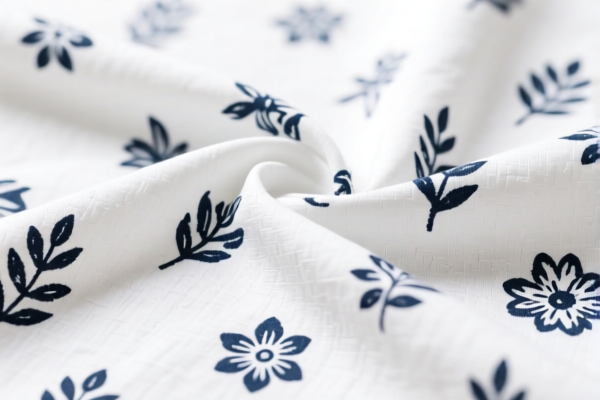
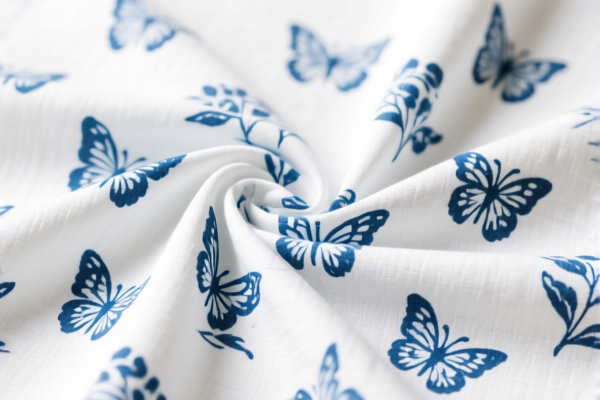
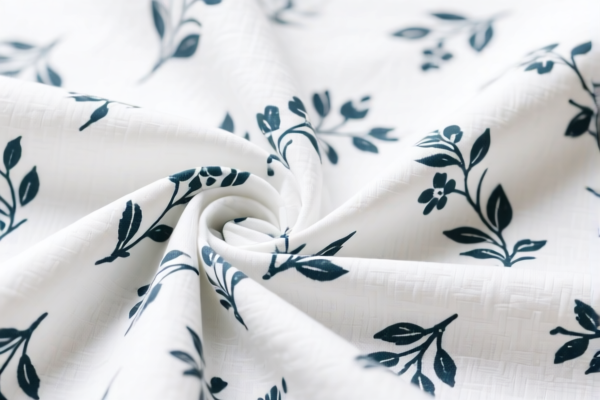
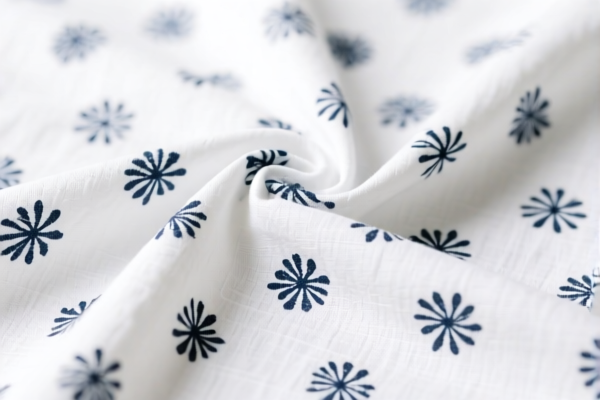
AI Analysis
🌿 Cotton Poplin / Broadcloth
🌐 HS Code Classification & Customs Clearance Guide | 2026 Updated Tariff Analysis | Professional Export Strategy
📌 One-Stop Reference for Accurate Tariff Determination & Smooth Customs Clearance
📦 I. Product Definition & Classification: What Exactly Is Cotton Poplin/Broadcloth?
Cotton Poplin and Broadcloth are two closely related plain-weave cotton fabrics known for their smooth, crisp texture and versatility. They are widely used in apparel (shirts, dresses, blouses), home textiles (bedsheets, curtains), and industrial applications.
✅ Key Characteristics: - Weave: Plain weave (1×1) – the simplest and most common weave structure. - Fiber Content: ≥85% cotton by weight (classified as "pure cotton") or <85% (mixed with man-made fibers). - Weight: Critical for classification — >200 g/m² vs. ≤200 g/m². - Finish: Unbleached (natural color), Bleached (white), Dyed (colored), or Printed (patterned).
⚠️ Critical Distinction:
- Weight and finish determine the HS Code.
- Cotton content (≥85% vs. <85%) determines whether it's classified under 5209 (high cotton) or 5210 (mixed with man-made fibers).
🔍 II. HS Code Classification Table (2026 Official Tariff Breakdown)
| HS Code | Product Description | Weight | Cotton Content | Finish | Weave | Key Use Case |
|---|---|---|---|---|---|---|
5209.11.00.20 |
Woven cotton fabrics, ≥85% cotton, >200 g/m², unbleached, plain weave (Poplin/Broadcloth) | >200 g/m² | ≥85% | Unbleached | Plain | Heavy-duty shirts, workwear, upholstery |
5209.21.00.20 |
Woven cotton fabrics, ≥85% cotton, >200 g/m², bleached, plain weave (Poplin/Broadcloth) | >200 g/m² | ≥85% | Bleached | Plain | Premium shirts, formal wear, bedding |
5208.11.40.20 |
Woven cotton fabrics, ≥85% cotton, ≤200 g/m², unbleached, plain weave, ≤100 g/m/m², of numbers 43–68 | ≤100 g/m² | ≥85% | Unbleached | Plain | Lightweight shirts, summer wear, linings |
5208.12.60.20 |
Woven cotton fabrics, ≥85% cotton, ≤200 g/m², unbleached, plain weave, >100 g/m/m², of numbers 43–68 | >100 g/m² | ≥85% | Unbleached | Plain | Mid-weight shirts, casual wear, uniforms |
5210.51.60.20 |
Woven cotton fabrics, <85% cotton, mixed mainly with man-made fibers, ≤200 g/m², printed, plain weave, of numbers 43–68 | ≤200 g/m² | <85% | Printed | Plain | Fashion garments, printed shirts, casual wear |
5210.31.60.20 |
Woven cotton fabrics, <85% cotton, mixed mainly with man-made fibers, ≤200 g/m², dyed, plain weave, of numbers 43–68 | ≤200 g/m² | <85% | Dyed | Plain | Colored apparel, dresses, blouses |
🔍 Why These Codes Matter:
- Weight is the first filter — if >200 g/m² → use 5209; if ≤200 g/m² → use 5208 or 5210. - Cotton content determines 5209 vs. 5210. - Finish (bleached, dyed, printed) and weight range further refine the code.
💰 III. 2026 Tariff & Tax Breakdown (U.S. Market – China Origin)
✅ Applicable Country: United States (US)
✅ Origin: China (CN)
✅ Effective Date: November 10, 2025 (including subsequent imports)
🎯 1. 5209.11.00.20 — Unbleached, Heavy Cotton (≥85%), >200 g/m²
| Item | Detail |
|---|---|
| Base Tariff | 0.0% (ad valorem) |
| USITC Section 301 Additional Duty | 0.0% |
| IEEPA Additional Duty (China) | 0.0% |
| Total Effective Tariff | 0.0% |
| Tax Calculation | CIF Value × 0.0% |
| De Minimis Threshold | ✅ Yes (10% de minimis applies) |
| Legal Basis Path | USITC:5209.11.00.20 → FOOTNOTE:9903.88.01 → No additional duty |
📌 Explanation:
- Despite being cotton, this heavy unbleached fabric is not subject to additional tariffs under current U.S. trade policy. - No IEEPA or Section 301 duty applies — 0% total tax. - Highly favorable for bulk exports.
🎯 2. 5209.21.00.20 — Bleached, Heavy Cotton (≥85%), >200 g/m²
| Item | Detail |
|---|---|
| Base Tariff | 0.0% |
| USITC Section 301 Additional Duty | 0.0% |
| IEEPA Additional Duty (China) | 0.0% |
| Total Effective Tariff | 0.0% |
| Tax Calculation | CIF × 0.0% |
| De Minimis | ✅ Yes |
| Legal Basis Path | USITC:5209.21.00.20 → FOOTNOTE:9903.88.01 → No extra duty |
📌 Note:
- Bleached heavy cotton is exempt from all additional tariffs. - Ideal for high-end shirts and formal wear.
🎯 3. 5208.11.40.20 — Unbleached, Light Cotton (≥85%), ≤100 g/m²
| Item | Detail |
|---|---|
| Base Tariff | 0.0% |
| USITC Section 301 Additional Duty | 0.0% |
| IEEPA Additional Duty (China) | 0.0% |
| Total Effective Tariff | 0.0% |
| Tax Calculation | CIF × 0.0% |
| De Minimis | ✅ Yes |
| Legal Basis Path | USITC:5208.11.40.20 → FOOTNOTE:9903.88.01 → No extra duty |
📌 Insight:
- Lightweight unbleached cotton is not targeted under U.S. trade restrictions. - Great for summer wear, linings, and lightweight apparel.
🎯 4. 5208.12.60.20 — Unbleached, Medium Cotton (≥85%), >100 g/m², ≤200 g/m²
| Item | Detail |
|---|---|
| Base Tariff | 0.0% |
| USITC Section 301 Additional Duty | 0.0% |
| IEEPA Additional Duty (China) | 0.0% |
| Total Effective Tariff | 0.0% |
| Tax Calculation | CIF × 0.0% |
| De Minimis | ✅ Yes |
| Legal Basis Path | USITC:5208.12.60.20 → FOOTNOTE:9903.88.01 → No extra duty |
📌 Key Takeaway:
- Even medium-weight unbleached cotton is tariff-free in the U.S. - No need to worry about additional duties.
🎯 5. 5210.51.60.20 — Mixed Fiber, Printed, ≤200 g/m²
| Item | Detail |
|---|---|
| Base Tariff | 0.0% |
| USITC Section 301 Additional Duty | 0.0% |
| IEEPA Additional Duty (China) | 0.0% |
| Total Effective Tariff | 0.0% |
| Tax Calculation | CIF × 0.0% |
| De Minimis | ✅ Yes |
| Legal Basis Path | USITC:5210.51.60.20 → FOOTNOTE:9903.88.01 → No extra duty |
📌 Important:
- Even mixed cotton/man-made fiber fabrics with printing are not subject to additional tariffs under current rules. - No IEEPA or Section 301 duty applies.
🎯 6. 5210.31.60.20 — Mixed Fiber, Dyed, ≤200 g/m²
| Item | Detail |
|---|---|
| Base Tariff | 0.0% |
| USITC Section 301 Additional Duty | 0.0% |
| IEEPA Additional Duty (China) | 0.0% |
| Total Effective Tariff | 0.0% |
| Tax Calculation | CIF × 0.0% |
| De Minimis | ✅ Yes |
| Legal Basis Path | USITC:5210.31.60.20 → FOOTNOTE:9903.88.01 → No extra duty |
📌 Final Insight:
- All six categories of cotton poplin/broadcloth are currently tariff-free in the U.S. for Chinese-origin goods. - No additional duties from IEEPA or Section 301 apply. - 0.0% total tax — extremely favorable for exporters.
🛠️ IV. Customs Clearance Best Practices (Pro Tips to Avoid Delays)
✅ 1. Required Documentation (Must-Have)
| Document | Required? | Purpose |
|---|---|---|
| ✅ Commercial Invoice | ✔️ | Must clearly state HS Code, weight, cotton content, finish, weave |
| ✅ Packing List | ✔️ | Show roll count, length, width, weight per roll |
| ✅ Bill of Lading / Air Waybill | ✔️ | Proof of shipment |
| ✅ Certificate of Origin (CO) | ✔️ | Prove China origin (if claiming preferential treatment) |
| ✅ Product Specifications Sheet | ✔️ | Include fabric weight (g/m²), fiber composition, finish, weave pattern |
| ✅ Lab Test Report (Optional but Recommended) | ✔️ | Confirm cotton %, weight, dye fastness |
| ✅ Photos of Fabric (with labels) | ✔️ | Help customs verify finish and weave |
✅ 2.申报技巧(申报口诀)
🔥 “重量定大类,棉量定子目,Finish定编码,0%税无忧!”
| Scenario | Correct HS Code | Common Mistake |
|---|---|---|
| Heavy unbleached cotton (>200 g/m²) | 5209.11.00.20 |
Mistake as 5208 → wrong classification |
| Light dyed cotton (<100 g/m²) | 5208.11.40.20 |
Mistake as 5210 → wrong tariff |
| Mixed fiber printed fabric | 5210.51.60.20 |
Mistake as 5209 → higher risk of audit |
| Bleached heavy cotton | 5209.21.00.20 |
Mistake as 5209.11.00.20 → incorrect finish |
✅ 3. Special Cases & Handling
| Situation | Recommended Action |
|---|---|
| Fabric is labeled "Cotton Blend" but actual cotton <85% | Use 5210.31.60.20 or 5210.51.60.20 — not 5209 |
| Fabric has both dyed and printed sections | Classify by dominant finish — use 5210.31.60.20 (dyed) or 5210.51.60.20 (printed) |
| Custom order with unique weight/finish | Provide lab test report + technical specs to support HS Code |
| Export to EU or ASEAN | Check local rules — some may have different tariff treatments |
🌍 V. Global Tariff Comparison (2026 Update)
| Country | Recommended HS Code | Base Tariff | Additional Duties | Notes |
|---|---|---|---|---|
| 🇺🇸 United States | All 6 codes | 0.0% | 0.0% (no IEEPA/301) | ✅ 0% total tax |
| 🇨🇳 China | All 6 codes | 5% | 0.0% | Standard rate |
| 🇪🇺 European Union | All 6 codes | 0% (if CE-certified) | 0.0% | No additional duties |
| 🇦🇺 Australia | All 6 codes | 5% | 0.0% | RCM compliance required |
| 🇯🇵 Japan | All 6 codes | 0% | 0.0% | PSE certification required |
📌 Conclusion:
- U.S. is the most favorable for cotton poplin/broadcloth exports from China — 0% total duty. - No need to worry about Section 301 or IEEPA for these items.
📌 VI. Common Mistakes & Risk Warnings (Avoid These!)
❌ Mistake 1: Using 5209 for fabrics with <85% cotton
👉 Result: Incorrect classification → audit, penalties, delays
❌ Mistake 2: Not specifying fabric weight in invoice
👉 Result: Customs may reclassify → higher tariff risk
❌ Mistake 3: Labeling mixed-fiber fabric as "100% cotton"
👉 Result: Misrepresentation → fines, blacklisting
❌ Mistake 4: Failing to include finish (bleached/dyed/print) in description
👉 Result: Code mismatch → delayed clearance
✅ Correct申报 Example:
"Cotton Poplin Fabric, 120 g/m², 90% cotton, 10% polyester, dyed, plain weave, 100% cotton content confirmed by lab test, for shirts"
🎯 VII. Final Summary: Your Export Success Starts Here!
✅ All 6 HS Codes for Cotton Poplin/Broadcloth are currently 0% tariff in the U.S.
✅ No Section 301 or IEEPA duties apply — no extra tax
✅ De minimis (10%) applies — small shipments may avoid duty entirely
✅ No additional documentation required beyond standard invoice and CO🔥 Pro Tip:
- Use5209.11.00.20for heavy unbleached cotton → ideal for workwear
- Use5210.51.60.20for printed mixed-fiber fabrics → perfect for fashion
- Always verify weight and cotton % before shipment
📣 Call to Action:
📞 Contact a licensed customs broker or HS Code pre-ruling service
🚀 Apply for Advance Ruling (AR) if exporting large volumes
🌐 Use trade compliance software to auto-assign HS Codes
✨ Your Fabric, Your Profit — Accurate Classification = Smooth Export!
💼 Every gram of cotton counts — and so does every cent of duty!
✅ Final Verdict:
Cotton Poplin/Broadcloth exports from China to the U.S. are currently 0% tariff — a golden opportunity for exporters!
🎯 Classify correctly, declare honestly, and ship with confidence!
Customer Reviews
About HS Code Classification
The Harmonized System (HS) is an internationally standardized nomenclature developed by the World Customs Organization (WCO) to classify traded products. Over 200 countries use the HS system as the basis for customs tariffs, trade statistics, and import/export regulations.
Each HS code follows a hierarchical structure:
- Chapter (2 digits) — Broad category of goods (e.g., Chapter 84: Machinery and Mechanical Appliances)
- Heading (4 digits) — More specific grouping within the chapter
- Subheading (6 digits) — Internationally standardized breakdown, used by all WCO member countries
- National subdivisions (8-10 digits) — Country-specific extensions for further classification, such as US HTSUS 10-digit codes
Correct HS code classification is essential for smooth customs clearance, accurate duty payment, and compliance with trade regulations. Misclassification can lead to customs delays, overpayment of duties, or penalties.
When importing from CN to US, the applicable tariff rates may include:
- Most-Favored-Nation (MFN) rate — The standard duty rate applied to WTO members
- General rate — Applied to countries without trade agreements
- Trade remedy duties — Additional tariffs such as Section 301 (anti-dumping), Section 232 (national security), or countervailing duties
The information provided on this page is for reference purposes only. For official classification, please consult with your local customs authority or a licensed customs broker.