Cotton Printed Terry Cloth
CN → US| HS Code | Tariff Rate | Origin | Destination | Doc |
|---|---|---|---|---|
| 5211510050 | 35.0% | CN | US | Official Doc |
| 5211520040 | 43.1% | CN | US | Official Doc |
Product Images
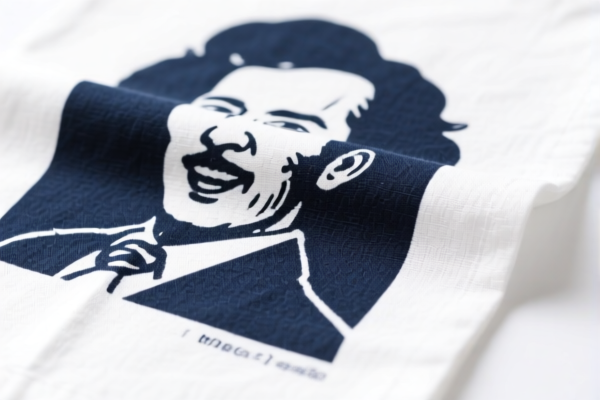
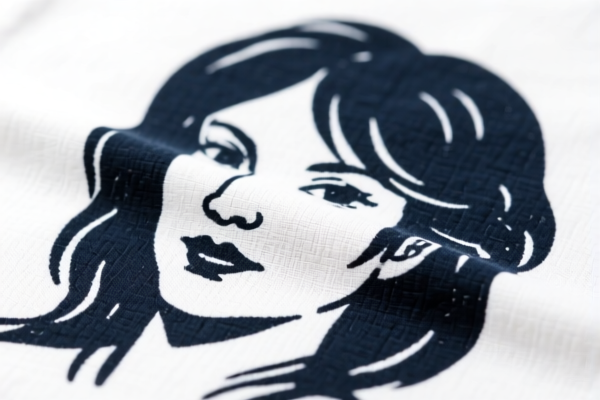

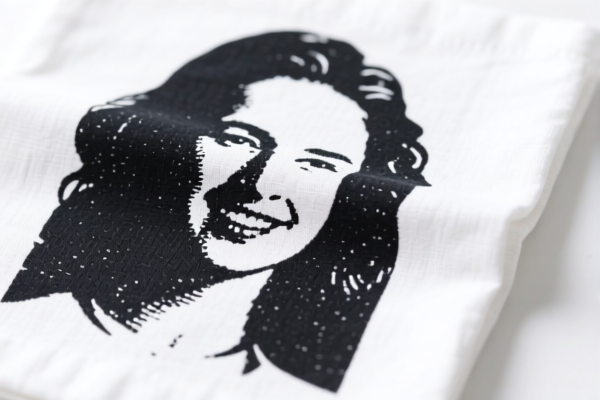
AI Analysis
🧵 Cotton Printed Terry Cloth (Woven Fabrics)
🌐 HS Code Reference & Customs Clearance Guide | 2026 Latest Tariff Analysis | Professional Clearance Strategy
📌 1. Product Definition & Classification: What is "Cotton Printed Terry Cloth"?
Cotton Printed Terry Cloth is a looped-pile woven fabric, typically made of cotton or cotton-blend yarns. The loops are not clipped or brushed but remain intact, giving the fabric its characteristic "terry" texture (absorbency). When "printed," it features colored designs applied to the surface.
In international trade, classification depends on three critical factors: 1. Cotton Content: Is it ≥85% or <85%? 2. Weight: Is it >200 g/m²? 3. Weave Structure: Is it Plain Weave, Twill, or Cross Twill? 4. Finish: Is it Napped (brushed/peached) or Untouched?
⚠️ Critical Distinction for the Provided Data:
The data provided specifically addresses Cotton fabrics containing <85% cotton (mixed mainly/simply with man-made fibers), weighing >200 g/m², and Napped (brushed/peached surface). This is a specific subset of terry cloth, often used for high-absorbency towels or bathrobes where a soft, fuzzy finish is desired.
📦 2. HS Code Classification Details (Based on Provided Data)
The provided data restricts the scope to two specific subheadings under Chapter 52 (Cotton). Note that these codes apply only if the fabric meets ALL the following criteria: - Material: Cotton <85% by weight, mixed mainly/simply with man-made fibers. - Weight: >200 g/m². - Finish: Napped (i.e., the terry loops are brushed or peeled to create a soft, fuzzy surface, distinct from standard looped terry). - Pattern: Printed.
| HS Code | Product Description | Key Characteristics | Applicable Scenario |
|---|---|---|---|
5211.51.00.50 |
Woven cotton fabrics, <85% cotton, mixed w/ man-made fibers, >200 g/m²: Plain Weave, Napped, Printed | - Plain weave structure - Surface is napped (soft/fuzzy) - Printed design |
Standard printed bath towels, bathrobes with a soft, brushed finish. |
5211.52.00.40 |
Woven cotton fabrics, <85% cotton, mixed w/ man-made fibers, >200 g/m²: 3-thread or 4-thread Twill (inc. cross twill), Napped, Printed | - Twill or Cross-Twill structure - Surface is napped - Printed design |
Luxury towels, weighted blankets, or specialty fabrics requiring diagonal weave strength. |
🔍 Important Note:
- If the fabric is NOT napped (i.e., loops are visible and intact), these codes DO NOT APPLY. You would need to check other subheadings (e.g., 5208-5212 range depending on weight and composition).
- If the cotton content is ≥85%, different HS codes apply (e.g., Chapter 5201-5207).
- These codes assume Napped finish, which is distinct from standard Terry Cloth. "Napped" means the surface has been mechanically treated to raise fibers.
💰 3. 2026 Tariff Rate Analysis (Detailed Tax Breakdown)
✅ Applicable Country: United States (US)
✅ Origin: China (CN) (Implied by "Additional Tariff: 25%" in data)
✅ Effective Date: 2025/2026 (Current Trade Policy)
🎯 1. HS Code 5211.51.00.50 — Plain Weave, Napped, Printed
| Item | Details |
|---|---|
| Product | Cotton <85%, Mixed, >200 g/m², Plain Weave, Napped, Printed |
| Basic Tariff | 0.0% (Most Favored Nation rate) |
| Additional Tariff (Section 301) | +25.0% |
| Total Tariff Rate | 25.0% |
| Tax Calculation | CIF Value × 25% |
| De Minimis Exemption | ❌ Not Applicable (Section 301 goods are generally excluded from de minimis relief) |
| Legal Basis | HTSUS 5211.51.00.50 + Section 301 Footnote |
📌 Explanation:
- Although the base MFN rate is 0%, the 25% Section 301 tariff applies to most Chinese-origin textiles under this classification.
- This is a significant cost factor for importers. Profit margins must account for this 25% duty on the declared value.
🎯 2. HS Code 5211.52.00.40 — Twill/Cross Twill, Napped, Printed
| Item | Details |
|---|---|
| Product | Cotton <85%, Mixed, >200 g/m², Twill/Cross Twill, Napped, Printed |
| Basic Tariff | 0.0% |
| Additional Tariff (Section 301) | 0.0% |
| Total Tariff Rate | 0.0% |
| Tax Calculation | No duty |
| De Minimis Exemption | N/A (No duty owed) |
| Legal Basis | HTSUS 5211.52.00.40 |
📌 Explanation:
- Surprisingly favorable! This specific weave structure (3-thread or 4-thread twill) under this description attracts no additional Section 301 tariff.
- Strategic Implication: If your product can be technically classified as a Twill or Cross Twill weave (even if it looks like plain weave due to napping), you could save 25% in duties. However, you must provide proof of weave structure (e.g., microscope images or weave diagrams).
- Caution: Misclassification is a major compliance risk. Only use this code if the fabric is genuinely twill.
🛠️ 4. Customs Clearance Practical Advice
✅ 1. Documentation Checklist
| Document | Required | Purpose |
|---|---|---|
| Commercial Invoice | ✔️ | Must specify "Cotton Printed Terry Cloth, Napped, [Weave Type]" |
| Packing List | ✔️ | Include weight per m², total meters, and fiber composition (%) |
| Fiber Composition Statement | ✔️ | Crucial: Must state % Cotton vs. Man-made Fibers (e.g., "60% Cotton, 40% Polyester") |
| Weave Structure Declaration | ✔️ | Specify "Plain Weave" or "Twill/Cross Twill" |
| Finish Declaration | ✔️ | Must confirm "Napped" or "Brushed" finish |
| Product Photos | ✔️ | Show texture, loops, and print design |
| Test Report (Optional but Recommended) | ✔️ | Confirm fiber content and weight (g/m²) |
✅ 2. Classification Strategy (Save or Save Cost?)
| Scenario | Recommended HS Code | Duty Rate | Action |
|---|---|---|---|
| Plain Weave, Napped | 5211.51.00.50 |
25% | Prepare for 25% duty cost. |
| Twill/Cross Twill, Napped | 5211.52.00.40 |
0% | Verify weave structure! If twill, use this code to save 25%. |
| Cotton ≥85% | Not in provided data | N/A | Check other subheadings (e.g., 5211.x1.x1) |
| Weight ≤200 g/m² | Not in provided data | N/A | Different codes apply (e.g., 5210/5211 lighter weights) |
| Not Napped (Loops visible) | Not in provided data | N/A | Likely different classification; consult specialist |
🔥 Key Tip:
The difference between Plain Weave and Twill can be subtle in napped fabrics. A twill weave has a diagonal rib pattern. If you can prove the underlying structure is twill, you save 25% in duties. Work with a textile expert or lab to confirm the weave.
✅ 3. Common Pitfalls & Compliance Risks
❌ Pitfall 1: Misdeclaring "Cotton Content"
- If you declare "100% Cotton" but test shows "60% Cotton, 40% Polyester," and it’s still <85% cotton, you might still fall under Chapter 5211, but the exact subheading changes.
- Risk: Misdeclaration → Penalties + Back Duties.
❌ Pitfall 2: Ignoring "Napped" Finish
- If the fabric is not napped (standard loops), it does not fit the provided descriptions.
- Risk: Rejection by Customs, reclassification, and delays.
❌ Pitfall 3: Weight Misstatement
- If the fabric weighs ≤200 g/m², these codes are invalid.
- Risk: Incorrect HS Code → Audit flag.
❌ Pitfall 4: Weave Structure Ambiguity
- Claiming "Twill" without evidence to avoid 25% duty.
- Risk: Customs may reject the claim and assess 25% + penalties.
✅ Correct Declaration Example:
"Woven Fabric, Cotton Printed Terry Cloth, Napped, 60% Cotton/40% Polyester, 220 g/m², Plain Weave, for Bath Towels"
🌍 5. Global Market Comparison (2026)
| Market | HS Code (Similar) | Duty Rate (China Origin) | Notes |
|---|---|---|---|
| 🇺🇸 United States | 5211.51.00.50 / 5211.52.00.40 |
25% (Plain) / 0% (Twill) | Section 301 tariffs apply. Twill advantage is significant. |
| 🇨🇳 China (Import) | Similar Chapter 52 codes | ~5-10% | Lower duties, no Section 301. |
| 🇪🇺 EU | 5211.51 / 5211.52 | ~4-12% | No additional retaliatory tariffs, but standard MFN applies. |
| 🇨🇦 Canada | Similar codes | ~5-12% | CUSMA may apply if originating in North America. |
| 🇬🇧 UK | Similar codes | ~5-12% | Post-Brexit tariffs, similar to EU but no EU preferential treatments. |
📌 Conclusion:
The US market is the most complex due to Section 301 tariffs. The 0% duty on Twill/Cross Twill is a unique advantage. If your supply chain can produce or source Twill-weave napped printed cotton blends, you can significantly reduce costs in the US market.
📌 6. Final Recommendations
- Confirm Weave Structure: If possible, engineer or source 3-thread or 4-thread Twill napped fabrics to benefit from 0% additional tariff.
- Accurate Fiber Declaration: Ensure the cotton content is truly <85% and mixed with man-made fibers. If it’s >85%, different rules apply.
- Document the "Napped" Finish: Provide photos and specifications showing the brushed/peached surface to justify the use of these specific HS codes.
- Weight Verification: Ensure the fabric weight is >200 g/m². If lighter, consult a customs broker for alternative codes.
- Pre-Clearance Ruling: For large shipments, consider applying for a Binding Tariff Information (BTI) or Advance Ruling from US Customs (CBP) to lock in the classification and duty rate.
🎯 7. Conclusion: Precision in Classification = Savings in Duty
🎯 Key Takeaway:
🔹 Plain Weave = 25% Duty
🔹 Twill/Cross Twill = 0% Duty
🔹 One weave difference, 25% cost saving!🔹 Ensure your fabric is <85% Cotton, >200 g/m², Napped, and Printed.
📌 Pro Tip:
📞 Consult with a textile laboratory to confirm weave structure.
📄 Keep detailed production records and fiber test reports.
🚀 Strategic sourcing can save 25% in duties. Don’t leave money on the table!
✨ Customs Compliance: Where Detail Meets Profit!
💼 Every HS Code Decision Impacts Your Bottom Line.
Customer Reviews
About HS Code Classification
The Harmonized System (HS) is an internationally standardized nomenclature developed by the World Customs Organization (WCO) to classify traded products. Over 200 countries use the HS system as the basis for customs tariffs, trade statistics, and import/export regulations.
Each HS code follows a hierarchical structure:
- Chapter (2 digits) — Broad category of goods (e.g., Chapter 84: Machinery and Mechanical Appliances)
- Heading (4 digits) — More specific grouping within the chapter
- Subheading (6 digits) — Internationally standardized breakdown, used by all WCO member countries
- National subdivisions (8-10 digits) — Country-specific extensions for further classification, such as US HTSUS 10-digit codes
Correct HS code classification is essential for smooth customs clearance, accurate duty payment, and compliance with trade regulations. Misclassification can lead to customs delays, overpayment of duties, or penalties.
When importing from CN to US, the applicable tariff rates may include:
- Most-Favored-Nation (MFN) rate — The standard duty rate applied to WTO members
- General rate — Applied to countries without trade agreements
- Trade remedy duties — Additional tariffs such as Section 301 (anti-dumping), Section 232 (national security), or countervailing duties
The information provided on this page is for reference purposes only. For official classification, please consult with your local customs authority or a licensed customs broker.