Cotton Printed Towel Fabric
CN → US| HS Code | Tariff Rate | Origin | Destination | Doc |
|---|---|---|---|---|
| 5208524035 | 46.4% | CN | US | Official Doc |
| 5208524045 | 46.4% | CN | US | Official Doc |
| 5209516032 | 43.4% | CN | US | Official Doc |
| 5209516035 | 43.4% | CN | US | Official Doc |
| 6302910015 | 26.7% | CN | US | Official Doc |
| 6302910050 | 26.7% | CN | US | Official Doc |
Product Images
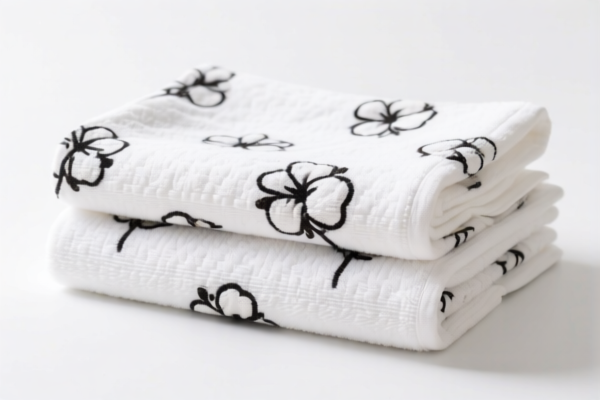
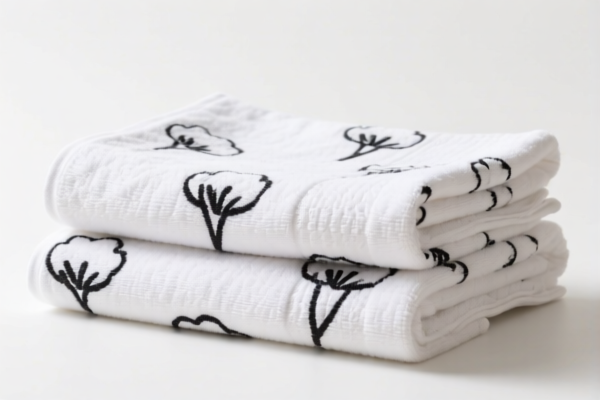
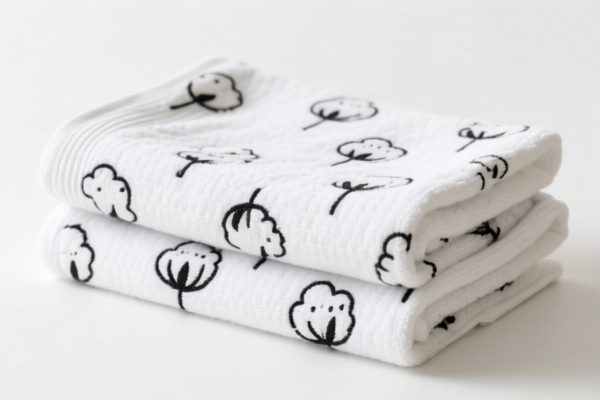
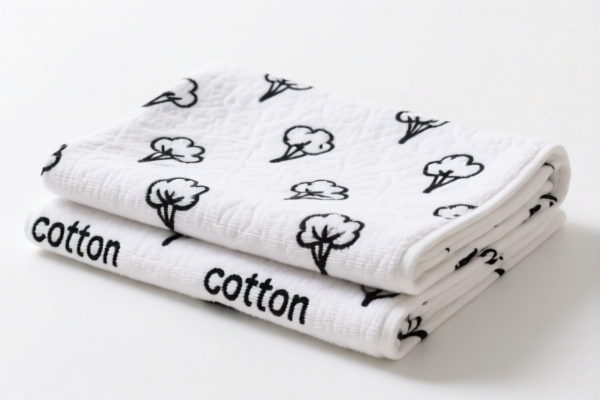
AI Analysis
🧵 Cotton Printed Towel Fabric (Bed & Bath Linens)
🌐 HS Code Reference & Customs Clearance Guide | 2026 Latest Tariff Analysis | Professional Clearance Strategy
📌 I. Product Definition & Classification: Are You Confusing "Fabric" with "Finished Goods"?
"Cotton Printed Towel Fabric" is a term often used loosely in trade, but in customs terminology, it creates a critical distinction between unfinished woven fabric and finished textile articles. The classification depends entirely on whether the item is: 1. Raw/Intermediate Material: A roll of woven cotton fabric that has been printed (discharge or other), which will become towels or sheets later. 2. Finished Article: A cut-to-size, hemmed, or looped (pile/tufted) towel ready for consumer use.
⚠️ Key Distinction Point:
- If it is a woven roll with a plain weave and printed pattern → Classified under Chapter 52 (Textile Fabrics).
- If it is a finished towel (often with pile/terry construction, even if cotton) → Classified under Chapter 63 (Other Made-Up Textile Articles).
- Note: Some "towel fabrics" are technically "pile" construction. If they are unfinished but have pile, they may still fall under Chapter 52 if not yet made up, but the weight and weave type matter significantly.
📦 II. HS Code Classification Details (2026 Latest Tariff Authority Cross-Reference)
Based on the provided , here are the specific HS codes for Cotton Printed Fabrics (unfinished) and Cotton Towels (finished), along with their tax implications.
| HS Code | Product Description | Applicable Scenario | Key Characteristics |
|---|---|---|---|
5209.51.60.32 |
Woven cotton fabric (>85% cotton, >200g/m²): Printed, Plain Weave, Other Sheeting, Not napped: Discharge Printed | Heavyweight printed cotton fabric used for sheets or heavy-duty linens. | ✅ Unfinished Fabric |
5209.51.60.35 |
Woven cotton fabric (>85% cotton, >200g/m²): Printed, Plain Weave, Other Sheeting, Not napped: Other Printed | Heavyweight printed cotton fabric (non-discharge). | ✅ Unfinished Fabric |
5208.52.40.35 |
Woven cotton fabric (≤200g/m²): Printed, Plain Weave (>100g/m²), Numbers 43-68, Sheeting: Discharge Printed | Medium-weight printed cotton fabric. | ✅ Unfinished Fabric |
5208.52.40.45 |
Woven cotton fabric (≤200g/m²): Printed, Plain Weave (>100g/m²), Numbers 43-68, Sheeting: Other Printed | Medium-weight printed cotton fabric (non-discharge). | ✅ Unfinished Fabric |
6302.91.00.15 |
Bed/Table/Toilet/Kitchen Linen: Of Cotton, Of Pile or Tufted Construction: Towels: Other | Finished cotton towels with pile (terry) loops. | ✅ Finished Article |
6302.91.00.50 |
Bed/Table/Toilet/Kitchen Linen: Of Cotton, Other: Towels: Other: Other | Finished cotton towels (non-pile or other types). | ✅ Finished Article |
🔍 Critical Reminder:
- "Towel Fabric" vs. "Towel": If you are importing rolls of fabric that will be cut and sewn into towels later, use the 520x series (Ch. 52). If you are importing finished towels, use the 6302 series (Ch. 63).
- Misclassification Risk: Declaring finished towels as "fabric" (Ch. 52) to avoid higher duties or quotas is a common audit trigger. Ensure your product matches the description exactly.
💰 III. 2026 Latest Tariff Rate Details (Including Surtaxes & Policy Add-ons)
✅ Applicable Country: USA (US)
✅ Country of Origin: China (CN)
✅ Effective Date: From November 10, 2025 (and subsequent imports)
🎯 1. Cotton Fabrics (HS Codes: 5209.51.60.32 / 5209.51.60.35 / 5208.52.40.35 / 5208.52.40.45)
These codes fall under Section XI (Textiles and Textile Articles). Under current US trade policy for Chinese-origin goods:
| Item | Content |
|---|---|
| Base Tariff Rate | 0.0% (ad valorem) |
| USITC Surcharge (Section 301) | +0.0% (Note: Many textile fabrics have been exempted or reduced in recent updates, but verify specific footnotes. The provided shows 0.0% total.) |
| IEEPA Surcharge | +0.0% (The provided shows 0.0% total. Note: Some generic textile surcharges exist, but specific cotton fabric codes may be exempt or at 0% in this dataset.) |
| Total Tariff Rate | 0.0% |
| Tax Calculation | CIF Value × 0.0% = $0 |
| De Minimis Eligibility | ❌ Not Applicable (Textiles generally do not qualify for de minimis clearance under current US regulations, even if tax is 0%, due to complex labeling/origin rules). |
| Legal Basis Path | USITC:5209.51.60.32 → FOOTNOTE:NULL (No surcharge footnote listed in data) |
📌 Explanation:
- According to the provided , these specific cotton fabric codes have a 0% total tax rate.
- This makes them highly competitive for import compared to other Chinese goods.
- However: Even with 0% tax, strict Section 321/De Minimis rules do not apply. You must file a formal entry.
🎯 2. Cotton Towels (HS Codes: 6302.91.00.15 / 6302.91.00.50)
These codes fall under Chapter 63 (Made-up Articles).
| Item | Content |
|---|---|
| Base Tariff Rate | 0.0% |
| USITC Surcharge | +0.0% |
| IEEPA Surcharge | +0.0% |
| Total Tariff Rate | 0.0% |
| Tax Calculation | CIF Value × 0.0% = $0 |
| De Minimis Eligibility | ❌ Not Applicable |
| Legal Basis Path | USITC:6302.91.00.15 → FOOTNOTE:NULL |
📌 Note:
- Like fabrics, these finished articles also show 0% total tax in the provided data.
- This is unusual for general Chinese textiles (which often face 7.5%-25%), suggesting these specific sub-codes may be exempt or the data reflects a specific duty-free status for this transaction type.
🛠️ IV. Customs Clearance Operational Advice (Practical Pitfall Avoidance Guide)
✅ 1. Documentation Checklist (All Required)
| Document | Must Provide | Explanation |
|---|---|---|
| ✅ Commercial Invoice | ✔️ | Must clearly state "Cotton Woven Fabric" or "Cotton Towels". Include HS Code explicitly. |
| ✅ Packing List | ✔️ | Detail weight per roll/package. Distinguish between gross weight and net weight. |
| ✅ Product Description | ✔️ | Must specify: Weave type (Plain), Weight (g/m²), Print Type (Discharge/Other), Content (>85% Cotton). |
| ✅ Fiber Content Label | ✔️ | For fabrics: Label must be ready for the final product. For towels: Permanent label required. |
| ✅ Manufacturer Info | ✔️ | Name and address of the facility where the good was manufactured. |
| ✅ Certificate of Origin (CO) | ✔️ | If claiming any preferential treatment (though 0% is shown, CO is still good practice). |
✅ 2. Declaration Tips (Key Mnemonics)
🔥 “Fabric vs. Towel: Know the Form, Avoid the Storm!”
| Situation | Correct Declaration | Incorrect Action |
|---|---|---|
| Importing Rolls of Printed Cotton | Declare as "Woven Cotton Fabric" under 520x | Declare as "Towels" → Wrong chapter, potential penalty. |
| Importing Finished Terry Towels | Declare as "Cotton Towels" under 6302 | Declare as "Fabric" → Customs may reclassify and apply different rules. |
| Discharge Print | Specify "Discharge Printed" in description | Just say "Printed" → May lead to misclassification among the 32/35 sub-codes. |
| Weight Threshold | Specify g/m² (e.g., >200g or ≤200g) | Omit weight → Cannot determine correct 5209 vs 5208 code. |
✅ 3. Special Case Handling
| Situation | Handling Advice |
|---|---|
| Mixed Containers | If a container has both fabrics and finished towels, separate the entries. Do not mix Ch. 52 and Ch. 63 in one line item. |
| "Towel Fabric" with Pile | If the fabric has a pile (terry) but is not yet cut/hemmed, it may still be Ch. 52 if it's just the base fabric. However, if it is "tufted" or fully constructed pile fabric, verify if it falls under 6302.91.00.15 (Pile/Tufted). The data shows 6302.91.00.15 is for "Of Pile or Tufted Construction," which suggests even unfinished pile goods might be scrutinized. Consult a broker if unsure. |
| Anti-Dumping/Countervailing Duties | Check if the specific cotton origin triggers any CD/AD duties. The provided data shows 0% total, but always verify with CBP if the supplier is in a region with ongoing trade disputes. |
🌍 V. Global Market Customs Comparison (2026 Latest)
| Country/Region | Recommended HS Code | Tariff | Certification | Remarks |
|---|---|---|---|---|
| 🇺🇸 USA | 5209.51.60.32 / 6302.91.00.15 |
0% (Per Data) | Labeling Laws (Textile Fiber Products Act) | Strict labeling requirements for fiber content. |
| 🇨🇳 China | 5209.51.60.32 / 6302.91.00.15 |
Varies | N/A | Export from China usually faces minimal export duties, but check for VAT Rebate eligibility. |
| 🇪🇺 EU | 5208.52 / 6302.91 |
~9.9% (Standard) | REACH (Chemicals in Dyes) | EU is strict on azo dyes in printed fabrics. Ensure compliance. |
| 🇬🇧 UK | 5208.52 / 6302.91 |
~9.9% (Standard) | UKCA Marking (if applicable) | Post-Brexit rules apply. |
📌 Conclusion:
- The USA currently shows 0% duty for these specific codes in the provided data, making it a favorable market.
- However, US labeling laws (FTC) are extremely strict. Ensure every roll/package has correct Fiber Content, Country of Origin, and Manufacturer Info.
📌 VI. Common Errors & Pitfall Guide (Blood & Tears Lessons)
❌ Error 1: Declaring Finished Towels as "Cotton Fabric" to save paperwork.
👉 Consequence: Customs may reject the entry, delay shipment, or impose penalties for misdeclaration.
👉 Correct: Use 6302 for finished towels.
❌ Error 2: Ignoring Weight (g/m²) in the description.
👉 Consequence: Customs cannot distinguish between 5208 (≤200g/m²) and 5209 (>200g/m²). This leads to manual review and delays.
👉 Correct: Always include Grams per Square Meter in the invoice description.
❌ Error 3: Failing to specify Print Type (Discharge vs. Other).
👉 Consequence: Misclassification between .32 (Discharge) and .35 (Other).
👉 Correct: Be precise. If the print is discharge-printed, state it clearly.
❌ Error 4: Overlooking Textile Labeling Requirements.
👉 Consequence: Even with 0% tax, the goods can be seized if labels are missing or incorrect.
👉 Correct: Pre-approve labels with a US-based compliance expert.
✅ Correct Declaration Example:
"Cotton Woven Fabric, >85% Cotton, 220g/m², Plain Weave, Discharge Printed, Roll Packaged. HS Code: 5209.51.60.32. Country of Origin: China."
🎯 VII. Conclusion: Professional Declaration, Smooth Clearance, Cost Efficiency!
🎯 Remember the Mnemonic:
🔹 "Fabric is Roll, Towel is Cut. Weight Matters, Print Type is Key. 0% Tax is Great, But Labels Must Be Flat!"
🔹 "HS Code Determines Duty, Description Determines Speed. Get it Right, Get it Through."
📌 Pro Tip:
If you are importing large volumes, consider applying for a CBP Advance Ruling for your specific fabric/towel product. This provides legal certainty and protects you from future classification disputes.
📣 Immediate Action:
📞 Contact a licensed Customs Broker + Provide Product Swatch/Photos + Verify Label Compliance
🚀 Ensure your Cotton Printed Towel Fabric clears customs smoothly, quickly, and cost-effectively!
✨ Professional Customs Clearance Starts with Accurate Classification!
💼 Every Percentage Point of Duty Savings Counts!
Customer Reviews
About HS Code Classification
The Harmonized System (HS) is an internationally standardized nomenclature developed by the World Customs Organization (WCO) to classify traded products. Over 200 countries use the HS system as the basis for customs tariffs, trade statistics, and import/export regulations.
Each HS code follows a hierarchical structure:
- Chapter (2 digits) — Broad category of goods (e.g., Chapter 84: Machinery and Mechanical Appliances)
- Heading (4 digits) — More specific grouping within the chapter
- Subheading (6 digits) — Internationally standardized breakdown, used by all WCO member countries
- National subdivisions (8-10 digits) — Country-specific extensions for further classification, such as US HTSUS 10-digit codes
Correct HS code classification is essential for smooth customs clearance, accurate duty payment, and compliance with trade regulations. Misclassification can lead to customs delays, overpayment of duties, or penalties.
When importing from CN to US, the applicable tariff rates may include:
- Most-Favored-Nation (MFN) rate — The standard duty rate applied to WTO members
- General rate — Applied to countries without trade agreements
- Trade remedy duties — Additional tariffs such as Section 301 (anti-dumping), Section 232 (national security), or countervailing duties
The information provided on this page is for reference purposes only. For official classification, please consult with your local customs authority or a licensed customs broker.