Cotton Retail Jewelry Box
CN → US| HS Code | Tariff Rate | Origin | Destination | Doc |
|---|---|---|---|---|
| 4819504060 | 35.0% | CN | US | Official Doc |
| 4819504040 | 35.0% | CN | US | Official Doc |
| 4420906500 | 35.0% | CN | US | Official Doc |
| 4420904500 | 39.3% | CN | US | Official Doc |
| 3926903500 | 16.5% | CN | US | Official Doc |
| 3926909989 | 22.8% | CN | US | Official Doc |
Product Images
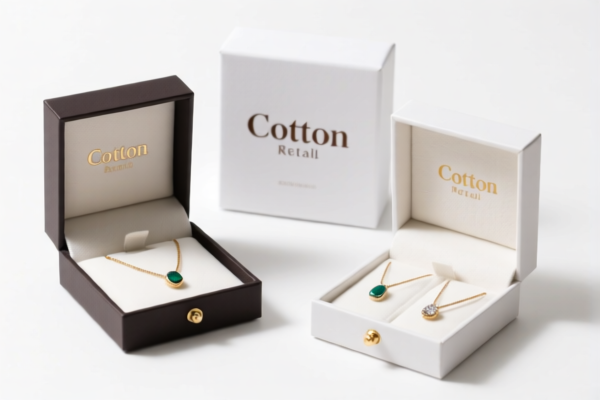
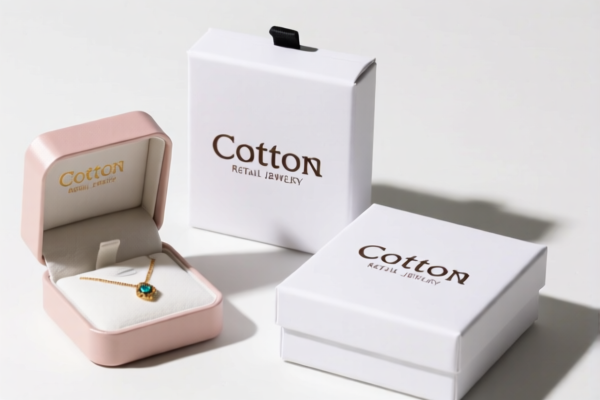
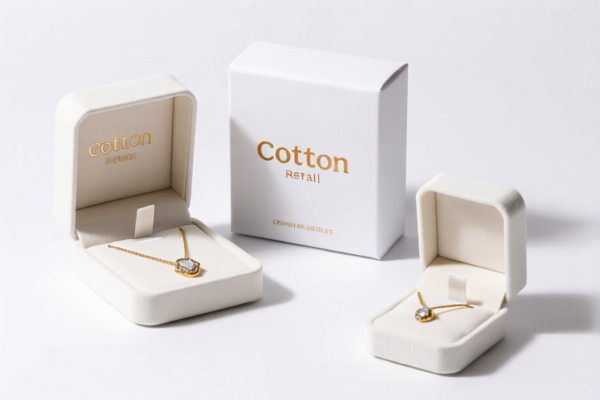
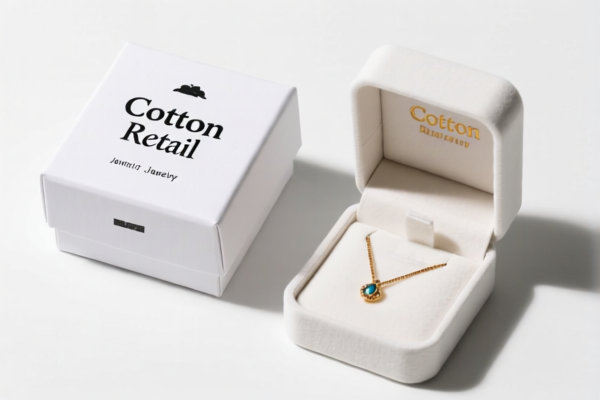
AI Analysis
💎 The Cotton Retail Jewelry Box: A Classification Minefield
[Paper vs. Wood vs. Textile-Lined]
🌐 HS Code Reference & Customs Clearance Guide | 2026 Latest Tariff Analysis | Professional Entry Strategy
📌 I. Product Definition & The "Cotton" Trap: What Are You Really Shipping?
A "Cotton Retail Jewelry Box" sounds simple, but in international trade, it is a classification trap. The term "Cotton" usually refers to the lining or the material of the box itself, which drastically changes the HS Code and the tax rate.
There are two primary scenarios for this product:
-
Scenario A: Paper/Cardboard Box with a Textile (Cotton) Lining
- The outer shell is paper, paperboard, or cellulose wadding.
- The interior is lined with fabric (cotton, velvet, etc.) to protect jewelry.
- Classification: Falls under Paper/Paperboard Containers.
- Tax Risk: 🚨 HIGH (25%) due to US Section 301 tariffs.
-
Scenario B: Wooden Box with a Textile (Cotton) Lining
- The outer shell is made of wood.
- The interior is lined with fabric (cotton).
- Classification: Falls under Wood Articles.
- Tax Risk: 🚨 HIGH (25%) due to US Section 301 tariffs.
⚠️ Critical Distinction:
- If the box is made of paper/cardboard but has a fabric lining → 4420.90.65.00 is WRONG. It belongs in 4819.50.40.60.
- If the box is made of wood with a fabric lining → It belongs in 4420.90.65.00.
- If the box is wood without fabric lining → It belongs in 4420.90.45.00 (0% Tax).
📦 II. HS Code Classification Details (2026 Latest Tariff Authority)
Based on the provided <DATA>, here is the precise mapping for "Cotton Retail Jewelry Boxes." Note that "Cotton" implies a textile lining in the context of packaging.
| HS Code | Product Description | Material Core | Lining | Tax Rate |
|---|---|---|---|---|
4819.50.40.60 |
Other packing containers, including record sleeves: Other | Paper/Paperboard | Not specified (Implies general paper container) | 25.0% |
4819.50.40.40 |
Other packing containers, including record sleeves: Other | Paper/Paperboard | Rigid boxes/cartons (Unlined or standard) | 25.0% |
4420.90.65.00 |
Jewelry boxes... of wood: Other | Wood | Lined with textile fabrics (Cotton/Velvet) | 25.0% |
4420.90.45.00 |
Jewelry boxes... of wood: Other | Wood | Not lined with textile fabrics | 0.0% |
3926.90.35.00 |
Other articles of plastics... Beads, bugles and spangles | Plastic/Other | N/A (Non-container decorative items) | 0.0% |
3926.90.99.89 |
Other articles of plastics... Other | Plastic/Other | N/A (Miscellaneous plastic goods) | 12.8% |
🔍 Key Analysis for "Cotton Jewelry Box":
- If your box is Wood + Cotton Lining → HS Code:4420.90.65.00
- If your box is Paper/Cardboard → HS Code:4819.50.40.60(Most common for "retail" boxes).
- Do NOT use4420.90.45.00if there is cotton lining. The 0% tax applies ONLY to wood boxes without textile lining.
💰 III. 2026 Latest Tariff Rate Breakdown (USA / China Origin)
✅ Applicable Country: United States (US)
✅ Origin: China (CN)
✅ Effective Date: 2025/2026 (Current Trade Policy)
🎯 1. 4819.50.40.60 & 4819.50.40.40 (Paper/Cardboard Jewelry Boxes)
| Item | Content |
|---|---|
| Base Tariff | 0.0% (ad valorem) |
| Section 301 Additional Tariff | +25.0% |
| Total Tax Rate | 25.0% |
| Tax Calculation | CIF Value × 25% |
| De Minimis Exemption | ❌ Not Eligible (Section 301 goods are generally excluded from $800 de minimis relief if deemed high-risk, but specifically, these fall under 301 lists). |
| Legal Basis | USITC:4819.50.40.60 → FOOTNOTE:9903.88.01 (Section 301) |
📌 Explanation:
- Paper packaging is often classified under Chapter 48.
- Regardless of whether it's rigid or soft, if it's paper-based packing, it faces the 25% additional tariff.
- Base tariff is 0%, but the penalty is 25%.
🎯 2. 4420.90.65.00 (Wood Jewelry Box with Cotton Lining)
| Item | Content |
|---|---|
| Base Tariff | 0.0% (ad valorem) |
| Section 301 Additional Tariff | +25.0% |
| Total Tax Rate | 25.0% |
| Tax Calculation | CIF Value × 25% |
| De Minimis Exemption | ❌ Not Eligible |
| Legal Basis | USITC:4420.90.65.00 → FOOTNOTE:9903.88.01 (Section 301) |
📌 Explanation:
- Wood products are heavily scrutinized.
- Crucial Point: If you remove the cotton lining, you can drop to4420.90.45.00(0% Tax).
- If the box is wooden AND has cotton/velvet lining, the 25% tax applies.
🎯 3. 4420.90.45.00 (Wood Jewelry Box WITHOUT Lining) - The Loophole
| Item | Content |
|---|---|
| Base Tariff | 0.0% |
| Section 301 Additional Tariff | 0.0% (Not subject to 301 in this specific sub-category) |
| Total Tax Rate | 0.0% |
| Condition | Must be Wood, Jewelry Box, and NOT Lined with Textile Fabrics. |
📌 Strategy:
- If the "Cotton" in the product name refers to the style (e.g., "Cotton-like finish") but there is no actual fabric lining, or if the lining is not considered "textile fabric" in customs' eyes, you might argue for this.
- However, if there is actual cotton fabric, you MUST use4420.90.65.00(25% Tax). Misclassifying a lined box as unlined is fraud.
🛠️ IV. Customs Clearance Practical Advice (Pitfall Avoidance Guide)
✅ 1. Documentation Checklist (Non-Negotiable)
| Document | Must Provide | Purpose |
|---|---|---|
| ✅ Product Specifications | ✔️ | Clearly state: "Outer Material: [Wood/Paper], Inner Lining: [Cotton/None]". |
| ✅ Material Breakdown | ✔️ | % of wood vs. % of fabric vs. % of glue/plastic. |
| ✅ Photos (Inside & Out) | ✔️ | Show the lining clearly. If it's cotton fabric, customs will see it. |
| ✅ Commercial Invoice | ✔️ | Description must match HS Code definition exactly. |
| ✅ Packing List | ✔️ | Weight and dimensions. |
✅ 2. Classification Strategy (Key Mantra)
🔥 "Check the Lining! Wood + Fabric = 25%, Paper = 25%, Wood No Fabric = 0%!"
| Scenario | Correct HS Code | Tax | Risk |
|---|---|---|---|
| Paper Box, Cotton Lining | 4819.50.40.60 |
25% | Safe if declared accurately. |
| Wood Box, Cotton Lining | 4420.90.65.00 |
25% | Safe if declared accurately. |
| Wood Box, NO Lining | 4420.90.45.00 |
0% | Optimal for Cost. |
| Plastic Box | 3926.90.99.89 |
12.8% | If applicable. |
✅ 3. Special Handling Tips
| Situation | Advice |
|---|---|
| "Cotton" refers to material, not lining | If the box is made of "cotton fabric" (rare for jewelry), it might fall under textiles. But usually, "Cotton Jewelry Box" means Paper Box + Cotton Pad. Stick to 4819.50.40.60. |
| Mixing Materials | If a box is paper outer + wood inner frame, customs may classify based on the essential character. Usually, paper packaging rules apply (4819...). |
| De Minimis ($800) | Do NOT rely on de minimis for these HS codes if you are shipping multiple items over time. Section 301 tariffs often bypass or complicate de minimis. Consult your broker. |
🌍 V. Global Market Comparison (2026)
| Country | Recommended HS Code | Tariff Rate | Notes |
|---|---|---|---|
| 🇺🇸 USA | 4819.50.40.60 or 4420.90.65.00 |
25.0% | Heavy Section 301 tax. |
| 🇨🇳 China | 4819.50.40.60 or 4420.90.65.00 |
0-5% | Import duty low, but consider export duties from CN. |
| 🇪🇺 EU | 4819.50... or 4420.90... |
0-6.5% | Generally lower than US. No Section 301 equivalent. |
📌 Conclusion:
The US market is the most expensive due to the 25% additional tariff.
- If possible, design jewelry boxes without fabric lining if they are wooden (use foam or molded pulp instead) to qualify for 0% tax (4420.90.45.00).
- If paper, accept the 25% tax as it is standard for paper packaging from China.
📌 VI. Common Mistakes & Pitfalls (Blood & Tears)
❌ Mistake 1: Declaring a "Wood Box with Velvet Lining" as 4420.90.45.00 (0%).
👉 Consequence: Customs inspection reveals lining. Penalty, back-taxes (25%), and potential seizure.
❌ Mistake 2: Calling a "Paper Box" a "Wooden Case" to try to find a better code.
👉 Consequence: Material mismatch. Customs will test material. Heavy fines.
❌ Mistake 3: Ignoring the "Cotton" keyword.
👉 Consequence: If you say "Jewelry Box" but don't specify lining, customs may assume the worst or apply a default higher rate. Be explicit.
✅ Correct Declaration Example:
"Retail Jewelry Box, Outer Shell: 350gsm Cardboard, Inner Lining: 100% Cotton Fabric, Empty, Not for Data Processing"
HS Code:4819.50.40.60
Tax: 25%
🎯 VII. Conclusion: Precision Saves Money
🎯 Remember the Mantra:
🔹 "Paper = 25%. Wood + Fabric = 25%. Wood No Fabric = 0%."
🔹 "Cotton Lining is the Tax Trigger."
🔹 "Check the Material Before You Ship."
📌 Pro Tip:
If you are selling high-volume retail jewelry boxes, consider removing the fabric lining (use molded pulp or plastic inserts) for wooden boxes to utilize the 0% tariff (4420.90.45.00). This can save you 25% on the cost of goods immediately.
📣 Immediate Action:
📞 Confirm Material & Lining with Supplier
📄 Update Commercial Invoice Description
🚀 Select Correct HS Code:4819.50.40.60(Paper) or4420.90.65.00(Wood+Fabric)
✨ Professional Clearance Starts with Accurate Classification!
💼 Don't let a 'Cotton Lining' cost you an extra quarter of your profit.
Customer Reviews
About HS Code Classification
The Harmonized System (HS) is an internationally standardized nomenclature developed by the World Customs Organization (WCO) to classify traded products. Over 200 countries use the HS system as the basis for customs tariffs, trade statistics, and import/export regulations.
Each HS code follows a hierarchical structure:
- Chapter (2 digits) — Broad category of goods (e.g., Chapter 84: Machinery and Mechanical Appliances)
- Heading (4 digits) — More specific grouping within the chapter
- Subheading (6 digits) — Internationally standardized breakdown, used by all WCO member countries
- National subdivisions (8-10 digits) — Country-specific extensions for further classification, such as US HTSUS 10-digit codes
Correct HS code classification is essential for smooth customs clearance, accurate duty payment, and compliance with trade regulations. Misclassification can lead to customs delays, overpayment of duties, or penalties.
When importing from CN to US, the applicable tariff rates may include:
- Most-Favored-Nation (MFN) rate — The standard duty rate applied to WTO members
- General rate — Applied to countries without trade agreements
- Trade remedy duties — Additional tariffs such as Section 301 (anti-dumping), Section 232 (national security), or countervailing duties
The information provided on this page is for reference purposes only. For official classification, please consult with your local customs authority or a licensed customs broker.