Cotton Retail Makeup Bag
CN → US| HS Code | Tariff Rate | Origin | Destination | Doc |
|---|---|---|---|---|
| 6307909891 | 24.5% | CN | US | Official Doc |
| 4202926091 | 41.3% | CN | US | Official Doc |
| 4202926010 | 41.3% | CN | US | Official Doc |
| 4205006000 | 39.9% | CN | US | Official Doc |
| 4202329300 | 52.6% | CN | US | Official Doc |
Product Images
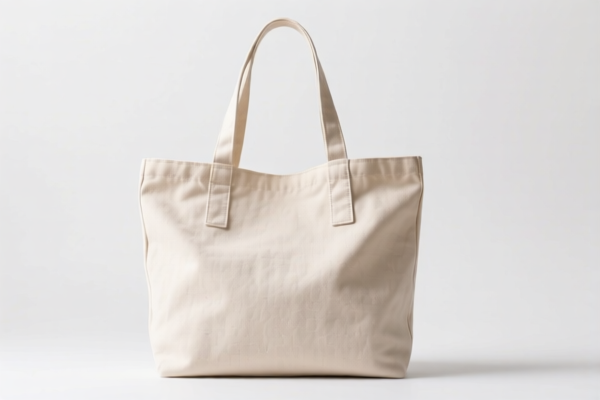
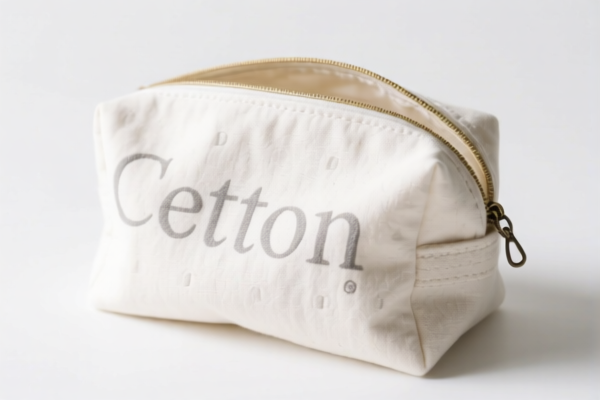
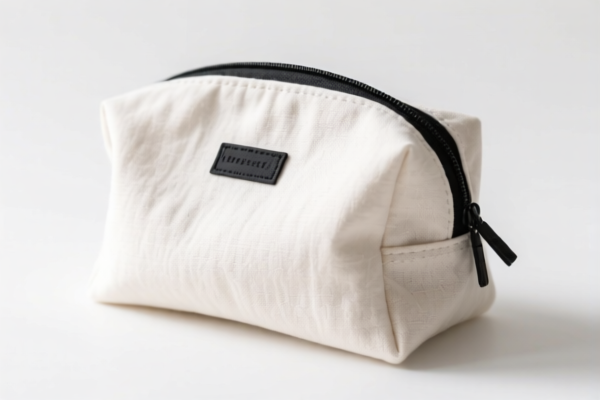
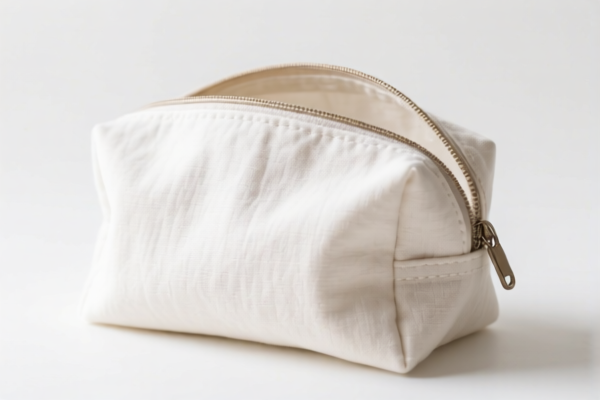
AI Analysis
💄 Cotton Retail Makeup Bag: HS Code Classification & Customs Clearance Guide (2026)
🌐 HS Code Reference & Customs Clearance Guide | Latest Tariff Analysis | Professional Strategy 📌 Part 1: Product Definition & Classification – Do You Really Know "Cotton Makeup Bag"?
A Cotton Makeup Bag is a personal care accessory used to store cosmetics, toiletries, and small beauty tools. In international trade, its classification depends heavily on material composition (pure cotton vs. mixed) and form/structure (textile article vs. container).
Key Distinction: * Textile Article (Heading 6307): If it is primarily a "made-up textile article" not specified elsewhere, and fits the "other made-up textile articles" category. * Luggage/Container (Heading 4202/4205): If it is structured as a container (box, bag, wallet, etc.) specifically for holding items, often classified under leather/luggage-like goods, even if made of fabric.
⚠️ Critical Classification Point: * If it is simply a pouch/bag made of cotton fabric without rigid structure or specific "luggage" definition → Often falls under Textile Articles (6307) or Other Leather Goods (4205). * If it is defined as a jewelry box, vanity case, or similar container → Falls under Heading 4202 (Luggage, Vanity Cases).
📦 Part 2: HS Code Classification Details (Based on Provided Data)
| HS Code | Product Description | Applicability Logic | Total Tax Rate |
|---|---|---|---|
6307.90.98.91 |
Cotton Makeup Box/Bag (Textile Category) | Pure cotton, classified as "Other Made-up Textile Articles." Fits the textile fallback category. | 24.5% |
4202.92.60.91 |
Cotton Makeup Box (Container Category) | Cotton material, container form. Fits the definition of "Cotton-made non-retail jewelry boxes/containers." | 41.3% |
4202.92.60.10 |
Cotton Makeup Box (Luggage/Vanity Category) | Cotton material. Fits the category of "Jewelry boxes and similar containers." | 41.3% |
4205.00.60.00 |
Makeup Bag (Leather/Textile Goods) | Made of leather/synthetic leather/fabric. Fits the "Other Leather Goods" fallback category. | 39.9% |
4202.32.93.00 |
Makeup Bag (Surface Textile Material) | Form: Boxes, bags, wallets, similar containers. Outer surface is textile material. Fits specific textile-luggage logic. | 52.6% |
🔍 Key Insight: * The lowest tax rate (24.5%) applies if classified as a general textile article (6307). * The highest tax rate (52.6%) applies if classified as a specialized textile-surface container (4202.32.93.00). * The majority of container-type classifications (4202/4205) carry high Section 301/Add-on tariffs, pushing total rates above 39%.
💰 Part 3: Detailed Tariff Breakdown (Including Additional Duties)
✅ Applicable Country: United States (US)
✅ Origin: China (CN)
✅ Effective Time: Includes 2025-2026 import periods
🎯 1. 6307.90.98.91 – Other Made-up Textile Articles (Lowest Risk)
| Item | Details |
|---|---|
| Base Tariff | 7.0% |
| Add-on Tariff (Section 301) | 7.5% |
| Section 122 Tariff | 10% |
| Total Effective Rate | 24.5% |
| Tax Calculation | CIF Value × 24.5% |
| Legal Basis | Standard textile classification with specific additional duties. |
📌 Explanation: * This is the most favorable classification for pure cotton makeup bags. * "122条款关税" (Section 122 Tariff): Often refers to specific national security or trade remedy duties applied to certain Chinese goods. * Strategy: If your product is a simple cotton pouch without rigid structure, argue for this classification to save ~17-28% in taxes compared to other options.
🎯 2. 4202.92.60.91 & 4202.92.60.10 – Jewelry Boxes & Similar Containers
| Item | Details |
|---|---|
| Base Tariff | 6.3% |
| Add-on Tariff (Section 301) | 25.0% |
| Section 122 Tariff | 10% |
| Total Effective Rate | 41.3% |
| Tax Calculation | CIF Value × 41.3% |
| Legal Basis | Luggage/Container headings with heavy Section 301 duties. |
📌 Explanation: * These HS codes fall under Chapter 42 (Articles of Leather). * Section 301 Tariff (25%): This is a massive hit for Chinese-origin goods. * Why so high? Customs often classify "cosmetic cases" as "jewelry boxes" or "vanity cases," which are subject to higher duties and stricter trade restrictions. * Risk: High audit risk for misclassification. Must prove it is NOT a "jewelry box."
🎯 3. 4205.00.60.00 – Other Leather Goods (Fallback)
| Item | Details |
|---|---|
| Base Tariff | 4.9% |
| Add-on Tariff (Section 301) | 25.0% |
| Section 122 Tariff | 10% |
| Total Effective Rate | 39.9% |
| Tax Calculation | CIF Value × 39.9% |
| Legal Basis | Fallback for leather-like goods not elsewhere specified. |
📌 Explanation: * Even if made of cotton, if it is structured like a leather good (rigid, handle, clasp), it may fall here. * Note: "Leather" in HS Chapter 42 can include synthetic leather and sometimes textile goods imitating leather. Pure cotton usually shouldn't go here unless it's a "luxury" imitation.
🎯 4. 4202.32.93.00 – Textile Surface Containers (Highest Risk)
| Item | Details |
|---|---|
| Base Tariff | 17.6% |
| Add-on Tariff (Section 301) | 25.0% |
| Section 122 Tariff | 10% |
| Total Effective Rate | 52.6% |
| Tax Calculation | CIF Value × 52.6% |
| Legal Basis | Specific textile-based luggage/containers with high base duty. |
📌 Explanation: * Highest Tax Rate! * This code applies to bags with an outer surface of textile materials that are clearly "containers" (not just pouches). * Why? It combines a high base duty (17.6%) with the full 25% Section 301 tariff. * Avoid: Only use this if your product is explicitly a structured cosmetic case with compartments, mirrors, and rigid frames.
🛠️ Part 4: Customs Clearance Practical Advice (Avoid Pitfalls)
✅ 1. Preparation Checklist (Must-Have Documents)
| Document | Required? | Notes |
|---|---|---|
| Product Specifications | ✔️ | Material: 100% Cotton? Dimensions? Lining material? |
| Product Photos | ✔️ | Show structure: Is it a simple pouch or a rigid box? |
| Commercial Invoice | ✔️ | Describe accurately: "Cotton Cosmetic Pouch" vs. "Jewelry Case." |
| Packing List | ✔️ | Quantity, Weight, HS Code. |
| Origin Certificate | ✔️ | Proof of Chinese origin (triggers tariffs). |
| Third-Party Test Report | ❓ | If claiming "Cotton," ensure no significant synthetic lining that changes classification. |
✅ 2. Declaration Strategy (Key Mantras)
🔥 "Describe True Form, Avoid 'Luggage' Label, Choose Lowest Duty!"
| Scenario | Recommended HS Code | Why? |
|---|---|---|
| Simple Cotton Pouch/Bag | 6307.90.98.91 |
Lowest tax (24.5%). Classified as "Textile Article." |
| Rigid Cosmetic Case with Mirror | 4202.92.60.91 or 10 |
Must be declared as "Vanity Case" or "Jewelry Box." Higher tax (41.3%). |
| Luxury Imitation Leather Bag | 4205.00.60.00 |
If it mimics leather goods. Tax (39.9%). |
| Structured Textile Cosmetic Case | 4202.32.93.00 |
Only if clearly a "container" with textile exterior. Highest tax (52.6%). |
📌 Warning: * Do NOT call a simple pouch a "Jewelry Box" to avoid taxes if it is not. * Do NOT declare a rigid case as a "Textile Pouch" if it has compartments, mirrors, or rigid frames. Customs will reclassify and penalty you.
✅ 3. Special Situations
| Situation | Recommendation |
|---|---|
| Mixed Material (Cotton + Leather Trim) | Likely falls under 4202 or 4205. Prepare for ~40% tax. |
| OEM for Retail Brand | Ensure invoice matches brand's expected HS code. Discrepancies cause delays. |
| Small Samples (De Minimis) | ❌ Not Eligible. Goods under Section 122/301 often lose de minimis exemption. All goods are taxed. |
🌍 Part 5: Global Market Comparison (2026)
| Market | Recommended HS Code | Est. Total Tax | Notes |
|---|---|---|---|
| 🇺🇸 USA | 6307.90.98.91 |
24.5% (Best) | Heavy Section 301 & 122 tariffs. |
| 🇪🇺 EU | 6307.90 (General) | ~6-8% | No Section 301. Standard textile duty. |
| 🇨🇳 China | 6307.90 | ~7-10% | Domestic consumption, no export tariff. |
| 🇬🇧 UK | 6307.90 | ~6% | Post-Brexit tariffs align with EU. |
📌 Conclusion: * The USA market is the most expensive due to political tariffs. * Classification is critical: Saving 17% (from 41.3% to 24.5%) can be the difference between profit and loss. * European markets are far more favorable for textile cosmetics bags.
📌 Part 6: Common Mistakes & Pitfalls (Lessons Learned)
❌ Mistake 1: Declaring a rigid cosmetic case as a "Textile Pouch" (6307)
👉 Consequence: Customs audit → Repatriation of goods or forced reclassification to 4202 → Pay 41.3% instead of 24.5% + Penalties.
❌ Mistake 2: Ignoring "Section 122" Tariff
👉 Consequence: Underpayment. The 10% Section 122 tax applies to all listed HS codes in the data. Many importers forget this and face back-taxes.
❌ Mistake 3: Using "Makeup Bag" as a vague description
👉 Consequence: Customs cannot determine if it is a "pouch" (6307) or "case" (4202). → Delays, Storage Fees, Demurrage.
❌ Mistake 4: Assuming De Minimis ($800) applies
👉 Consequence: No! Goods under Section 301/122 do not qualify for de minimis exemption in the US. Every item is taxed.
✅ Best Practice:
"Cotton Cosmetic Pouch, 100% Cotton, Soft Fabric, No Rigid Structure, Model XYZ"
vs.
"Cosmetic Vanity Case, Rigid Frame, Mirror, Cotton Exterior, Model ABC"
🎯 Part 7: Conclusion: Professional Classification Saves Money
🎯 Remember the Mantra:
🔹 "Simple Pouch = 6307 (24.5%) | Rigid Case = 4202 (41-52%) | Don't Guess, Document!"
🔹 "Section 122 & 301 are Real: Pay Full Price, Avoid Surprises!"
📌 Pro Tip: If your Cotton Makeup Bag has any rigid structure, mirror, or multiple compartments, prepare for higher duties. If it is a simple soft pouch, firmly argue for 6307.90.98.91 to save significant costs.
📣 Immediate Action:
📞 Consult a licensed customs broker.
📸 Provide clear photos of your product's structure.
📝 Apply for an Advance Ruling (ACE Portal) if importing large volumes.
✨ Professional Clearance Starts with Accurate Classification! 💼 Every percentage point saved is pure profit!
Customer Reviews
About HS Code Classification
The Harmonized System (HS) is an internationally standardized nomenclature developed by the World Customs Organization (WCO) to classify traded products. Over 200 countries use the HS system as the basis for customs tariffs, trade statistics, and import/export regulations.
Each HS code follows a hierarchical structure:
- Chapter (2 digits) — Broad category of goods (e.g., Chapter 84: Machinery and Mechanical Appliances)
- Heading (4 digits) — More specific grouping within the chapter
- Subheading (6 digits) — Internationally standardized breakdown, used by all WCO member countries
- National subdivisions (8-10 digits) — Country-specific extensions for further classification, such as US HTSUS 10-digit codes
Correct HS code classification is essential for smooth customs clearance, accurate duty payment, and compliance with trade regulations. Misclassification can lead to customs delays, overpayment of duties, or penalties.
When importing from CN to US, the applicable tariff rates may include:
- Most-Favored-Nation (MFN) rate — The standard duty rate applied to WTO members
- General rate — Applied to countries without trade agreements
- Trade remedy duties — Additional tariffs such as Section 301 (anti-dumping), Section 232 (national security), or countervailing duties
The information provided on this page is for reference purposes only. For official classification, please consult with your local customs authority or a licensed customs broker.