Cotton Rope Hiking Travel Bag
CN → US| HS Code | Tariff Rate | Origin | Destination | Doc |
|---|---|---|---|---|
| 5607909000 | 41.3% | CN | US | Official Doc |
| 6307909882 | 24.5% | CN | US | Official Doc |
| 6307908940 | 17.0% | CN | US | Official Doc |
| 4202921500 | 41.3% | CN | US | Official Doc |
| 4202923131 | 52.6% | CN | US | Official Doc |
Product Images
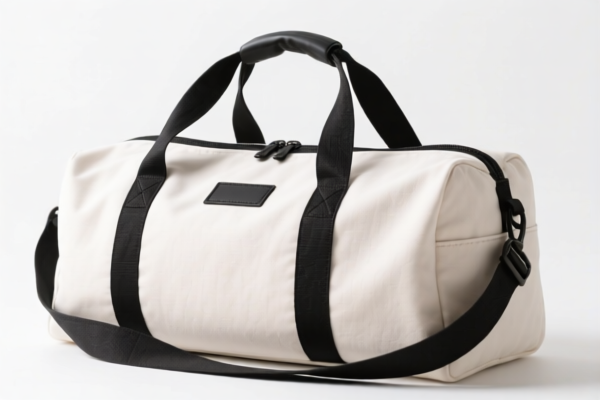
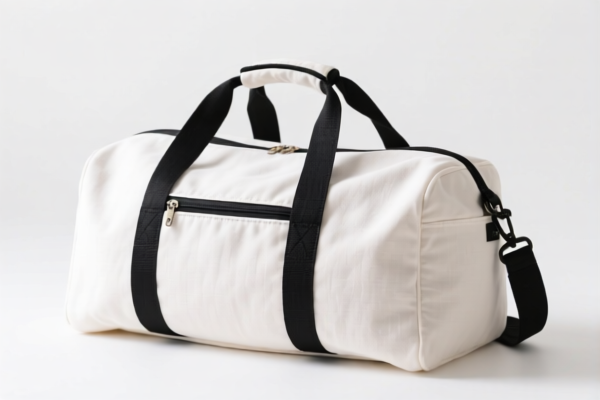
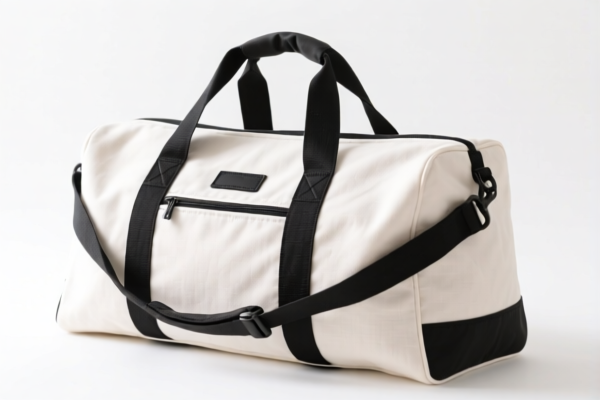
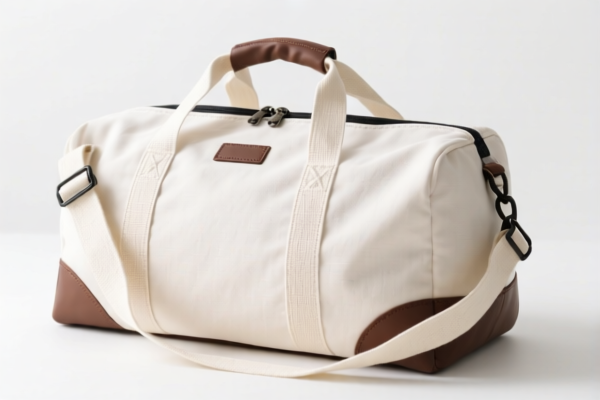
AI Analysis
🎒 Cotton Rope Hiking Travel Bag: Ultimate HS Code Classification & US Tariff Guide (2026)
🌐 HS Code Reference & Customs Clearance Guide | 2026 Latest Tariff Analysis | Professional Clearance Strategy
📌 One Product, Four Possible Fates: Why the "Cotton Rope Bag" Has 5 Different Tax Rates
A "Cotton Rope Hiking Travel Bag" sounds simple, but in the eyes of US Customs (CBP), it is a chameleon. Depending on how you define its primary material (rope vs. woven textile) and its intended use (packaging vs. luggage), it can fall under completely different HS Codes with tax rates ranging from 17.0% to 52.6%.
⚠️ Critical Insight:
The difference between a 17% tax rate and a 52.6% tax rate is often just one line in the product description. Classification determines profitability.
📦 Part 1: HS Code Classification Breakdown
Below are the 5 possible HS Codes based on the provided data, analyzed by their logical归类 (classification) rationale.
🧵 Category A: The "Rope & Cordage" Interpretation
If the bag is primarily made of twisted/coiled cotton ropes and not woven fabric.
| HS Code | Classification Rationale | Summary from Data |
|---|---|---|
| 5607.90.90.00 | Cordage, Ropes, Cables: Classified as thin ropes/cables/braids. Material is cotton fiber, form is a bag (interpreted as a rope product). | "Cotton rope bag classified as fine ropes/cables, material cotton fiber, form bag." |
| 6307.90.98.82 | Other Made-up Textile Articles: Classified as other made-up articles of cotton. Material is cotton, form is a bag. | "Cotton rope bag classified as other made-up cotton articles, material cotton, form bag." |
| 6307.90.89.40 | Other Made-up Textile Articles (Variant): Classified as other made-up cotton articles. Material is cotton, form is a bag. | "Cotton rope bag classified as other made-up cotton articles, material cotton, form bag." |
👜 Category B: The "Luggage & Handbags" Interpretation
If the bag is considered a wearable/travel accessory made of textile materials.
| HS Code | Classification Rationale | Summary from Data |
|---|---|---|
| 4202.92.15.00 | Travel/Sport Bags: Classified as cotton-made travel, sports, or similar bags. Material is cotton, form is a bag. | "Cotton rope bag classified as cotton-made travel/sports/similar bags, material cotton, form bag." |
| 4202.92.31.31 | Other Bags: Classified as other bags, material is textile, form is a bag. | "Cotton rope bag classified as other bags, material textile, form bag." |
💰 Part 2: 2026 US Tariff Rate Deep Dive
✅ Applicable Country: United States (US)
✅ Origin: China (CN) (Assumed based on the "122 Clause" and Section 301 context in the data)
✅ Effective Time: Current 2026 Tariff Structure
🎯 1. The "High Risk" Category: Section 301 + 122 Clause
These codes carry the heaviest tax burden due to叠加 (stacking) of tariffs.
| HS Code | Base Tariff | Section 301 Tariff | 122 Clause Tariff | Total Effective Rate | Analysis |
|---|---|---|---|---|---|
| 5607.90.90.00 | 6.3% | 25.0% | 10.0% | 41.3% | Classified as "Rope". High Section 301 duty applies. |
| 4202.92.15.00 | 6.3% | 25.0% | 10.0% | 41.3% | Classified as "Travel Bag". Same high duty as rope. |
| 4202.92.31.31 | 17.6% | 25.0% | 10.0% | 52.6% | Highest Rate! "Other Bags" often have higher base rates. |
📌 Explanation of Tariff Components:
- Base Tariff: The standard MFN (Most Favored Nation) rate.
- Section 301 Tariff (25%): Retaliatory tariffs on Chinese goods. Applies to most textile/bag categories from China.
- 122 Clause Tariff (10%): Specific statutory additions (often related to countervailing duties or specific legislative acts).
- Total:Base + Section 301 + 122 Clause = Total Tax.
🎯 2. The "Optimized" Category: Lower Base Tariff
This code offers a significant advantage if the goods can be legally classified here.
| HS Code | Base Tariff | Section 301 Tariff | 122 Clause Tariff | Total Effective Rate | Analysis |
|---|---|---|---|---|---|
| 6307.90.98.82 | 7.0% | 7.5% | 10.0% | 24.5% | Moderate Rate. Lower Section 301 duty than the 25% category. |
| 6307.90.89.40 | 7.0% | 0.0% | 10.0% | 17.0% | Lowest Rate! Zero Section 301 duty. This is the "Holy Grail" for cost reduction. |
📌 Key Distinction:
- Why is 6307.90.89.40 only 17%?
- It has a 0% Section 301 Tariff. This suggests this specific subheading may be exempt from the aggressive Section 301 trade war tariffs, or the data reflects a specific preferential treatment/exclusion for this "Other Made-up Article."
- Action Item: Verify if your specific bag structure qualifies for 6307.90.89.40.
🛠️ Part 3: Customs Clearance Practical Advice (Avoid Pitfalls)
✅ 1. Preparation Checklist (Must-Have Documents)
| Document | Required? | Why It Matters |
|---|---|---|
| ✅ Product Composition Sheet | ✔️ | Must specify % of cotton rope vs. woven cotton fabric. Critical for 5607 vs. 6307/4202. |
| ✅ Photos (360°) | ✔️ | Show the rope construction clearly. If it looks like a woven bag, Customs may reject "Rope" classification. |
| ✅ Function Description | ✔️ | Is it for carrying hiking gear (4202) or is it a decorative/holding rope assembly (5607/6307)? |
| ✅ Commercial Invoice | ✔️ | Must match the HS Code description exactly. |
| ✅ Packing List | ✔️ | Ensure weight/volume matches for duty calculation. |
✅ 2. Declaration Strategy: How to Choose the Right HS Code
🔥 "Structure Determines Classification, Description Determines Duty!"
| Scenario | Recommended HS Code | Risk Level | Reason |
|---|---|---|---|
| Bag made entirely of twisted cotton ropes (no woven fabric) | 5607.90.90.00 | Medium | High tax (41.3%), but accurate if strictly rope. |
| Bag made of cotton fabric, using ropes as handles/accents | 6307.90.89.40 | Low | Best Option! Lowest tax (17.0%). Argue it's an "Other Made-up Article" rather than a "Bag" (4202) or "Rope" (5607). |
| Bag primarily for travel/hiking with compartments | 4202.92.15.00 | High | High tax (41.3%). If it has zippers, handles, and specific travel function, Customs will push for this. |
| General purpose "tote" style made of textile | 4202.92.31.31 | Very High | Highest tax (52.6%). Avoid unless necessary. |
✅ 3. Special Handling Tips
| Situation | Advice |
|---|---|
| OEM Custom Bag | Provide design files. If the design emphasizes "rope weaving" rather than "sewn bag," push for 6307 or 5607. |
| Mixed Material | If the bag contains nylon or polyester ropes, the classification changes. Stick to 100% cotton for the rates above. |
| Samples | Send physical samples to a customs broker for Pre-Classification Ruling before bulk shipment. |
| Origin Marking | Ensure "Made in China" is clearly marked. This triggers the Section 301 duties. |
🌍 Part 4: Global Market Comparison (Contextual)
| Market | Recommended HS Code | Est. Tariff Impact | Note |
|---|---|---|---|
| 🇺🇸 USA | 6307.90.89.40 | 17.0% | Best Choice. Avoids 25% Section 301. |
| 🇪🇺 EU | 6307.90.98 | ~5-10% | Generally lower base tariffs, no Section 301. |
| 🇨🇳 China (Import) | 6307.90.98 | ~5% | Low duty, focuses on consumer goods. |
| 🇦🇺 Australia | 6307.90.98 | ~5% | GSP benefits may apply depending on origin. |
📌 Conclusion:
For the US market, 6307.90.89.40 is the clear winner for cost efficiency. Goal: Argue it is an "Other Made-up Textile Article" (6307), NOT a "Travel Bag" (4202) or "Rope" (5607).
📌 Part 5: Common Mistakes & Blood-Sweating Lessons
❌ Mistake 1: Calling it a "Hiking Bag" in the description.
👉 Consequence: Customs defaults to 4202 (Travel Bag) → 41.3% or 52.6% Tax.
✅ Fix: Use neutral terms like "Cotton Rope Carrier," "Textile Storage Sack," or "Decorative Rope Bag."
❌ Mistake 2: Ignoring the "Rope" vs. "Fabric" distinction.
👉 Consequence: If it's woven fabric but declared as rope, Customs will reclassify and penalize.
✅ Fix: Be honest. If it's woven, go for 6307. If it's twisted rope, go for 5607.
❌ Mistake 3: Assuming all "Cotton Bags" are the same.
👉 Consequence: Missing the 17.0% vs 52.6% difference.
✅ Fix: Analyze the construction method. Stitched woven = 6307/4202. Twisted/Knotted = 5607.
🎯 Conclusion: Professional Classification Saves Money!
🎯 Remember the Golden Rule:
🔹 "Don't call it a bag if it's a sack. Don't call it a rope if it's fabric."
🔹 HS Code 6307.90.89.40 is your best friend: 17% Total Tax.
🔹 HS Code 4202.92.31.31 is your enemy: 52.6% Total Tax.
📌 Pro Tip:
Before shipping, consult a licensed US customs broker. Provide them with the product sample and construction photos. Request a Pre-Import Classification Ruling for 6307.90.89.40. This ensures your 17% rate is legally defensible.
📣 Immediate Action:
📞 Contact your freight forwarder.
📸 Take clear photos of the bag's weave/rope structure.
📝 Draft the commercial invoice with the description: "Cotton Textile Made-up Article, Non-Travel Specific."
🚀 Clearance Smooth, Taxes Low, Profit High!
✨ Professional Customs Clearance Starts with Precise Classification!
💼 Your Every Cent of Cost is Worth Calculating Precisely!
Customer Reviews
About HS Code Classification
The Harmonized System (HS) is an internationally standardized nomenclature developed by the World Customs Organization (WCO) to classify traded products. Over 200 countries use the HS system as the basis for customs tariffs, trade statistics, and import/export regulations.
Each HS code follows a hierarchical structure:
- Chapter (2 digits) — Broad category of goods (e.g., Chapter 84: Machinery and Mechanical Appliances)
- Heading (4 digits) — More specific grouping within the chapter
- Subheading (6 digits) — Internationally standardized breakdown, used by all WCO member countries
- National subdivisions (8-10 digits) — Country-specific extensions for further classification, such as US HTSUS 10-digit codes
Correct HS code classification is essential for smooth customs clearance, accurate duty payment, and compliance with trade regulations. Misclassification can lead to customs delays, overpayment of duties, or penalties.
When importing from CN to US, the applicable tariff rates may include:
- Most-Favored-Nation (MFN) rate — The standard duty rate applied to WTO members
- General rate — Applied to countries without trade agreements
- Trade remedy duties — Additional tariffs such as Section 301 (anti-dumping), Section 232 (national security), or countervailing duties
The information provided on this page is for reference purposes only. For official classification, please consult with your local customs authority or a licensed customs broker.