Cotton Shoulder Bag
CN → US| HS Code | Tariff Rate | Origin | Destination | Doc |
|---|---|---|---|---|
| 9506996080 | 21.5% | CN | US | Official Doc |
| 4202923316 | 52.6% | CN | US | Official Doc |
| 4202921500 | 41.3% | CN | US | Official Doc |
Product Images
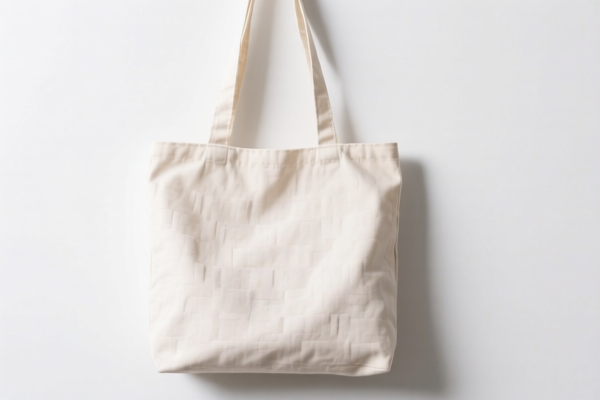
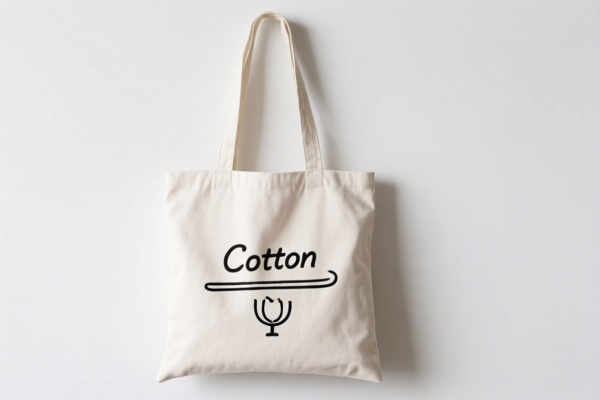
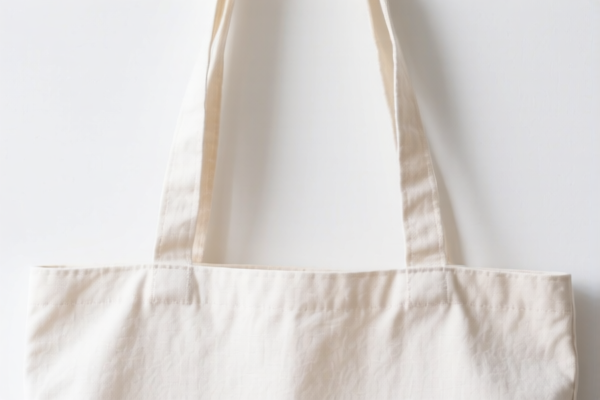
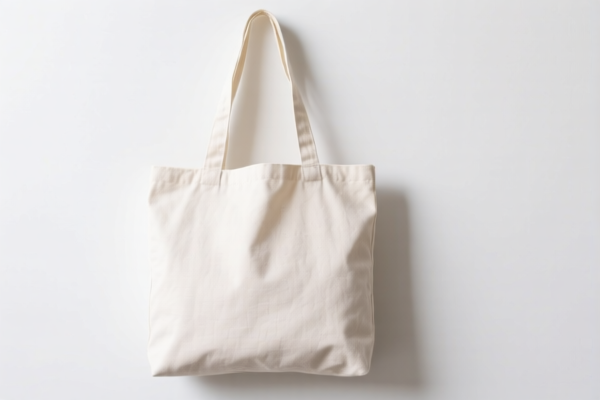
AI Analysis
🎒 Cotton Shoulder Bag (Fitness & Travel Gear)
🌐 HS Code Reference & Clearance Guide | 2026 Latest Tariff Analysis | Professional Customs Strategy
📌 I. Product Definition & Classification: Do You Really Know the "Cotton Shoulder Bag"?
A cotton shoulder bag, specifically designed for fitness, travel, or daily sports use, is a versatile accessory classified under Chapter 42 of the Harmonized System. However, misclassification is the #1 cause of excessive tariffs for this product. The key to accurate classification lies in identifying the primary material, intended use, and structural composition.
⚠️ Key Distinction Points:
- If the bag is primarily used for general luggage/travel and made of textile materials (cotton) → It falls under 4202 (Luggage, Handbags, Similar Containers).
- If the bag is specifically designed as sports equipment/accessories and made of textile materials → It may fall under 9506 (Articles and equipment for general physical exercise).
- Crucial: The presence of addtional tariffs (Section 301, Section 232, etc.) varies significantly based on the specific HS Code chosen.
📦 II. HS Code Classification Details (2026 Latest Tariff Authority Comparison)
Based on the provided data, here are the three possible classifications for "Cotton Shoulder Bag":
| HS Code | Product Description | Applicable Scenario | Total Tax Rate |
|---|---|---|---|
9506.99.60.80 |
Cotton fitness bag, for sports exercise, material: cotton | Sports-specific gear, gym use | 21.5% |
4202.92.33.16 |
Cotton shoulder bag, outer surface textile (cotton), for travel or sports | General travel/lifestyle bag | 52.6% |
4202.92.15.00 |
Cotton shoulder bag, cotton-made, classified as sports-related bags | Sports-related textile bags | 41.3% |
🔍 Key Insight:
-9506.99.60.80offers the lowest total tax rate (21.5%), making it the most cost-effective if the product can be justified as "sports equipment."
-4202.92.33.16has the highest total tax rate (52.6%), due to higher base duties and additional tariffs.
-4202.92.15.00is a middle ground (41.3%), often used when the bag is clearly for sports but classified under luggage.
💰 III. 2026 Latest Tariff Rate Details (Including Additional Taxes & Policy Additions)
✅ Applicable Country: United States (US)
✅ Origin: China (CN)
✅ Effective Time: 2025-11-10 onwards (including subsequent imports)
🎯 1. 9506.99.60.80 —— Cotton Fitness Bag (Sports Equipment)
| Item | Details |
|---|---|
| Base Tariff | 4.0% |
| Section 301 Additional Tariff | 7.5% |
| Section 232 Tariff (Steel/Aluminum/Copper) | 10% |
| Aluminum Products Additional Tariff | 50% |
| Total Tax Rate | 21.5% |
| Tax Calculation | CIF Value × 21.5% |
| De Minimis Exemption | ❌ Not Eligible (Deny De Minimis) |
| Legal Basis Path | USITC:9506.99.60.80 → Section 301: 7.5% → Section 232: 10% → Aluminum Add-on: 50% |
📌 Explanation:
- Section 232 Tariff (10%) applies to steel/aluminum/copper products. If the bag contains metal components (e.g., zippers, buckles, frames) that are classified as steel/aluminum, this tariff may apply.
- Aluminum Products Additional Tariff (50%) suggests that if the bag has significant aluminum parts, this high tariff is triggered.
- Total 21.5% is still lower than the 4202 options, but the Section 232 component is complex and requires careful material declaration.
🎯 2. 4202.92.33.16 —— Cotton Shoulder Bag (Travel/Lifestyle)
| Item | Details |
|---|---|
| Base Tariff | 17.6% |
| Section 301 Additional Tariff | 25.0% |
| Section 232 Tariff (10% Steel/Aluminum/Copper) | 10% |
| Total Tax Rate | 52.6% |
| Tax Calculation | CIF Value × 52.6% |
| De Minimis Exemption | ❌ Not Eligible (Deny De Minimis) |
| Legal Basis Path | USITC:4202.92.33.16 → Section 301: 25.0% → Section 232: 10% |
📌 Note:
- Base Tariff of 17.6% is significantly higher than 4.0% for9506.
- Section 301 Additional Tariff of 25% is standard for many Chinese textile products.
- Total 52.6% is extremely high, making this classification cost-prohibitive for most exporters.
🎯 3. 4202.92.15.00 —— Cotton Shoulder Bag (Sports-Related Luggage)
| Item | Details |
|---|---|
| Base Tariff | 6.3% |
| Section 301 Additional Tariff | 25.0% |
| Section 232 Tariff (10% Steel/Aluminum/Copper) | 10% |
| Total Tax Rate | 41.3% |
| Tax Calculation | CIF Value × 41.3% |
| De Minimis Exemption | ❌ Not Eligible (Deny De Minimis) |
| Legal Basis Path | USITC:4202.92.15.00 → Section 301: 25.0% → Section 232: 10% |
📌 Note:
- Base Tariff of 6.3% is lower than4202.92.33.16(17.6%) but higher than9506(4.0%).
- Section 301 Additional Tariff of 25% is the same as above.
- Total 41.3% is moderate but still high compared to9506.
🛠️ IV. Customs Clearance Practical Advice (Battle-Tested Pitfall Avoidance Guide)
✅ 1. Required Documents Checklist (Missing Any = Delay/Rejection)
| Document | Mandatory? | Notes |
|---|---|---|
| ✅ Product Specification Sheet | ✔️ | Must specify material composition (cotton %), size, and intended use (fitness vs. travel). |
| ✅ Product Photos | ✔️ | Clear images showing the bag’s structure, zippers, and any metal parts. |
| ✅ Commercial Invoice | ✔️ | Must clearly state: "Cotton Shoulder Bag for Sports/Fitness Use." |
| ✅ Packing List | ✔️ | Detail contents to avoid confusion with other goods. |
| ✅ Material Declaration | ✔️ | Explicitly list metal components (zippers, buckles) to determine Section 232 applicability. |
| ✅ Certificate of Origin (CO) | ✔️ | If non-China origin, may qualify for lower tariffs. |
✅ 2. Declaration Tips (Key Mantra)
🔥 "Sports First, Travel Second; Declare Use, Not Just Material!"
| Scenario | Correct Declaration | Error to Avoid |
|---|---|---|
| Bag primarily for gym/fitness | 9506.99.60.80 |
Declaring as "luggage" → 52.6% |
| Bag for daily travel | 4202.92.33.16 |
Declaring as "sports equipment" → Risk of rejection |
| Bag has metal frames/zippers | Ensure Section 232 applies to 9506 too |
Ignoring metal content → Underpayment penalties |
✅ 3. Special Cases Handling
| Situation | Handling Advice |
|---|---|
| Bag with Metal Buckles/Zippers | Declare these as "accessories." If they are steel/aluminum, Section 232 may apply to the entire bag if not properly segmented. |
| OEM Custom Bags | Provide design drawings to prove "sports-specific" features (e.g., shoe compartments, wet pockets). |
| Mixed Material Bags | If cotton is <50%, classification may change. Ensure cotton is the primary material. |
| Bags with Brand Logo | Ensure brand is not restricted. Provide trademark authorization if required. |
🌍 V. Global Market Comparison (2026 Latest)
| Country/Region | Recommended HS Code | Tariff | Certification | Notes |
|---|---|---|---|---|
| 🇺🇸 USA | 9506.99.60.80 |
21.5% | None | Lowest tariff option |
| 🇨🇳 China | 4202.92.15.00 |
6.3% | CCC | No additional tariffs |
| 🇪🇺 EU | 4202.92.15.00 |
0-4% | CE | Low tariffs |
| 🇦🇺 Australia | 4202.92.15.00 |
5% | RCM | No additional tariffs |
| 🇯🇵 Japan | 4202.92.15.00 |
0-8% | PSE | No additional tariffs |
📌 Conclusion:
- USA is the most challenging market due to high additional tariffs.
- Choosing9506.99.60.80can save ~30% compared to4202options.
- Non-US markets have lower tariffs, so classification is less critical for cost, but still important for compliance.
📌 VI. Common Errors & Pitfalls (Blood-Stained Lessons)
❌ Error 1: Declaring a "travel bag" as "sports equipment" to get lower tariffs
👉 Consequence: Customs audit reveals actual use → Penalties + Back Taxes + Delays
❌ Error 2: Ignoring metal components (zippers, buckles) in material declaration
👉 Consequence: Section 232 tariffs applied incorrectly → Underpayment + Interest
❌ Error 3: Using vague descriptions like "Cotton Bag"
👉 Consequence: Customs cannot determine classification → 100% Inspection + Delay
❌ Error 4: Assuming all cotton bags fall under 9506
👉 Consequence: If not for sports, 9506 is invalid → Reclassification + Higher Tariffs
✅ Correct Practice:
"Cotton Shoulder Bag, Model XYZ, Designed for Gym/Fitness Use, with Shoe Compartment, Cotton Outer, Polyester Lining, Metal Zippers"
🎯 VII. Conclusion: Professional Declaration, Save Time, Cut Costs!
🎯 Remember the Mantra:
🔹 "Sports Use, Low Tariff; Travel Use, High Cost; Declare Clearly, Avoid Costly Mistakes!"
🔹 "HS Code Determines Profit; 30% Difference Can Make or Break Your Deal!"
📌 Pro Tip:
If your bag has minimal metal content, argue for Section 232 exemption by providing material breakdowns.
For USA imports, always apply for Advance Ruling to confirm9506.99.60.80eligibility.
📣 Immediate Action:
📞 Contact Professional Customs Broker + Provide Product Photos + Request HS Code Advance Ruling
🚀 Ensure Smooth Clearance, Maximize Profit, Export Efficiently!
✨ Professional Clearance Starts with Accurate Classification!
💼 Every Cent Saved is Pure Profit!
Customer Reviews
About HS Code Classification
The Harmonized System (HS) is an internationally standardized nomenclature developed by the World Customs Organization (WCO) to classify traded products. Over 200 countries use the HS system as the basis for customs tariffs, trade statistics, and import/export regulations.
Each HS code follows a hierarchical structure:
- Chapter (2 digits) — Broad category of goods (e.g., Chapter 84: Machinery and Mechanical Appliances)
- Heading (4 digits) — More specific grouping within the chapter
- Subheading (6 digits) — Internationally standardized breakdown, used by all WCO member countries
- National subdivisions (8-10 digits) — Country-specific extensions for further classification, such as US HTSUS 10-digit codes
Correct HS code classification is essential for smooth customs clearance, accurate duty payment, and compliance with trade regulations. Misclassification can lead to customs delays, overpayment of duties, or penalties.
When importing from CN to US, the applicable tariff rates may include:
- Most-Favored-Nation (MFN) rate — The standard duty rate applied to WTO members
- General rate — Applied to countries without trade agreements
- Trade remedy duties — Additional tariffs such as Section 301 (anti-dumping), Section 232 (national security), or countervailing duties
The information provided on this page is for reference purposes only. For official classification, please consult with your local customs authority or a licensed customs broker.