Cotton Small Wallet
CN → US| HS Code | Tariff Rate | Origin | Destination | Doc |
|---|---|---|---|---|
| 6217909075 | 32.1% | CN | US | Official Doc |
| 6217109510 | 32.1% | CN | US | Official Doc |
| 4202329100 | 52.6% | CN | US | Official Doc |
| 6307909891 | 24.5% | CN | US | Official Doc |
| 6307908940 | 17.0% | CN | US | Official Doc |
Product Images
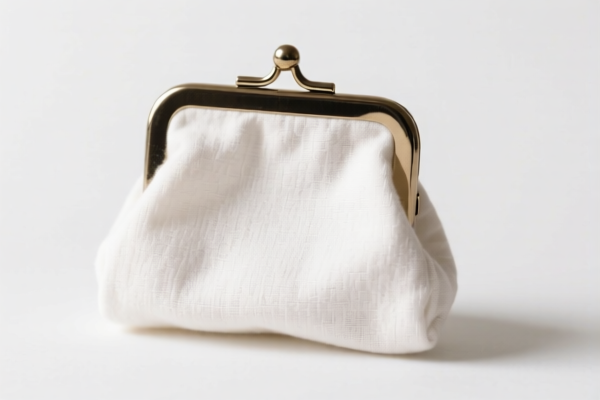
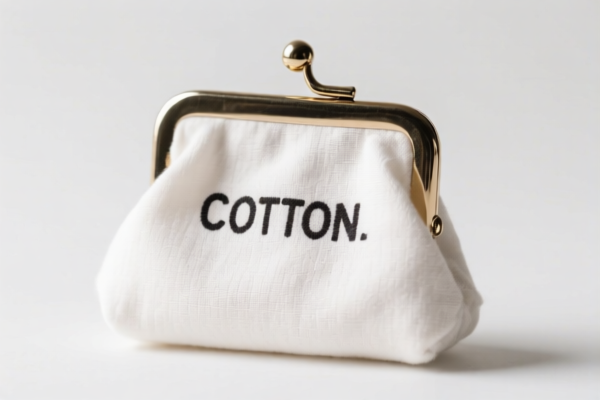


AI Analysis
👜 Cotton Small Wallet (棉质时尚钱包/小物件袋)
🌐 HS Code Classification & Customs Clearance Guide | 2026 Latest Tariff Analysis | Strategic Duty Optimization
📌 I. Product Definition & Classification Logic: What is a "Cotton Wallet"?
A "Cotton Small Wallet" can be complex to classify because it straddles the line between textile accessories and leather/travel goods. The final duty rate varies significantly (from 17.0% to 52.6%) depending on how U.S. Customs and Border Protection (CBP) interprets its primary function and material composition.
Key Classification Distinctions:
- Accessory Nature (Chapter 62): If viewed as a fashion accessory or garment accessory (like a belt or scarf), it may fall under heading 6217.
- Travel/Goods Nature (Chapter 42): If viewed as a container for carrying personal items (coins, cards, cash) similar to a leather wallet, it falls under heading 4202.
- Other Made-Up Textile Articles (Chapter 63): If viewed as a generic small pouch or bag without specific "wallet" functionality, it falls under 6307.
⚠️ Critical Note:
- Material Matters: All items in this data are Cotton. Non-cotton materials (e.g., synthetic) may have different base rates but similar surcharge structures.
- Structure Matters: Does it have zippers, snaps, or dividers? This pushes it towards 4202 (Wallet/Bag). A simple open pouch leans towards 6307.
📦 II. HS Code Classification Details (2026 Authority Reference)
| HS Code | Product Description | Classification Logic | Duty Profile |
|---|---|---|---|
6217.90.90.75 |
Cotton Fashion Wallet (Accessory) | Category: Other made-up clothing accessories. Logic: "Bottom-up" logic for fashion items not specifically mentioned elsewhere. |
32.1% |
6217.10.95.10 |
Cotton Fashion Wallet (Garment Accessory) | Category: Made-up clothing accessories. Logic: Fits the characteristic of cotton-made garment accessories. |
32.1% |
4202.32.91.00 |
Pure Cotton Wallet (Personal Item) | Category: Articles of a kind normally carried in pocket/handbag. Logic: Standard wallet definition (cards/cash holder). |
52.6% |
6307.90.98.91 |
Cotton Small Object Bag (Other) | Category: Other made-up textile articles. Logic: General "pouch" classification, no material conflict. |
24.5% |
6307.90.89.40 |
Cotton Small Object Bag (Similar Product) | Category: Made-up textile articles. Logic: Fits cotton-based similar products (like coats/other items). |
17.0% |
🔍 Key Insight:
- Cheapest Route:6307.90.89.40at 17.0% total tax.
- Most Expensive Route:4202.32.91.00at 52.6% total tax.
- Why the difference? Chapter 42 (Leather/Travel Goods) often attracts higher tariffs and stricter 301/122 surcharges on Chinese origin compared to generic textile articles in Chapter 63.
💰 III. 2026 Latest Tariff Rate Breakdown (Detailed Tax Clauses)
✅ Applicable Country: United States (US)
✅ Origin: China (CN) (Assumed based on 122 Clauses and 301-style details)
✅ Effective Time: Current Active Rates
🎯 1. The "Fashion Accessory" Route (6217.xxxx)
HS Codes: 6217.90.90.75 / 6217.10.95.10
Total Tax: 32.1%
| Tax Component | Rate | Explanation |
|---|---|---|
| Base Tariff | 14.6% | Standard Most Favored Nation (MFN) rate for textile accessories. |
| Section 301 Surcharge | 7.5% | Additional tariff on specific Chinese textile categories. |
| Section 122 Surcharge | 10.0% | Special additional tariff (likely referencing specific enforcement provisions). |
| Total Effective Rate | 32.1% | Sum of all applicable duties. |
📌 Explanation:
- This classification is favorable if the wallet is marketed strictly as a "fashion accessory" rather than a functional "money holder."
- Legal Basis: Combines MFN rates with specific Section 301 and Section 122 enforcement footnotes.
🎯 2. The "Wallet/Bag" Route (4202.xxxx)
HS Code: 4202.32.91.00
Total Tax: 52.6% ⚠️ HIGHEST RISK
| Tax Component | Rate | Explanation |
|---|---|---|
| Base Tariff | 17.6% | Base rate for articles of a kind normally carried in pockets. |
| Section 301 Surcharge | 25.0% | High-level surcharge for travel goods/leather-like articles from China. |
| Section 122 Surcharge | 10.0% | Additional enforcement tariff. |
| Total Effective Rate | 52.6% | Extremely High. |
📌 Warning:
- CBP often classifies wallets as 4202 because they are "articles carried in pockets."
- The 25% Section 301 rate on this heading is significantly higher than the 7.5% rate for textile accessories.
- Avoid this classification if possible unless the product clearly lacks textile characteristics (e.g., has leather lining, rigid structure).
🎯 3. The "Other Textile Article" Route (6307.xxxx)
HS Codes: 6307.90.98.91 / 6307.90.89.40
A. General Pouch (6307.90.98.91)
- Total Tax: 24.5%
- Breakdown: Base 7.0% + Section 301 (7.5%) + Section 122 (10%).
- Logic: Viewed as a generic "bag for small objects," not a dedicated wallet.
B. Cotton Similar Product (6307.90.89.40) ✅ OPTIMAL
- Total Tax: 17.0%
- Breakdown: Base 7.0% + Section 301 (0.0%) + Section 122 (10%).
- Logic: Specific cotton-made up article. Notably, Section 301 is 0% here.
- Why it’s cheaper: Certain cotton textile sub-headings under 6307 are excluded from the highest 301 brackets, retaining only the base and 122 tariffs.
🛠️ IV. Customs Clearance Practical Advice (Avoid Pitfalls)
✅ 1. Documentation Checklist (Non-Negotiable)
| Document | Required? | Purpose |
|---|---|---|
| Product Specification Sheet | ✔️ | Must specify: Material (100% Cotton), Dimensions, Closure Type (Zipper/Snap), Contents (Cards/Cash slots). |
| Product Photos | ✔️ | Show interior layout. If it has no compartments, argue for 6307 (Bag/Pouch) not 4202 (Wallet). |
| Commercial Invoice | ✔️ | Description should be precise: "Cotton Fabric Pouch/Wallet, Fashion Accessory, No Leather Components." |
| Origin Declaration | ✔️ | Crucial for determining 301/122 applicability. |
| Material Test Report | ✔️ | Proof of 100% Cotton to support Chapter 60/62/63 classification over Chapter 42. |
✅ 2. Classification Strategy (The "Wallet" vs. "Pouch" Debate)
| Scenario | Recommended HS Code | Strategy |
|---|---|---|
| Structured Wallet with coin pouch, credit card slots, rigid shape | 4202.32.91.00 (or 6217 if argue accessory) |
High risk of 4202 (52.6%). Argue it is a "Textile Accessory" (6217) if design is fashion-focused. |
| Simple Pouch with zip closure, used for coins/cosmetics | 6307.90.89.40 |
Best Option (17.0%). Argue it is a "small object bag," not a primary wallet. |
| Fashion Clutch or Decorative Item | 6217.90.90.75 |
Good Option (32.1%). Emphasize "Fashion Accessory" over utility. |
🔥 Golden Rule:
"Don't say 'Wallet' if you can say 'Pouch' or 'Accessory'."
- Use terms like "Cotton Coin Pouch," "Cosmetic Bag," or "Fashion Accessory Pouch" in your invoice and marketing.
- Avoid the word "Wallet" in the final product description if possible, as it triggers Chapter 42 scrutiny.
✅ 3. Special Handling for Section 122 & 301
- Section 122 (10%): Applies to most Chinese-origin goods regardless of HS Code. It is unavoidable unless specific exemptions apply.
- Section 301 Variation:
- If you classify under
4202, you pay 25%. - If you classify under
6217or6307, you may pay only 7.5% or 0%. - Action: Ensure your product description highlights textile nature and accessory function to avoid the high 301 rate of Chapter 42.
🌍 V. Global Market Comparison (2026 Snapshot)
| Market | Recommended HS Code | Est. Duty (China Origin) | Key Requirement |
|---|---|---|---|
| 🇺🇸 USA | 6307.90.89.40 |
17.0% | Section 301/122 Apply. |
| 🇺🇸 USA | 4202.32.91.00 |
52.6% | High Risk. Avoid if possible. |
| 🇪🇺 EU | 4202.32.91 |
~5-12% | No Section 301/122. Lower duties. |
| 🇨🇳 China | 4202.32.91 |
10-15% | Import duty for Chinese goods entering China (if re-importing). |
📌 Conclusion:
- The U.S. market is the most challenging due to Section 301 and Section 122.
- Optimization is key: Shifting from4202(52.6%) to6307(17.0%) saves 35.6% in taxes.
- This difference can be the difference between profit and loss.
📌 VI. Common Mistakes & Pitfalls (Lessons Learned)
❌ Mistake 1: Labeling the product as "Leather-Style Wallet" when it is Cotton.
👉 Consequence: CBP may investigate material fraud or misclassification.
👉 Fix: Be honest about material. Use "Cotton" prominently.
❌ Mistake 2: Using "Wallet" in the commercial invoice.
👉 Consequence: CBP defaults to 4202 (52.6%) due to strong legal precedent for wallets.
👉 Fix: Use "Cotton Pouch," "Coin Purse," or "Accessory Bag."
❌ Mistake 3: Ignoring Section 122.
👉 Consequence: Unexpected 10% charge at customs.
👉 Fix: Budget for 10% regardless of HS Code choice.
✅ Correct Approach:
"100% Cotton Fabric Accessory Pouch, Zip Closure, for Cosmetics/Coins. Fashion Item. Not a Leather Good."
🎯 VII. Conclusion: Strategic Classification for Profit
🎯 Remember the Formula:
🔹 "Textile + Accessory + Pouch Shape = Low Duty (17-32%)"
🔹 "Wallet + Pocket Item = High Duty (52.6%)"
🔹 "Section 301 is the Enemy: Avoid Chapter 42"
📌 Pro Tip:
- If your product has no rigid structure and is soft/cushiony, argue for 6307.
- If it has multiple compartments for cards, argue for 6217 (Accessory) rather than 4202 (Wallet).
- Always request a Pre-Decision Ruling from CBP if the shipment value is high, to lock in the favorable HS Code.
📣 Immediate Action:
📞 Review your Invoice: Change "Wallet" to "Cotton Pouch/Accessory."
📄 Prepare Specs: Highlight "100% Cotton" and "Flexible Structure."
🚀 Calculate Savings: Compare 52.6% vs 17.0% on your COGS. The difference is massive.
✨ Precision in Classification Saves Money.
💼 Don't let CBP decide your duty rate—guide them with precise documentation.
Customer Reviews
About HS Code Classification
The Harmonized System (HS) is an internationally standardized nomenclature developed by the World Customs Organization (WCO) to classify traded products. Over 200 countries use the HS system as the basis for customs tariffs, trade statistics, and import/export regulations.
Each HS code follows a hierarchical structure:
- Chapter (2 digits) — Broad category of goods (e.g., Chapter 84: Machinery and Mechanical Appliances)
- Heading (4 digits) — More specific grouping within the chapter
- Subheading (6 digits) — Internationally standardized breakdown, used by all WCO member countries
- National subdivisions (8-10 digits) — Country-specific extensions for further classification, such as US HTSUS 10-digit codes
Correct HS code classification is essential for smooth customs clearance, accurate duty payment, and compliance with trade regulations. Misclassification can lead to customs delays, overpayment of duties, or penalties.
When importing from CN to US, the applicable tariff rates may include:
- Most-Favored-Nation (MFN) rate — The standard duty rate applied to WTO members
- General rate — Applied to countries without trade agreements
- Trade remedy duties — Additional tariffs such as Section 301 (anti-dumping), Section 232 (national security), or countervailing duties
The information provided on this page is for reference purposes only. For official classification, please consult with your local customs authority or a licensed customs broker.