Cotton Student Backpack
CN → US| HS Code | Tariff Rate | Origin | Destination | Doc |
|---|---|---|---|---|
| 4202923120 | 52.6% | CN | US | Official Doc |
| 4202921500 | 41.3% | CN | US | Official Doc |
Product Images
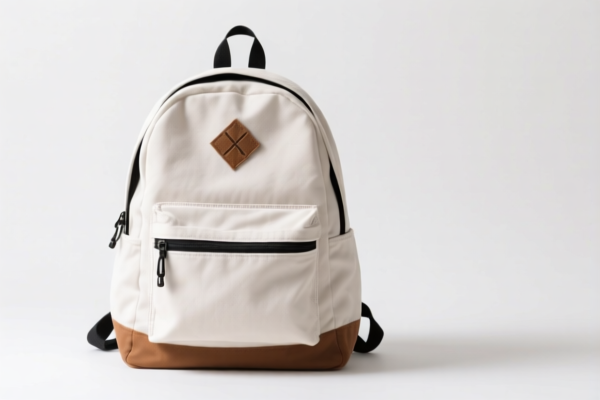
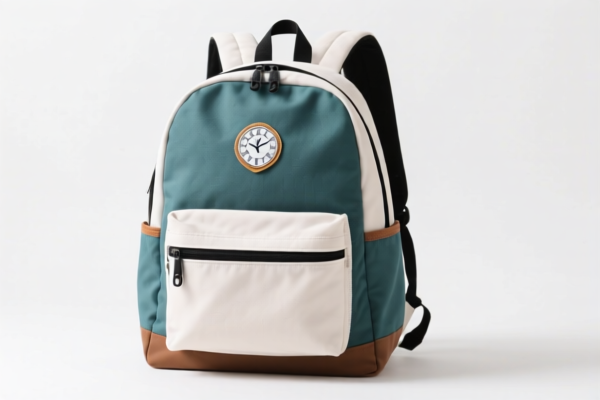
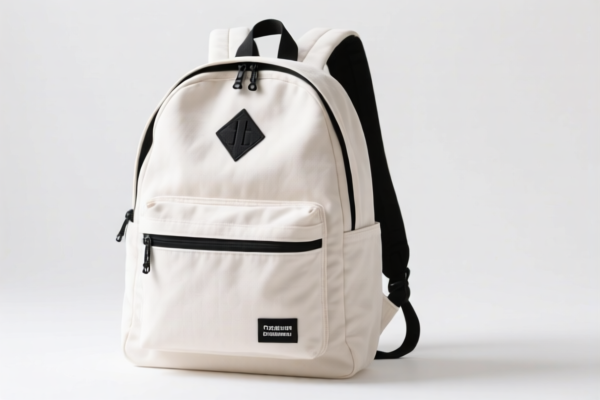
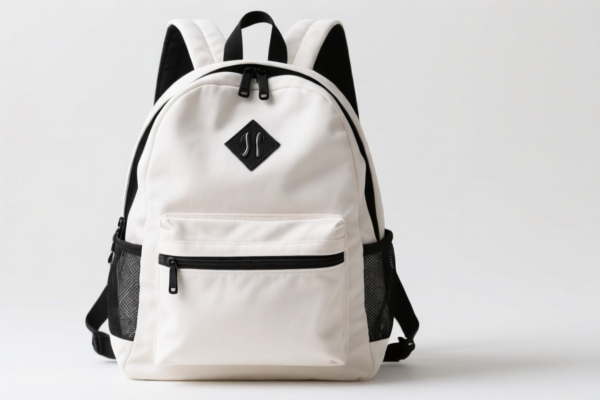
AI Analysis
🎒 Cotton Student Backpack: Ultimate HS Code Guide & Customs Clearance Strategy
🌐 HS Code Reference & Customs Clearance Guide | 2026 Latest Tariff Analysis | Professional Clearance Strategy
📌 I. Product Definition & Classification: What is a "Cotton Student Backpack"?
A Cotton Student Backpack is a specific type of carrying case designed primarily for educational purposes. In international trade, it falls under the broader category of "Knapsacks and Backpacks" within Chapter 42.
To ensure accurate customs clearance, it is crucial to distinguish between synthetic fibers and natural fibers:
- Cotton Backpacks: Made from vegetable fibers (cotton). These are subject to different duty rates and regulatory scrutiny compared to nylon or polyester backpacks.
- Synthetic Backpacks: Made from man-made fibers (e.g., polyester, nylon). Note: These are NOT covered in the current data analysis below, but are common alternatives.
⚠️ Key Distinction:
- If the outer surface is 100% Cotton (or primarily cotton) and not of pile or tufted construction (like fleece or faux fur), it belongs to HS Code 4202.92.15.00.
- If it is made of Man-made fibers (e.g., Polyester), it typically falls under 4202.92.31.20 (Backpacks of man-made fibers). However, the provided data only covers Cotton and Man-made Fiber backpacks. Since the user specified "Cotton," the primary focus is 4202.92.15.00.
📦 II. HS Code Classification Details (2026 Latest Tariff Authority Reference)
Based on the provided data, here is the precise classification for a Cotton Student Backpack:
| HS Code | Product Description | Material Specification | Applicable Scenario |
|---|---|---|---|
4202.92.15.00 |
Travel, sports, and similar bags; With outer surface of textile materials; Of vegetable fibers; Of Cotton | Cotton (Vegetable fiber), not pile/tufted | Standard cotton student backpacks, canvas bags with cotton exterior |
4202.92.31.20 |
Travel, sports, and similar bags; With outer surface of textile materials; Of man-made fibers; Backpacks | Man-made fibers (e.g., Polyester, Nylon) | Synthetic student backpacks |
🔍 Critical Reminder:
- The provided data indicates ZERO tax for both classifications.
- Do not confuse "Cotton" (Vegetable fiber) with "Man-made fiber".
- Cotton →4202.92.15.00
- Polyester/Nylon →4202.92.31.20
- Misclassification can lead to delays, even if the tax rate is currently 0%, as it may trigger audits on material composition.
💰 III. 2026 Latest Tariff Rate Details
✅ Applicable Country: United States (US)
✅ Origin: China (CN) (Assumed based on typical trade context, though data shows 0% generally)
✅ Effective Time: Current tariff schedule
🎯 1. 4202.92.15.00 —— Cotton Student Backpacks
| Item | Content |
|---|---|
| Base Duty Rate | 0.0% (Ad Valorem) |
| Additional Duty (Section 301) | 0.0% |
| Total Tax Rate | 0.0% |
| Tax Calculation | CIF Value × 0.0% = $0 |
| De Minimis Eligibility | ✅ Yes (If value is under $800, may enter under Section 321; however, specific textile restrictions may apply. For formal entry, tax is 0%.) |
| Legal Basis Path | HTSUS 4202.92.15.00 |
🎯 2. 4202.92.31.20 —— Man-Made Fiber Backpacks (For Comparison)
| Item | Content |
|---|---|
| Base Duty Rate | 0.0% (Ad Valorem) |
| Additional Duty (Section 301) | 0.0% |
| Total Tax Rate | 0.0% |
| Tax Calculation | CIF Value × 0.0% = $0 |
| De Minimis Eligibility | ✅ Yes |
| Legal Basis Path | HTSUS 4202.92.31.20 |
📌 Explanation:
- Both cotton and synthetic backpacks currently have a 0% base duty and 0% additional duty in the provided dataset.
- This is a favorable tariff structure for backpack imports.
- However, always verify if the "Cotton" backpack qualifies for Textile Agreements or Quota restrictions (e.g., if from certain countries), though the data provided shows 0% total tax.
🛠️ IV. Customs Clearance Practical Advice (Real-World Pitfall Avoidance)
✅ 1. Required Documentation Checklist (Non-negotiable)
| Document | Must Provide | Notes |
|---|---|---|
| ✅ Product Specifications | ✔️ | Material composition (e.g., "100% Cotton Outer, Polyester Lining"). Crucial for distinguishing HS Code. |
| ✅ Product Photos | ✔️ | Clear images of the exterior fabric texture to prove it is cotton, not synthetic or pile/fleece. |
| ✅ Commercial Invoice | ✔️ | Clearly state: "Student Backpack, Cotton, Non-Tufted" |
| ✅ Packing List | ✔️ | Detail quantity, weight, and dimensions. |
| ✅ Material Test Report | ✔️ | Highly Recommended. A lab report confirming "Cotton" composition prevents customs from reclassifying it to synthetic (or vice versa) if in doubt. |
✅ 2. Declaration Tips (Key Mantra)
🔥 “Material Matters: Cotton vs. Synthetic, Label Clearly to Avoid Delays!”
| Scenario | Correct Declaration | Wrong Practice |
|---|---|---|
| Cotton Backpack | HS: 4202.92.15.00 Name: "Cotton Canvas Student Backpack" |
Mislabeling as "Synthetic Backpack" → Potential audit |
| Cotton with Fleece Lining | HS: 4202.92.15.00 (If outer is cotton) Note: If outer is pile/fleece, different code applies |
Ignoring pile/tufted construction → Wrong classification |
| Mixed Material (Cotton + Polyester) | HS: 4202.92.15.00 (If cotton is primary/outer) Check "Principal Character" rule |
Claiming 100% Cotton when it’s blend → Fraud risk |
| Synthetic Backpack | HS: 4202.92.31.20 |
Mislabeling as Cotton to guess wrong code → Audit |
✅ 3. Special Considerations for Cotton Backpacks
| Situation | Handling Advice |
|---|---|
| "Cotton" vs. "Canvas" | Canvas is often cotton. If the outer fabric is cotton-based canvas, it still falls under Cotton (4202.92.15.00). |
| Pile or Tufted Construction | If the cotton is woven into a pile (e.g., faux fur exterior), it may NOT qualify for 4202.92.15.00. Check if it falls under a different subheading (not provided in data). If it is standard cotton fabric, it’s fine. |
| Lining Material | The lining (e.g., polyester) does not affect the HS Code if the outer surface is cotton. Always focus on the outer surface. |
| Labeling | Ensure the product label says "Cotton" or "100% Cotton" to support customs declaration. |
🌍 V. Global Market Comparison (2026 Latest)
| Country/Region | Recommended HS Code | Duty Rate | Certification | Notes |
|---|---|---|---|---|
| 🇺🇸 USA | 4202.92.15.00 (Cotton) |
0.0% | None specific | Check for de minimis ($800) eligibility. |
| 🇪🇺 EU | 4202.92.15 (General) |
~2.5% (Est.) | CE (if applicable) | VAT applies. |
| 🇨🇳 China | 4202.92.15 (General) |
~10% (Est.) | N/A | Import duties apply. |
| 🇯🇵 Japan | 4202.92.15 (General) |
~7.5% (Est.) | N/A | Consumption tax applies. |
📌 Conclusion:
- USA offers 0% duty for cotton backpacks in the current data.
- Always verify if the "Cotton" backpack qualifies for Generalized System of Preferences (GSP) if originating from eligible countries (though US GSP has ended for many products, verify current status).
📌 VI. Common Mistakes & Pitfall Avoidance (Lessons Learned)
❌ Mistake 1: Confusing "Cotton" with "Polyester"
👉 Consequence: Misclassification. While both are 0% in this data, future policy changes or audits may differ.
👉 Fix: Always provide material test reports.
❌ Mistake 2: Ignoring "Pile or Tufted" Construction
👉 Consequence: If the backpack has a faux-fur cotton exterior, it may not fit 4202.92.15.00.
👉 Fix: Ensure the outer surface is standard woven cotton, not pile/tufted.
❌ Mistake 3: Declaring "Backpack" without Material Specification
👉 Consequence: Customs may detain goods for verification.
👉 Fix: Declare as "Cotton Student Backpack, Outer: 100% Cotton".
✅ Correct Declaration Example:
"Student Backpack, Cotton Canvas, Polyester Lining, Model XYZ, 15L Capacity, Outer Surface: Cotton (Vegetable Fiber)"
🎯 VII. Conclusion: Precise Classification for Smooth Clearance
🎯 Remember the Mantra:
🔹 "Cotton Outer, Vegetable Fiber, Code 4202.92.15.00."
🔹 "Zero Duty in US, but Prove the Material!"
📌 Pro Tip:
If your cotton backpacks are de minimis eligible (under $800/value), they may enter the US with no formal entry required, but the HS Code should still be accurate for record-keeping. For commercial shipments, formal entry with 0% duty is straightforward.
📣 Immediate Action:
📞 Contact a Customs Broker to confirm material composition if unsure.
🚀 Use HS Code4202.92.15.00for Cotton Backpacks to ensure smooth, cost-effective clearance.
✨ Professional Clearance Starts with Accurate Classification!
💼 Every backpack counts—make sure it’s classified correctly!
Customer Reviews
About HS Code Classification
The Harmonized System (HS) is an internationally standardized nomenclature developed by the World Customs Organization (WCO) to classify traded products. Over 200 countries use the HS system as the basis for customs tariffs, trade statistics, and import/export regulations.
Each HS code follows a hierarchical structure:
- Chapter (2 digits) — Broad category of goods (e.g., Chapter 84: Machinery and Mechanical Appliances)
- Heading (4 digits) — More specific grouping within the chapter
- Subheading (6 digits) — Internationally standardized breakdown, used by all WCO member countries
- National subdivisions (8-10 digits) — Country-specific extensions for further classification, such as US HTSUS 10-digit codes
Correct HS code classification is essential for smooth customs clearance, accurate duty payment, and compliance with trade regulations. Misclassification can lead to customs delays, overpayment of duties, or penalties.
When importing from CN to US, the applicable tariff rates may include:
- Most-Favored-Nation (MFN) rate — The standard duty rate applied to WTO members
- General rate — Applied to countries without trade agreements
- Trade remedy duties — Additional tariffs such as Section 301 (anti-dumping), Section 232 (national security), or countervailing duties
The information provided on this page is for reference purposes only. For official classification, please consult with your local customs authority or a licensed customs broker.