Cotton Wool and Cotton Filling
CN → US| HS Code | Tariff Rate | Origin | Destination | Doc |
|---|---|---|---|---|
| 5202990500 | 35.0% | CN | US | Official Doc |
| 5202991000 | 35.0% | CN | US | Official Doc |
Product Images
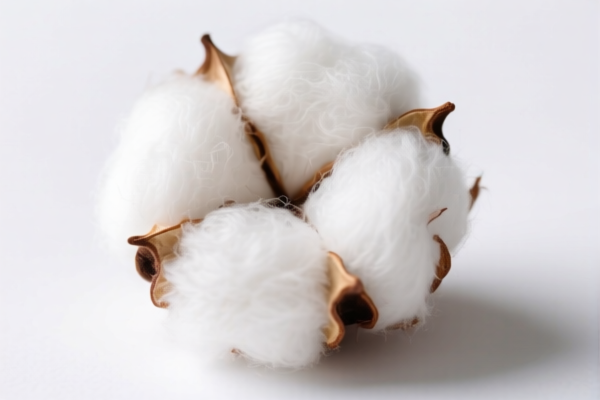
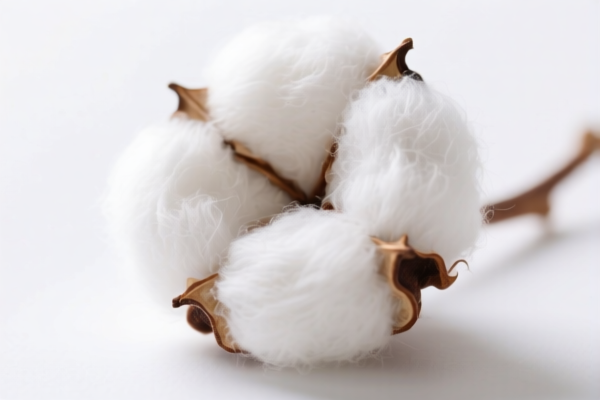
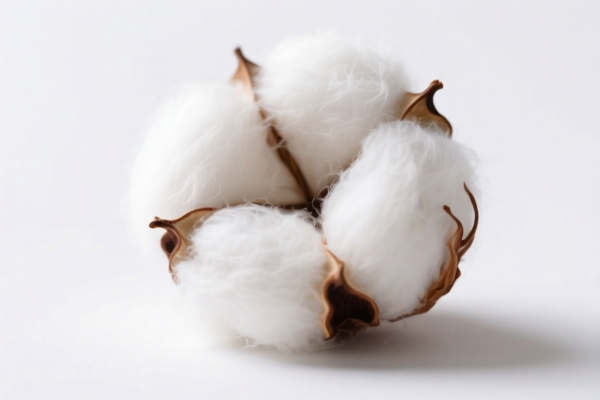
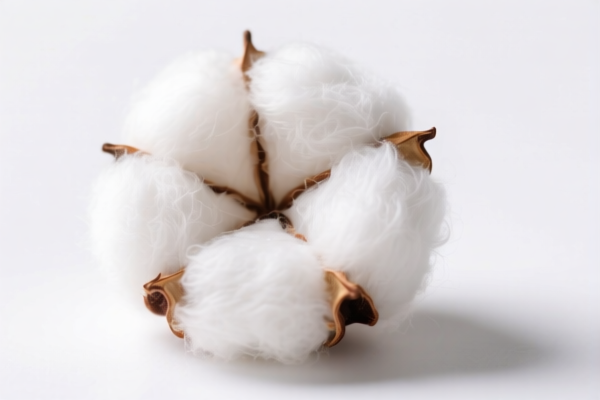
AI Analysis
🧵 Cotton Waste, Card Strips, and Waste Materials (Cotton Wool/Filling byproducts)
🌐 HS Code Reference & Customs Clearance Guide | 2026 Latest Tariff Analysis | Professional Clearance Strategy
📌 Part I: Product Definition & Classification: What exactly is "Cotton Wool and Filling" in the eyes of Customs?
In international trade, the terms "Cotton Wool" and "Cotton Filling" are often used loosely in daily language, but in the Harmonized Tariff Schedule (HTS), they are strictly categorized based on physical form, staple length, and processing stage.
The data provided refers specifically to Cotton Waste (including yarn waste and garnetted stock), which typically includes the byproducts generated during the spinning and weaving processes. This is distinct from raw cotton bales or finished medical cotton wool.
⚠️ Key Distinction Point:
- Finished Medical Cotton Wool/Pads: Usually classified under Chapter 30 or 63 depending on packaging and preparation.
- Industrial Cotton Filling (Raw/Semi-processed): Often falls under Chapter 52 if it's waste/off-cuts.
- The Specific HS Codes in Data: These refer to processed waste materials like "Card strips" (residue from carding machines) and general "lap/sliver/roving waste."
- Critical Factor: Staple Length. If the cotton staple length is under 30.1625 mm (1-3/16 inches), it falls into specific sub-categories for card strips and waste.
📦 Part II: Detailed HS Code Classification (2026 Latest Authorized对照)
Based strictly on the provided <DATA>, there are two specific HS Codes for this category of cotton waste, differentiated by the legal tariff note they are entered under. Both apply to:
1. Card strips made from cotton with staple length < 30.1625 mm.
2. Lap waste, sliver waste, and roving waste.
| HS Code | Product Description | Key Characteristics | Legal Entry Provision |
|---|---|---|---|
| 5202.99.05.00 | Card strips (staple < 30.1625 mm) and other waste (lap, sliver, roving) | - Card strips from short-staple cotton - Lap/sliver/roving waste - Described in General Note 15 of the tariff schedule |
Entered pursuant to General Note 15 |
| 5202.99.10.00 | Card strips (staple < 30.1625 mm) and other waste (lap, sliver, roving) | - Card strips from short-staple cotton - Lap/sliver/roving waste - Described in Additional U.S. Note 9 to this chapter |
Entered pursuant to Additional U.S. Note 9 |
🔍 Important Note:
- The physical product is essentially the same (cotton waste/card strips).
- The difference lies in the administrative/legal classification path (General Note 15 vs. Additional Note 9).
- Do not mix these up without verifying which "Note" your specific product description or origin document aligns with. Usually, this depends on the specific origin or trade agreement status, but for most general imports from China, both carry the same tax burden in the provided data.
💰 Part III: 2026 Latest Tariff Rate Breakdown (Including Surtaxes)
✅ Applicable Country: United States (US)
✅ Origin: Typically China (CN) (Based on the high surtax context)
✅ Effective Date: Current provisions apply
✅ Product: Cotton Waste (5202.99.05.00 / 5202.99.10.00)
🎯 1. HS Code 5202.99.05.00 (General Note 15)
| Item | Content |
|---|---|
| Base Duty Rate | 0.0% (Ad Valorem) |
| Section 301 Surcharge (USITC) | +25.0% |
| Total Tax Rate | 25.0% |
| Tax Calculation | CIF Value × 25% |
| De Minimis Exemption | ❌ Not Applicable (Usually, waste products are not eligible for Section 321 de minimis exemption if subject to Section 301 surtaxes) |
| Legal Basis Path | HTSUS: 5202.99.05.00 → USITC: Section 301 Footnote → Total: 25% |
🎯 2. HS Code 5202.99.10.00 (Additional U.S. Note 9)
| Item | Content |
|---|---|
| Base Duty Rate | 0.0% (Ad Valorem) |
| Section 301 Surcharge (USITC) | +25.0% |
| Total Tax Rate | 25.0% |
| Tax Calculation | CIF Value × 25% |
| De Minimis Exemption | ❌ Not Applicable |
| Legal Basis Path | HTSUS: 5202.99.10.00 → Additional US Note 9 → USITC: Section 301 Footnote → Total: 25% |
📌 Interpretation:
- The Base Tariff is 0%, meaning the US considers cotton waste as having no inherent duty rate.
- However, the 25% Surcharge is the critical cost driver. This is almost certainly due to Section 301 retaliatory tariffs on Chinese goods.
- Total Cost Impact: If you import $10,000 worth of this cotton waste, you pay $2,500 in tariffs.
- There is no IEEPA 10% or other additional layers listed in the<DATA>, so the total is strictly 25%.
🛠️ Part IV: Customs Clearance Practical Advice (Real-World Pitfall Avoidance)
✅ 1. Preparation Checklist (Non-negotiable)
| Document | Required? | Explanation |
|---|---|---|
| ✅ Commercial Invoice | ✔️ | Must clearly state "Cotton Waste" or "Card Strips," not "Cotton Wool" or "Filling." Mislabeling causes delays. |
| ✅ Packing List | ✔️ | Detail the weight (Gross/Net) precisely. |
| ✅ Bill of Lading (B/L) | ✔️ | Ensure HS Code 5202.99.05.00 or 5202.99.10.00 is reflected. |
| ✅ Product Description & Photo | ✔️ | Photos should show the waste state (fluffy, short fibers, not baled raw cotton). |
| ✅ Staple Length Confirmation | ✔️ | If asked, confirm staple length is < 30.1625 mm to justify the subheading. |
| ✅ Certificate of Origin (CO) | ✔️ | Critical for determining if the 25% surcharge applies (if origin is non-China, rate may be 0%). |
✅ 2. Declaration Tips (Golden Rules)
🔥 “Declare the Waste, Not the Wool! Specify the Note!”
| Scenario | Correct Declaration | Wrong Declaration | Consequence |
|---|---|---|---|
| Card Strips | "Cotton Card Strips, Staple < 30.16mm, Waste" | "Cotton Filling" | HS Code rejection, potential penalty. |
| Sliver/Lap Waste | "Cotton Sliver Waste" | "Raw Cotton" | Raw cotton has different duties (0% base but different surtax rules). |
| Origin: China | HS: 5202.99.05.00 / 10.00 | HS: 5201.00 (Raw Cotton) | Tax Change: Raw cotton might have 0% total, but waste has 25%. Do not misdeclare to evade tax. |
| Origin: Non-China | HS: 5202.99.05.00 / 10.00 | N/A | Tax Benefit: If from Vietnam/Mexico, 25% surcharge may NOT apply → 0% Total Tax. |
✅ 3. Special Considerations
| Situation | Recommendation |
|---|---|
| "Cotton Filling" for Pillows/Mattresses | If the product is finished (e.g., filled pillows), do NOT use 5202. Do not use HS 5202. Use 9404.90 (Mattress parts) or 6307.90 (Textile articles). The 25% tariff still applies, but the classification is different. Check if your product is truly waste or a finished good. |
| Small Packages (De Minimis) | Section 301 tariffs generally cannot be avoided via $800 de minimis if the goods are from China and subject to 301. However, always check latest CBP rulings, as policies shift. |
| Misclassification Risk | Importing "Card Strips" but labeling as "Raw Cotton" is a serious violation. CBP can audit back 5 years. |
🌍 Part V: Global Market Comparison (2026)
| Country/Region | Recommended HS Code | Duty Rate (China Origin) | Notes |
|---|---|---|---|
| 🇺🇸 USA | 5202.99.05.00 / 10.00 |
25.0% | 0% Base + 25% Section 301. |
| 🇨🇳 China | 5202.99.05.00 / 10.00 |
0% | Importing waste back into China? Usually 0% base, check local policies. |
| 🇪🇺 EU | 5202.99 |
Varies (Often 0-6%) | EU has different waste regulations. Check REACH compliance for recycled cotton. |
| 🇬🇧 UK | 5202.99 |
0-6% | Post-Brexit tariff schedule. |
| 🇻🇳 Vietnam | 5202.99 |
0% | Often a manufacturing hub. If processed in Vietnam, may qualify for local origin. |
📌 Conclusion:
- The US market is expensive for Chinese cotton waste due to the 25% surcharge.
- If you are sourcing "Cotton Waste" for recycling or re-spinning, factor in the 25% tax into your cost model.
- If you are importing Finished Cotton Products (e.g., wipes, pillows), ensure you are NOT misdeclaring them as "Waste" (5202) to avoid penalties. Finished goods have their own HS codes (e.g., 6307, 9404).
📌 Part VI: Common Mistakes & Pitfalls (Blood & Tears Lessons)
❌ Mistake 1: Calling "Card Strips" or "Sliver Waste" "Cotton Filling"
👉 Consequence: Customs may reject the HS Code 5202 classification and reclassify under Chapter 63 (Finished Articles), leading to different duty rates and compliance risks.
❌ Mistake 2: Assuming 0% Base Rate means 0% Total Duty
👉 Consequence: You budget for 0%, but arrive at US Customs with a 25% bill. Always include the Section 301 surcharge.
❌ Mistake 3: Using HS 5201 (Raw Cotton) for Waste
👉 Consequence: Raw Cotton (5201) and Waste (5202) are different. Misclassification is a fraud risk. Waste has shorter staple lengths and is processed differently.
❌ Mistake 4: Ignoring Note 15 vs. Note 9
👉 Consequence: While the tax is the same in this data, the legal entry provision matters for audits. Ensure your broker selects the correct note based on your specific product documentation.
✅ Correct Practice:
"Cotton Card Strips, Staple Length < 30.16mm, Waste Material, HS 5202.99.05.00, Country of Origin: China"
🎯 Part VII: Conclusion: Professional Declaration, Save Money, Stay Compliant!
🎯 Remember the Mantra:
🔹 "Waste is not Wool! Specify the Length! Check the Note!"
🔹 "Base 0%, Surtax 25%, Total 25% for China Origin!"
🔹 "Finished goods are NOT Waste! Use the correct Chapter!"
📌 Pro Tip:
If your cotton waste is sourced from Vietnam, Cambodia, or Bangladesh, the 25% Section 301 surcharge may NOT apply. You could achieve 0% Total Duty.
👉 Action: Verify the Country of Origin and consult a customs broker about Section 301 exclusions or non-origin sourcing.
📣 Immediate Action:
📞 Contact a licensed Customs Broker.
📄 Provide clear photos of the "Card Strips" or "Waste."
📋 Confirm Staple Length (< 30.1625 mm).
🚀 Ensure smooth clearance and accurate tax calculation!
✨ Professional Customs Clearance Starts with Accurate Classification!
💼 Every cent counts in global trade!
Customer Reviews
About HS Code Classification
The Harmonized System (HS) is an internationally standardized nomenclature developed by the World Customs Organization (WCO) to classify traded products. Over 200 countries use the HS system as the basis for customs tariffs, trade statistics, and import/export regulations.
Each HS code follows a hierarchical structure:
- Chapter (2 digits) — Broad category of goods (e.g., Chapter 84: Machinery and Mechanical Appliances)
- Heading (4 digits) — More specific grouping within the chapter
- Subheading (6 digits) — Internationally standardized breakdown, used by all WCO member countries
- National subdivisions (8-10 digits) — Country-specific extensions for further classification, such as US HTSUS 10-digit codes
Correct HS code classification is essential for smooth customs clearance, accurate duty payment, and compliance with trade regulations. Misclassification can lead to customs delays, overpayment of duties, or penalties.
When importing from CN to US, the applicable tariff rates may include:
- Most-Favored-Nation (MFN) rate — The standard duty rate applied to WTO members
- General rate — Applied to countries without trade agreements
- Trade remedy duties — Additional tariffs such as Section 301 (anti-dumping), Section 232 (national security), or countervailing duties
The information provided on this page is for reference purposes only. For official classification, please consult with your local customs authority or a licensed customs broker.