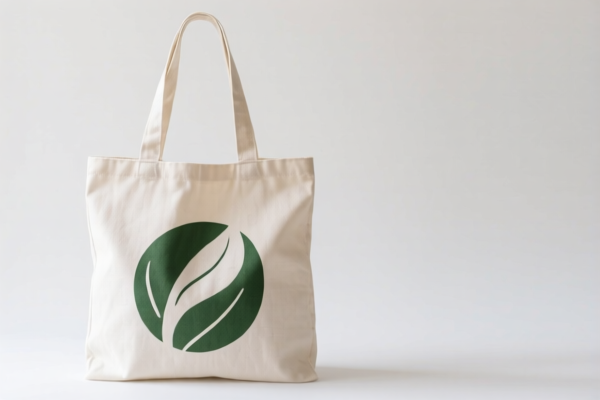
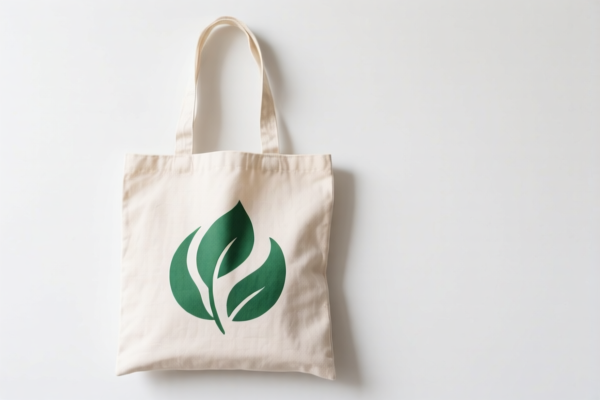
Cotton Woven Eco friendly Handbag
CN → US| HS Code | Tariff Rate | Origin | Destination | Doc |
|---|---|---|---|---|
| 6305900000 | 23.7% | CN | US | Official Doc |
| 4202228930 | 52.6% | CN | US | Official Doc |
| 6305200000 | 23.7% | CN | US | Official Doc |
| 4202224020 | 42.4% | CN | US | Official Doc |
| 4602192920 | 40.3% | CN | US | Official Doc |
Product Images
AI Analysis
🛍️ Cotton Woven Eco-Friendly Handbag: HS Code Classification & US Customs Clearance Guide (2026)
🌐 HS Code Reference & Customs Clearance Guide | 2026 Latest Tariff Analysis | Professional Import Strategy
📌 I. Product Definition & Classification: Do You Really Understand "Cotton Handbags"?
In international trade, "Cotton Woven Eco-Friendly Handbags" are not a single standardized category. They fall into distinct classifications based on material composition and structural form. Misclassification leads to severe tariff penalties (up to 52.6% vs. 23.7%) and potential cargo holds.
There are two primary logical pathways for classification: 1. As a "Bag" of Textile Material (Chapter 63): If the bag is primarily defined by its textile nature, not its specific handbag structure in Chapter 42. 2. As a "Handbag" of Textile Material (Chapter 42): If it is explicitly recognized as a handbag with specific exterior surfaces.
⚠️ Critical Distinction Point:
- If classified under Chapter 63 (Other made-up textile articles) → Lower base duty (6.2%), but subject to Section 301/IEEPA surcharges.
- If classified under Chapter 42 (Articles of leather/travel goods) → Higher base duty (7.4%-17.6%), leading to significantly higher total tax burden.
- "Eco-Friendly" is a marketing term, not a customs classification factor. It does not reduce duty.
📦 II. HS Code Classification Details (2026 Latest Tariff Alignment)
Based on the provided data, here are the four valid HS Codes for your product, ranging from lowest to highest tax burden:
| HS Code | Product Description | Key Characteristics | Base Duty | Surcharge (301/122) | Total Tax Rate |
|---|---|---|---|---|---|
6305.90.00.00 |
Other bags, of textile materials | Cotton fabric handbags; generic textile bag | 6.2% | 17.5% | 23.7% |
6305.20.00.00 |
Cotton bags, in the form of handbags | Explicitly cotton; form is handbag | 6.2% | 17.5% | 23.7% |
4202.22.40.20 |
Handbags with outer surface of textile material, of cotton | Specific cotton handbag under Ch. 42 | 7.4% | 35.0% | 42.4% |
4202.22.89.30 |
Handbags with outer surface of textile materials (Other) | Generic textile handbag under Ch. 42 | 17.6% | 35.0% | 52.6% |
4602.19.29.20 |
Woven handbags, of vegetable materials | Plant-based woven (e.g., straw/rattan) | 5.3% | 35.0% | 40.3% |
🔍 Key Insight:
- Optimal Path:6305.90.00.00or6305.20.00.00offers the lowest total tax at 23.7%.
- High-Risk Path:4202.22.89.30incurs a massive 52.6% total tax due to a high base duty (17.6%) + high surcharges.
- Woven Note: If the "Cotton Woven" description implies a rigid, basket-like structure resembling plant fiber weaving, customs might attempt to classify it as4602.19.29.20(Plant materials), which has a 40.3% tax rate. However, true cotton should remain in Chapter 63 or 42.
💰 III. 2026 Latest Tariff Rate Breakdown (Including Additional Taxes)
✅ Applicable Country: United States (US)
✅ Origin: China (CN)
✅ Effective Date: From Nov 10, 2025 (including subsequent imports)
🎯 1. 6305.90.00.00 / 6305.20.00.00 — The "Low-Tax" Textile Bag Route
| Item | Detail |
|---|---|
| Base Duty | 6.2% (Standard MFN Rate) |
| Section 301 Surcharge | +7.5% (Additional tariff on Chinese goods) |
| Section 122 Surcharge | +10.0% (Specific tariff on certain textile/apparel items) |
| Total Tax Rate | 23.7% |
| Calculation | CIF Value × 23.7% |
| De Minimis Exemption | ❌ Not Eligible (Deny de minimis for these codes from China) |
| Legal Basis | HTSUS:6305.90.00 → USITC:301.4 → IEEPA:122 |
📌 Explanation:
- The 6.2% base duty is standard for "Other made-up textile articles."
- The 7.5% is the standard Section 301 additional duty.
- The 10% is the Section 122 duty, often applied to specific textile categories.
- Total: 23.7%. This is the most cost-effective classification if the product fits the description.
🎯 2. 4202.22.40.20 — The "Specific Cotton Handbag" Route
| Item | Detail |
|---|---|
| Base Duty | 7.4% |
| Section 301 Surcharge | +25.0% |
| Section 122 Surcharge | +10.0% |
| Total Tax Rate | 42.4% |
| Calculation | CIF Value × 42.4% |
| De Minimis Exemption | ❌ Not Eligible |
| Legal Basis | HTSUS:4202.22.40 → USITC:301.3 → IEEPA:122 |
📌 Explanation:
- The base duty (7.4%) is higher than Chapter 63.
- The Section 301 surcharge jumps to 25.0%, drastically increasing costs.
- Total: 42.4%. Avoid this unless the bag's structure strictly mandates Chapter 42 classification.
🎯 3. 4202.22.89.30 — The "High-Tax" Generic Handbag Route
| Item | Detail |
|---|---|
| Base Duty | 17.6% |
| Section 301 Surcharge | +25.0% |
| Section 122 Surcharge | +10.0% |
| Total Tax Rate | 52.6% |
| Calculation | CIF Value × 52.6% |
| De Minimis Exemption | ❌ Not Eligible |
| Legal Basis | HTSUS:4202.22.89 → USITC:301.3 → IEEPA:122 |
📌 Explanation:
- This is the most expensive classification.
- The base duty is nearly 18%, and the surcharges are at their maximum.
- Total: 52.6%. This rate applies if the bag is considered a "general" textile handbag not specifically listed as cotton in the subheading.
🎯 4. 4602.19.29.20 — The "Woven Plant Material" Misclassification Risk
| Item | Detail |
|---|---|
| Base Duty | 5.3% |
| Section 301 Surcharge | +25.0% |
| Section 122 Surcharge | +10.0% |
| Total Tax Rate | 40.3% |
| Calculation | CIF Value × 40.3% |
| De Minimis Exemption | ❌ Not Eligible |
📌 Explanation:
- If customs interprets "Woven" as resembling plant fiber baskets, they may apply this code.
- While base duty is low (5.3%), the high surcharges push the total to 40.3%.
- Risk: If you claim it's cotton but customs classifies it as plant-woven, you may face duties or misclassification penalties.
🛠️ IV. Customs Clearance Practical Advice (Real-World Pitfall Avoidance)
✅ 1. Documentation Checklist (Non-Negotiable)
| Document | Required? | Purpose |
|---|---|---|
| ✅ Detailed Product Spec Sheet | ✔️ | Must specify "100% Cotton," "Woven," and "Handbag" structure. |
| ✅ High-Resolution Photos | ✔️ | Show exterior texture, lining, handles, and any rigid structures. |
| ✅ Bill of Lading / Air Waybill | ✔️ | Clear description: "Cotton Woven Handbags." |
| ✅ Commercial Invoice | ✔️ | Itemize value clearly. Avoid vague terms like "Accessories." |
| ✅ Certificate of Origin | ✔️ | Essential for proving Chinese origin and applying correct surcharges. |
| ✅ Material Composition Declaration | ✔️ | Signed statement confirming 100% Cotton (not blended with non-textile). |
✅ 2. Classification Strategy (Key Mantra)
🔥 "Cotton is Textile, Basket is Plant, Handbag is Ch. 42 or 63!"
| Scenario | Recommended HS Code | Total Tax | Why? |
|---|---|---|---|
| Soft, fabric handbag | 6305.90.00.00 |
23.7% | Lowest total tax. Fits "Other textile bags." |
| Explicitly Cotton Handbag | 6305.20.00.00 |
23.7% | Specific cotton subheading under Chapter 63. |
| Rigid, basket-like structure | 4602.19.29.20 |
40.3% | Only if it mimics plant-fiber weaving. Higher tax. |
| High-end structured handbag | 4202.22.40.20 |
42.4% | If deemed a "Handbag" under Ch. 42. |
| Generic textile handbag | 4202.22.89.30 |
52.6% | Avoid. Highest tax. |
✅ 3. Special Handling Tips
| Situation | Advice |
|---|---|
| "Eco-Friendly" Claims | Do not rely on "Eco-Friendly" for duty reduction. No preferential rate exists for this marketing term in US tariffs. |
| Blended Materials | If the bag is 95% Cotton + 5% Plastic lining, it may still be classified as textile (Ch. 63/42), but the base duty could change. Be precise. |
| Woven Appearance | If the cotton is woven in a way that looks like straw/rattan, prepare for customs challenge. Provide lab tests showing cotton content. |
| Sample vs. Bulk | Ensure bulk shipment matches the sample description. Discrepancies lead to delays. |
🌍 V. Global Market Comparison (2026 Latest)
| Country/Region | Recommended HS Code | Duty Rate (CN Origin) | Notes |
|---|---|---|---|
| 🇺🇸 USA | 6305.90.00.00 |
23.7% | Includes 301/122 surcharges. |
| 🇪🇺 EU | 6305.90.00 |
~0-12% | No Section 301/122. Lower burden. |
| 🇨🇳 China | 6305.90.00 |
~5-10% | Import duty only. No US-style surcharges. |
| 🇬🇧 UK | 6305.90.00 |
~5-12% | Post-Brexit tariffs apply. |
📌 Conclusion:
- The US market is the most expensive due to Section 301 and Section 122 tariffs.
- Chapter 63 (6305.xxxxxx) is the optimal entry point for cotton handbags to minimize tax to 23.7%.
- Avoid Chapter 42 (4202.xxxxxx) if possible, as it triggers 42-52% taxes.
📌 VI. Common Errors & Pitfalls (Lessons Learned)
❌ Error 1: Classifying "Cotton Handbags" as 4202.22.89.30
👉 Consequence: Tax jumps from 23.7% to 52.6%. Overpayment of nearly 30%!
❌ Error 2: Ignoring "Woven" description
👉 Consequence: Customs may reclassify as plant-woven (4602.19.29.20), resulting in 40.3% tax instead of 23.7%.
❌ Error 3: Using "Eco-Friendly" to claim duty exemption
👉 Consequence: Claim rejected. Delay in clearance. Possible fines.
✅ Correct Action:
"100% Cotton Woven Handbag, Soft Structure, No Rigid Framework"
→ Classify under6305.90.00.00or6305.20.00.00.
🎯 VII. Conclusion: Professional Classification Saves Money!
🎯 Remember the Mantra:
🔹 "Cotton + Textile = Ch. 63 (23.7%)"
🔹 "Handbag + Ch. 42 = High Tax (42-52%)"
🔹 "Woven + Plant Look = Risk (40.3%)"
🔹 "Eco-Friendly = No Duty Cut"
📌 Pro Tip:
If you are unsure, apply for an IRS/USCBP Binding Ruling before shipping. The cost of a ruling is negligible compared to a 30%+ tax overpayment.
📣 Immediate Action:
📞 Consult a licensed customs broker.
📸 Provide detailed photos and material specs.
📄 Select HS Code6305.90.00.00for optimal cost efficiency.
✨ Precise Classification is the First Step to Profitable Trade!
💼 Every Percent Saved is Pure Profit!
Customer Reviews
About HS Code Classification
The Harmonized System (HS) is an internationally standardized nomenclature developed by the World Customs Organization (WCO) to classify traded products. Over 200 countries use the HS system as the basis for customs tariffs, trade statistics, and import/export regulations.
Each HS code follows a hierarchical structure:
- Chapter (2 digits) — Broad category of goods (e.g., Chapter 84: Machinery and Mechanical Appliances)
- Heading (4 digits) — More specific grouping within the chapter
- Subheading (6 digits) — Internationally standardized breakdown, used by all WCO member countries
- National subdivisions (8-10 digits) — Country-specific extensions for further classification, such as US HTSUS 10-digit codes
Correct HS code classification is essential for smooth customs clearance, accurate duty payment, and compliance with trade regulations. Misclassification can lead to customs delays, overpayment of duties, or penalties.
When importing from CN to US, the applicable tariff rates may include:
- Most-Favored-Nation (MFN) rate — The standard duty rate applied to WTO members
- General rate — Applied to countries without trade agreements
- Trade remedy duties — Additional tariffs such as Section 301 (anti-dumping), Section 232 (national security), or countervailing duties
The information provided on this page is for reference purposes only. For official classification, please consult with your local customs authority or a licensed customs broker.