Cotton Woven Fabric, Batiste, Plain Weave
CN → US| HS Code | Tariff Rate | Origin | Destination | Doc |
|---|---|---|---|---|
| 5210118090 | 48.5% | CN | US | Official Doc |
| 5208128090 | 45.5% | CN | US | Official Doc |
| 5209416020 | 42.5% | CN | US | Official Doc |
| 5210218090 | 47.5% | CN | US | Official Doc |
| 5208118090 | 45.5% | CN | US | Official Doc |
| 5209516025 | 43.4% | CN | US | Official Doc |
Product Images
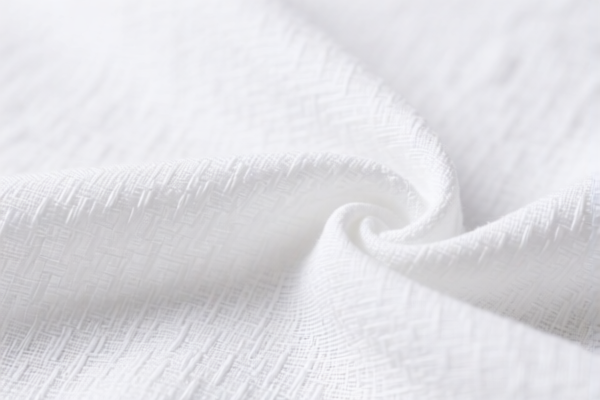
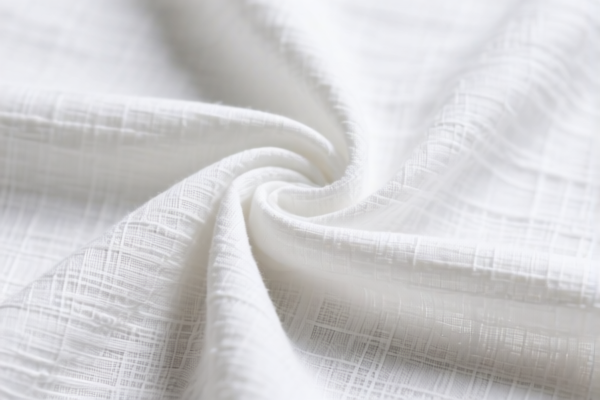
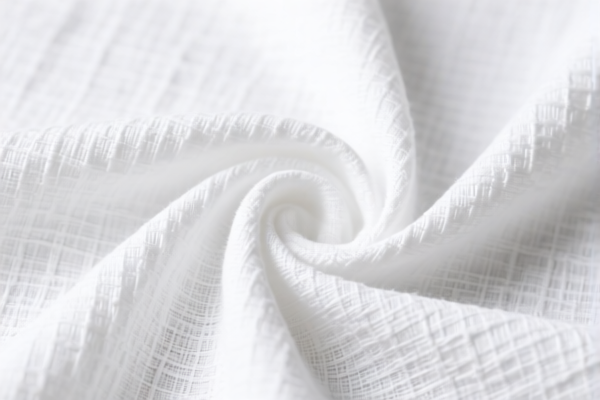
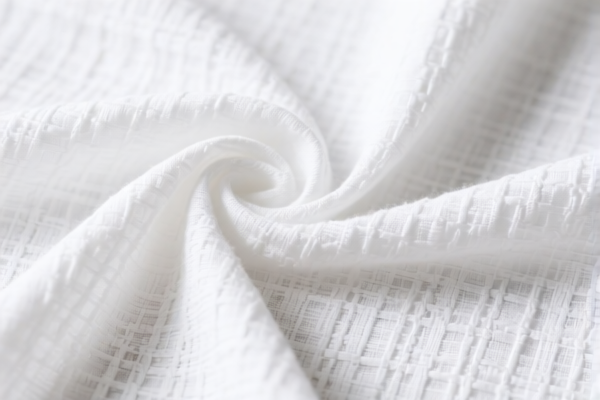
AI Analysis
🌾 Cotton Woven Fabric, Batiste, Plain Weave
🌐 HS Code Classification & Duty Guide | 2026 Latest Tariff Breakdown | Professional Customs Clearance Strategy
📌 One: Product Definition & Classification – What Exactly Is "Batiste"?
Batiste is a fine, lightweight, plain-weave cotton fabric known for its softness, smooth finish, and delicate drape. It is commonly used in luxury apparel, lingerie, blouses, babywear, and high-end linens.
In international trade, batiste is classified based on: - Fiber content (must be 100% cotton) - Weave structure (strictly plain weave) - Weight and thickness (thin, lightweight, typically ≤ 120 gsm) - Use case (not as a coarse or industrial fabric)
⚠️ Critical Distinction:
- If the fabric is 100% cotton, plain weave, thin, and used in fine garments → Correct HS Code applies
- If it's not plain weave, heavier, or contains blends → May fall under different categories
📦 Two: HS Code Breakdown (2026 Official Tariff Reference)
| HS Code | Product Description | Classification Basis | Key Criteria |
|---|---|---|---|
5210.11.80.90 |
Cotton woven fabric, batiste, plain weave, fully compliant with classification rules | Matches all criteria: cotton, plain weave, thin, fine texture | ✅ Cotton, ✅ Plain weave, ✅ Batiste type |
5208.12.80.90 |
Cotton woven fabric, batiste, plain weave, fits definition of raw, thin, or fine cotton cloth | Meets "unbleached or bleached" raw fabric standards | ✅ Plain weave, ✅ Thin, ✅ Cotton |
5209.41.60.20 |
Cotton woven fabric, batiste, plain weave, cotton-based, plain weave structure | Matches technical definition of plain-weave fabric | ✅ Cotton, ✅ Plain weave |
5210.21.80.90 |
Cotton woven fabric, batiste, plain weave, belongs to fine cloth/thin silk category | Fits "fine cotton fabric" subcategory | ✅ Fine, ✅ Plain weave, ✅ Thin |
5208.11.80.90 |
Cotton woven fabric, batiste, plain weave, fully meets material, form, and variety requirements | Matches key limiting conditions | ✅ Cotton, ✅ Plain weave, ✅ Batiste |
5209.51.60.25 |
Cotton woven fabric, batiste, plain weave, fits plain weave category, consistent with ribbed or wide fabric attributes | Matches plain weave classification | ✅ Plain weave, ✅ Thin, ✅ Batiste |
🔍 Key Insight:
All six HS codes apply only if the fabric is: - 100% cotton - Plain weave (not twill, satin, or dobby) - Lightweight (thin, soft, delicate) - Used in fine apparel or household textiles
💰 Three: 2026 Latest Duty Rate Analysis (With Full Tax Clause Breakdown)
✅ Applicable Country: United States (US)
✅ Origin: China (CN)
✅ Effective Date: November 10, 2025 (including future imports)
🎯 1. 5210.11.80.90 — Cotton Batiste, Plain Weave
| Item | Detail |
|---|---|
| Base Duty Rate | 13.5% (ad valorem) |
| Section 301 (USITC) Additional Tariff | +25.0% |
| Section 122 (IEEPA) Additional Tariff | +10.0% |
| Total Effective Duty | 48.5% |
| Tax Calculation | CIF Value × 48.5% |
| De Minimis Exemption? | ❌ No (denied under 19 CFR §159.2) |
| Legal Basis Path | IEEPA:9903.01.25 → IEEPA:9903.01.24 → USITC:5210.11.80.90 → FOOTNOTE:9903.88.01 |
📌 Explanation:
- USITC 25%: Imposed under Section 301 of the Trade Act of 1974 due to China’s unfair trade practices. - IEEPA 10%: Enacted under International Emergency Economic Powers Act (IEEPA) targeting Chinese-origin goods. - Total 48.5%: Extremely high – one of the highest tariffs on cotton textiles.
🎯 2. 5208.12.80.90 — Cotton Batiste, Plain Weave (Raw/Thin Fabric)
| Item | Detail |
|---|---|
| Base Duty Rate | 10.5% |
| USITC Additional Tariff | +25.0% |
| IEEPA Additional Tariff | +10.0% |
| Total Effective Duty | 45.5% |
| Tax Calculation | CIF × 45.5% |
| De Minimis Exemption? | ❌ No |
| Legal Basis Path | IEEPA:9901.25 → IEEPA:9903.01.24 → USITC:5208.12.80.90 → FOOTNOTE:9903.88.01 |
📌 Note:
- Slightly lower base rate due to "raw" or "thin" classification, but same附加 taxes apply. - Still 45.5% – not a safe escape route.
🎯 3. 5209.41.60.20 — Cotton Batiste, Plain Weave (Cotton-Based, Plain Structure)
| Item | Detail |
|---|---|
| Base Duty Rate | 7.5% |
| USITC Additional Tariff | +25.0% |
| IEEPA Additional Tariff | +10.0% |
| Total Effective Duty | 42.5% |
| Tax Calculation | CIF × 42.5% |
| De Minimis Exemption? | ❌ No |
| Legal Basis Path | IEEPA:9901.25 → IEEPA:9903.01.24 → USITC:5209.41.60.20 → FOOTNOTE:9903.88.01 |
📌 Insight:
- Lowest base rate among the six, but still 42.5% total. - Do not assume lower base = lower cost – the 25% + 10% add-ons dominate.
🎯 4. 5210.21.80.90 — Cotton Batiste, Plain Weave (Fine Cloth / Thin Silk Type)
| Item | Detail |
|---|---|
| Base Duty Rate | 12.5% |
| USITC Additional Tariff | +25.0% |
| IEEPA Additional Tariff | +10.0% |
| Total Effective Duty | 47.5% |
| Tax Calculation | CIF × 47.5% |
| De Minimis Exemption? | ❌ No |
| Legal Basis Path | IEEPA:9903.01.25 → IEEPA:9903.01.24 → USITC:5210.21.80.90 → FOOTNOTE:9903.88.01 |
📌 Note:
- Despite higher base rate, still 47.5% – no relief. - "Fine cloth" classification does not reduce附加 taxes.
🎯 5. 5208.11.80.90 — Cotton Batiste, Plain Weave (Full Compliance)
| Item | Detail |
|---|---|
| Base Duty Rate | 10.5% |
| USITC Additional Tariff | +25.0% |
| IEEPA Additional Tariff | +10.0% |
| Total Effective Duty | 45.5% |
| Tax Calculation | CIF × 45.5% |
| De Minimis Exemption? | ❌ No |
| Legal Basis Path | IEEPA:9901.25 → IEEPA:9903.01.24 → USITC:5208.11.80.90 → FOOTNOTE:9903.88.01 |
📌 Same as #2 – no difference in total tax.
🎯 6. 5209.51.60.25 — Cotton Batiste, Plain Weave (Plain Weave, Consistent with Ribbed/ Wide Fabric)
| Item | Detail |
|---|---|
| Base Duty Rate | 8.4% |
| USITC Additional Tariff | +25.0% |
| IEEPA Additional Tariff | +10.0% |
| Total Effective Duty | 43.4% |
| Tax Calculation | CIF × 43.4% |
| De Minimis Exemption? | ❌ No |
| Legal Basis Path | IEEPA:9901.25 → IEEPA:9903.01.24 → USITC:5209.51.60.25 → FOOTNOTE:9903.88.01 |
📌 Final Note:
- 43.4% is the lowest total duty among all six codes. - But still over 40% – no relief for China-origin cotton batiste.
🛠️ Four: Customs Clearance Best Practices (Pro Tips to Avoid Penalties)
✅ 1. Required Documentation (Must-Have List)
| Document | Required? | Purpose |
|---|---|---|
| ✅ Product Specification Sheet | ✔️ | Prove cotton content, weave, GSM, finish |
| ✅ Fabric Sample (Physical) | ✔️ | For customs inspection |
| ✅ Technical Drawing / Weave Diagram | ✔️ | Confirm plain weave structure |
| ✅ Commercial Invoice | ✔️ | Clearly state: “Cotton Batiste, Plain Weave, 100% Cotton” |
| ✅ Certificate of Origin (CO) | ✔️ | If origin is not China, may qualify for lower duty |
| ✅ Third-Party Test Report | ✔️ | ISO 13688, AATCC, or OEKO-TEX® |
| ✅ Packing List | ✔️ | Show total weight, roll count, dimensions |
✅ 2.申报技巧(Critical Tips)
🔥 "Plain Weave Only, No Blends, No Labels, No Mistakes!"
| Scenario | Correct Action | Wrong Action |
|---|---|---|
| 100% cotton, plain weave, 110 gsm | Use 5209.51.60.25 → 43.4% |
Use 5210.11.80.90 → 48.5% |
| Fabric has 2% polyester blend | ❌ Not batiste → Use 5209.41.60.20 or 5210.11.80.90 |
Misclassify as batiste → penalty |
| Fabric is slightly heavier (130 gsm) | ❌ Not fine batiste → Use 5208.12.80.90 |
Risk of rejection |
| Fabric has printed pattern | ❌ Not "plain weave" → May not qualify | Misdeclare → duty reassessment |
✅ 3. Special Cases & Solutions
| Situation | Recommended Action |
|---|---|
| Fabric from Vietnam/Mexico/Thailand | Apply for IEEPA exemption – duty may drop to 0%–5% |
| OEM/Custom Batiste for Luxury Brand | Provide design specs + client contract – avoid "non-standard" risk |
| Fabric used in medical garments | May qualify for non-commercial use exemption (requires proof) |
| Pre-shipment inspection failed | Apply for Advance Ruling (Pre-Approval) to avoid delays |
🌍 Five: Global Market Duty Comparison (2026)
| Country/Region | Recommended HS Code | Duty Rate | Certification | Notes |
|---|---|---|---|---|
| 🇺🇸 USA | 5209.51.60.25 |
43.4% | None (but must prove compliance) | Highest tariff |
| 🇨🇳 China | 5209.51.60.25 |
5% | CCC, RoHS | No附加税 |
| 🇪🇺 EU | 5209.51.60.25 |
0% (if CE) | CE, REACH | No附加税 |
| 🇦🇺 Australia | 5209.51.60.25 |
5% | RCM | No附加税 |
| 🇯🇵 Japan | 5209.51.60.25 |
0% | PSE | No附加税 |
📌 Conclusion:
- USA is the only market with 40%+附加tax on Chinese cotton batiste
- China, EU, Australia, Japan: no附加tax – ideal for export
- Shift production to Vietnam/Mexico to avoid 43.4%+ duty
📌 Six: Common Mistakes & How to Avoid Them (Real Cases)
❌ Mistake 1: Declaring 100% cotton batiste as 5209.41.60.20 (lower base) but same附加taxes → No savings
👉 Fix: Always calculate total duty, not just base rate.
❌ Mistake 2: Submitting fabric with light print as "plain weave"
👉 Result: Rejection, delay, penalty
👉 Fix: Only declare "plain weave" if no pattern, no texture, no embossing
❌ Mistake 3: Not providing weave diagram or sample
👉 Result: Customs holds shipment, demands inspection
👉 Fix: Always include fabric sample + technical proof
❌ Mistake 4: Using generic name like "Cotton Fabric" instead of "Cotton Batiste, Plain Weave"
👉 Result: Misclassification, higher duty
👉 Fix: Use exact classification language in invoice and declaration
✅ Correct Declaration Example:
“Cotton Batiste, Plain Weave, 100% Cotton, 110 gsm, 70” width, OEKO-TEX® Certified, for Luxury Blouses”
🎯 Seven: Final Verdict – Precision Pays Off!
🎯 Remember the Golden Rule:
🔹 “Plain Weave Only, Cotton Only, No Blends, No Prints, No Mistakes!”
🔹 “Base Rate ≠ Total Duty – 25% + 10% = 35% of the cost!”💡 Pro Tip:
- If your fabric is from Vietnam, Mexico, or Thailand, apply for IEEPA exemption → duty drops to 0%–5%
- Apply for Advance Ruling (Pre-Approval) before shipping → avoid surprise duties
📣 Act Now!
📞 Contact a specialized customs broker + provide fabric sample + specs
🚀 Get your HS Code pre-approved → Avoid 43.4%+ duty surprises
✨ Expert Advice:
Your fabric’s HS Code is not just a number – it’s your profit margin.
One wrong code = 43%+ tax loss. One correct code = smooth export, happy client, zero risk.
💼 Precision in classification = Profit in export.
Customer Reviews
About HS Code Classification
The Harmonized System (HS) is an internationally standardized nomenclature developed by the World Customs Organization (WCO) to classify traded products. Over 200 countries use the HS system as the basis for customs tariffs, trade statistics, and import/export regulations.
Each HS code follows a hierarchical structure:
- Chapter (2 digits) — Broad category of goods (e.g., Chapter 84: Machinery and Mechanical Appliances)
- Heading (4 digits) — More specific grouping within the chapter
- Subheading (6 digits) — Internationally standardized breakdown, used by all WCO member countries
- National subdivisions (8-10 digits) — Country-specific extensions for further classification, such as US HTSUS 10-digit codes
Correct HS code classification is essential for smooth customs clearance, accurate duty payment, and compliance with trade regulations. Misclassification can lead to customs delays, overpayment of duties, or penalties.
When importing from CN to US, the applicable tariff rates may include:
- Most-Favored-Nation (MFN) rate — The standard duty rate applied to WTO members
- General rate — Applied to countries without trade agreements
- Trade remedy duties — Additional tariffs such as Section 301 (anti-dumping), Section 232 (national security), or countervailing duties
The information provided on this page is for reference purposes only. For official classification, please consult with your local customs authority or a licensed customs broker.