Cotton Woven Simple Handbag
CN → US| HS Code | Tariff Rate | Origin | Destination | Doc |
|---|---|---|---|---|
| 6305200000 | 23.7% | CN | US | Official Doc |
| 4202224020 | 42.4% | CN | US | Official Doc |
| 6305900000 | 23.7% | CN | US | Official Doc |
| 4202228930 | 52.6% | CN | US | Official Doc |
| 4202228980 | 52.6% | CN | US | Official Doc |
Product Images
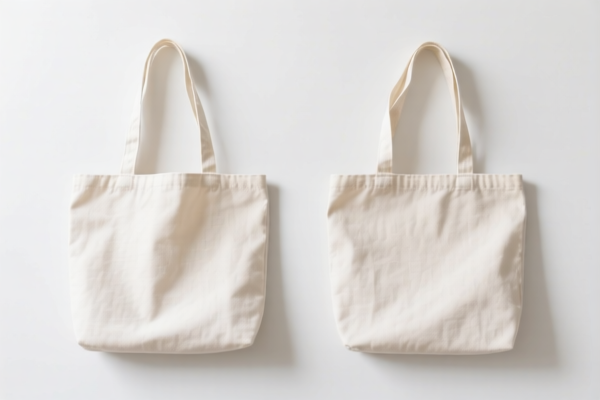
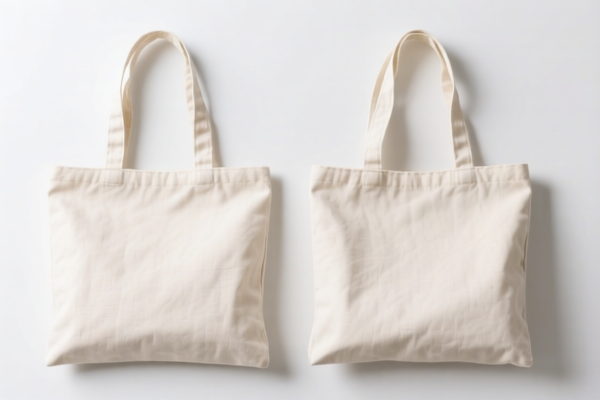
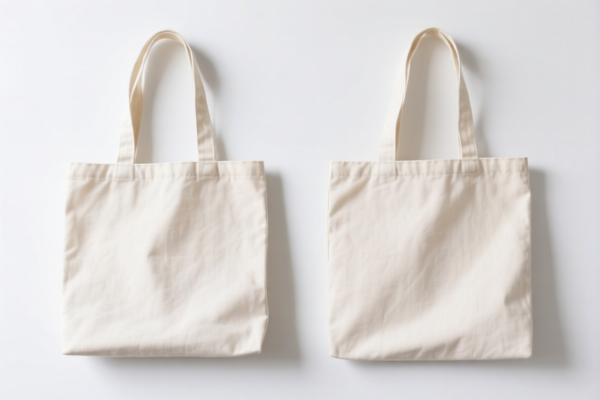
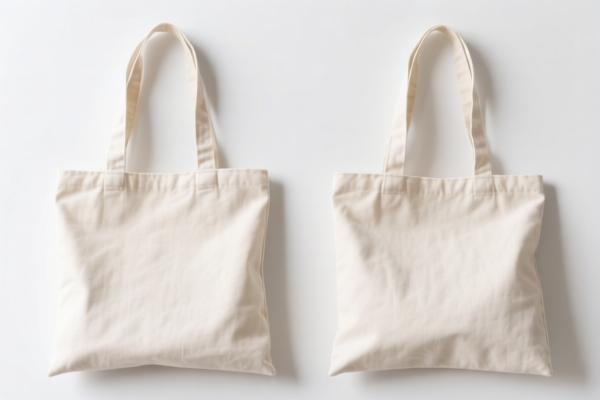
AI Analysis
👜 Cotton Woven Simple Handbag
🌐 HS Code Reference & Customs Clearance Guide | 2026 Latest Tariff Analysis | Professional Clearance Strategy
📌 I. Product Definition & Classification: Do You Truly Understand "Cotton Handbags"?
A "Cotton Woven Simple Handbag" is a versatile accessory used for daily carrying of personal items. In international trade, classification is not merely about material ("Cotton") but also about function (bag vs. textile product) and structure.
The core distinction lies in whether the item is classified as a "Bag of headings 4202" (articles of travel, handbags, etc.) or a "Textile Bag of heading 6305" (sacks and bags for packaging/storage).
⚠️ Critical Distinction Point:
- If the handbag is designed specifically for personal carrying (handle, lining, structure), it generally falls under Chapter 42.
- If it is a simple sack, pouch, or bag primarily used for packaging, storage, or transport of goods, it may fall under Chapter 63.
- Material Composition: Since it is "Cotton Woven," it is a textile material. However, Chapter 42 items made of textile materials are still classified under 4202, provided they meet the definition of a "bag."
📦 II. HS Code Classification Details (2026 Latest Tariff Authority Comparison)
| HS Code | Product Description | Applicable Scenario | Total Tax Rate | Tax Detail Breakdown |
|---|---|---|---|---|
6305.20.00.00 |
Cotton woven bags (simple sacks, pouches), primarily for storage/transport | Simple cotton sacks, bulk packing bags, simple cotton pouches without rigid structure | 23.7% | Base: 6.2%, Section 301: 7.5%, Section 122: 10% |
4202.22.40.20 |
Handbags, outer surface of textile materials, wholly of cotton | Standard Cotton Handbags with handles, lining, and personal use structure | 42.4% | Base: 7.4%, Section 301: 25.0%, Section 122: 10% |
6305.90.00.00 |
Other textile bags, cotton outer surface, not elsewhere specified | Generic textile sacks not specified in 6305.20, simple cotton shopping bags | 23.7% | Base: 6.2%, Section 301: 7.5%, Section 122: 10% |
4202.22.89.30 |
Handbags, outer surface of textile materials, other textiles | High-End/Complex Cotton Handbags (if mixed or treated as "other textile") | 52.6% | Base: 17.6%, Section 301: 25.0%, Section 122: 10% |
4202.22.89.80 |
Handbags, outer surface of textile materials, other | Generic Textile Handbags (fallback category) | 52.6% | Base: 17.6%, Section 301: 25.0%, Section 122: 10% |
🔍 Key Insight:
- Chapter 42 (Handbags) generally carries higher base tariffs (7.4% - 17.6%) compared to Chapter 63 (Textile Sacks) (6.2%).
- However, the Section 301 tariff is the major cost driver. For Chapter 42 handbags, it is 25%, whereas for Chapter 63 textile bags, it is only 7.5%.
- Total Tax Comparison:
- Handbag (4202): ~42.4% to 52.6%
- Simple Bag/Sack (6305): ~23.7%
- Strategic Note: If the item is truly a "simple handbag" for personal use, it must be classified under 4202. Misclassifying a handbag as a sack (6305) to save on Section 301 taxes is a high-risk customs violation.
💰 III. 2026 Latest Tariff Rate Details (Including Surcharges & Policy Add-ons)
✅ Applicable Country: United States (US)
✅ Origin: China (CN)
✅ Effective Date: November 10, 2025 (and subsequent imports)
🎯 1. 6305.20.00.00 / 6305.90.00.00 —— Cotton Textile Bags/Sacks (Non-Handbag Classification)
| Item | Content |
|---|---|
| Base Rate | 6.2% (Ad Valorem) |
| Section 301 Surcharge | +7.5% |
| Section 122 Surcharge | +10% (Specific to certain textile/apparel categories) |
| Total Tax Rate | 23.7% |
| Tax Calculation | CIF Value × 23.7% |
| De Minimis Eligibility | ❌ No (Section 301 and 122 taxes apply regardless of value) |
| Legal Basis | HTSUS:6305.20.00.00 → Section 301: 9903.01.35 → Section 122: 9908.01.01 |
📌 Explanation:
- This classification applies if the item is considered a "bag" for packaging, storage, or transport, not a fashion handbag.
- The Section 301 rate is significantly lower (7.5%) than for handbags (25%).
- Risk: If CBP determines the item is a handbag, this classification will be rejected, leading to back taxes and penalties.
🎯 2. 4202.22.40.20 —— Cotton Handbags (Standard Classification)
| Item | Content |
|---|---|
| Base Rate | 7.4% (Ad Valorem) |
| Section 301 Surcharge | +25.0% |
| Section 122 Surcharge | +10% |
| Total Tax Rate | 42.4% |
| Tax Calculation | CIF Value × 42.4% |
| De Minimis Eligibility | ❌ No |
| Legal Basis | HTSUS:4202.22.40.20 → Section 301: 9903.01.03 → Section 122: 9908.01.01 |
📌 Explanation:
- This is the correct classification for a "Simple Handbag" made of cotton.
- The 25% Section 301 tariff is the dominant cost factor.
- Even for "simple" designs, if it has handles and is for personal carrying, it is a handbag.
🎯 3. 4202.22.89.30 / 4202.22.89.80 —— Other Textile Handbags (Complex/Mixed Materials)
| Item | Content |
|---|---|
| Base Rate | 17.6% (Ad Valorem) |
| Section 301 Surcharge | +25.0% |
| Section 122 Surcharge | +10% |
| Total Tax Rate | 52.6% |
| Tax Calculation | CIF Value × 52.6% |
| De Minimis Eligibility | ❌ No |
| Legal Basis | HTSUS:4202.22.89.30 → Section 301: 9903.01.03 → Section 122: 9908.01.01 |
📌 Explanation:
- This category is for handbags where the outer surface is textile but not wholly cotton, or where the specific subheading 40.20 does not apply.
- If your handbag is 100% cotton woven, you should aim for4202.22.40.20. Using89.30or89.80is usually for other textile materials (e.g., polyester, nylon, blends).
- Cost Warning: If you incorrectly classify a 100% cotton bag under 89.30/89.80, you pay the same high rate but risk misclassification errors. If you classify a blend bag under 40.20, you risk rejection.
🛠️ IV. Customs Clearance Practical Advice (Battle-Proven Pitfall Avoidance Guide)
✅ 1. Preparation Checklist (Non-Negotiable)
| Document | Required? | Description |
|---|---|---|
| ✅ Product Specifications | ✔️ | Must explicitly state: "100% Cotton, Woven, Handbag with Handle" |
| ✅ Material Composition Test | ✔️ | Third-party lab report confirming 100% Cotton content |
| ✅ Product Photos | ✔️ | Front, back, side, inside, handle attachment points |
| ✅ Commercial Invoice | ✔️ | Describe as "Cotton Woven Handbag, Personal Use" |
| ✅ Packing List | ✔️ | Ensure no packaging material (boxes) triggers reclassification |
| ✅ Structure Diagram | ✔️ | Show that it is a "bag" (handles, opening) not a "sack" |
✅ 2. Declaration Tips (Critical Rules)
🔥 “Function Dictates Class, Material Dictates Sub”
| Scenario | Correct Declaration | Error to Avoid |
|---|---|---|
| Handbag for personal use | 4202.22.40.20 (Cotton Handbag) |
Declaring as 6305.20.00.00 (Textile Sack) → Fraud Risk |
| Simple Cotton Pouch/Sack | 6305.20.00.00 (Cotton Bag) |
Declaring as 4202.22.40.20 → Overpayment |
| Mixed Material Handbag | 4202.22.89.30 (Other Textile) |
Declaring as 4202.22.40.20 → Misclassification |
| Raw Cotton Fabric Rolls | 5514.11.00 (Not Bag) |
Declaring as Handbag → Wrong HS Code |
✅ 3. Special Case Handling
| Situation | Handling Advice |
|---|---|
| OEM Handbags with Logo | Still 4202.22.40.20. Logo does not change classification. |
| Handbag with Non-Cotton Hardware | If outer surface is >50% cotton, it is still cotton handbag. |
| "Tote Bag" vs. "Sack" | Tote with structure/handles = Handbag (4202). Loose sack = Bag (6305). |
| Customs Audit Trigger | If declared as 6305, provide photos proving it is a personal handbag. |
🌍 V. Global Market Comparison for Cotton Handbags (2026)
| Country/Region | Recommended HS Code | Base Tax | Surcharges | Total Est. Tax | Notes |
|---|---|---|---|---|---|
| 🇺🇸 USA | 4202.22.40.20 |
7.4% | +35% (301+122) | 42.4% | High tariff. Consider Vietnam/Mexico sourcing. |
| 🇺🇸 USA (Sack) | 6305.20.00.00 |
6.2% | +17.5% (301+122) | 23.7% | Only for non-handbag sacks. |
| 🇨🇳 China | 4202.22.40.20 |
20% | 0% | 20% | Import into China. |
| 🇪🇺 EU | 4202.22.00 |
12% | 0% | 12% | No Section 301. Favourable. |
| 🇬🇧 UK | 4202.22.00 |
12% | 0% | 12% | Post-Brexit tariff. |
📌 Conclusion:
- USA has the highest cost due to Section 301 (25%) and Section 122 (10%).
- EU/UK offer significantly lower tariffs.
- If exporting to the US, ensure accurate classification. Do not use6305for handbags to avoid severe penalties.
📌 VI. Common Errors & Pitfalls (Lessons Learned the Hard Way)
❌ Error 1: Declaring a structured handbag as a textile sack (6305) to save 18.7% in tariffs.
👉 Consequence: CBP rejects, classifies as 4202, demands back taxes + penalties. Total cost increases.
❌ Error 2: Using 4202.22.89.30 for a 100% cotton bag.
👉 Consequence: Incorrect material description. While tax rate is same (52.6% vs 42.4%), it may trigger audit for "Other Textiles."
❌ Error 3: Ignoring Section 122 (10%).
👉 Consequence: Many importers forget this textile-specific surcharge. It applies to both Chapter 42 and 63 for Chinese origins.
❌ Error 4: Vague description "Cotton Bag."
👉 Consequence: CBP may classify as highest duty rate or request detailed breakdown.
✅ Correct Declaration Example:
"Women's Cotton Woven Handbag, 100% Cotton Outer Surface, With Leather Handle, For Personal Use, Model: CB-01, Country of Origin: China."
🎯 VII. Conclusion: Precision in Classification Saves Money!
🎯 Remember:
🔹 "Handbag = 4202 (42.4%)", "Sack = 6305 (23.7%)"
🔹 "Section 301 is 25% for Handbags, 7.5% for Sacks"
🔹 "Do Not Misclassify! Penalties Exceed Tariff Savings!"
📌 Pro Tip:
If you are shipping to the US and the tariff burden is too high (42.4%), consider:
1. Supply Chain Diversification: Source from Vietnam, Indonesia, or Mexico to avoid Section 301.
2. Advance Ruling: Apply for a binding ruling from CBP to confirm classification.
3. Design Adjustment: If possible, design a simple sack/pouch without rigid handles to qualify for 6305.20.00.00 (23.7%), but ensure it meets the legal definition of a "bag" not a "handbag."
📣 Take Action Now:
📞 Consult a licensed customs broker.
📸 Provide clear photos of your product.
📄 Apply for an Advance Ruling before your first shipment.
🚀 Clear Customs Smoothly, Protect Your Margins!
✨ Professional Customs Clearance Starts with Accurate Classification!
💼 Every Percent of Tax Matters in 2026!
Customer Reviews
About HS Code Classification
The Harmonized System (HS) is an internationally standardized nomenclature developed by the World Customs Organization (WCO) to classify traded products. Over 200 countries use the HS system as the basis for customs tariffs, trade statistics, and import/export regulations.
Each HS code follows a hierarchical structure:
- Chapter (2 digits) — Broad category of goods (e.g., Chapter 84: Machinery and Mechanical Appliances)
- Heading (4 digits) — More specific grouping within the chapter
- Subheading (6 digits) — Internationally standardized breakdown, used by all WCO member countries
- National subdivisions (8-10 digits) — Country-specific extensions for further classification, such as US HTSUS 10-digit codes
Correct HS code classification is essential for smooth customs clearance, accurate duty payment, and compliance with trade regulations. Misclassification can lead to customs delays, overpayment of duties, or penalties.
When importing from CN to US, the applicable tariff rates may include:
- Most-Favored-Nation (MFN) rate — The standard duty rate applied to WTO members
- General rate — Applied to countries without trade agreements
- Trade remedy duties — Additional tariffs such as Section 301 (anti-dumping), Section 232 (national security), or countervailing duties
The information provided on this page is for reference purposes only. For official classification, please consult with your local customs authority or a licensed customs broker.