Cotton blend Dyed Woven Fabric for Sportswear
CN → US| HS Code | Tariff Rate | Origin | Destination | Doc |
|---|---|---|---|---|
| 5209316020 | 43.4% | CN | US | Official Doc |
| 5407820020 | 49.9% | CN | US | Official Doc |
| 5407820010 | 49.9% | CN | US | Official Doc |
| 5209390040 | 43.4% | CN | US | Official Doc |
Product Images
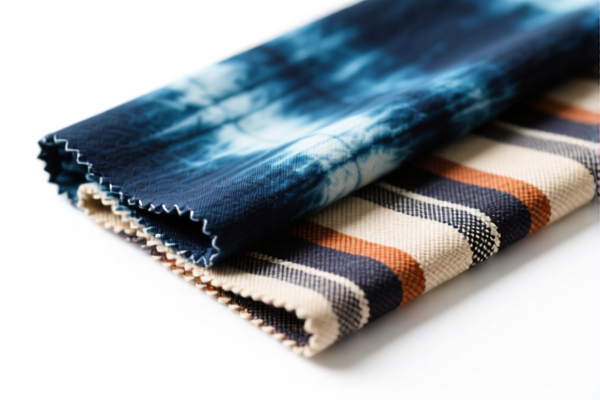
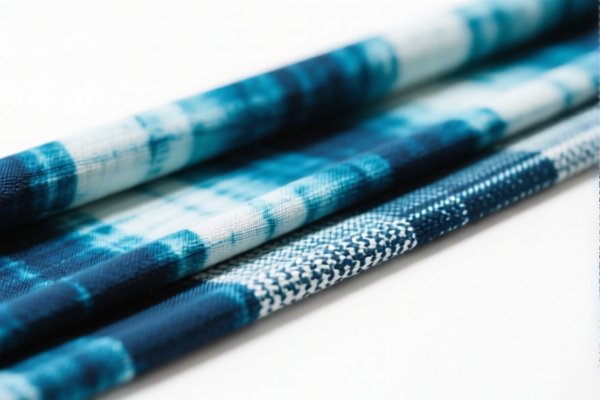
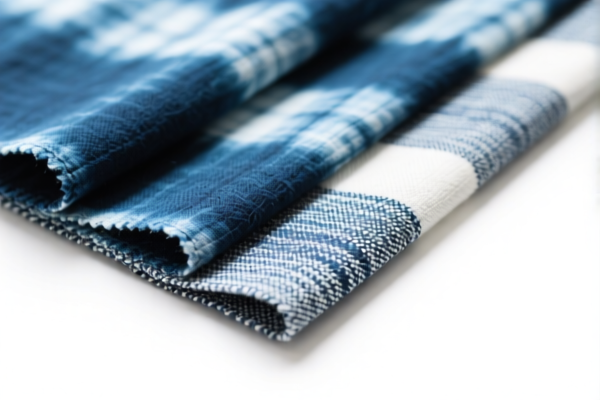
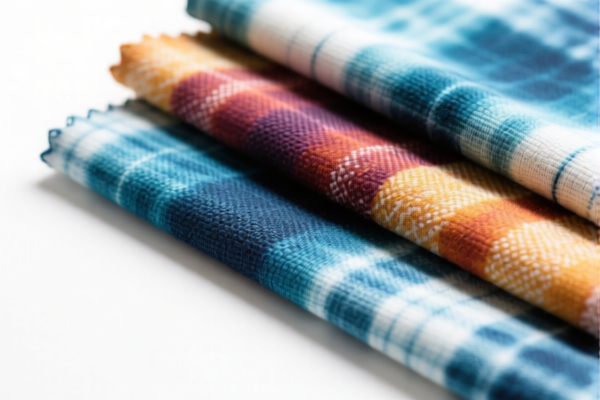
AI Analysis
🧵 Cotton Blend Dyed Woven Fabric for Sportswear
🌐 HS Code Reference & Customs Clearance Guide | 2026 Latest Tariff Analysis | Professional Clearance Strategy
📌 I. Product Definition & Classification: Do You Really Understand "Cotton Blend Woven Fabric"?
Cotton blend dyed woven fabric is a versatile textile material widely used in sportswear, casual wear, and uniforms. In international trade, classification hinges on the fiber composition, weaving structure, and dyeing process.
Key Distinction Points: * Fiber Composition: Is it primarily cotton (>50%) or primarily synthetic fibers (>50%)? This determines the major HS Chapter (52 vs. 54). * Processing State: "Dyed" implies the fabric has undergone a dyeing process after weaving, which significantly impacts the tariff rate compared to "bleached" or "undyed" fabrics. * Weave Type: "Woven" distinguishes it from knitted fabrics (Chapter 60).
⚠️ Critical Alert:
- Misclassification between Chapter 52 (Cotton) and Chapter 54 (Man-Made Fibers) can lead to significant tariff differences due to US "Section 301" and "Section 232/122" tariffs. - "Cotton Blend" is ambiguous. Customs requires precise percentage breakdowns.
📦 II. HS Code Classification Details (Based on Provided Data 2026)
The following HS Codes are derived from the provided dataset, reflecting different interpretations of "Cotton Blend" under US Customs regulations.
| HS Code | Product Description | Applicable Scenario | Key Classification Logic |
|---|---|---|---|
5209.31.60.20 |
Woven Cotton Fabrics, Dyed, 85g/m²: Specific sub-category for cotton blends used in sportswear. | Sportswear, lightweight woven items. | Primary Cotton Classification: Falls under Chapter 52. Base tariff is lower (8.4%). |
5209.39.00.40 |
Other Woven Cotton Fabrics, Dyed: Fallback category for cotton fabrics not specified elsewhere. | General sportswear, other woven cotton blends. | Cotton Fallback: Still Chapter 52. Base tariff 8.4%. |
5407.82.00.10 |
Woven Fabrics of Synthetic Fibers, Dyed: Classified as Man-Made Fiber due to blend ratio or specific trade rules. | Sportswear where synthetic content dominates or is legally classified as such. | Synthetic Classification: Chapter 54. Base tariff higher (14.9%). |
5407.82.00.20 |
Other Woven Fabrics of Synthetic Fibers, Dyed: Broader category for synthetic blends. | General sportswear, other synthetic blends. | Synthetic Fallback: Chapter 54. Base tariff 14.9%. |
🔍 Important Note:
- Chapter 52 (Cotton) generally has a lower base tariff (8.4%) but is subject to high additional tariffs. - Chapter 54 (Synthetic) has a higher base tariff (14.9%) but is equally subject to additional tariffs. - The term "Cotton Blend" is critical. If the cotton content is <50%, it may be misclassified under Chapter 52, leading to penalties.
💰 III. 2026 Latest Tariff Rate Breakdown (Including Additional Duties & Policies)
✅ Applicable Country: United States (US)
✅ Origin: China (CN)
✅ Effective Time: 2025/2026 (Current Trade Restrictions)
🎯 1. 5209.31.60.20 & 5209.39.00.40 —— Cotton Woven Fabrics (Chapter 52)
| Item | Content |
|---|---|
| Base Tariff | 8.4% (Ad Valorem) |
| Section 301 Surcharge | +25.0% (Standard US-China Trade War Tariff) |
| Section 122 Surcharge | +10.0% (Specific tariff for certain textile/apparel items from China) |
| Total Effective Rate | 43.4% |
| Calculation | CIF Value × 43.4% |
| De Minimis Exemption | ❌ Not Eligible (High tariff items are excluded from Section 321 de minimis rules) |
| Legal Basis Path | HTSUS:5209 → USITC:Footnote 301 → USTR:Section 301 → CBP:Section 122 |
📌 Explanation:
- The 8.4% is the standard Most Favored Nation (MFN) rate for cotton woven fabrics. - The +25% is the standard "Section 301" tariff applicable to most Chinese-origin goods. - The +10% is the "Section 122" tariff, specifically targeting certain textile and apparel products from China, often applied to fabrics used in clothing. - Total: 43.4%. This is a very high effective rate. Cost control is essential.
🎯 2. 5407.82.00.10 & 5407.82.00.20 —— Synthetic Woven Fabrics (Chapter 54)
| Item | Content |
|---|---|
| Base Tariff | 14.9% (Ad Valorem) |
| Section 301 Surcharge | +25.0% |
| Section 122 Surcharge | +10.0% |
| Total Effective Rate | 49.9% |
| Calculation | CIF Value × 49.9% |
| De Minimis Exemption | ❌ Not Eligible |
| Legal Basis Path | HTSUS:5407 → USITC:Footnote 301 → USTR:Section 301 → CBP:Section 122 |
📌 Note:
- The base tariff is higher (14.9%) because synthetic fibers often face slightly higher MFN rates for woven fabrics. - However, the additional tariffs are identical (25% + 10%). - Total: 49.9%. This is the highest tariff tier among the provided options.
🛠️ IV. Customs Clearance Practical Advice (Battle-Tested Pitfall Guide)
✅ 1. Required Documentation Checklist (Mandatory)
| Document | Must Provide | Description |
|---|---|---|
| ✅ Fabric Specification Sheet | ✔️ | Must include fiber composition percentages (e.g., 65% Cotton, 35% Polyester), weight (gsm), width, and weave type. |
| ✅ Dyeing Process Statement | ✔️ | Confirm "Dyed" status. Do not declare as "Bleached" or "Un-dyed." |
| ✅ Commercial Invoice | ✔️ | Must clearly state "Cotton Blend Dyed Woven Fabric" and HS Code. |
| ✅ Packing List | ✔️ | Detail roll length, weight, and packaging. |
| ✅ Bill of Lading/Air Waybill | ✔️ | Standard shipping documents. |
| ✅ Origin Certificate | ❌ (Optional) | If origin is not China, may help avoid Section 301/122, but for China-origin, this is moot. |
✅ 2. Declaration Tips (Key Mnemonics)
🔥 "Composition is King, Dyeing is Key, Section 301/122 Cannot Be Hidden!"
| Scenario | Correct Declaration | Incorrect Practice |
|---|---|---|
| Cotton > 50% | 5209.31.60.20 or 5209.39.00.40 |
Declare as synthetic → Penalty for misclassification. |
| Synthetic > 50% | 5407.82.00.10 or 5407.82.00.20 |
Declare as cotton → Penalty + Tariff Diff. |
| Blend = 50/50 | Depends on specific Chapter Notes; usually leans towards the fiber that gives the essential character. | Ambiguous declaration → Customs Audit. |
| "Sportswear" Use | Mention in description, but HS Code is determined by fabric, not end-use. | Declaring as "Sportswear" directly → Wrong Chapter (61/62). |
✅ 3. Special Circumstances Handling
| Situation | Handling Advice |
|---|---|
| OEM Custom Fabric | Provide detailed composition sheets. Do not just say "Cotton Blend." Specify percentages. |
| Mixed Containers | If mixing cotton and synthetic fabrics, declare separately. Do not lump them under one HS code. |
| Small Samples | Even small samples for sportswear development are subject to the 43.4%-49.9% tariff. De minimis does not apply. |
| Section 122 Exemptions | Rarely granted for China-origin textiles. Assume full rate. |
🌍 V. Global Market Comparison (2026 Update)
| Country/Region | Recommended HS Code | Tariff (China Origin) | Certification | Notes |
|---|---|---|---|---|
| 🇺🇸 USA | 5209.31.60.20 or 5407.82.00.10 |
43.4% - 49.9% | No special certs for fabric | Highest tariffs globally due to Section 301 & 122. |
| 🇨🇳 China | 5208/5407 |
0% - 8% (Import Duty) | N/A | Low entry barrier, but export to US is costly. |
| 🇪🇺 EU | 5208/5407 |
0% - 12% (General MFN) | REACH, OEKO-TEX | No Section 301/122 equivalents. Much cheaper for US exporters to EU. |
| 🇬🇧 UK | 5208/5407 |
0% - 12% | UKCA, REACH | Post-Brexit tariffs align closely with EU. |
| 🇦🇺 Australia | 5208/5407 |
5% - 10% | No specific textile certs | Moderate tariffs, no trade war surcharges. |
📌 Conclusion:
- The US market is exceptionally expensive for China-origin cotton/synthetic woven fabrics due to叠加 (stacked) tariffs. - Alternative Markets (EU, UK, Australia) offer significantly lower tariff barriers for the same products. - Consider supply chain diversification (e.g., sourcing from Vietnam, Bangladesh) if targeting the US market, as these countries may be exempt from Section 301/122 tariffs.
📌 VI. Common Mistakes & Pitfall Guide (Lessons Learned)
❌ Mistake 1: Declaring "Cotton Blend" without specific percentages.
👉 Consequence: Customs may assign a higher default tariff or require extensive documentation delays.
❌ Mistake 2: Misclassifying synthetic fabrics as cotton to save 1.5% on base tariff.
👉 Consequence: The 25% + 10% surcharges are identical, so you save nothing but risk penalties and audits.
❌ Mistake 3: Assuming "Sportswear" end-use reduces tariff.
👉 Consequence: False. Tariffs are applied to the fabric (Chapters 52/54), not the finished garment (Chapters 61/62). The fabric tariff is applied before the garment tariff.
❌ Mistake 4: Using De Minimis for small shipments.
👉 Consequence: Rejected. Textiles under Section 301/122 are explicitly excluded from the $800 de minimis exemption. You will pay the full 43.4%-49.9% even on a single roll.
✅ Correct Approach:
"Dyed Woven Fabric, 65% Cotton/35% Polyester, 150gsm, Sportswear Use, HS Code: 5209.31.60.20, Origin: China, Duty: 43.4%"
🎯 VII. Conclusion: Precision in Classification, Savings in Cost!
🎯 Remember:
🔹 "Composition Defines Chapter, Dyeing Defines Subhead, China Origin Defines Surcharge".
🔹 "43.4% is the Floor, 49.9% is the Ceiling for China-Origin Fabric".
🔹 "De Minimis is Dead for These Goods".
📌 Pro Tip:
If your product is originating from Vietnam, Bangladesh, or Turkey, you may be eligible for Section 301/122 exemptions or lower MFN rates.
Recommendation:
📞 Consult with a licensed US Customs Broker.
📄 Request an Advance Ruling (Pre-Ruling) from CBP for high-value shipments to ensure correct HS Code classification.
🚀 Optimize your supply chain to avoid China-origin if targeting the US market!
📣 Act Now:
📞 Verify Fiber Content → 📄 Declare Accurately → 💰 Calculate 43.4%-49.9% Cost → 🚀 Ship Confidently!
✨ Professional Customs Clearance Starts with Accurate Classification!
💼 Every Percentage Point of Tariff Matters!
Customer Reviews
About HS Code Classification
The Harmonized System (HS) is an internationally standardized nomenclature developed by the World Customs Organization (WCO) to classify traded products. Over 200 countries use the HS system as the basis for customs tariffs, trade statistics, and import/export regulations.
Each HS code follows a hierarchical structure:
- Chapter (2 digits) — Broad category of goods (e.g., Chapter 84: Machinery and Mechanical Appliances)
- Heading (4 digits) — More specific grouping within the chapter
- Subheading (6 digits) — Internationally standardized breakdown, used by all WCO member countries
- National subdivisions (8-10 digits) — Country-specific extensions for further classification, such as US HTSUS 10-digit codes
Correct HS code classification is essential for smooth customs clearance, accurate duty payment, and compliance with trade regulations. Misclassification can lead to customs delays, overpayment of duties, or penalties.
When importing from CN to US, the applicable tariff rates may include:
- Most-Favored-Nation (MFN) rate — The standard duty rate applied to WTO members
- General rate — Applied to countries without trade agreements
- Trade remedy duties — Additional tariffs such as Section 301 (anti-dumping), Section 232 (national security), or countervailing duties
The information provided on this page is for reference purposes only. For official classification, please consult with your local customs authority or a licensed customs broker.