Cotton blend fabric for umbrellas
CN → US| HS Code | Tariff Rate | Origin | Destination | Doc |
|---|---|---|---|---|
| 5211190090 | 42.7% | CN | US | Official Doc |
| 5513110060 | 49.9% | CN | US | Official Doc |
| 5514210020 | 49.9% | CN | US | Official Doc |
| 5513190090 | 49.9% | CN | US | Official Doc |
| 5211110035 | 42.7% | CN | US | Official Doc |
| 5514110020 | 49.9% | CN | US | Official Doc |
Product Images
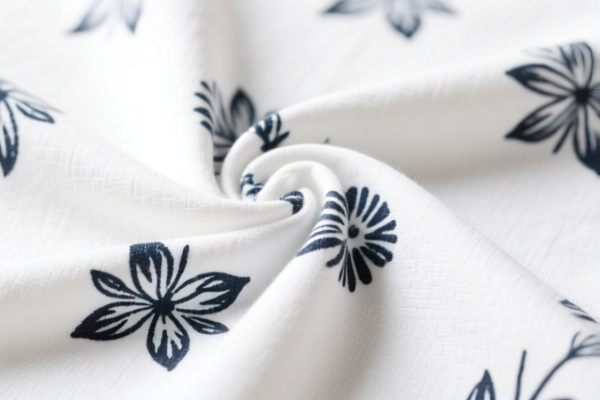
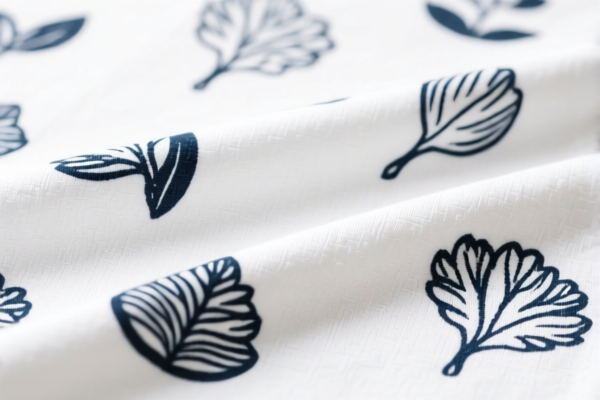
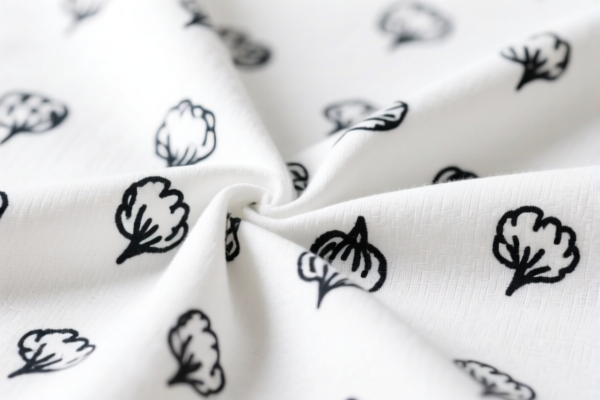
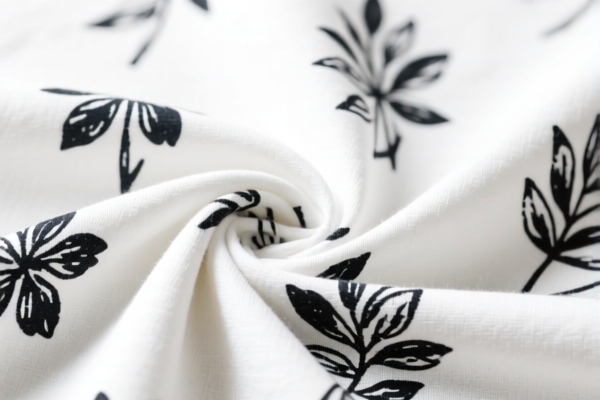
AI Analysis
☂️ Umbrella Cotton Blend Fabric
🌐 HS Code Reference & Clearance Guide | 2026 Latest Tariff Analysis | Professional Clearance Strategy
📌 I. Product Definition & Classification: What is "Cotton Blend Fabric for Umbrellas"?
Cotton blend fabric used for umbrellas falls under Chapter 52 (Cotton) or Chapter 55 (Man-made Staples) of the Harmonized System. The classification depends critically on the fiber composition ratio and fabric structure.
In international trade, this product is typically categorized as a woven fabric of cotton mixed with synthetic fibers. The key distinction lies in whether cotton or synthetic fiber dominates the blend, which dictates the HS Code heading (5211 vs. 5513/5514).
⚠️ Key Distinction Point:
- If Cotton < 85% of total weight → Likely Heading 5211 (if cotton > synthetic) or 5513/5514 (if synthetic > cotton).
- If the fabric is a mix but doesn't fit specific subheadings, general "Other" codes apply.
- Umbrella-specific: Most umbrella fabrics are tightly woven, water-resistant (coated), or quick-dry. However, the HS Code itself classifies by material content, not end-use, unless specific national subheadings apply.
📦 II. HS Code Classification Details (2026 Latest Tariff Authority Reference)
Based on the provided dataset, here are the precise HS Codes for Cotton Blend Woven Fabrics with specific composition constraints:
| HS Code | Product Description | Key Composition Criteria | Total Tax Rate |
|---|---|---|---|
5211.19.00.90 |
Cotton woven fabric, Cotton < 85%, mixed with synthetic fibers | Cotton content is less than 85%, but still the predominant fiber? (Note: Code 5211 generally requires Cotton > Synthetic. If Synthetic > Cotton, see below.) | 42.7% |
5513.11.00.60 |
Woven fabric of synthetic staple fibers, < 85%, mixed mainly with cotton | Synthetic > Cotton or equal; Synthetic staple fibers are primary or only mixed with cotton. | 49.9% |
5514.21.00.20 |
Woven fabric of synthetic staple fibers, < 85%, mixed mainly with cotton | Similar to above, but potentially different weight/weave structure not fully specified in summary. | 49.9% |
5513.19.00.90 |
Woven fabric of synthetic staple fibers, < 85%, mixed mainly with cotton | "Other" category for synthetic staple blends with cotton. | 49.9% |
5211.11.00.35 |
Cotton woven fabric, Cotton < 85%, mixed | Specifically for cotton blends under 85% where cotton is still the reference fiber for Chapter 52. | 42.7% |
🔍 Critical Note for Umbrella Fabrics:
- If your umbrella fabric is polyester-cotton blend and polyester > cotton, it belongs to Chapter 55 (5513.11.00.60,5514.21.00.20,5513.19.00.90) → 49.9% Tax.
- If it is cotton-polyester blend and cotton > polyester (even if cotton < 85% total, e.g., 60% cotton), it may still fall under Chapter 52 (5211.19.00.90,5211.11.00.35) → 42.7% Tax.
- Always check the exact percentage! A 1% difference can shift the chapter.
💰 III. 2026 Latest Tariff Rate Breakdown (Including Additional Taxes)
✅ Applicable Country: United States (US)
✅ Country of Origin: China (CN)
✅ Effective Date: From November 10, 2025 (for subsequent imports)
🎯 1. Chapter 52 Codes: 5211.19.00.90 & 5211.11.00.35
(Cotton-Dominant Blends, Cotton < 85%)
| Item | Content |
|---|---|
| Base Tariff | 7.7% (Ad valorem) |
| Section 301 Tariff (USITC) | +25.0% (On China-origin goods) |
| Section 122 Tariff (IEEPA) | +10.0% (On China-origin goods, effective Nov 10, 2025) |
| Total Effective Tax Rate | 42.7% |
| Tax Calculation | CIF Value × 42.7% |
| De Minimis Exemption? | ❌ NO (Not eligible for $800 de minimis) |
| Legal Path | IEEPA:9903.01.25 → IEEPA:9903.01.24 → USITC:5211.19.00.90 / 5211.11.00.35 → FOOTNOTE:9903.88.01 |
📌 Explanation:
- These codes are more favorable than Chapter 55 codes for blends where cotton is still the primary fiber reference.
- Base rate is lower (7.7%), but still subject to the full 25% + 10% surcharges.
🎯 2. Chapter 55 Codes: 5513.11.00.60, 5514.21.00.20, 5513.19.00.90
(Synthetic-Dominant Blends, Synthetic < 85% but Mixed with Cotton)
| Item | Content |
|---|---|
| Base Tariff | 14.9% (Ad valorem) |
| Section 301 Tariff (USITC) | +25.0% (On China-origin goods) |
| Section 122 Tariff (IEEPA) | +10.0% (On China-origin goods, effective Nov 10, 2025) |
| Total Effective Tax Rate | 49.9% |
| Tax Calculation | CIF Value × 49.9% |
| De Minimis Exemption? | ❌ NO (Not eligible for $800 de minimis) |
| Legal Path | IEEPA:9903.01.25 → IEEPA:9903.01.24 → USITC:5513.11.00.60 / 5514.21.00.20 / 5513.19.00.90 → FOOTNOTE:9903.88.01 |
📌 Explanation:
- These codes apply if synthetic fibers (polyester, nylon) are the primary component or if the fabric is classified under Chapter 55 due to specific weaving/weight criteria.
- Base rate is higher (14.9%), leading to a higher total tax burden (49.9%).
- Common for Umbrellas: Many high-quality umbrella fabrics use polyester or nylon for water resistance and durability. If your fabric is Polyester-Cotton and Polyester > Cotton, you likely fall here.
🛠️ IV. Practical Clearance Advice (Pitfall Avoidance Guide)
✅ 1. Required Documentation Checklist
| Document | Mandatory? | Description |
|---|---|---|
| ✅ Product Specification Sheet | ✔️ | Must state exact fiber composition percentages (e.g., 65% Polyester, 35% Cotton) |
| ✅ Fabric Composition Test Report | ✔️ | Third-party lab report (e.g., SGS, Intertek) confirming fiber content |
| ✅ HS Code Pre-Ruling | ✔️ | Highly recommended to determine if Chapter 52 or 55 applies |
| ✅ Commercial Invoice | ✔️ | Clearly describe as "Woven Fabric for Umbrella, Polyester/Cotton Blend" |
| ✅ Packing List | ✔️ | Include fabric width, weight (GSM), and length |
| ✅ Bill of Lading | ✔️ | Ensure description matches invoice |
✅ 2. Classification Strategy (Key Tips)
🔥 "Check the Ratio! Chapter 52 vs. 55 Makes a Difference!"
| Scenario | Correct HS Code | Tax Rate | Risk |
|---|---|---|---|
| Cotton > Synthetic (e.g., 60% Cotton, 40% Poly) | 5211.19.00.90 or 5211.11.00.35 |
42.7% | Low (if composition is clear) |
| Synthetic > Cotton (e.g., 70% Polyester, 30% Cotton) | 5513.11.00.60, 5514.21.00.20, or 5513.19.00.90 |
49.9% | Medium (must prove synthetic dominance) |
| Unclear Composition | Customs may assign worst-case scenario | Up to 49.9% | High (delays, penalties) |
| Coated/Waterproof Fabric | Still classified by base fiber content | Same as above | Low (coating doesn't change Chapter) |
📌 Important:
- Do not declare as "Umbrella" directly. The HS Code is for the fabric, not the finished umbrella.
- Do not omit fiber percentages. Customs will require a lab test if not stated.
✅ 3. Special Considerations for Umbrella Fabrics
| Issue | Advice |
|---|---|
| Water-Resistant Coating | Does not change HS Code. Still classified by fiber content (Cotton vs. Synthetic). |
| Printing/Pattern | Does not change HS Code unless it makes the fabric a "printed textile" under a different subheading (not in this dataset). |
| Small Quantities | If value < $800, still subject to full tariffs (42.7% or 49.9%). No de minimis exemption for China-origin textiles under current IEEPA. |
| Country of Origin | Ensure Country of Origin is China on all documents. If fabricated in Vietnam, tariffs may differ (check for USMCA/FTZ benefits). |
🌍 V. Global Market Comparison (2026)
| Country/Region | Recommended HS Code | Tariff (China Origin) | Notes |
|---|---|---|---|
| 🇺🇸 USA | 5211.19.00.90 or 5513.11.00.60 |
42.7% or 49.9% | High tariffs due to Section 301 & IEEPA. No de minimis. |
| 🇨🇳 China | Same HS Codes | 7.7% or 14.9% | Lower base rates. No Section 301/122. |
| 🇪🇺 EU | Similar HS Codes | 0% - 12% | No Section 301/122. Standard MFN rates apply. |
| 🇬🇧 UK | Similar HS Codes | 0% - 12% | Post-Brexit, similar to EU. |
| 🇨🇦 Canada | Similar HS Codes | 0% - 12% | No Section 301/122. |
📌 Conclusion:
- USA is the most expensive market due to additional tariffs.
- Plan for 42.7%–49.9% total tax on China-origin umbrella fabrics.
- Consider supply chain diversification if cost sensitivity is high.
📌 VI. Common Errors & Pitfalls (Lessons Learned)
❌ Error 1: Declaring "Cotton Fabric" for a Polyester-Cotton blend.
👉 Consequence: Misclassification → 49.9% tax instead of 42.7%, or penalty if caught.
❌ Error 2: Ignoring fiber percentage.
👉 Consequence: Customs may reject declaration, requiring costly lab tests → Delay + Storage Fees.
❌ Error 3: Assuming "Umbrella Fabric" gets a special code.
👉 Consequence: No special code exists for end-use. Must use general textile codes.
❌ Error 4: Using de minimis for small shipments.
👉 Consequence: All China-origin textiles are subject to Section 122 tariffs, even if < $800.
✅ Correct Approach:
"Woven Fabric, 65% Polyester, 35% Cotton, for Umbrella Use, Width 150cm, Weight 180GSM"
🎯 VII. Conclusion: Precise Classification Saves Money!
🎯 Key Takeaway:
🔹 Check the Fiber Ratio!
- Cotton > Synthetic? → 42.7%
- Synthetic > Cotton? → 49.9%
🔹 No De Minimis for China Textiles!
🔹 Always Provide Lab Reports!
📌 Pro Tip:
If you are exporting to the US, apply for an Advance Ruling from CBP to confirm the HS Code. This can prevent costly misclassification errors.
📣 Immediate Action:
📞 Consult a licensed customs broker.
📄 Get a fiber composition test from SGS/Intertek.
🚀 Ensure all documents reflect exact fiber percentages.
✨ Professional Clearance Starts with Accurate Classification!
💼 Every percentage point of tax matters!
Customer Reviews
About HS Code Classification
The Harmonized System (HS) is an internationally standardized nomenclature developed by the World Customs Organization (WCO) to classify traded products. Over 200 countries use the HS system as the basis for customs tariffs, trade statistics, and import/export regulations.
Each HS code follows a hierarchical structure:
- Chapter (2 digits) — Broad category of goods (e.g., Chapter 84: Machinery and Mechanical Appliances)
- Heading (4 digits) — More specific grouping within the chapter
- Subheading (6 digits) — Internationally standardized breakdown, used by all WCO member countries
- National subdivisions (8-10 digits) — Country-specific extensions for further classification, such as US HTSUS 10-digit codes
Correct HS code classification is essential for smooth customs clearance, accurate duty payment, and compliance with trade regulations. Misclassification can lead to customs delays, overpayment of duties, or penalties.
When importing from CN to US, the applicable tariff rates may include:
- Most-Favored-Nation (MFN) rate — The standard duty rate applied to WTO members
- General rate — Applied to countries without trade agreements
- Trade remedy duties — Additional tariffs such as Section 301 (anti-dumping), Section 232 (national security), or countervailing duties
The information provided on this page is for reference purposes only. For official classification, please consult with your local customs authority or a licensed customs broker.