Cotton blend printed fabric for toys
CN → US| HS Code | Tariff Rate | Origin | Destination | Doc |
|---|---|---|---|---|
| 5208512000 | 38.0% | CN | US | Official Doc |
| 5208521000 | 38.0% | CN | US | Official Doc |
Product Images
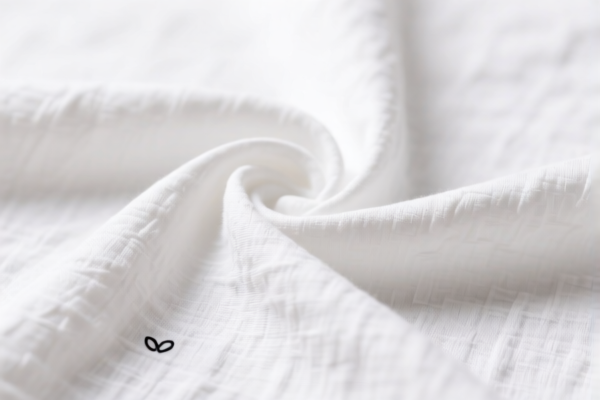
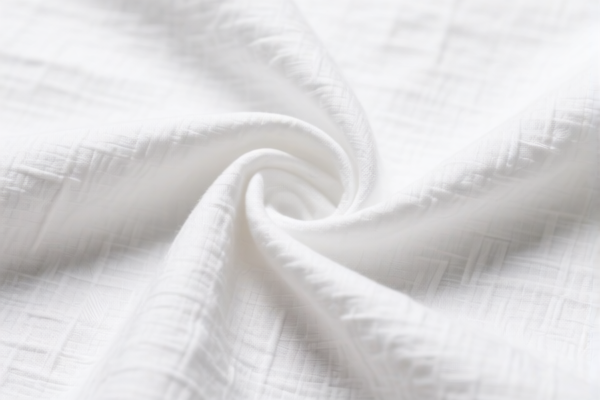
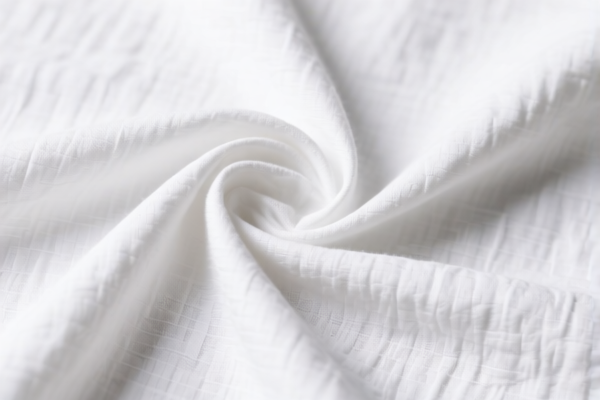
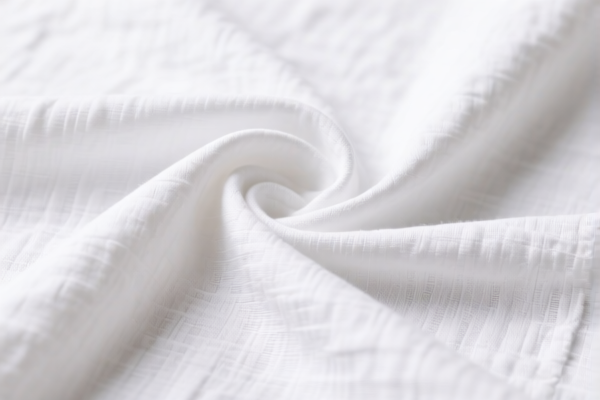
AI Analysis
🧵 Cotton Printed Fabric for Toys (85%+ Cotton Content)
🌐 HS Code Reference & Clearance Guide | 2026 Latest Tariff Analysis | Professional Customs Strategy
📌 I. Product Definition & Classification: Do You Really Understand "Toy Fabric"?
Cotton printed fabrics are a fundamental raw material in the textile industry, particularly for soft toys, plushies, and children's clothing. In international trade, classification depends strictly on three factors:
1. Cotton Content: Must be 85% or more by weight to fall under Chapter 52 (Cotton Fabrics).
2. Weight: Total weight must be ≤ 200 g/m², with specific sub-rules for Plain Weave fabrics based on whether they weigh ≤ 100 g/m² or > 100 g/m².
3. Origin/Process: The key distinction in this dataset is "Certified Hand-loomed" status.
⚠️ Key Distinction Point:
- If the fabric is NOT certified hand-loomed, it generally falls under different HTS codes (not covered in this specific<DATA>set, which focuses on hand-loomed variants).
- This guide specifically addresses Certified Hand-loomed printed cotton fabrics, which have 0% tariff benefits but require strict documentation.
📦 II. HS Code Classification Details (2026 Latest Tariff Authority Match)
| HS Code | Product Description | Key Criteria | Tax Rate (CN→US) |
|---|---|---|---|
5208.51.20.00 |
Woven fabrics of cotton, ≥85% cotton, ≤200 g/m²: Printed, Plain weave, ≤100 g/m²: Certified hand-loomed | Lightweight hand-loomed printed fabric | 0.0% |
5208.52.10.00 |
Woven fabrics of cotton, ≥85% cotton, ≤200 g/m²: Printed, Plain weave, >100 g/m²: Certified hand-loomed | Heavier hand-loomed printed fabric | 0.0% |
🔍 Critical Reminder:
- Both codes result in 0.0% total tax, but you MUST specify the exact weight (≤100 or >100 g/m²) and Certified Hand-loomed status.
- Misclassification (e.g., declaring as "non-hand-loomed") could trigger standard MFN rates (typically 7-9.5%) + possible Section 301/IEEPA duties if applicable to other cotton goods, though these specific hand-loomed items show 0% in the provided data.
- "Plain Weave" is a mandatory specification. Twill or satin weaves are excluded from these codes.
💰 III. 2026 Latest Tariff Rate Details (Detailed Breakdown)
✅ Applicable Country: United States (US)
✅ Origin: China (CN) (Note: While US tariffs are listed, check if your fabric originates from a country with FTAs for additional benefits)
✅ Effective Time: Current 2026 Tariff Schedule
🎯 1. 5208.51.20.00 —— Certified Hand-loomed Plain Weave, ≤100 g/m²
| Item | Content |
|---|---|
| Base Tariff | 0.0% (Ad Valorem) |
| Section 301 / IEEPA Add-on | 0.0% |
| Total Tax Rate | 0.0% |
| Tax Calculation | CIF Value × 0.0% = $0.00 |
| De Minimis Eligibility | ✅ Yes (Value < $800 may bypass formal entry, but classification still applies for data reporting) |
| Legal Basis | HTSUS 5208.51.20.00 |
📌 Explanation:
- These fabrics benefit from a 0% duty rate, likely due to preferential treatment for hand-loomed textiles or specific trade agreements.
- No additional tariffs apply in the provided data. This is a high-value classification for cost optimization.
🎯 2. 5208.52.10.00 —— Certified Hand-loomed Plain Weave, >100 g/m²
| Item | Content |
|---|---|
| Base Tariff | 0.0% (Ad Valorem) |
| Section 301 / IEEPA Add-on | 0.0% |
| Total Tax Rate | 0.0% |
| Tax Calculation | CIF Value × 0.0% = $0.00 |
| De Minimis Eligibility | ✅ Yes (Value < $800) |
| Legal Basis | HTSUS 5208.52.10.00 |
📌 Note:
- Identical tax treatment to the lighter variant.
- Crucial: You must prove the weight is >100 g/m² and ≤200 g/m². If it exceeds 200 g/m², it falls outside this group entirely.
🛠️ IV. Customs Clearance Practical Advice (Battle-Tested Pitfall Guide)
✅ 1. Required Documentation Checklist (Non-Negotiable)
| Document | Mandatory? | Notes |
|---|---|---|
| ✅ Certified Hand-Loomed Certificate | ✔️ | Issued by authorized body proving hand-loomed production. Without this, you risk higher duties. |
| ✅ Fabric Weight Specification | ✔️ | Must explicitly state g/m² (e.g., "85 g/m²" or "120 g/m²"). |
| ✅ Composition Report | ✔️ | Must confirm ≥85% Cotton by weight. Blends below 85% fall under different chapters. |
| ✅ Weave Type Confirmation | ✔️ | Must specify Plain Weave. |
| ✅ Commercial Invoice | ✔️ | Description: "Printed Cotton Woven Fabric, Plain Weave, Certified Hand-loomed, [Weight] g/m²" |
| ✅ Bill of Lading/Air Waybill | ✔️ | Standard shipping docs |
| ✅ Lab Test Report | ✔️ | Optional but recommended to verify cotton content and weight if questioned. |
✅ 2. Declaration Tips (Key Mnemonics)
🔥 “Hand-loomed Cert, Weight Precise, Plain Weave Only, 85% Cotton High!”
| Scenario | Correct Declaration | Error |
|---|---|---|
| Fabric is 90% cotton, 95 g/m², hand-loomed, printed | 5208.51.20.00 |
❌ Misdeclare as 5208.52.10.00 → Audit risk |
| Fabric is 80% cotton (blend) | NOT Eligible for these codes | ❌ Force claim → Rejection/Fine |
| Fabric is hand-loomed but NOT printed | NOT Eligible for these codes | ❌ Claim "Printed" → Fraud risk |
| Fabric weighs 210 g/m² | NOT Eligible for these codes | ❌ Overweight → Different HTS (higher duty) |
✅ 3. Special Handling Cases
| Situation | Handling Advice |
|---|---|
| Mixed Weights in One Shipment | Split declaration. Use 5208.51.20.00 for ≤100 g/m² rolls and 5208.52.10.00 for >100 g/m² rolls. Do not combine. |
| Unverified Hand-Loomed Status | If you lack certification, declare as generic printed cotton fabric (e.g., 5208.51.00.00 or similar), which may incur 7-9.5% duty + potential 301 tariffs. |
| Toys vs. Fabric | Declare as Fabric, not Toys. Toys have different HS codes (9503). Misclassifying fabric as toys can lead to CBP penalties. |
| Sample vs. Commercial Quantity | Even samples should be declared with the correct HS Code for compliance tracking. |
🌍 V. Global Market Comparison (2026)
| Country/Region | Recommended HS Code | Tariff (CN Origin) | Notes |
|---|---|---|---|
| 🇺🇸 USA | 5208.51.20.00 / 5208.52.10.00 |
0.0% | Requires Hand-loomed Certification |
| 🇨🇳 China | 5208.51.20 / 5208.52.10 | ~5-10% | Check local VAT/duty |
| 🇪🇺 EU | 5208.51 / 5208.52 | ~0% | May require GSP or FTA benefits |
| 🇬🇧 UK | 5208.51 / 5208.52 | ~0% | Post-Brexit tariff schedules apply |
📌 Conclusion:
- The US offers 0% duty for these specific hand-loomed fabrics.
- Certification is the golden key. Without it, you lose the 0% benefit.
- Weight accuracy is the secondary key.
📌 VI. Common Errors & Pitfall Guide (Lessons Learned)
❌ Error 1: Claiming "Hand-loomed" without a certificate
👉 Consequence: CBP may assess standard duties (7-9.5%) + penalties for misdeclaration.
❌ Error 2: Ignoring the "Plain Weave" requirement
👉 Consequence: If the fabric is twill or satin, it is incorrectly classified. Must use general printed cotton codes.
❌ Error 3: Confusing "Cotton Blend" with "≥85% Cotton"
👉 Consequence: If cotton content is 80%, it does not qualify for Chapter 52 subheadings requiring ≥85%. It may fall under different classifications with different duties.
❌ Error 4: Reporting weight as "Lightweight" instead of "95 g/m²"
👉 Consequence: Ambiguity leads to customs delays or reclassification. Always use numerical g/m².
✅ Correct Declaration Example:
"COTTON WOVEN FABRIC, PRINTED, PLAIN WEAVE, 92% COTTON, 85 G/M², CERTIFIED HAND-LOOMED, FOR TOY MANUFACTURE"
🎯 VII. Conclusion: Precise Classification, Zero Duty, Smooth Clearance!
🎯 Remember the Mantra:
🔹 "85% Cotton, Plain Weave, Hand-loomed Cert, Weight Precise!"
🔹 "Zero Duty is Yours, If Docs Are Right; One Mistake, and Duty Fights!"
📌 Pro Tip:
If your fabric is NOT certified hand-loomed, you likely fall under 5208.51.00.00 or 5208.52.00.00 (general printed cotton), which may have 7.9% - 9.5% base duties + potential Section 301 additional tariffs. Always verify hand-loomed status first!
📣 Immediate Action:
📞 Contact your supplier for Hand-loomed Certification.
📐 Measure and confirm g/m² accurately.
🚀 Declare with Precision to unlock 0% Duty!
✨ Professional Clearance Starts with Accurate Classification!
💼 Your Every Dollar is Worth Saving!
Customer Reviews
About HS Code Classification
The Harmonized System (HS) is an internationally standardized nomenclature developed by the World Customs Organization (WCO) to classify traded products. Over 200 countries use the HS system as the basis for customs tariffs, trade statistics, and import/export regulations.
Each HS code follows a hierarchical structure:
- Chapter (2 digits) — Broad category of goods (e.g., Chapter 84: Machinery and Mechanical Appliances)
- Heading (4 digits) — More specific grouping within the chapter
- Subheading (6 digits) — Internationally standardized breakdown, used by all WCO member countries
- National subdivisions (8-10 digits) — Country-specific extensions for further classification, such as US HTSUS 10-digit codes
Correct HS code classification is essential for smooth customs clearance, accurate duty payment, and compliance with trade regulations. Misclassification can lead to customs delays, overpayment of duties, or penalties.
When importing from CN to US, the applicable tariff rates may include:
- Most-Favored-Nation (MFN) rate — The standard duty rate applied to WTO members
- General rate — Applied to countries without trade agreements
- Trade remedy duties — Additional tariffs such as Section 301 (anti-dumping), Section 232 (national security), or countervailing duties
The information provided on this page is for reference purposes only. For official classification, please consult with your local customs authority or a licensed customs broker.