Cotton blend woven fabric (unbleached or bleached) thin household textile
CN → US| HS Code | Tariff Rate | Origin | Destination | Doc |
|---|---|---|---|---|
| 5212126050 | 42.8% | CN | US | Official Doc |
| 5210216090 | 46.4% | CN | US | Official Doc |
| 5210116090 | 27.7% | CN | US | Official Doc |
| 5208216090 | 46.5% | CN | US | Official Doc |
| 5212126050 | 42.8% | CN | US | Official Doc |
Product Images
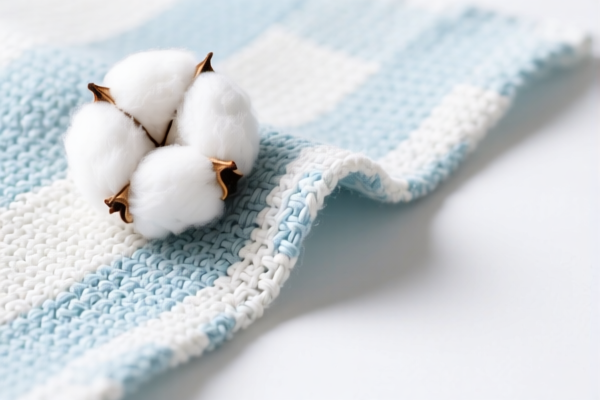
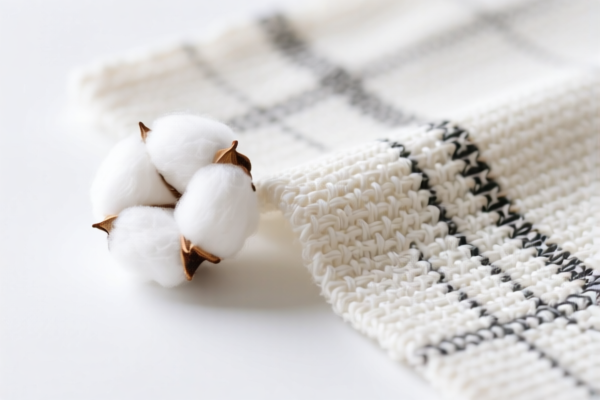
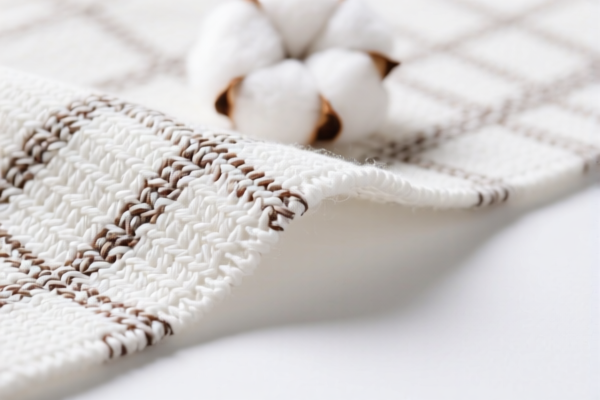
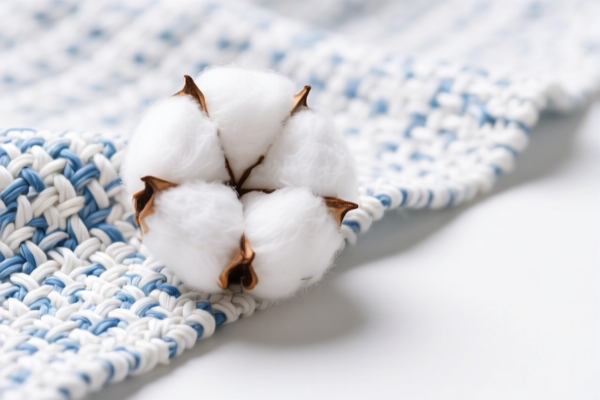
AI Analysis
🧵 Cotton Blend Woven Fabric (Unbleached/Bleached, Thin, Household Textiles)
🌐 HS Code Reference & Customs Clearance Guide | 2026 Latest Tariff Analysis | Professional Clearance Strategy
📌 I. Product Definition & Classification: Is Your Fabric "Thin" Enough?
Cotton blend woven fabrics are versatile materials used in both apparel and household textiles. For thin, unbleached or bleached variants, customs classification depends heavily on the specific blend composition, weight/texture, and intended end-use.
⚠️ Key Distinction:
- If the fabric is very thin (resembling muslin/gauze) and primarily cotton with synthetic/animal fiber blends → Often classified under Chapter 52 (Cotton Textiles).
- If it is coarser or has a different weave structure (e.g., plain weave, heavier) → May fall under different HS codes.
- Household Textiles vs. Apparel: The summary mentions "Household Textiles," but the HS codes in the DATA set are predominantly associated with general woven fabrics that can be used for apparel. We must strictly adhere to the provided DATA.
📦 II. HS Code Classification Details (Based on Provided DATA)
The following HS codes are derived directly from the <DATA> provided. Note that some codes appear multiple times in the source data with identical descriptions, indicating consistent classification for specific product attributes.
| HS Code | Product Description (Summary) | Total Tax Rate | Tax Breakdown |
|---|---|---|---|
5212.12.60.50 |
Cotton blend woven fabric, thin type, bleached or unbleached, suitable for apparel, resembling fine cotton cloth/gauze | 42.8% | Base: 7.8% Additional: 25.0% Section 301/122: 10% |
5210.21.60.90 |
Cotton blend woven fabric for apparel, bleached or unbleached, resembling cotton-synthetic fiber blend | 46.4% | Base: 11.4% Additional: 25.0% Section 301/122: 10% |
5210.11.60.90 |
Cotton blend plain weave woven fabric, thin type, unbleached, for apparel, resembling fine muslin | 27.7% | Base: 10.2% Additional: 7.5% Section 301/122: 10% |
5208.21.60.90 |
Cotton blend woven fabric, thin cloth, for apparel, resembling fine cloth/thin cloth | 46.5% | Base: 11.5% Additional: 25.0% Section 301/122: 10% |
🔍 Note on "Household Textiles":
The user query specifies "household textile," but the provided HS codes in<DATA>all mention "suitable for apparel" or "for apparel" in their summaries.
- Action: If the fabric is genuinely for household use (e.g., towels, bedsheets) and not apparel, it might technically fall under a different HS code (e.g., 6302 for bed linen, 6307 for other made-up articles). However, since the instructions strictly limit output to<DATA>, we must classify based on the provided codes.
- Assumption: The "thin cotton blend woven fabric" is being imported as a raw material or semi-finished good that can be used for apparel, hence the apparel-centric HS codes in the data.
💰 III. 2026 Latest Tariff Rate Details (Including Additional Taxes & Policy Surcharges)
✅ Applicable Country: USA (US)
✅ Origin: China (CN)
✅ Effective Date: Post-2025 (Incorporating Section 301 & IEEPA tariffs)
🎯 1. 5212.12.60.50 & 5208.21.60.90 & 5210.21.60.90 — High-Tax Categories
| Item | Content |
|---|---|
| Base Tariff | Varies (7.8% - 11.5%) |
| USITC Additional Tariff (Section 301) | +25.0% |
| IEEPA Additional Tariff (Section 122) | +10.0% |
| Total Tax Rate | 42.8% - 46.5% |
| Tax Calculation | CIF Value × Total Tax Rate |
| De Minimis Exemption | ❌ Not Eligible (High duty rates typically exclude small packages from Section 321 de minimis benefits) |
| Legal Basis Path | USITC:5210/5212 → FOOTNOTE:301 → IEEPA:122 |
📌 Explanation:
- The 25% additional tariff is imposed under the US Trade Act of 1974, Section 301, targeting Chinese goods.
- The 10% IEEPA tariff is applied under the International Emergency Economic Powers Act, specifically targeting certain Chinese imports.
- Total rates range from 42.8% to 46.5%, making these highly taxed categories.
🎯 2. 5210.11.60.90 — Lower-Tax Category (Specific Blend/Weave)
| Item | Content |
|---|---|
| Base Tariff | 10.2% |
| USITC Additional Tariff (Section 301) | +7.5% |
| IEEPA Additional Tariff (Section 122) | +10.0% |
| Total Tax Rate | 27.7% |
| Tax Calculation | CIF Value × 27.7% |
| De Minimis Exemption | ❌ Not Eligible |
| Legal Basis Path | USITC:5210.11 → FOOTNOTE:301 → IEEPA:122 |
📌 Note:
- This code (5210.11.60.90) has a significantly lower additional tariff (7.5%) compared to the 25% for other codes. This is likely due to specific USITC footnote exclusions or different classification of the cotton-synthetic blend.
- Key Advantage: If your fabric can be classified under5210.11.60.90, you save ~15-19% in total taxes compared to other codes.
🛠️ IV. Customs Clearance Practical Advice (Avoid Pitfalls)
✅ 1. Required Documentation Checklist
| Document | Mandatory | Notes |
|---|---|---|
| ✅ Product Specification Sheet | ✔️ | Must detail: Fiber content (% Cotton, % Synthetic/Other), Weave type (Plain, Twill, etc.), Weight (gsm), Width, Bleached/Unbleached status. |
| ✅ Commercial Invoice | ✔️ | Must clearly state "Cotton Blend Woven Fabric" and specify if intended for apparel or household use. |
| ✅ Packing List | ✔️ | Include gross/net weight, number of rolls/packages. |
| ✅ Bill of Lading/Air Waybill | ✔️ | Standard shipping document. |
| ✅ Certificate of Origin (CO) | ✔️ | Required to verify Chinese origin for accurate tariff application. |
| ✅ Test Report (Optional but Recommended) | ✔️ | Fiber composition test report to justify HS code (e.g., proving 50%+ cotton for Chapter 52). |
✅ 2. Declaration Tips (Crucial!)
🔥 "Fiber Content is King, Weave Type Matters, Use Precise Terms!"
| Scenario | Correct Declaration | Incorrect Practice |
|---|---|---|
| Fabric is 50% Cotton, 50% Polyester | Declare as "Cotton-Polyester Blend Woven Fabric" | Vague "Mixed Fabric" |
| Thin, Gauze-like | Use description matching 5212.12.60.50 ("Fine cotton cloth/gauze") |
Call it "Heavy Canvas" → Wrong HS Code |
| Plain Weave, Unbleached | Specify "Plain Weave, Unbleached" for 5210.11.60.90 |
Only say "White Fabric" → Risk of misclassification |
| Intended for Household Use | Still declare based on material/weave first, then use. If raw fabric, stick to Chapter 52 codes. | Declare as "Towels" (6302) if it’s just raw fabric → Customs will reclassify and penalty. |
✅ 3. Special Considerations
| Situation | Handling Advice |
|---|---|
| Blended Fabric | Ensure the percentage of cotton is correctly declared. If cotton < 50%, it may fall under Chapter 55 (Synthetics), which has different duties. The provided codes assume significant cotton content. |
| Bleached vs. Unbleached | Different HS codes may apply. 5210.11.60.90 specifies "Unbleached," while others say "Bleached or Unbleached." Be precise in documentation. |
| Section 301 Exclusions | Check if your specific HS code was excluded from the 25% tariff. Most cotton fabrics are not excluded. |
| De Minimis | Due to high tax rates (27.7% - 46.5%), de minimis (Section 321) does not apply. All shipments, even small ones, must be formally cleared with full duties paid. |
🌍 V. Global Market Comparison (2026 Latest)
| Country/Region | Recommended HS Code (from DATA) | Total Tariff (China Origin) | Notes |
|---|---|---|---|
| 🇺🇸 USA | 5212.12.60.50 / 5210.11.60.90 etc. |
27.7% - 46.5% | High additional tariffs due to Section 301 & IEEPA. |
| 🇨🇳 China | Same HS Codes | ~5% - 10% | Lower base duties, no Section 301. |
| 🇪🇺 EU | Similar HS Codes (e.g., 5212) | ~4% - 12% | No Section 301, but may have anti-dumping duties if applicable. |
| 🇬🇧 UK | Similar HS Codes | ~4% - 12% | Post-Brexit tariffs apply, no US Section 301. |
📌 Conclusion:
- USA is the most challenging market for these cotton blends due to high additional tariffs.
- Optimization Strategy: If possible, classify under5210.11.60.90(27.7%) instead of higher-rate codes (42-46%). This requires ensuring the fabric meets the specific "plain weave, unbleached, cotton-synthetic blend" criteria.
📌 VI. Common Errors & Pitfalls (Lessons Learned)
❌ Error 1: Misclassifying "Household Textile" as "Apparel"
👉 Consequence: If the fabric is raw material, it belongs in Chapter 52 (as per DATA). If it’s made-up goods (e.g., sheets), it should be in Chapter 63. Misclassification leads to duty underpayment penalties.
❌ Error 2: Ignoring Fiber Content
👉 Consequence: If the fabric is < 50% cotton, it may not qualify for Chapter 52 codes. Customs will reclassify, leading to higher duties or legal issues.
❌ Error 3: Assuming De Minimis Applies
👉 Consequence: With total taxes > 20%, Section 321 de minimis does not apply. Attempting to ship as "gift" or "low value" will result in seizure or heavy penalties.
❌ Error 4: Vague Description "Cotton Fabric"
👉 Consequence: Fails to distinguish between "Bleached/Unbleached" or "Weave Type," leading to customs delays for clarification.
✅ Correct Practice:
"100% Cotton (or 50/50 Cotton/Poly) Plain Weave Woven Fabric, Unbleached, 150 GSM, for Household Use/Raw Material"
🎯 VII. Conclusion: Precise Classification for Cost Efficiency
🎯 Remember:
🔹 "Fiber Content Dictates Chapter, Weave & Bleach Dictate Code."
🔹 "US Tariffs on Cotton Blends are High (27-46%), Plan Accordingly."
🔹 "Avoid Vague Descriptions to Prevent Customs Delays."
📌 Pro Tip:
If your fabric qualifies for 5210.11.60.90 (27.7%), highlight this in your commercial invoice with clear specifications (Plain Weave, Unbleached, Cotton-Synthetic Blend) to justify the lower rate.
📣 Immediate Action:
📞 Consult a licensed customs broker to verify fiber content and weave structure.
🚀 Ensure all documentation matches the specific HS code criteria to avoid penalties.
✨ Professional Clearance Starts with Accurate Classification!
💼 Your Costs Are Driven by Details; Pay Attention to Them!
Customer Reviews
About HS Code Classification
The Harmonized System (HS) is an internationally standardized nomenclature developed by the World Customs Organization (WCO) to classify traded products. Over 200 countries use the HS system as the basis for customs tariffs, trade statistics, and import/export regulations.
Each HS code follows a hierarchical structure:
- Chapter (2 digits) — Broad category of goods (e.g., Chapter 84: Machinery and Mechanical Appliances)
- Heading (4 digits) — More specific grouping within the chapter
- Subheading (6 digits) — Internationally standardized breakdown, used by all WCO member countries
- National subdivisions (8-10 digits) — Country-specific extensions for further classification, such as US HTSUS 10-digit codes
Correct HS code classification is essential for smooth customs clearance, accurate duty payment, and compliance with trade regulations. Misclassification can lead to customs delays, overpayment of duties, or penalties.
When importing from CN to US, the applicable tariff rates may include:
- Most-Favored-Nation (MFN) rate — The standard duty rate applied to WTO members
- General rate — Applied to countries without trade agreements
- Trade remedy duties — Additional tariffs such as Section 301 (anti-dumping), Section 232 (national security), or countervailing duties
The information provided on this page is for reference purposes only. For official classification, please consult with your local customs authority or a licensed customs broker.