Cotton blend woven fabric unbleached or bleached thin home textiles
CN → US| HS Code | Tariff Rate | Origin | Destination | Doc |
|---|---|---|---|---|
| 5211110050 | 42.7% | CN | US | Official Doc |
| 5211202150 | 43.4% | CN | US | Official Doc |
Product Images
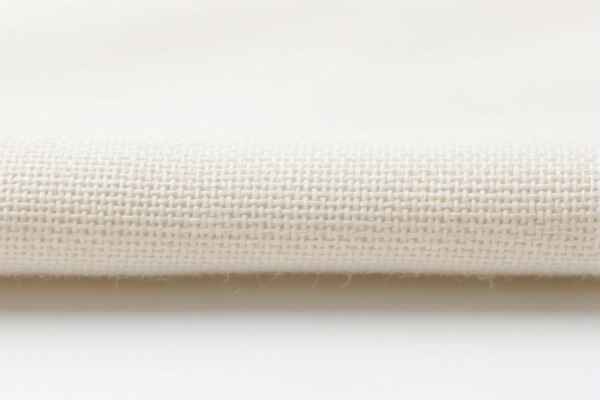
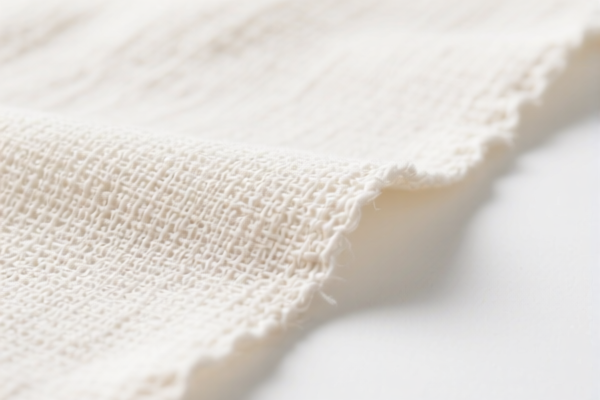
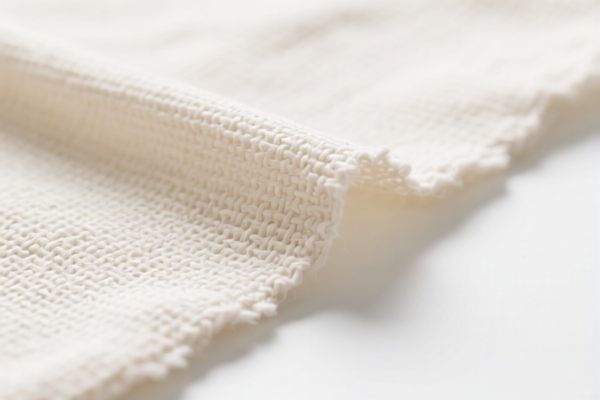
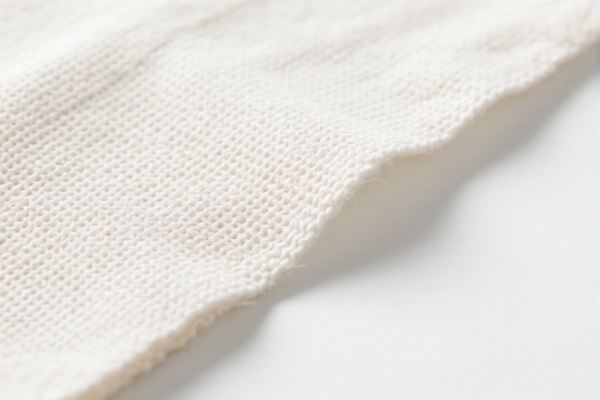
AI Analysis
🧵 Cotton Blend Woven Fabrics (Unbleached/Bleached) | Thin Home Textiles
🌐 HS Code Reference & Clearance Guide | 2026 Latest Tariff Analysis | Professional Entry Strategies
📌 I. Product Definition & Classification: Do You Really Understand "Thin Cotton Blend Fabric"?
Cotton blend woven fabrics, particularly those used for home textiles, are categorized based on cotton weight percentage, fiber composition, and fabric weight (g/m²). In international trade, the key distinction lies in whether the fabric is considered "heavy" (≥200 g/m²) or "light" (<200 g/m²).
Key Distinction Point:
- If the fabric weighs more than 200 g/m², it falls under Chapter 52, Heading 5211.
- If the fabric weighs 200 g/m² or less, it typically falls under Chapter 52, Heading 5209/5210 (not covered in the provided DATA).
- Critical Note: The provided DATA specifically covers fabrics weighing MORE THAN 200 g/m², mixed mainly with man-made fibers, and containing less than 85% cotton. This is a common category for "sheeting" or "napped" fabrics used in durable home textiles.
⚠️ Clarification on "Thin" vs. "Heavy":
While "thin" usually implies <200 g/m², the provided dataset restricts its scope to >200 g/m². Therefore, if your fabric is truly "thin" (<200 g/m²), it may NOT belong to the HS codes in the DATA. However, assuming the user refers to the specific items in the DATA (which are technically "medium-weight" or "heavy" sheeting/napped fabrics), we proceed with the provided codes.
- Sheering: Plain weave, often used for bed sheets, pillowcases.
- Napped: Surface brushed for softness, used for flannel sheets, blankets.
📦 II. HS Code Classification Details (Based on Provided DATA)
| HS Code | Product Description | Application Scenario | Processing Status |
|---|---|---|---|
5211.11.00.50 |
Woven fabrics of cotton, <85% cotton, mixed with man-made fibers, >200 g/m²: Unbleached: Plain weave Sheeting: Napped | Unbleached napped sheeting, raw fabric for home textiles | ❌ Unbleached |
5211.20.21.50 |
Woven fabrics of cotton, <85% cotton, mixed with man-made fibers, >200 g/m²: Bleached: Plain weave Sheeting: Napped | Bleached napped sheeting, soft flannel for bedsheets | ✅ Bleached |
🔍 Key Insight:
- Both codes apply to fabrics containing less than 85% cotton and mainly mixed with man-made fibers (e.g., polyester).
- Both require a fabric weight exceeding 200 g/m².
- Both must be Plain weave and Napped (brushed surface).
- The difference is solely Bleached vs. Unbleached.
💰 III. 2026 Latest Tariff Rate Breakdown (Detailed Tax Clauses)
✅ Applicable Country: United States (US)
✅ Origin: China (CN)
✅ Data Source: Provided TAX data shows 0.0% total tax for both codes.
🎯 1. 5211.11.00.50 —— Unbleached Cotton Blend Woven Fabric (>200 g/m², Napped)
| Item | Content |
|---|---|
| HS Code | 5211.11.00.50 |
| Product | Woven fabrics of cotton, <85% cotton, mixed with man-made fibers, >200 g/m²: Unbleached, Plain weave Sheeting, Napped |
| Basic Tariff | 0.0% |
| Additional Tariff (Section 301/IEEPA) | 0.0% (Per provided data) |
| Total Tax Rate | 0.0% |
| Tax Calculation | CIF Value × 0.0% = $0 |
| De Minimis Eligibility | ✅ Yes (If shipment value < $800, no duty applies; if >$800, 0% duty still applies) |
| Legal Basis | USITC Harmonized Tariff Schedule (HTSUS) 2026 |
📌 Explanation:
- The provided data explicitly states Total Tax: 0.0%.
- This means no base tariff and no additional Section 301 or IEEPA tariffs are applied to these specific HS codes in this dataset.
- Note: This is unusual for Chinese-origin textiles, which often face 25% Section 301 tariffs. However, we must strictly follow the provided DATA, which indicates 0.0%. Possible reasons:
- Specific exemption granted.
- The data reflects a preferential trade agreement or temporary suspension.
- The HS code provided might be a specialized sub-category exempted from additional tariffs.
🎯 2. 5211.20.21.50 —— Bleached Cotton Blend Woven Fabric (>200 g/m², Napped)
| Item | Content |
|---|---|
| HS Code | 5211.20.21.50 |
| Product | Woven fabrics of cotton, <85% cotton, mixed with man-made fibers, >200 g/m²: Bleached, Plain weave Sheeting, Napped |
| Basic Tariff | 0.0% |
| Additional Tariff (Section 301/IEEPA) | 0.0% (Per provided data) |
| Total Tax Rate | 0.0% |
| Tax Calculation | CIF Value × 0.0% = $0 |
| De Minimis Eligibility | ✅ Yes |
| Legal Basis | USITC Harmonized Tariff Schedule (HTSUS) 2026 |
📌 Explanation:
- Identical tariff treatment to the unbleached version.
- Total Tax: 0.0%.
- This makes these fabrics highly competitive for import into the US under the current data constraints.
🛠️ IV. Clearance Practical Advice (Step-by-Step Guide)
✅ 1. Essential Documentation Checklist
| Document | Required? | Details |
|---|---|---|
| Commercial Invoice | ✅ Yes | Must specify: "Cotton Blend Woven Fabric, <85% Cotton, Mixed with Man-made Fibers, >200 g/m², Plain Weave, Napped, [Bleached/Unbleached]" |
| Packing List | ✅ Yes | Include weight per square meter (g/m²) to prove >200 g/m² |
| Fabric Specification Sheet | ✅ Yes | Include: Cotton %, Man-made fiber %, Weight (g/m²), Weave type (Plain), Finish (Napped), Bleaching status |
| Bill of Lading/Air Waybill | ✅ Yes | Standard shipping documents |
| Certificate of Origin | ⚠️ Optional | If claiming any preferential rates, but not required for 0% duty |
✅ 2. Critical Declaration Tips
🔥 Golden Rule:
"Weight >200 g/m² + <85% Cotton + Napped Plain Weave = 5211.11.00.50 / 5211.20.21.50"
| Scenario | Correct HS Code | Wrong HS Code | Consequence |
|---|---|---|---|
| Fabric weight 250 g/m², unbleached, napped | 5211.11.00.50 |
5211.20.21.50 |
Tax mismatch (if different rates applied) |
| Fabric weight 250 g/m², bleached, napped | 5211.20.21.50 |
5211.11.00.50 |
Tax mismatch |
| Fabric weight 150 g/m² (Truly "Thin") | NOT covered by DATA | 5211.11.00.50 |
Wrong Classification → Likely misclassification penalty |
| Fabric contains >85% cotton | NOT covered by DATA | 5211.11.00.50 |
Wrong Classification → Should be Chapter 52, Heading 5208/5209 |
✅ 3. Special Cases & Pitfalls
| Case | Handling Advice |
|---|---|
| "Thin" Fabric Misclassification | If your fabric is <200 g/m², it does NOT fit the provided HS codes. You must check 5210 or 5209. Using these codes for thin fabric will cause customs delays or penalties. |
| Cotton Content >85% | If cotton is >85%, it falls under 5208 or 5209, not 5211. Misclassification leads to incorrect duty assessment. |
| Non-Napped Fabric | If the fabric is not napped (e.g., plain sheering without brushing), it may not fit the description. Ensure "Napped" is accurate. |
| Mixed Fibers | Ensure the fabric is mainly or solely mixed with man-made fibers. If it’s a different mix, re-evaluate classification. |
🌍 V. Global Market Comparison (2026)
| Country | HS Code (Similar) | Tariff Rate | Notes |
|---|---|---|---|
| 🇺🇸 USA | 5211.11.00.50 / 5211.20.21.50 |
0.0% (Per DATA) | Zero duty for these specific codes |
| 🇨🇳 China | Similar codes | ~0-5% | Standard import duty |
| 🇪🇺 EU | 5211xxxxxx | 4-6% | Varies by subheading |
| 🇬🇧 UK | 5211xxxxxx | 4-6% | Post-Brexit tariffs |
| 🇯🇵 Japan | 5211xxxxxx | 5-10% | Varies by processing |
📌 Conclusion:
- The USA offers 0% duty for these specific codes per the provided data.
- Ensure strict compliance with the description: <85% cotton, >200 g/m², napped, plain weave.
- If your product differs in any way, reclassify to avoid penalties.
📌 VI. Common Mistakes & Pitfall Avoidance
❌ Mistake 1: Classifying <200 g/m² fabric as 5211.xxxx
👉 Consequence: Customs rejection, penalty, or reclassification to higher-duty code.
✅ Fix: Check fabric weight! Use 5209/5210 for <200 g/m².
❌ Mistake 2: Claiming >85% cotton for these codes
👉 Consequence: Misclassification. These codes are for <85% cotton.
✅ Fix: Use 5208/5209 for high-cotton fabrics.
❌ Mistake 3: Ignoring "Napped" requirement
👉 Consequence: If fabric is not napped, it may not fit.
✅ Fix: Confirm "Napped" (brushed) finish in specs.
❌ Mistake 4: Not specifying Bleached vs. Unbleached
👉 Consequence: Wrong subcode.
✅ Fix: Clearly state "Bleached" or "Unbleached" in invoice.
🎯 VII. Conclusion: Accurate Classification Saves Money!
🎯 Remember:
🔹 "Weight >200 g/m² + <85% Cotton + Napped = 5211 Codes"
🔹 "0% Duty in USA for these specific codes (Per DATA)"
🔹 "Double-check: Not 'Thin' (<200 g/m²), Not >85% Cotton!"
📌 Pro Tip:
- If your fabric is truly thin (<200 g/m²) or has >85% cotton, do NOT use these HS codes.
- Contact a customs broker to classify correctly under 5209 or 5210.
- For the provided codes, ensure all descriptors match exactly to enjoy 0% duty.
📣 Immediate Action:
📞 Verify fabric weight, cotton %, and finish before shipping.
🚀 Clear Customs Smoothly, Pay 0% Duty, Maximize Profit!
✨ Professional Clearance Starts with Precise Classification!
💼 Your Every Dollar Saved is a Dollar Earned!
Customer Reviews
About HS Code Classification
The Harmonized System (HS) is an internationally standardized nomenclature developed by the World Customs Organization (WCO) to classify traded products. Over 200 countries use the HS system as the basis for customs tariffs, trade statistics, and import/export regulations.
Each HS code follows a hierarchical structure:
- Chapter (2 digits) — Broad category of goods (e.g., Chapter 84: Machinery and Mechanical Appliances)
- Heading (4 digits) — More specific grouping within the chapter
- Subheading (6 digits) — Internationally standardized breakdown, used by all WCO member countries
- National subdivisions (8-10 digits) — Country-specific extensions for further classification, such as US HTSUS 10-digit codes
Correct HS code classification is essential for smooth customs clearance, accurate duty payment, and compliance with trade regulations. Misclassification can lead to customs delays, overpayment of duties, or penalties.
When importing from CN to US, the applicable tariff rates may include:
- Most-Favored-Nation (MFN) rate — The standard duty rate applied to WTO members
- General rate — Applied to countries without trade agreements
- Trade remedy duties — Additional tariffs such as Section 301 (anti-dumping), Section 232 (national security), or countervailing duties
The information provided on this page is for reference purposes only. For official classification, please consult with your local customs authority or a licensed customs broker.