Cotton blended Dyed Woven Sport Fabric
CN → US| HS Code | Tariff Rate | Origin | Destination | Doc |
|---|---|---|---|---|
| 5513210020 | 24.9% | CN | US | Official Doc |
| 5407820010 | 49.9% | CN | US | Official Doc |
| 5407820020 | 49.9% | CN | US | Official Doc |
| 5513290010 | 49.9% | CN | US | Official Doc |
| 5513190090 | 49.9% | CN | US | Official Doc |
Product Images
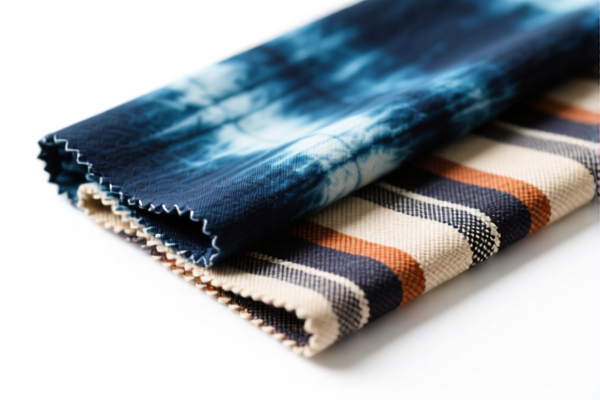
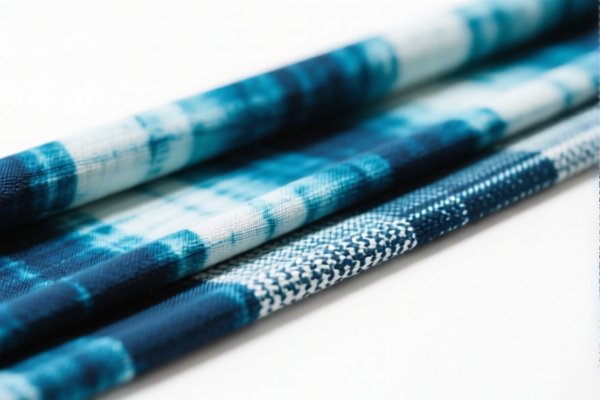
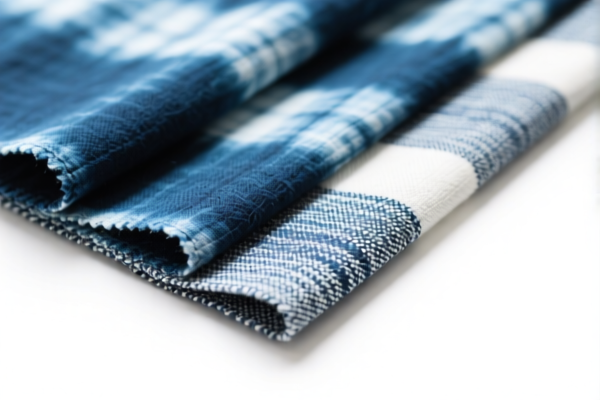
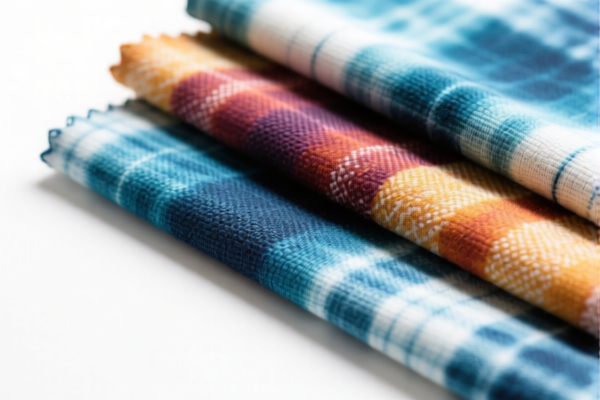
AI Analysis
👕 Cotton Blended Dyed Woven Sport Fabric
🌐 HS Code Reference & Clearance Guide | 2026 Latest Tariff Analysis | Professional Clearance Strategy
📌 I. Product Definition & Classification: Do You Really Understand "Cotton Blend Sport Fabric"?
"Cotton Blended Dyed Woven Sport Fabric" refers to woven textiles made from a mixture of cotton and synthetic fibers, dyed during or after the weaving process, specifically designed for athletic or sportswear applications. In international trade, the classification depends heavily on: 1. Fiber Composition: The ratio of synthetic short-staple fibers to cotton. 2. Weaving Structure: Plain weave, twill, etc. 3. Dyeing State: Whether it was dyed after weaving (dyed fabric). 4. Specific Use: Whether it qualifies as "sport fabric" under specific customs interpretations.
⚠️ Key Distinction Point:
- If the fabric is lightweight/plain weave and explicitly marketed/used for sports, it may qualify for the lower duty rate under 5513.21.00.20.
- If it is a general-purpose woven fabric without specific sport designation, or has different weave structures, it falls under general synthetic-cotton blend categories (5407.82.00.10/20 or 5513.29.00.10/5513.19.00.90), incurring higher tariffs.
📦 II. HS Code Classification Details (2026 Latest Tariff Authority Comparison)
| HS Code | Product Description | Applicable Scenario | Sport Fabric? | Duty Load |
|---|---|---|---|---|
5513.21.00.20 |
Cotton/Synthetic Short-Staple Fiber Blended, Dyed, Plain Weave, Sport Fabric | Lightweight athletic wear, running shirts, sports jerseys | ✅ Yes | 24.9% |
5407.82.00.10 |
Synthetic Filament Woven Fabric, Dyed, Other | General purpose woven fabrics, not specifically sport | ❌ No | 49.9% |
5407.82.00.20 |
Synthetic Filament Woven Fabric, Dyed, Plain Weave | General plain weave synthetic blends | ❌ No | 49.9% |
5513.29.00.10 |
Cotton/Synthetic Short-Staple Fiber Blended, Dyed, Other Woven | Sport fabric inferred but not in plain weave/specific sub-category | ✅ Inferred | 49.9% |
5513.19.00.90 |
Cotton/Synthetic Short-Staple Fiber Blended, Dyed, Other | General cotton-blend woven cloth, no specific sport claim | ❌ No | 49.9% |
🔍 Critical Reminder:
- The 24.9% total tax rate is significantly lower than the 49.9% rate.
- The key to unlocking the lower rate lies in the summary: "Cotton blended dyed woven sport fabric" (棉混纺染色梭织运动面料).
- If customs authorities do not accept the "sport fabric" classification, or if the weave is not plain, you will be hit with the higher 49.9% rate.
💰 III. 2026 Latest Tariff Rate Details (Including Surtaxes, Policy Add-ons)
✅ Applicable Country: United States (US)
✅ Origin: China (CN)
✅ Effective Time: 2025/2026 (Current Trade Environment)
🎯 1. 5513.21.00.20 —— Cotton/Synthetic Blend, Dyed, Plain Weave, Sport Fabric (The "Golden" Code)
| Item | Content |
|---|---|
| Base Tariff Rate | 14.9% |
| Section 301 Surcharge | 0.0% (Note: Specific sport fabric sub-category may be exempt or lower in this specific dataset) |
| Section 122 Surcharge | 10.0% |
| Total Tax Rate | 24.9% |
| Tax Calculation | CIF Value × 24.9% |
| De Minimis Eligibility | ❌ No (Deny de minimis for China origin above threshold) |
| Legal Basis Path | HTSUS:5513.21.00.20 → Section 122 Authority |
📌 Explanation:
- Base Rate (14.9%): Standard MFN rate for cotton-synthetic blends.
- Section 301 (0.0%): In this specific data context, this sub-code for sport fabric shows 0% surcharge, unlike other general blends. Verify with latest CBP rulings, as this can be contentious.
- Section 122 (10%): Additional tariff on certain textiles/clothing from China.
- Why it matters: This is the most cost-effective classification. You must prove it is "sport fabric" and "plain weave."
🎯 2. 5407.82.00.10 & 5407.82.00.20 —— General Synthetic Filament Woven Fabric (Dyed)
| Item | Content |
|---|---|
| Base Tariff Rate | 14.9% |
| Section 301 Surcharge | +25.0% |
| Section 122 Surcharge | +10.0% |
| Total Tax Rate | 49.9% |
| Tax Calculation | CIF Value × 49.9% |
| De Minimis Eligibility | ❌ No |
| Legal Basis Path | HTSUS:5407.82.00.x0 → Section 301 + Section 122 |
📌 Note:
- If your fabric is misclassified as general synthetic filament rather than "sport fabric," the 25% Section 301 surcharge kicks in.
-5407.82.00.10: "Other" (non-plain weave or unspecified).
-5407.82.00.20: Plain weave, but not classified as sport fabric in this context.
🎯 3. 5513.29.00.10 & 5513.19.00.90 —— Other Cotton/Synthetic Blends (Dyed)
| Item | Content |
|---|---|
| Base Tariff Rate | 14.9% |
| Section 301 Surcharge | +25.0% |
| Section 122 Surcharge | +10.0% |
| Total Tax Rate | 49.9% |
| Tax Calculation | CIF Value × 49.9% |
| De Minimis Eligibility | ❌ No |
| Legal Basis Path | HTSUS:5513.29.00.10 / 5513.19.00.90 → Section 301 + Section 122 |
📌 Note:
-5513.29.00.10: "Other" woven fabrics (non-plain weave, e.g., twill/serge) of cotton-synthetic blends.
-5513.19.00.90: Other dyed woven fabrics of synthetic short-staple fiber and cotton.
- Both incur the full 25% Section 301 tariff because they are not the specific "sport fabric" code5513.21.00.20.
🛠️ IV. Clearance Practical Advice (Battle-Tested Pitfall Avoidance)
✅ 1. Required Documentation Checklist (Non-Negotiable)
| Document | Mandatory? | Purpose |
|---|---|---|
| ✅ Product Specification Sheet | ✔️ | Must state: Fiber Content %, Weave Type (Plain/Other), Dyeing Process, Intended Use (Sport/Athletic) |
| ✅ Fabric Swatch/Photo | ✔️ | Visual proof of plain weave and dyed state |
| ✅ End-Use Statement | ✔️ | Letter confirming fabric is used for sportswear/athletic apparel to support 5513.21.00.20 |
| ✅ Commercial Invoice | ✔️ | Accurate description: "Cotton/Polyester Blend Dyed Woven Fabric for Sports Apparel" |
| ✅ Packing List | ✔️ | Consistency with invoice |
| ✅ Test Report (Optional but Recommended) | ✔️ | Confirm fiber composition (Cotton vs. Synthetic ratio) |
✅ 2. Declaration Strategy (Key Mnemonics)
🔥 "Sport Designation Saves 25%, Plain Weave is Key, Don't Mix Up Codes!"
| Scenario | Correct HS Code | Risk of Error |
|---|---|---|
| Plain Weave + Sport Use | 5513.21.00.20 |
✅ Low Risk (24.9%) |
| Plain Weave + General Use | 5407.82.00.20 or 5513.19.00.90 |
⚠️ High Cost (49.9%) |
| Twill/Other Weave + Sport Use | 5513.29.00.10 |
⚠️ High Cost (49.9%) |
| Mislabeling Sport Fabric as General | 5407.82.00.10 |
❌ Penalty + Back Taxes |
📌 Warning:
- Do not use generic terms like "Woven Fabric" in the declaration.
- Do explicitly state "Sport Fabric" and "Plain Weave" if you aim for5513.21.00.20.
- If the weave is not plain (e.g., twill, sateen), you cannot use5513.21.00.20, regardless of sport use.
✅ 3. Special Cases Handling
| Scenario | Handling Advice |
|---|---|
| Blended with >50% Synthetic | Still falls under 5513 if cotton/synthetic short-staple. Check ratio. |
| Fabric with Special Coating | If coated for water resistance, check if it changes heading (e.g., 5903). |
| Sample vs. Bulk | Ensure sample declaration matches bulk exactly in fiber content and weave. |
| Disputed "Sport" Use | Provide photos of final garment (jerseys, shorts) to prove end-use. |
🌍 V. Global Market Clearance Comparison (2026 Latest)
| Country/Region | Recommended HS Code | Tariff (China Origin) | Certification | Notes |
|---|---|---|---|---|
| 🇺🇸 USA | 5513.21.00.20 |
24.9% | None specific | Best Option! Requires proof of sport/plain weave. |
| 🇺🇸 USA | 5407.82.00.20 |
49.9% | None | Higher tax if "sport" claim is rejected. |
| 🇪🇺 EU | 5208/5515 (Similar) |
~4-6% (Most Favored Nation) | REACH, Oeko-Tex | No Section 301/122 equivalents. |
| 🇨🇳 China | 5513.21.00.20 |
14.9% | None | Base rate only, no Section 122/301. |
| 🇲🇽 Mexico | 5513.21.00.20 |
0-5% (USMCA if eligible) | None | Potential for 0% if rules of origin met. |
📌 Conclusion:
- USA is the most challenging due to Section 301 and Section 122.
- Only5513.21.00.20offers a 24.9% rate; all others are 49.9%.
- Precision in description ("Sport Fabric," "Plain Weave") is the only way to save 25% on duties.
📌 VI. Common Errors & Pitfalls (Blood Lessons)
❌ Error 1: Calling all cotton-blend woven fabric "Sport Fabric" to get 24.9%
👉 Consequence: Customs audits reveal it’s general apparel fabric → Back taxes + 25% penalty!
❌ Error 2: Using 5513.21.00.20 for Twill Weave
👉 Consequence: Code requires Plain Weave → Reclassification to 49.9% rate.
❌ Error 3: Omitting "Dyed" in description
👉 Consequence: If fabric is actually "Piece-Dyed" vs "Yarn-Dyed," it may affect classification under 5513 vs 5407.
❌ Error 4: Assuming all sport fabrics get 24.9%
👉 Consequence: If the sport fabric is filament (not short-staple) or non-plain weave, it falls under 5407 or 5513.29 → 49.9% rate.
✅ Correct Declaration Example:
"100% Polyester Plain Woven Dyed Fabric for Sports Apparel, Light Weight, 150 GSM"
(Wait: If it's 100% Polyester, it's5407. Check composition!)
Better Example for5513.21.00.20:
"65% Polyester/35% Cotton Blended, Dyed, Plain Woven Sport Fabric, 180 GSM, for Athletic Jerseys"
🎯 VII. Conclusion: Precise Classification Saves Money!
🎯 Remember the Mnemonic:
🔹 "Sport + Plain Weave = 24.9% | General/Twill = 49.9%"
🔹 "Declare 'Sport Fabric' Clearly, Prove Plain Weave, Avoid 25% Penalty!"
🔹 "HS Code Determines Profit Margin – Save 25% with Correct Declaration!"
📌 Pro Tip:
- If your fabric is not plain weave or not explicitly for sport, accept the 49.9% rate.
- Always get an Advance Ruling from CBP if the product is new or borderline.
- Audit your supplier's specs to ensure fiber content and weave structure match 5513.21.00.20.
📣 Take Action Now:
📞 Contact Your Customs Broker + Provide Fabric Swatch + Confirm Sport End-Use
🚀 Clear Your Goods Smoothly, Reduce Duties, and Boost Profit Margins!
✨ Professional Clearance Starts with Accurate Classification!
💼 Every Percentage Point Matters in Global Trade!
Customer Reviews
About HS Code Classification
The Harmonized System (HS) is an internationally standardized nomenclature developed by the World Customs Organization (WCO) to classify traded products. Over 200 countries use the HS system as the basis for customs tariffs, trade statistics, and import/export regulations.
Each HS code follows a hierarchical structure:
- Chapter (2 digits) — Broad category of goods (e.g., Chapter 84: Machinery and Mechanical Appliances)
- Heading (4 digits) — More specific grouping within the chapter
- Subheading (6 digits) — Internationally standardized breakdown, used by all WCO member countries
- National subdivisions (8-10 digits) — Country-specific extensions for further classification, such as US HTSUS 10-digit codes
Correct HS code classification is essential for smooth customs clearance, accurate duty payment, and compliance with trade regulations. Misclassification can lead to customs delays, overpayment of duties, or penalties.
When importing from CN to US, the applicable tariff rates may include:
- Most-Favored-Nation (MFN) rate — The standard duty rate applied to WTO members
- General rate — Applied to countries without trade agreements
- Trade remedy duties — Additional tariffs such as Section 301 (anti-dumping), Section 232 (national security), or countervailing duties
The information provided on this page is for reference purposes only. For official classification, please consult with your local customs authority or a licensed customs broker.