Cotton blended woven fabric
CN → US| HS Code | Tariff Rate | Origin | Destination | Doc |
|---|---|---|---|---|
| 9403991050 | 35.0% | CN | US | Official Doc |
| 5513190090 | 49.9% | CN | US | Official Doc |
| 5513110060 | 49.9% | CN | US | Official Doc |
| 5514210020 | 49.9% | CN | US | Official Doc |
| 5514110020 | 49.9% | CN | US | Official Doc |
Product Images
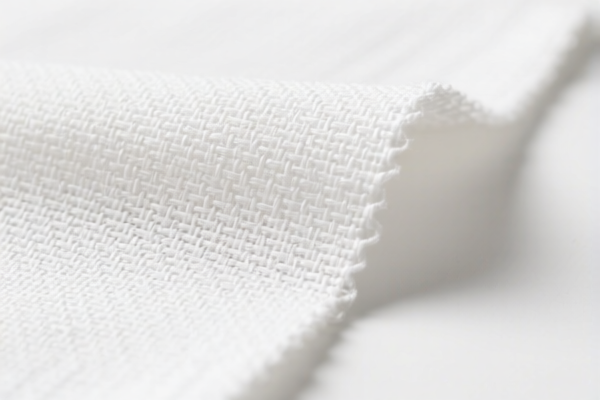
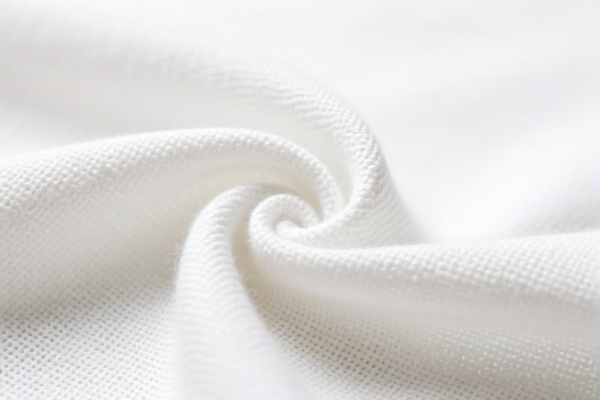
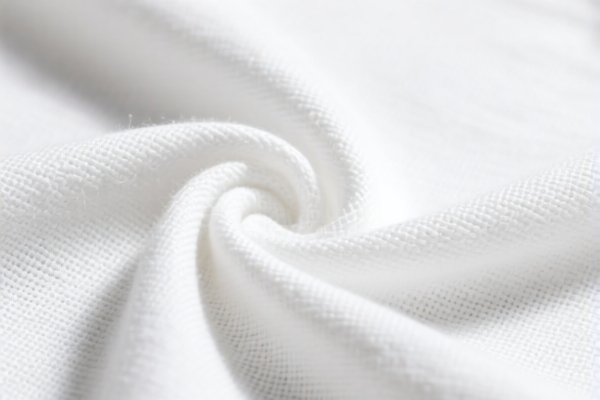
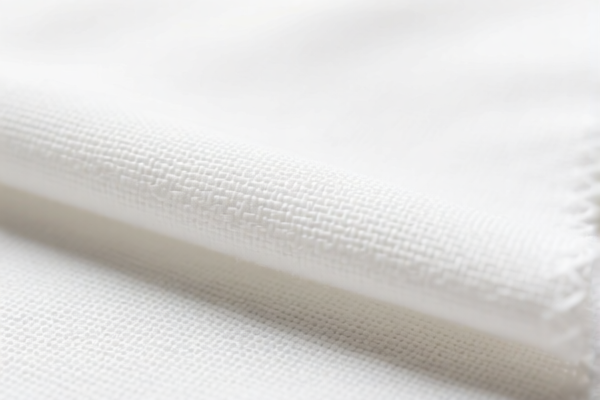
AI Analysis
🧵 Cotton Blended Woven Fabric: The Ultimate HS Code & Tariff Guide | 2026 Compliance & Customs Strategy
🌐 HS Code Reference & Customs Clearance Guide | 2026 Latest Tariff Analysis | Professional-Level Strategy
📌 1. Product Definition & Classification: Do You Really Understand “Cotton Blended Woven Fabric”?
Cotton blended woven fabric is a versatile textile material widely used in apparel, home textiles, furniture, and industrial applications. In international trade, the classification depends heavily on: - Fiber composition (e.g., synthetic short-staple fiber content vs. cotton content) - Weave structure (though less critical for tariff purposes in this dataset) - End-use (e.g., furniture vs. general textile use)
⚠️ Key Distinction:
- If the fabric is specifically used for furniture components (e.g., chair upholstery), it may fall under HS 9403.99.10.50 with a 35.0% total tariff.
- If it is a general-purpose textile fabric made of cotton blended with synthetic short-staple fibers (<85%), it falls under HS 5513/5514 variants with a 49.9% total tariff.
📦 2. HS Code Classification Details (2026 Latest Tariff Authority Reference)
| HS Code | Product Description | Applicable Scenario | Key Composition Requirement |
|---|---|---|---|
9403.99.10.50 |
Cotton blend woven fabric for chair use, meets textile material and furniture part definitions | Furniture upholstery, chair covers, office seating | Must be explicitly for furniture parts |
5513.19.00.90 |
Cotton blend textile fabric, synthetic short-staple fiber <85%, mainly or solely blended with cotton | General apparel, home textiles, industrial uses | Synthetic short-staple <85% |
5513.11.00.60 |
Cotton blend textile fabric, synthetic fiber <85%, mainly or solely blended with cotton | General apparel, home textiles | Synthetic fiber <85% |
5514.21.00.20 |
Cotton blend textile fabric, meets cotton blend material and fabric form requirements | General textiles | Specific blend ratio compliance |
5514.11.00.20 |
Cotton blend textile fabric, synthetic fiber <85%, mainly or wholly blended with cotton | General apparel, home textiles | Synthetic <85%, mainly cotton |
🔍 Important Reminder:
- Furniture-specific fabrics use HS 9403.99.10.50 → 35.0% total tariff.
- General-purpose cotton-blended woven fabrics use HS 5513/5514 variants → 49.9% total tariff.
- Do not misclassify general fabric as furniture parts to avoid tariff discrepancies!
💰 3. 2026 Latest Tariff Rate Breakdown (Including Surtaxes & Policy Add-ons)
✅ Applicable Country: United States (US)
✅ Country of Origin: China (CN)
✅ Effective Date: November 10, 2025 (and subsequent imports)
🎯 1. 9403.99.10.50 —— Cotton Blend Woven Fabric for Chair Use
| Item | Details |
|---|---|
| Base Tariff Rate | 0.0% (ad valorem) |
| USITC Surtax | +25.0% (Section 301) |
| IEEPA Surcharge | +10.0% (China/Hong Kong products, effective Nov 10, 2025) |
| Total Tariff Rate | 35.0% |
| Tax Calculation | CIF Value × 35.0% |
| De Minimis Eligibility | ❌ Not Eligible (deny_de_minimis) |
| Legal Reference Path | IEEPA:9903.01.25 → USITC:9403.99.10.50 → FOOTNOTE:Section301 |
📌 Explanation:
- The 25% USITC surcharge comes from Section 301 of the U.S. Trade Act;
- The 10% IEEPA surcharge is an additional tariff on Chinese-origin goods under the International Emergency Economic Powers Act;
- Total 35.0% is relatively lower than general textile fabrics but still significant for furniture upholstery imports.
🎯 2. 5513.19.00.90 / 5513.11.00.60 / 5514.21.00.20 / 5514.11.00.20 —— General Cotton Blend Textile Fabrics
| Item | Details |
|---|---|
| Base Tariff Rate | 14.9% (ad valorem) |
| USITC Surtax | +25.0% (Section 301) |
| IEEPA Surcharge | +10.0% (China/Hong Kong products, effective Nov 10, 2025) |
| Total Tariff Rate | 49.9% |
| Tax Calculation | CIF Value × 49.9% |
| De Minimis Eligibility | ❌ Not Eligible (deny_de_minimis) |
| Legal Reference Path | IEEPA:9903.01.25 → IEEPA:9903.01.24 → USITC:5513.19.00.90 → FOOTNOTE:Section301 |
📌 Note:
- All four HS codes (5513.19.00.90, 5513.11.00.60, 5514.21.00.20, 5514.11.00.20) share the same 49.9% total tariff;
- The 14.9% base rate applies to these specific cotton-blended woven fabrics;
- Even if the synthetic fiber content is low, the Section 301 + IEEPA surcharges push the total to nearly 50%.
🛠️ 4. Customs Clearance Practical Advice (Battle-Tested Pitfall Avoidance Guide)
✅ 1. Required Documentation Checklist (No Omissions Allowed)
| Document | Mandatory? | Explanation |
|---|---|---|
| ✅ Product Specification Sheet | ✔️ | Includes fiber composition %, weave type, weight, width, end-use |
| ✅ Composition Certificate | ✔️ | Third-party lab test confirming synthetic <85% (if claiming 5513/5514) |
| ✅ Product Photos (with labels) | ✔️ | Clear images of fabric roll, selvage, label, and intended use |
| ✅ Commercial Invoice | ✔️ | Must specify “Cotton Blend Woven Fabric” and precise HS Code |
| ✅ Packing List | ✔️ | Shows total quantity, weight, and packaging details |
| ✅ Certificate of Origin (CO) | ✔️ | If non-China origin, may qualify for reduced tariffs |
| ✅ End-Use Declaration | ✔️ | Critical for distinguishing between furniture (9403) vs. general textile (5513/5514) |
✅ 2. Declaration Strategy (Key Mantra)
🔥 “Furniture First, General Second; Specify Composition, Avoid 50% Penalty!”
| Scenario | Correct Declaration | Wrong Practice |
|---|---|---|
| Fabric specifically for chair upholstery | 9403.99.10.50 → 35.0% |
Misdeclare as general fabric → 49.9% |
| General apparel/home textile fabric | 5513.19.00.90 / 5513.11.00.60 / 5514.21.00.20 / 5514.11.00.20 → 49.9% |
Overclaim furniture use → Audit risk |
| Synthetic content ≥85% | Not in this dataset → Different HS Code | Force-fit into <85% categories → Misclassification |
| Mixed bundle (furniture + general fabric) | Split declaration by HS Code | Lump all into one HS → Customs rejection |
✅ 3. Special Situations Handling
| Situation | Handling Recommendation |
|---|---|
| OEM Custom Fabric | Provide customer PO + design spec to prove end-use |
| Fabric for Multiple Uses | Declare based on primary intended use; if ambiguous, choose higher tariff risk category |
| Samples for Testing | Still subject to full tariff; mark as “Sample – Not for Resale” |
| Re-exported Fabric | If originally imported under one HS Code and re-exported unchanged, retain original HS Code |
🌍 5. Global Market Customs Comparison (2026 Latest)
| Country/Region | Recommended HS Code | Tariff | Certification Requirement | Notes |
|---|---|---|---|---|
| 🇺🇸 United States | 9403.99.10.50 / 5513/5514 variants |
35.0% / 49.9% | None specifically for fabric | Highest surtaxes globally |
| 🇨🇳 China | 5513/5514 |
~5–10% | CCC (if applicable) | No Section 301/IEEPA |
| 🇪🇺 European Union | 5513/5514 |
0–4% (if GSP eligible) | CE/RoHS (if downstream products) | Favorable for many origins |
| 🇬🇧 United Kingdom | 5513/5514 |
0–6% | UKCA (if applicable) | Post-Brexit adjustments apply |
| 🇯🇵 Japan | 5513/5514 |
0–5% | JIS (if applicable) | Low tariffs, strict quality checks |
📌 Conclusion:
- The U.S. imposes the highest combined tariffs on Chinese-origin cotton-blended woven fabrics;
- End-use declaration is critical: Furniture use = 35.0%, General use = 49.9%;
- Non-China origins may avoid IEEPA surcharges, reducing total tariff significantly.
📌 6. Common Mistakes & Pitfall Avoidance (Blood-Tested Lessons)
❌ Mistake 1: Declaring general fabric as “furniture fabric” without proof
👉 Consequence: Customs audit → 49.9% rate applied + penalties
❌ Mistake 2: Failing to specify synthetic fiber content
👉 Consequence: Incorrect HS Code → Compliance flag + shipment delay
❌ Mistake 3: Using vague descriptions like “Textile Fabric”
👉 Consequence: Customs assigns highest possible tariff → 49.9% instead of 35.0%
❌ Mistake 4: Ignoring IEEPA surcharge for Chinese-origin goods
👉 Consequence: Underpayment → Back taxes + interest + fines
✅ Correct Practice:
“Cotton Blend Woven Fabric, 65% Cotton / 35% Polyester, Woven, Weight: 200 GSM, Width: 150 cm, Intended for Chair Upholstery, HS Code: 9403.99.10.50”
🎯 7. Conclusion: Precise Classification Saves Thousands!
🎯 Remember the Mantra:
🔹 “Furniture Use? 35%. General Use? 50%! Specify Composition, Avoid Audit!”
🔹 “HS Code Determines Tariff, Difference of 15% Means Thousands Saved!”
📌 Pro Tip:
If your fabric is originating from Vietnam, Mexico, Thailand, or Malaysia, you may qualify for IEEPA exemption, reducing total tariff to 25.0% (for furniture) or 39.9% (for general).
Recommend applying for Advance Ruling from U.S. Customs to lock in correct classification.
📣 Take Action Now:
📞 Contact a licensed customs broker + Provide Product Specs + Apply for HS Code Advance Ruling
🚀 Ensure smooth customs clearance, maximize profit margins, and stay compliant!
✨ Professional Customs Clearance Starts with Accurate Classification!
💼 Every Percent of Tariff Matters — Optimize Now!
Customer Reviews
About HS Code Classification
The Harmonized System (HS) is an internationally standardized nomenclature developed by the World Customs Organization (WCO) to classify traded products. Over 200 countries use the HS system as the basis for customs tariffs, trade statistics, and import/export regulations.
Each HS code follows a hierarchical structure:
- Chapter (2 digits) — Broad category of goods (e.g., Chapter 84: Machinery and Mechanical Appliances)
- Heading (4 digits) — More specific grouping within the chapter
- Subheading (6 digits) — Internationally standardized breakdown, used by all WCO member countries
- National subdivisions (8-10 digits) — Country-specific extensions for further classification, such as US HTSUS 10-digit codes
Correct HS code classification is essential for smooth customs clearance, accurate duty payment, and compliance with trade regulations. Misclassification can lead to customs delays, overpayment of duties, or penalties.
When importing from CN to US, the applicable tariff rates may include:
- Most-Favored-Nation (MFN) rate — The standard duty rate applied to WTO members
- General rate — Applied to countries without trade agreements
- Trade remedy duties — Additional tariffs such as Section 301 (anti-dumping), Section 232 (national security), or countervailing duties
The information provided on this page is for reference purposes only. For official classification, please consult with your local customs authority or a licensed customs broker.