Cotton faced plastic or textile outer surface leather or composition leather tool bags
CN → US| HS Code | Tariff Rate | Origin | Destination | Doc |
|---|---|---|---|---|
| 4205006000 | 39.9% | CN | US | Official Doc |
| 3926903300 | 16.5% | CN | US | Official Doc |
| 3926909989 | 22.8% | CN | US | Official Doc |
| 4205008000 | 35.0% | CN | US | Official Doc |
| 4202921500 | 41.3% | CN | US | Official Doc |
Product Images
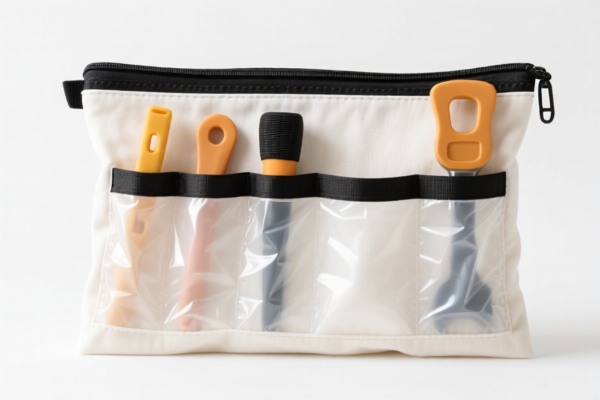
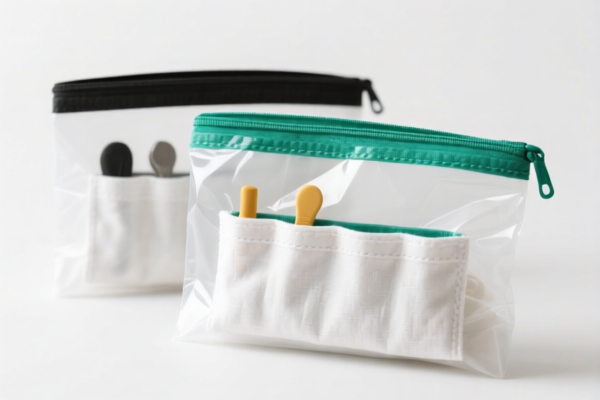
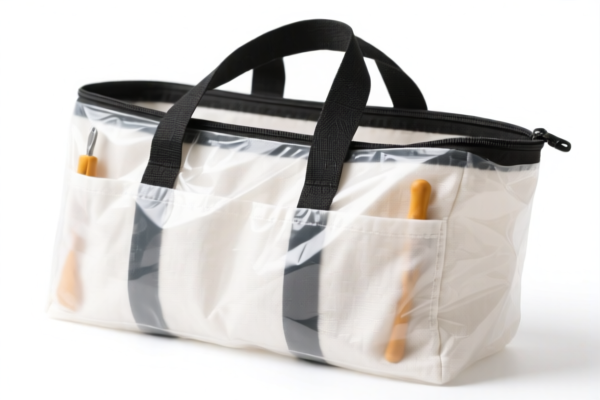
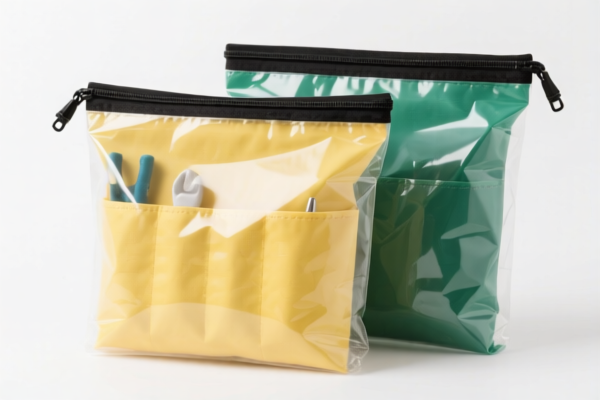
AI Analysis
🎒 Tool Bags with Mixed Materials: Cotton-Faced, Plastic/Textile/Leather Outer Surfaces
🌐 HS Code Reference & Customs Clearance Guide | 2026 Latest Tariff Analysis | Professional Compliance Strategy
📌 I. Product Definition & Classification: Are You Sure You Know "Tool Bags"?
Tool bags (often called tool totes or carpenter bags) are functional containers used to carry hand tools, hardware, and accessories. In international trade, their classification depends heavily on material composition and surface appearance.
Key Material Factors: - Outer Surface: The determining factor for Chapter 42 (Articles of Leather) vs. Chapter 39 (Plastics) or Chapter 42/63 (Textiles). - Inner Lining/Composition: Cotton-faced, leather, or synthetic leather components. - Structure: Handheld, shoulder-strapped, or belt-holster style.
⚠️ Critical Distinction:
- If the outer surface is predominantly leather or composition leather → Chapter 42 (4202/4205).
- If the outer surface is plastic or textile (even if lined with cotton or leather) → Chapter 39 or 4202/6305.
- "Cotton-faced" usually refers to the inner lining or a hybrid material layer. If the visible exterior is plastic/textile, leather content inside may not trigger Chapter 42.
📦 II. HS Code Classification Details (2026 Latest Tariff Authority Comparison)
Based on the provided data, here are the five possible HS Codes for this mixed-material tool bag, ranked by likelihood and tax impact:
| HS Code | Product Description | Material Match Logic | Total Tax Rate |
|---|---|---|---|
4205.00.60.00 |
Other articles of leather or composition leather | Outer surface: Leather/composition leather. Form: Handbag/tool bag. Reason: Matches leather制品 (leather goods) category for finished products. | 39.9% |
3926.90.33.00 |
Other articles of plastic, including those with textile/leather lining | Outer surface: Plastic or artificial leather (classified under plastics). Reason: Plastic-dominated outer surface fits 3926903300 "plastic articles" catch-all. | 16.5% |
3926.90.99.89 |
Other plastic articles (catch-all) | Outer surface: Plastic/textile blend. Reason: If material is mixed plastic/textile, falls under "other articles" of plastic/materials. No conflict. | 22.8% |
4205.00.80.00 |
Other leather articles (catch-all) | Outer surface: Leather/composition leather. Reason: Similar to 4205.00.60.00, but broader "other" category for leather goods. | 35.0% |
4202.92.15.00 |
TraveL/sport bags with cotton/textile outer surface | Outer surface: Cotton-fabric or textile. Reason: Explicitly mentions "cotton fabric" and "textile surface." Fits "travel/sport bags" definition. | 41.3% |
🔍 Key Insight:
- Highest Tax:4202.92.15.00(41.3%) – if classified as textile-based.
- Lowest Tax:3926.90.33.00(16.5%) – if plastic-dominated.
- Middle Range:4205codes (35–39.9%) – if leather-dominated.
💰 III. 2026 Latest Tariff Rate Breakdown (Including Additional Taxes & Policy Surcharges)
✅ Applicable Country: United States (US)
✅ Origin: China (CN)
✅ Effective Date: November 10, 2025 onwards (including subsequent imports)
🎯 1. 4205.00.60.00 —— Articles of Leather/Composition Leather
| Item | Detail |
|---|---|
| Base Tariff | 4.9% (ad valorem) |
| Section 301 Surcharge | +25.0% (USITC Footnote) |
| IEEPA Surcharge | +10% (China-specific, effective Nov 2025) |
| Total Rate | 39.9% |
| Tax Calculation | CIF Value × 39.9% |
| De Minimis Exemption | ❌ Not Eligible (deny_de_minimis) |
| Legal Path | IEEPA:9903.01.25 → USITC:4205.00.60.00 → FOOTNOTE:301 |
📌 Explanation:
- Leather tool bags are subject to Section 301 tariffs (+25%) and IEEPA tariffs (+10%), totaling 39.9%.
- High tax burden due to "finished leather goods" classification.
🎯 2. 3926.90.33.00 —— Plastic Articles (Including Artificial Leather)
| Item | Detail |
|---|---|
| Base Tariff | 6.5% |
| Section 301 Surcharge | +0.0% (Exempt or lower priority) |
| IEEPA Surcharge | +10% |
| Total Rate | 16.5% |
| Tax Calculation | CIF Value × 16.5% |
| De Minimis Exemption | ❌ Not Eligible |
| Legal Path | IEEPA:9901.25 → USITC:3926.90.33.00 |
📌 Note:
- This is the most favorable option if the outer surface is primarily plastic or artificial leather classified under plastics.
- Zero Section 301 surcharge makes it significantly cheaper than leather/textile options.
🎯 3. 3926.90.99.89 —— Other Plastic Articles (Catch-All)
| Item | Detail |
|---|---|
| Base Tariff | 5.3% |
| Section 301 Surcharge | +7.5% |
| IEEPA Surcharge | +10% |
| Total Rate | 22.8% |
| Tax Calculation | CIF Value × 22.8% |
| De Minimis Exemption | ❌ Not Eligible |
| Legal Path | IEEPA:9901.25 → USITC:3926.90.99.89 |
📌 Note:
- Higher than 3926.90.33.00 due to 7.5% Section 301 surcharge.
- Use only if 3926.90.33.00 does not fit the specific product structure.
🎯 4. 4205.00.80.00 —— Other Leather Articles (Catch-All)
| Item | Detail |
|---|---|
| Base Tariff | 0.0% |
| Section 301 Surcharge | +25.0% |
| IEEPA Surcharge | +10% |
| Total Rate | 35.0% |
| Tax Calculation | CIF Value × 35.0% |
| De Minimis Exemption | ❌ Not Eligible |
| Legal Path | IEEPA:9903.01.25 → USITC:4205.00.80.00 |
📌 Note:
- Base tariff is 0%, but 35% total due to heavy surcharges.
- Less favorable than4205.00.60.00? Actually, slightly lower tax, but both are high-cost options.
🎯 5. 4202.92.15.00 —— Travel/Sport Bags with Cotton/Textile Outer Surface
| Item | Detail |
|---|---|
| Base Tariff | 6.3% |
| Section 301 Surcharge | +25.0% |
| IEEPA Surcharge | +10% |
| Total Rate | 41.3% |
| Tax Calculation | CIF Value × 41.3% |
| De Minimis Exemption | ❌ Not Eligible |
| Legal Path | IEEPA:9903.01.25 → USITC:4202.92.15.00 |
📌 Note:
- Highest tax rate (41.3%) among all options.
- Apply only if the outer surface is predominantly cotton or textile.
- "Cotton-faced" may mislead customs; ensure documentation reflects outer surface material, not lining.
🛠️ IV. Customs Clearance Practical Advice (Real-World Pitfall Avoidance Guide)
✅ 1. Documentation Checklist (Mandatory)
| Document | Required | Explanation |
|---|---|---|
| ✅ Product Specification Sheet | ✔️ | Detail materials: outer surface, lining, hardware, stitching. |
| ✅ Material Composition Breakdown | ✔️ | Percentage of leather, plastic, textile, cotton. |
| ✅ Product Photos (Clear Exterior) | ✔️ | Show visible outer surface material. |
| ✅ Commercial Invoice | ✔️ | Clearly state "Tool Bag, Material: Plastic/Leather/Textile, HS Code: XXXX". |
| ✅ Packing List | ✔️ | List contents, avoid mixing with other goods. |
| ✅ Third-Party Test Report | ✔️ | Fiber content analysis, material verification. |
✅ 2. Declaration Strategy (Key Mantras)
🔥 "Outer Surface Rules, Lining Follows, Name Precision Saves Tax!"
| Scenario | Correct Declaration | Wrong Practice |
|---|---|---|
| Outer surface is plastic/artificial leather | 3926.90.33.00 (16.5%) |
Misdeclare as leather → 39.9% |
| Outer surface is leather/composition leather | 4205.00.60.00 (39.9%) |
Misdeclare as plastic → penalty + back tax |
| Outer surface is cotton/textile | 4202.92.15.00 (41.3%) |
Misdeclare as leather → huge tax hike |
| Mixed materials, unclear | Provide material breakdown + photos | Vague description → customs audit |
✅ 3. Special Cases Handling
| Situation | Handling Advice |
|---|---|
| OEM Custom Tool Bags | Provide design specs + material list. Avoid "generic" terms. |
| Plastic with Leather Lining | Declare as 3926.90.33.00 if plastic is outer surface. |
| Leather with Cotton Lining | Declare as 4205.00.60.00 if leather is outer surface. |
| Textile Outer with Plastic Coating | Still 4202.92.15.00 or 3926.90.99.89 depending on coating dominance. |
🌍 V. Global Market Comparison (2026 Latest)
| Country/Region | Recommended HS Code | Tariff (China Origin) | Certification | Notes |
|---|---|---|---|---|
| 🇺🇸 USA | 3926.90.33.00 |
16.5% (Lowest) | None specific | High taxes on leather/textile options |
| 🇨🇳 China | 4205.00.60.00 |
5–10% | CCC (if applicable) | Lower base tariffs |
| 🇪🇺 EU | 4205.00.60.00 |
0–4% (if CE) | CE, REACH | No IEEPA/301 surcharges |
| 🇦🇺 Australia | 4202.92.15.00 |
5% | RCM | Moderate tariffs |
| 🇯🇵 Japan | 4205.00.60.00 |
0–3% | PSE | Low tariffs, high compliance |
📌 Conclusion:
- USA is the most challenging market due to Section 301 + IEEPA surcharges.
- Plastic-dominated bags (3926.90.33.00) are the most cost-effective for US import.
- Leather/Textile options incur 35–41% total tax, significantly impacting profit margins.
📌 VI. Common Mistakes & Pitfalls (Lessons Learned)
❌ Mistake 1: Declaring "Leather Tool Bag" when outer surface is plastic
👉 Consequence: Audit, penalty, back tax of 23.4% difference!
❌ Mistake 2: Ignoring "Cotton-faced" and declaring as plastic
👉 Consequence: If outer is cotton, 41.3% tax applies, not 16.5%.
❌ Mistake 3: Using vague terms like "Mixed Material Bag"
👉 Consequence: Customs assigns highest possible tax rate (41.3%).
❌ Mistake 4: Assuming lining material determines classification
👉 Consequence: Outer surface determines Chapter, not lining.
✅ Correct Approach:
"Tool Bag, Outer: PVC Plastic, Inner: Cotton Lining, Model: XYZ, No Leather"
🎯 VII. Conclusion: Precision Classification Saves Money!
🎯 Remember the Mantra:
🔹 "Outer Surface Rules, Lining Follows, Plastic Saves, Leather Costs!"
🔹 "HS Code determines destiny, tax difference is huge, declaration mistake costs thousands!"
📌 Pro Tip:
If your tool bags are originally manufactured in Vietnam, Mexico, Thailand, or Malaysia, you may exempt IEEPA surcharges, reducing tax to 0–5%.
Apply for Advance Ruling before shipment to avoid customs delays.
📣 Immediate Action:
📞 Contact professional customs brokers + Provide product photos + Apply for HS Code Pre-Ruling
🚀 Ensure smooth clearance, efficient export, and maximized profits!
✨ Professional customs clearance starts with accurate classification!
💼 Every cent of your cost deserves precise calculation!
Customer Reviews
About HS Code Classification
The Harmonized System (HS) is an internationally standardized nomenclature developed by the World Customs Organization (WCO) to classify traded products. Over 200 countries use the HS system as the basis for customs tariffs, trade statistics, and import/export regulations.
Each HS code follows a hierarchical structure:
- Chapter (2 digits) — Broad category of goods (e.g., Chapter 84: Machinery and Mechanical Appliances)
- Heading (4 digits) — More specific grouping within the chapter
- Subheading (6 digits) — Internationally standardized breakdown, used by all WCO member countries
- National subdivisions (8-10 digits) — Country-specific extensions for further classification, such as US HTSUS 10-digit codes
Correct HS code classification is essential for smooth customs clearance, accurate duty payment, and compliance with trade regulations. Misclassification can lead to customs delays, overpayment of duties, or penalties.
When importing from CN to US, the applicable tariff rates may include:
- Most-Favored-Nation (MFN) rate — The standard duty rate applied to WTO members
- General rate — Applied to countries without trade agreements
- Trade remedy duties — Additional tariffs such as Section 301 (anti-dumping), Section 232 (national security), or countervailing duties
The information provided on this page is for reference purposes only. For official classification, please consult with your local customs authority or a licensed customs broker.