Cotton pulp base paper for thermal printing paper
CN → US| HS Code | Tariff Rate | Origin | Destination | Doc |
|---|---|---|---|---|
| 4802202000 | 35.0% | CN | US | Official Doc |
| 4802201000 | 35.0% | CN | US | Official Doc |
| 4811908030 | 35.0% | CN | US | Official Doc |
| 4811909030 | 35.0% | CN | US | Official Doc |
| 4911998000 | 17.5% | CN | US | Official Doc |
Product Images
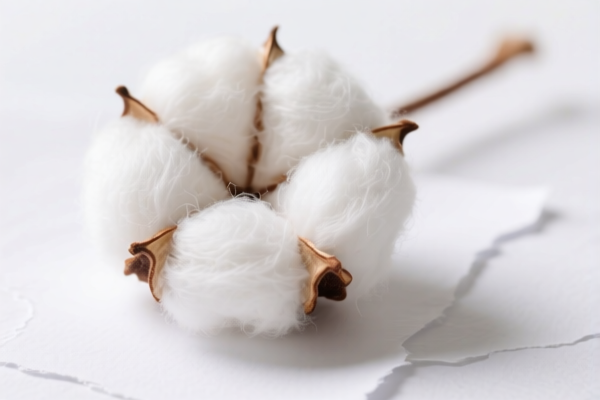

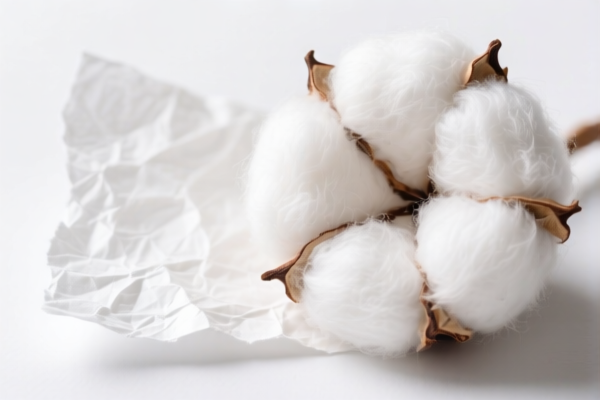
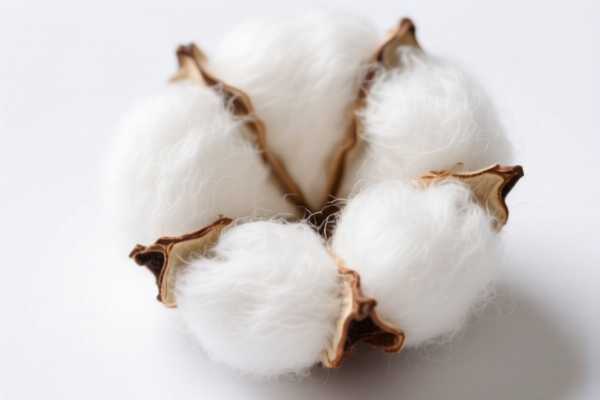
AI Analysis
🧻 Cotton Pulp Base Paper for Thermal Printing Paper
🌐 HS Code Reference & Customs Clearance Guide | 2026 Latest Tariff Analysis | Professional Clearance Strategy
📌 I. Product Definition & Classification: Do You Really Understand "Thermal Paper Base Paper"?
Cotton pulp base paper for thermal printing is the foundational substrate used in thermal paper production. It is not the finished thermal paper itself (which includes heat-sensitive coatings), but rather the high-quality, acid-free, or semi-bleached paper stock derived from cotton fibers (or mixed pulp with cotton dominance) that serves as the carrier for thermal coating processes.
In international trade, the classification hinges on two critical attributes: 1. Material Composition: Is it primarily wood pulp, cotton pulp, or a blend? 2. Processing State: Is it uncoated (base paper) or coated (thermal paper)?
⚠️ Key Distinction:
- If the paper is uncoated and made primarily of wood pulp or cotton pulp, it falls under Chapter 48 (Paper and Paperboard), specifically heading 48.02 (Paper and paperboard, manually made or mechanically made).
- If the paper is coated with thermal-sensitive chemicals (leuco dye + developer), it falls under Chapter 48, specifically heading 48.11 (Self-copy paper, copying paper, carbonless paper, other turn-over copying paper, tracing paper, other coated or impregnated paper, blotting paper, filter paper, etc.).
📦 II. HS Code Classification Details (2026 Latest Tariff Authority Comparison)
Based on the provided data <DATA>, here are the five possible HS Codes for "Cotton Pulp Base Paper for Thermal Printing Paper," along with the reasoning for each classification.
| HS Code | Product Description | Summary of Matching Attributes (from Data) | Applicable Scenario |
|---|---|---|---|
4802.20.20.00 |
Uncoated Paper of a kind used for writing, printing or other commercial purposes, in rolls or sheets, other than paper of headings 48.01 or 48.03; handmade paper, paper and paperboard made from recovering (waste and scrap) fibres | Matches the base paper attribute usable as thermal paper base stock. | Used when the product is uncoated base paper made from cotton pulp or high-grade pulp, intended for further processing into thermal paper. |
4802.20.10.00 |
Uncoated Paper of a kind used for writing, printing or other commercial purposes, in rolls or sheets, other than paper of headings 48.01 or 48.03; handmade paper, paper and paperboard made from recovering (waste and scrap) fibres | Matches thermal material and thermal paper usage. | Similar to above, but potentially distinguished by specific pulp content or market classification for thermal-specific base stock. |
4811.90.80.30 |
Self-copy paper, copying paper, carbonless paper, other turn-over copying paper, tracing paper, other coated or impregnated paper, blotting paper, filter paper, paperboard, of a kind used for technical drawings, advertising posters or similar advertising purposes, or for other technical or industrial use, not elsewhere specified or included | Matches the definition of thermal coated paper. | Used when the paper is already coated with thermal-sensitive materials. This is the most common classification for finished thermal paper. |
4811.90.90.30 |
Other coated or impregnated paper, paperboard, cellulose fibre wadding and webs of cellulose fibres, not elsewhere specified or included | Matches direct thermal coated paper material and usage. | Specific sub-category for direct thermal coated paper, often distinguished by coating thickness or type (e.g., BPA-free thermal paper). |
4911.99.80.00 |
Other printed matter, including printed pictures and photographs | Matches printed paper product attributes. | Used if the paper is printed with logos, instructions, or designs before shipping, even if it is still base paper. This shifts it to Chapter 49 (Printed Books, Newspapers, Pictures, etc.). |
🔍 Key Insight from Data:
- Uncoated Base Paper: Classify under 4802 (Codes:4802.20.10.00or4802.20.20.00).
- Coated Thermal Paper: Classify under 4811 (Codes:4811.90.80.30or4811.90.90.30).
- Printed Paper: If any printing is done, consider 4911.99.80.00.
- All listed HS Codes carry a 35% total tax rate (except 4911 which is 17.5%).
💰 III. 2026 Latest Tariff Rate Details (Including Additional Taxes, Policy Add-ons)
✅ Applicable Country: United States (US)
✅ Country of Origin: China (CN)
✅ Effective Date: November 10, 2025 (and subsequent imports)
🎯 1. 4802.20.20.00 & 4802.20.10.00 —— Uncoated Base Paper (Cotton Pulp)
| Item | Content |
|---|---|
| Base Tariff Rate | 0% (ad valorem) |
| USITC Additional Tax | +25% (From USITC Footnote 9903.88.01, Section 301) |
| IEEPA Additional Tax | +10% (Targeting China/HK products, effective from Nov 10, 2025) |
| 122-Clause Tariff | +10% (Specific regulatory clause mentioned in data) |
| Total Tax Rate | 35.0% |
| Tax Calculation | CIF Value × 35% |
| De Minimis Exemption | ❌ Not Available (deny_de_minimis) |
| Legal Path | IEEPA:9903.01.25 → USITC:4802.20.20.00 → FOOTNOTE:9903.88.01 |
📌 Explanation:
- Even though the base tariff is 0%, the 301 Tariff (25%) and IEEPA Tariff (10%) apply heavily to Chinese-origin paper products.
- Total Impact: 35% of CIF value. This is a high-cost import category.
🎯 2. 4811.90.80.30 & 4811.90.90.30 —— Coated Thermal Paper
| Item | Content |
|---|---|
| Base Tariff Rate | 0% (ad valorem) |
| USITC Additional Tax | +25% |
| IEEPA Additional Tax | +10% |
| 122-Clause Tariff | +10% |
| Total Tax Rate | 35.0% |
| Tax Calculation | CIF Value × 35% |
| De Minimis Exemption | ❌ Not Available |
| Legal Path | IEEPA:9903.01.24 → USITC:4811.90.80.30 → FOOTNOTE:9903.88.01 |
📌 Note:
- Coated thermal paper faces the same 35% total tax rate as uncoated base paper.
- The "122-Clause Tariff" adds an extra 10% on top of the standard 301/IEEPA structure, making the cumulative burden significant.
🎯 3. 4911.99.80.00 —— Printed Paper Products
| Item | Content |
|---|---|
| Base Tariff Rate | 0% (ad valorem) |
| USITC Additional Tax | +7.5% |
| IEEPA Additional Tax | +10% |
| 122-Clause Tariff | +10% |
| Total Tax Rate | 17.5% |
| Tax Calculation | CIF Value × 17.5% |
| De Minimis Exemption | ❌ Not Available |
| Legal Path | IEEPA:9901.25 → USITC:4911.99.80.00 |
📌 Key Difference:
- If the product is classified under Chapter 49 (printed matter), the 301 Additional Tax is lower (7.5% vs 25%).
- Total Rate Drops to 17.5%, which is half the rate of uncoated/coated paper under Chapter 48.
- Strategy: If the paper is printed with any significant design/logo, consider if4911.99.80.00is applicable to save 17.5% in tariffs.
🛠️ IV. Customs Clearance Practical Advice (Pitfall Avoidance Guide)
✅ 1. Required Documentation Checklist (Mandatory)
| Document | Must Provide | Description |
|---|---|---|
| ✅ Product Specification Sheet | ✔️ | Must clearly state: Pulp Type (Cotton/Wood), Basis Weight (gsm), Width, Length, Coating Status (Coated/Uncoated). |
| ✅ Material Composition Certificate | ✔️ | To prove if it is "Cotton Pulp" or "Wood Pulp." Misclassification can lead to penalties. |
| ✅ Product Photos | ✔️ | Clear images of the paper roll, showing label, brand, and any printed content. |
| ✅ Commercial Invoice | ✔️ | Must use precise English description: e.g., "Uncoated Cotton Pulp Paper Rolls for Thermal Printing" or "Coated Thermal Paper Rolls". |
| ✅ Packing List | ✔️ | Detail net/gross weight, number of rolls, and dimensions. |
| ✅ Origin Certificate (CO) | ✔️ | To verify Chinese origin, triggering the correct additional tariffs. |
✅ 2. Declaration Tips (Key Mantras)
🔥 "Coating Defines Chapter, Printing Defines Rate, Origin Dictates Tariff!"
| Scenario | Correct Declaration | Wrong Action | Consequence |
|---|---|---|---|
| Uncoated Base Paper | HS 4802.20.10.00 / 4802.20.20.00 |
Declare as "Thermal Paper" (Coated) | Misclassification penalty; potential audit. |
| Coated Thermal Paper | HS 4811.90.80.30 / 4811.90.90.30 |
Declare as "Uncoated Paper" | Tariff evasion risk; 35% applies either way, but accuracy is key for compliance. |
| Printed Paper | HS 4911.99.80.00 |
Declare as 4811 or 4802 |
Missed Savings: 17.5% vs 35%. If printed, use 4911 to save 17.5%! |
| Mixed Rolls (Coated & Uncoated) | Separate Declaration | Mixed HS Code in one line | Customs rejection; delay; additional duties. |
✅ 3. Special Cases Handling
| Situation | Handling Advice |
|---|---|
| BPA-Free Thermal Paper | Still classified under 4811 (Coated Paper). No tariff exemption. Provide MSDS if requested. |
| Cotton Content >50% | Emphasize "Cotton Pulp" in description to differentiate from standard wood pulp, though tariff rate remains 35% for Chapter 48. |
| Pre-Printed Thermal Paper | Strongly consider 4911.99.80.00. If the paper has any permanent printing (logo, instructions), it may qualify for the lower 17.5% rate. Consult a customs broker. |
| Small Sample Shipments | No De Minimis Exemption. All shipments, regardless of value, are subject to the 35% (or 17.5%) tax. |
🌍 V. Global Market Comparison (2026 Latest)
| Country/Region | Recommended HS Code | Tariff Rate (China Origin) | Certification Requirements | Notes |
|---|---|---|---|---|
| 🇺🇸 USA | 4811.90.80.30 (Coated) / 4802.20.20.00 (Base) |
35% (Total) | No specific certification, but FDA may apply if for food contact | High tariff burden; consider pre-printed 4911 for savings. |
| 🇨🇳 China | 4811.90.80.30 |
5% (Import Duty) | CCC (if applicable) | No additional US-style tariffs. |
| 🇪🇺 EU | 4811.90.80.30 |
6.5% | CE (if related equipment) | No 301/IEEPA equivalent tariffs. |
| 🇦🇺 Australia | 4811.90.80.30 |
5% | RCM (if electrical) | Standard FTA rates may apply if ASEAN origin. |
| 🇯🇵 Japan | 4811.90.80.30 |
3-6% | PSE (if electrical) | JETRO guidelines apply. |
📌 Conclusion:
- The USA is the only market with punitive additional tariffs (35% total) for these paper products.
- EU, Australia, and Japan have significantly lower standard tariffs (3-6.5%).
- Strategy for US Market: If your product is printed, aggressively pursue classification under4911.99.80.00to reduce the rate to 17.5%.
📌 VI. Common Mistakes & Pitfalls (Lessons Learned)
❌ Mistake 1: Declaring Coated Thermal Paper as Uncoated Paper (4802)
👉 Consequence: While the tariff rate is the same (35%), it is a misdeclaration of material. If caught, it leads to audits, fines, and potential seizure.
❌ Mistake 2: Ignoring the Printing Aspect
👉 Consequence: If the paper is printed, using 4811 or 4802 incurs a 35% tax. Using 4911.99.80.00 incurs 17.5%. You are leaving 17.5% on the table!
❌ Mistake 3: Assuming "Cotton Pulp" Qualifies for Lower Tariffs
👉 Consequence: Under US law, cotton content does not exempt these products from the 301/IEEPA tariffs. All Chinese-origin paper under Chapter 48/49 (with noted exceptions) is subject to high duties.
❌ Mistake 4: Combining Coated and Uncoated Rolls in One Line Item
👉 Consequence: Customs will reject the entry. Always separate coated and uncoated products into different HS Codes.
✅ Correct Approach:
"Coated Thermal Paper Rolls, BPA-Free, Width 100mm, Length 50m, Printed with Logo, Made in China" → HS 4811.90.80.30 (35%)
OR
"Pre-Printed Thermal Paper Rolls with Company Logo, Width 100mm" → HS 4911.99.80.00 (17.5%) ← SAVE MONEY!
🎯 VII. Conclusion: Professional Declaration, Cost Optimization!
🎯 Remember the Mantra:
🔹 "Coated vs. Uncoated Defines Chapter 48; Printing Opens the Door to Chapter 49; Origin Dictates the 35% Pain!"
🔹 "HS Code Saves or Ruins Profit; 17.5% vs 35% is the Battle Line!"
📌 Pro Tip:
If your thermal paper is printed (even with a simple logo), consult a customs broker about using 4911.99.80.00. This simple change can cut your tariff bill in half (from 35% to 17.5%).
For uncoated base paper, no such savings exist under current US policy.
📣 Immediate Action:
📞 Contact your customs broker + Provide product images + Request HS Code Ruling for
4911eligibility
🚀 Let your thermal paper clear customs smoothly, reduce costs, and boost margins!
✨ Professional Customs Clearance Starts with Accurate Classification!
💼 Every cent of cost deserves precise calculation!
Customer Reviews
About HS Code Classification
The Harmonized System (HS) is an internationally standardized nomenclature developed by the World Customs Organization (WCO) to classify traded products. Over 200 countries use the HS system as the basis for customs tariffs, trade statistics, and import/export regulations.
Each HS code follows a hierarchical structure:
- Chapter (2 digits) — Broad category of goods (e.g., Chapter 84: Machinery and Mechanical Appliances)
- Heading (4 digits) — More specific grouping within the chapter
- Subheading (6 digits) — Internationally standardized breakdown, used by all WCO member countries
- National subdivisions (8-10 digits) — Country-specific extensions for further classification, such as US HTSUS 10-digit codes
Correct HS code classification is essential for smooth customs clearance, accurate duty payment, and compliance with trade regulations. Misclassification can lead to customs delays, overpayment of duties, or penalties.
When importing from CN to US, the applicable tariff rates may include:
- Most-Favored-Nation (MFN) rate — The standard duty rate applied to WTO members
- General rate — Applied to countries without trade agreements
- Trade remedy duties — Additional tariffs such as Section 301 (anti-dumping), Section 232 (national security), or countervailing duties
The information provided on this page is for reference purposes only. For official classification, please consult with your local customs authority or a licensed customs broker.