Counter Bar
CN → US| HS Code | Tariff Rate | Origin | Destination | Doc |
|---|---|---|---|---|
| 9403608093 | 35.0% | CN | US | Official Doc |
| 9403200050 | 85.0% | CN | US | Official Doc |
| 9401696011 | 35.0% | CN | US | Official Doc |
| 9401790046 | 35.0% | CN | US | Official Doc |
| 9401696031 | 35.0% | CN | US | Official Doc |
Product Images
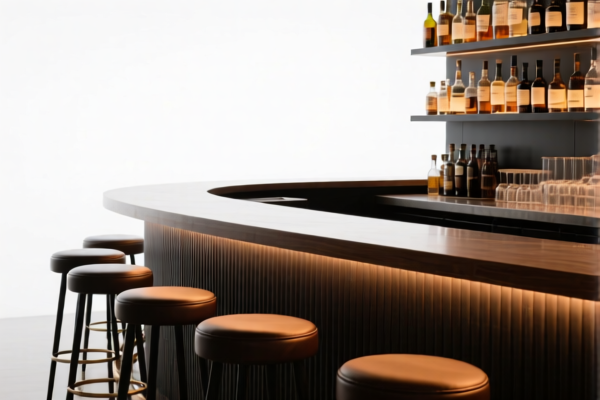
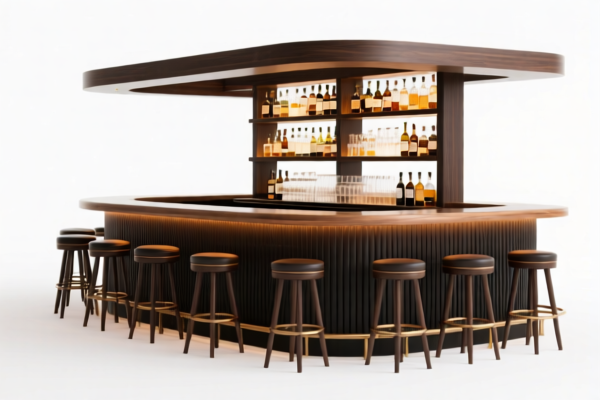
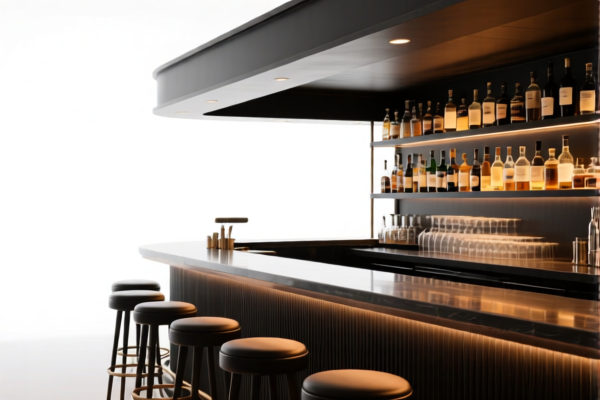
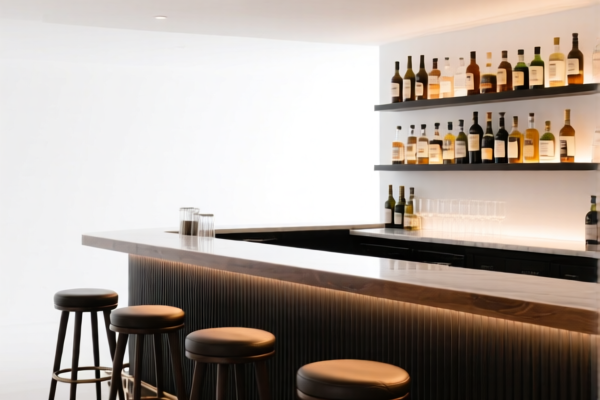
AI Analysis
🪑 Counter Bar Stools (吧台椅/高脚凳)
🌐 HS Code Reference & Customs Clearance Guide | 2024-2025 Latest Tariff Analysis | Professional Clearance Strategy
📌 I. Product Definition & Classification: What Exactly is a "Counter Bar Stool"?
Counter bar stools are seating furniture designed for use at high counters, bars, or kitchen islands. In international trade, they are classified based on their material composition (Wood vs. Metal) and structural frame (Upholstered vs. Non-Upholstered).
The provided data highlights four potential HS Codes, representing two main material categories: 1. Wooden Frames: Categorized under Chapter 94 (Furniture), specifically "Other furniture of wood" or "Seats of wood." 2. Metal Frames: Categorized under Chapter 94, specifically "Other metal furniture" or "Seats with metal frames."
⚠️ Key Distinction Point:
- Wooden/Stool Type: If the main structural material is wood, it falls under 9403.60.80.93 (Other wooden furniture) or 9401.69.60.31 (Seats of wood).
- Metal Type: If the main structural material is steel, aluminum, or copper, it falls under 9403.20.00.50 (Other metal furniture) or 9401.79.00.46 (Seats with metal frames).
- Upholstered vs. Non-Upholstered: Codes like 9401.69.60.11 suggest seated items that may be upholstered or have specific functional attributes, distinct from simple wooden stools.
📦 II. HS Code Classification Details (Based on Provided Data)
| HS Code | Product Description | Material/Structure | Applicable Scenario |
|---|---|---|---|
9403.60.80.93 |
Other Wooden Furniture (Finished) | Wood | General wooden bar stools, finished furniture pieces |
9403.20.00.50 |
Other Metal Furniture | Steel/Aluminum/Copper | Metal bar stools, industrial style, high durability |
9401.69.60.11 |
Other Household Seats | Varied (Upholstered/Functional) | Bar stools with cushioning, specific household use, non-conflicting functions |
9401.79.00.46 |
Other Seats with Metal Frame | Metal Frame | Commercial/Home use, metal frame structure, versatile application |
9401.69.60.31 |
Other Wooden Frame Seats | Wood | Generic wooden stools, no specific material conflict, logical classification for unstated materials |
🔍 Key Reminder:
- Metal vs. Wood is the primary determinant for major tariff differences due to "122 Clause" and base material surcharges. - 9403.20.00.50 carries the highest risk due to specific surcharges on steel, aluminum, and copper products. - 9401 codes generally apply to "seats" (whether or not convertible into beds), while 9403 applies to "other furniture." For stools, 9401 is often more precise if it has a seat structure, but 9403 is used for finished furniture pieces of wood/metal.
💰 III. 2024-2025 Latest Tariff Rate Breakdown (Including Surcharges & Policy Add-ons)
✅ Applicable Country: United States (US)
✅ Origin: China (CN)
✅ Effective Time: Current 2024-2025 Trade Policy (Section 301 & Section 122)
🎯 1. Wooden & Upholstered Categories
(Codes: 9403.60.80.93, 9401.69.60.11, 9401.79.00.46, 9401.69.60.31)
Note: The data indicates a total tax of 35.0% for these codes. Let's break down the components as per the provided
tax_detail.
| Item | Content |
|---|---|
| Base Tariff | 0.0% (ad valorem) |
| Section 301 Surcharge | +25.0% (Additional tariffs from USITC Footnote 9903.02.16/02.17) |
| Section 122 Surcharge | +10.0% (Targeted tariffs for specific furniture categories) |
| Total Tax Rate | 35.0% |
| Tax Calculation | CIF Value × 35% |
| De Minimis Exemption | ❌ Not Available (Denied for Section 301 goods) |
| Legal Basis Path | Section 301 → Section 122 → HS Code |
📌 Explanation:
- "Base Tariff 0%": Standard MFN rate for many furniture items is low or zero. - "Section 301: 25%": This is the major trade war tariff affecting Chinese goods. - "Section 122: 10%": A specific additional tariff often applied to certain furniture imports to protect domestic manufacturing. - Total 35%: This is a significant cost burden. Importers must factor this into pricing.
🎯 2. Metal Furniture Category
(Code: 9403.20.00.50)
| Item | Content |
|---|---|
| Base Tariff | 0.0% |
| Section 301 Surcharge | +25.0% |
| Section 122 Surcharge | +10.0% |
| Material-Specific Surcharge | +50.0% (Steel, Aluminum, Copper Products) |
| Total Tax Rate | 85.0% |
| Tax Calculation | CIF Value × 85% |
| De Minimis Exemption | ❌ Not Available |
| Legal Basis Path | Section 301 + Section 122 + Base Materials Surcharge |
📌 Critical Warning:
- The 85% total tax rate is extremely high. This is due to the additional 50% surcharge specifically targeting steel, aluminum, and copper products. - Do NOT classify metal bar stools under this code unless absolutely necessary. If the stool has mixed materials, careful classification is required to avoid this penalty. - Compliance Risk: High risk of classification challenges. Ensure material composition is accurately declared.
🛠️ IV. Customs Clearance Practical Advice (Avoiding Pitfalls)
✅ 1. Essential Documentation Checklist
| Document | Required | Purpose |
|---|---|---|
| ✅ Product Specifications | ✔️ | Material composition (Wood % vs. Metal %), dimensions, weight |
| ✅ Material Declaration | ✔️ | Crucial for distinguishing between 35% and 85% tax brackets |
| ✅ Commercial Invoice | ✔️ | Clearly state "Bar Stool," material (e.g., "Oak Wood Frame"), and HS Code |
| ✅ Packing List | ✔️ | Confirm quantity and packaging details |
| ✅ Photos (Labeled) | ✔️ | Show structure, joints, and material texture to prove wood vs. metal |
| ✅ Origin Certificate | ✔️ | Confirm China origin to trigger correct surcharges |
✅ 2. Classification Strategy & Tips
🔥 "Material is King, Structure is Queen!"
| Scenario | Correct Classification | Risk |
|---|---|---|
| Solid Wood Stool | 9403.60.80.93 or 9401.69.60.31 |
Low risk, 35% tax |
| Upholstered Seat (Wood/Mixed) | 9401.69.60.11 |
Low risk, 35% tax |
| Metal Frame Stool | 9401.79.00.46 |
Medium Risk: Check if it fits 9401 better than 9403. If classified as 9403.20, tax jumps to 85%. |
| All-Metal Stool (Steel/Aluminum) | 9403.20.00.50 |
HIGH RISK: 85% tax. Try to argue for mixed material or non-metal components if possible. |
📌 Key Tip:
- For metal stools, consult a customs broker to see if they can be classified under 9401.79.00.46 (Seats with metal frame) which has a 35% rate, rather than 9403.20.00.50 (Other metal furniture) which has 85%.
- 9401 is for "seats," while 9403 is for "other furniture." If the item is primarily a seat, 9401 is often more appropriate and may have lower surcharges.
🌍 V. Global Market Comparison (2024-2025)
| Country/Region | Recommended HS Code | Tariff (China Origin) | Notes |
|---|---|---|---|
| 🇺🇸 USA | 9401.69.60.11 / 9403.60.80.93 |
35% | Avoid 9403.20.00.50 (85%) if possible |
| 🇨🇳 China | 9403.60.80.93 |
~5-10% | Import duty low, VAT applies |
| 🇪🇺 EU | 9403.30.00 / 9401.30.00 |
~0-4% | No Section 301/122 equivalents |
| 🇬🇧 UK | 9403.30.00 |
~4% | Post-Brexit tariffs apply |
| 🇦🇺 Australia | 9403.60.80 |
~5% | No major surcharges |
📌 Conclusion:
- The US market is the most challenging due to Section 301 and Section 122 tariffs. - Material classification is critical. Misclassifying a wooden stool as metal can save nothing but cause delays; misclassifying a metal stool as wood can lead to massive underpayment penalties.
📌 VI. Common Errors & Pitfalls (Lessons Learned)
❌ Error 1: Classifying all metal stools under 9403.20.00.50
👉 Consequence: 85% tax instead of 35%.
👉 Fix: Check if 9401.79.00.46 (Seats with metal frame) is more appropriate for "seating" items.
❌ Error 2: Ignoring Section 122 tariffs
👉 Consequence: Underpayment by 10%.
👉 Fix: Always include Section 122 in tariff calculations for furniture.
❌ Error 3: Ambiguous Material Declaration
👉 Consequence: Customs holds shipment for inspection, leading to demurrage fees.
👉 Fix: Clearly state "Wood," "Steel," or "Mixed" in invoices and specs.
❌ Error 4: Assuming De Minimis applies
👉 Consequence: 100% tax + penalty for Section 301 goods.
👉 Fix: No de minimis for Section 301/122 goods.
✅ Correct Practice:
"Bar Stool, Oak Wood Frame with Cushioned Seat, 24" Height, Model XYZ"
→ Use9401.69.60.11or9403.60.80.93→ 35% Tax.
🎯 VII. Conclusion: Strategic Classification for Cost Efficiency
🎯 Key Takeaway:
🔹 "Seats vs. Furniture": Use 9401 for seats (often 35%) rather than 9403.20 (85%) for metal items if possible.
🔹 "Wood is Friendly": Wooden stools have a lower, more predictable 35% tax rate.
🔹 "Metal is Expensive": Metal stools carry a risk of 85% tax if misclassified.📌 Pro Tip:
- For metal bar stools, consult a customs broker to argue for classification under 9401.79.00.46 (Seats with metal frame) to secure the 35% rate instead of 85%.
- Always provide detailed material breakdowns to avoid classification disputes.
📣 Immediate Action:
📞 Contact a Customs Broker
📄 Prepare Material Specs
🚀 Optimize Classification to save up to 50% in tariffs!
✨ Smart Classification Saves Money!
💼 Every Dollar in Tariffs is a Dollar in Profit.
Customer Reviews
About HS Code Classification
The Harmonized System (HS) is an internationally standardized nomenclature developed by the World Customs Organization (WCO) to classify traded products. Over 200 countries use the HS system as the basis for customs tariffs, trade statistics, and import/export regulations.
Each HS code follows a hierarchical structure:
- Chapter (2 digits) — Broad category of goods (e.g., Chapter 84: Machinery and Mechanical Appliances)
- Heading (4 digits) — More specific grouping within the chapter
- Subheading (6 digits) — Internationally standardized breakdown, used by all WCO member countries
- National subdivisions (8-10 digits) — Country-specific extensions for further classification, such as US HTSUS 10-digit codes
Correct HS code classification is essential for smooth customs clearance, accurate duty payment, and compliance with trade regulations. Misclassification can lead to customs delays, overpayment of duties, or penalties.
When importing from CN to US, the applicable tariff rates may include:
- Most-Favored-Nation (MFN) rate — The standard duty rate applied to WTO members
- General rate — Applied to countries without trade agreements
- Trade remedy duties — Additional tariffs such as Section 301 (anti-dumping), Section 232 (national security), or countervailing duties
The information provided on this page is for reference purposes only. For official classification, please consult with your local customs authority or a licensed customs broker.