Counting Packaging Machine
CN → US| HS Code | Tariff Rate | Origin | Destination | Doc |
|---|---|---|---|---|
| 8479899595 | 37.5% | CN | US | Official Doc |
| 8422309191 | 35.0% | CN | US | Official Doc |
| 8422409181 | 35.0% | CN | US | Official Doc |
Product Images
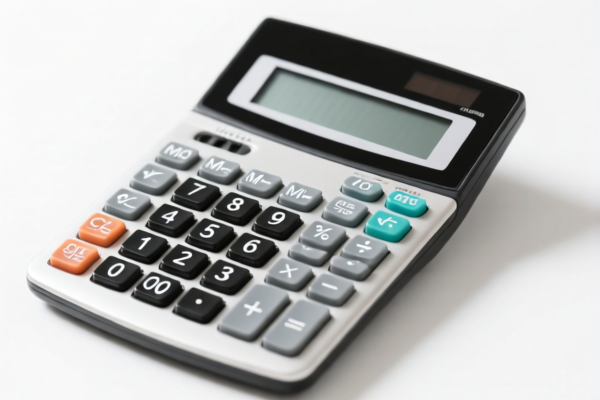
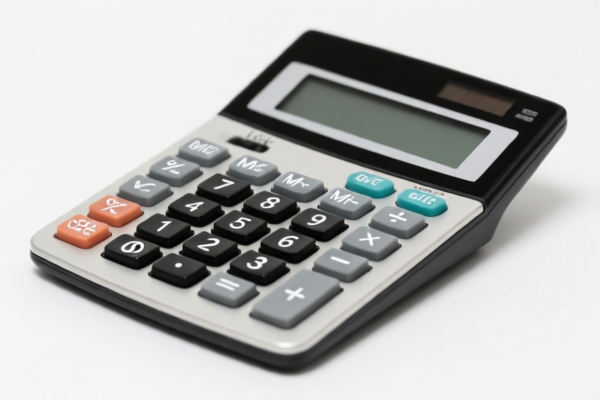
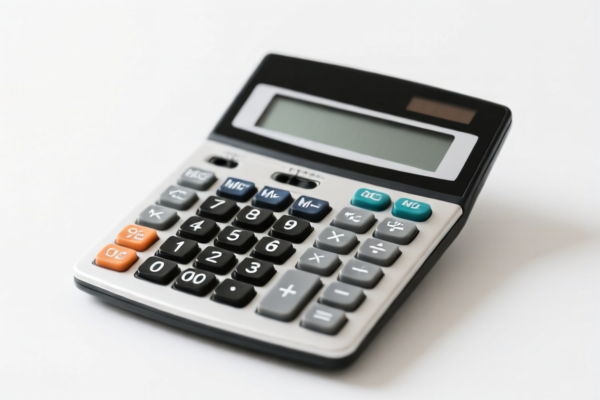
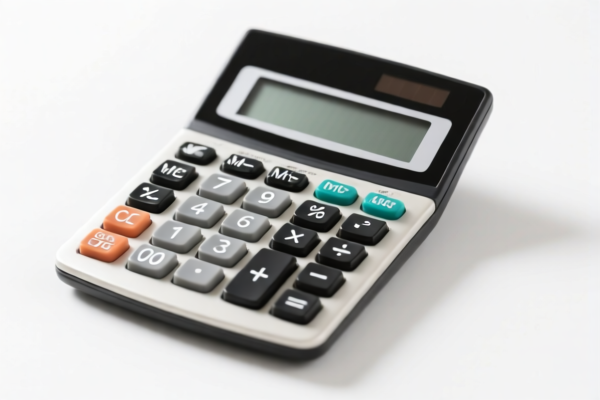
AI Analysis
📦 Counting Packaging Machine (Fillers, Sealers & Labelers)
🌐 HS Code Reference & Customs Clearance Guide | 2026 Latest Tariff Analysis | Professional通关 Strategy
📌 One, Product Definition & Classification: What is a "Counting Packaging Machine"?
In the global trade of industrial automation, "Counting Packaging Machines" are not a single entity but a functional category. They are machines designed to fill, close, seal, label, or package products.
To ensure accurate customs clearance and tax optimization, you must distinguish between three core types:
- General Mechanical Counters/Weighers: Machines that count or weigh items independently (e.g., industrial counting scales) without integrated packaging functions.
- Container Filling & Sealing Machines: Machines specifically designed to fill liquids/powders into jars, bottles, or pouches and seal them (e.g., auto-filling capping machines).
- Packaging & Wrapping Machines: Machines that wrap, bundle, or package finished goods into cartons or films (e.g., flow wrappers, shrink wrap machines).
⚠️ Key Distinction Point: - If the machine only counts/weighs and does not package → It falls under "Other Mechanical Appliances" (HS 8479). - If the machine fills/seals containers (bottles/jars) → It falls under "Filling/Closing Machines" (HS 8422). - If the machine wraps/packages finished goods → It falls under "Packaging Machinery" (HS 8422).
📦 Two, HS Code Classification Details (2026 Latest Tariff Authority Comparison)
Based on the provided data, here are the three specific HS Codes relevant to counting and packaging machines, along with their tax implications for goods originating from China entering the US market.
| HS Code | Product Description | Function | Applicable Scenario |
|---|---|---|---|
8479.89.95.95 |
Other Mechanical Appliances | Independent mechanical counting/weighing functions. | Industrial counting scales, automatic counting trays, standalone counting devices not integrated into a packaging line. |
8422.30.91.91 |
Other Machines for Filling/Closing | Filling, closing, sealing, or labeling containers. | Auto-fillers for bottles/jars, capping machines, labeling machines. |
8422.40.91.81 |
Other Packaging Machines | Wrapping, bundling, or enclosing products. | Flow wrappers, shrink wrap machines, bundling machines for boxes. |
🔍 Important Reminder: - Do not mix functions: If a machine both counts and packages (e.g., a flow wrapper that counts items per pack), it is typically classified under Packaging Machinery (8422) because the primary function is packaging. - Standalone Counters: If the counting unit is separate from the packaging unit, they may be declared separately to optimize duties (see Strategy below).
💰 Three, 2026 Latest Tariff Rate Breakdown (Including Additional Taxes & Policy Add-ons)
✅ Applicable Country: United States (US) ✅ Origin: China (CN) ✅ Effective Time: 2025/2026 Current Regulations
🎯 1. 8479.89.95.95 —— Other Mechanical Appliances (Standalone Counters/Weighers)
| Item | Content |
|---|---|
| Base Duty Rate | 2.5% (Ad Valorem) |
| Section 301 Additional Duty | +25.0% |
| Section 122 Duty | +10.0% |
| Total Effective Rate | 37.5% |
| Tax Calculation | CIF Value × 37.5% |
| De Minimis Exemption | ❌ Not Eligible (High risk for Section 301 goods) |
| Legal Basis Path | USITC:8479.89.95.95 → Footnote: 9903.88.01 (Section 301) + Section 122 |
📌 Explanation: - This classification is for machines that do not fit the specific definitions of packaging or filling machines. - It bears the highest base tariff (2.5%) among the three options, plus the full burden of US trade policy surcharges. - Total Cost: Nearly 40% of the CIF value.
🎯 2. 8422.30.91.91 —— Machines for Filling, Closing, Sealing or Labeling Containers
| Item | Content |
|---|---|
| Base Duty Rate | 0.0% |
| Section 301 Additional Duty | +25.0% |
| Section 122 Duty | +10.0% |
| Total Effective Rate | 35.0% |
| Tax Calculation | CIF Value × 35.0% |
| De Minimis Exemption | ❌ Not Eligible |
| Legal Basis Path | USITC:8422.30.91.91 → Footnote: 9903.88.01 (Section 301) + Section 122 |
📌 Explanation: - This is the correct code for machines that fill liquids/powders into bottles, jars, or cans. - Savings: The base duty is 0%, making it 2.5% cheaper than standalone mechanical appliances. - Total Cost: 35% of the CIF value.
🎯 3. 8422.40.91.81 —— Other Packaging or Wrapping Machinery
| Item | Content |
|---|---|
| Base Duty Rate | 0.0% |
| Section 301 Additional Duty | +25.0% |
| Section 122 Duty | +10.0% |
| Total Effective Rate | 35.0% |
| Tax Calculation | CIF Value × 35.0% |
| De Minimis Exemption | ❌ Not Eligible |
| Legal Basis Path | USITC:8422.40.91.81 → Footnote: 9903.88.01 (Section 301) + Section 122 |
📌 Explanation: - This code applies to machines that wrap, bundle, or pack finished goods (e.g., shrink wrappers, cartoning machines). - Like filling machines, it benefits from a 0% base duty. - Total Cost: 35% of the CIF value.
🛠️ Four, Customs Clearance Practical Advice (Pitfall Avoidance Guide)
✅ 1. Preparation Checklist (Non-Negotiable)
| Document | Required | Purpose |
|---|---|---|
| ✅ Technical Specification Sheet | ✔️ | Must clearly state: "Filling Machine," "Packaging Machine," or "Counting Scale." Avoid vague terms like "Automatic Equipment." |
| ✅ Function Flow Chart | ✔️ | Show if the machine fills/seals (8422) or counts only (8479). This is the primary basis for HS classification. |
| ✅ Product Photos (With Label) | ✔️ | Clear images of the machine nameplate, input/output, and working process. |
| ✅ Third-Party Test Report | ✔️ | CE, RoHS, or UL reports. Proof of compliance reduces inspection delays. |
| ✅ Commercial Invoice | ✔️ | Must match the HS Code description exactly. Example: "Automatic Liquid Filling and Capping Machine." |
| ✅ Packing List | ✔️ | List spare parts separately if possible (spare parts often have lower duties). |
✅ 2. Declaration Strategy (Key Mantra)
🔥 "Function Defines Code, Base Duty Matters, Don't Split Wrongly!"
| Scenario | Correct Declaration | Incorrect Declaration | Consequence |
|---|---|---|---|
| Machine fills & seals bottles | 8422.30.91.91 |
8479.89.95.95 |
Overpay 2.5% on CIF value unnecessarily. |
| Machine wraps/cartons goods | 8422.40.91.81 |
8479.89.95.95 |
Overpay 2.5% on CIF value unnecessarily. |
| Standalone counting scale | 8479.89.95.95 |
8422.40.91.81 |
Underpay 0% base, but high risk of Customs Audit & Penalty for misclassification. |
| Combined Line (Count + Pack) | Declare as Packaging Machine | Split into two | If inseparable, the principal function (packaging) dictates the code. |
✅ 3. Special Cases Handling
| Case | Handling Advice |
|---|---|
| OEM Custom Machines | Provide detailed design drawings. If it’s a custom filler, emphasize "Filling/Sealing" in the description to target 8422.30. |
| Machines with Integrated Conveyors | Still classified by the machine's primary function. A filler with a conveyor belt is still a Filling Machine, not a conveyor belt (8428). |
| Spare Parts | Declare parts (e.g., nozzles, seals) separately under their own HS codes (e.g., 8413.91) to potentially reduce the overall tax burden on the main machine. |
| Used/Refurbished Machines | US Customs has strict rules for used machinery. Ensure it meets environmental and safety standards; may require additional inspection. |
🌍 Five, Global Market Comparison (2026 Update)
| Country/Region | Recommended HS Code | Base Duty | Additional Taxes (China) | Total Est. | Note |
|---|---|---|---|---|---|
| 🇺🇸 USA | 8422.30 / 8422.40 |
0% | Section 301 (25%) + 122 (10%) | 35% | Lowest base duty option. |
| 🇺🇸 USA | 8479.89 |
2.5% | Section 301 (25%) + 122 (10%) | 37.5% | Highest base duty option. |
| 🇨🇳 China | 8422 / 8479 |
5-10% | None | ~10% | Lower overall cost for domestic sale. |
| 🇪🇺 EU | 8422 |
0-4% | VAT (19-27%) | ~20-30% | No Section 301. Easier clearance. |
| 🇨🇦 Canada | 8422 |
0-5% | GST/HST | ~10-15% | No Section 301. |
📌 Conclusion: - For the US market, selecting the correct HS 8422 code (Filling/Packaging) is critical to saving the 2.5% base duty. - While the Section 301 (25%) and Section 122 (10%) apply to all these codes, avoiding the higher base rate reduces the taxable base for those surcharges.
📌 Six, Common Mistakes & Pitfalls (Lessons Learned)
❌ Mistake 1: Calling a "Bottling Line" a "Packaging Machine" when it’s primarily a "Filling Machine"
👉 Result: Minor classification risk, but both 8422.30 and 8422.40 have the same tax rate. No financial loss, but potential audit delay.
❌ Mistake 2: Declaring a "Counting & Packing Machine" as just a "Counting Scale" (8479) 👉 Result: Overpayment! You pay 2.5% base duty instead of 0%. On a $100k machine, you lose $2,500.
❌ Mistake 3: Using vague terms like "Industrial Robot" 👉 Result: Customs may classify under a different, higher-duty category. Always use specific functional descriptions.
❌ Mistake 4: Ignoring Section 122 (10%) 👉 Result: Many traders forget this additional duty. It applies to almost all Chinese industrial machinery entering the US. Always factor it in.
✅ Correct Practice:
"Automatic Liquid Filling and Capping Machine, Model XYZ, 100BPM, Stainless Steel, FCC Certified" → Use HS 8422.30.91.91
🎯 Seven, Conclusion: Precision Classification Saves Money!
🎯 Remember the Mantra:
🔹 "Fill/Seal/Pack is 0% Base; Count/Weigh is 2.5% Base." 🔹 "Section 301 + 122 are fixed at 35%, but Base Duty varies!" 🔹 "Describe Function, Not Just Form!"
📌 Pro Tip: If your machine is exported to Vietnam, Mexico, or Malaysia for final assembly, consider tariff engineering to take advantage of FTAs (Free Trade Agreements). However, for direct China-to-US shipments, opt for HS 8422 codes to minimize the 0.5% difference that can add up on high-value equipment.
📣 Immediate Action:
📞 Contact a professional customs broker + Provide Function Diagrams + Apply for Pre-Ruling (if value > $100k) 🚀 Let your machinery pass customs smoothly, save 2.5%, and boost profit margins!
✨ Professional Clearance Starts with Precise Classification! 💼 Every dollar of duty saved is pure profit!
Customer Reviews
About HS Code Classification
The Harmonized System (HS) is an internationally standardized nomenclature developed by the World Customs Organization (WCO) to classify traded products. Over 200 countries use the HS system as the basis for customs tariffs, trade statistics, and import/export regulations.
Each HS code follows a hierarchical structure:
- Chapter (2 digits) — Broad category of goods (e.g., Chapter 84: Machinery and Mechanical Appliances)
- Heading (4 digits) — More specific grouping within the chapter
- Subheading (6 digits) — Internationally standardized breakdown, used by all WCO member countries
- National subdivisions (8-10 digits) — Country-specific extensions for further classification, such as US HTSUS 10-digit codes
Correct HS code classification is essential for smooth customs clearance, accurate duty payment, and compliance with trade regulations. Misclassification can lead to customs delays, overpayment of duties, or penalties.
When importing from CN to US, the applicable tariff rates may include:
- Most-Favored-Nation (MFN) rate — The standard duty rate applied to WTO members
- General rate — Applied to countries without trade agreements
- Trade remedy duties — Additional tariffs such as Section 301 (anti-dumping), Section 232 (national security), or countervailing duties
The information provided on this page is for reference purposes only. For official classification, please consult with your local customs authority or a licensed customs broker.