Couple Rings
CN → US| HS Code | Tariff Rate | Origin | Destination | Doc |
|---|---|---|---|---|
| 7117909000 | 28.5% | CN | US | Official Doc |
| 9601908000 | 21.2% | CN | US | Official Doc |
| 7113195091 | 15.5% | CN | US | Official Doc |
Product Images


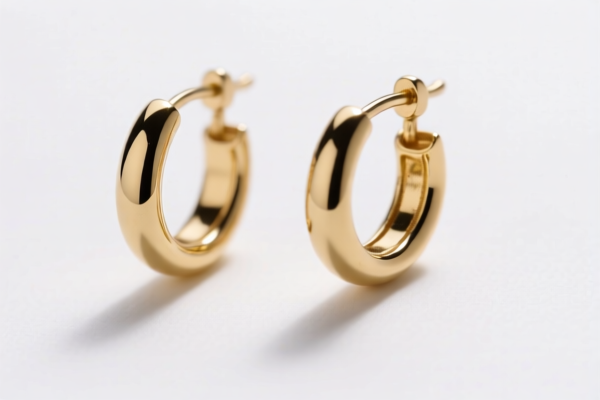
AI Analysis
💍 Couple Rings: The Ultimate HS Code & Customs Guide (2026 Edition)
🌐 HS Code Classification & Customs Clearance Strategy | Complete Tax Breakdown | Professional Import/Export Protocol
📌 I. Product Definition & Core Distinction: "Couple Rings" Are Not All Created Equal
"Couple Rings" (matching pairs for partners) are jewelry items. However, customs authorities do not classify them based on the "couple" concept, but strictly on Material Composition and Value. The difference between "precious metal jewelry" and "fake costume jewelry" can change your tax bill by 10–30%.
⚠️ Critical Classification Logic:
- Is the core material Precious Gold/Silver/Platinum? → Category A: High-Value Jewelry (7113)
- Is the core material Base Metal, Alloy, or Plastic? → Category B: Imitation Jewelry (7117)
- Is the ring made of Carved Bone/Ivory/Shell? → Category C: Artisan Material (9601)
📦 II. HS Code Classification Matrix (2026 Tax Regime)
Based on your specific product scenarios, here is the authoritative breakdown:
| HS Code | Material & Description | Tax Category | Why This Code? |
|---|---|---|---|
7113.19.50.91 |
Precious Metal Rings (Gold, Silver, Platinum) | High Value | Inferred: Rings made of gold or other precious metals. This is the code for genuine fine jewelry. |
7117.90.90.00 |
Costume/Imitation Jewelry | Low Value | Inferred: Rings that are "costume jewelry" made of non-precious metals, base alloys, or plastic. |
9601.90.80.00 |
Animal Material Artifacts | Specialty | Inferred: Rings made from carved animal materials (e.g., bone, horn, ivory substitutes). Fits "Other carved animal material." |
🔍 Key Insight:
-7113(Precious) attracts a lower total tax burden (15.5%) because the "Additional Duty" (Section 301/301 Add) is often 0% for high-value precious metals, relying only on the 10% Section 122 duty.
-7117(Imitation) faces the highest tax burden (28.5%) because it is hit by ALL THREE taxes (Base + Section 301 + Section 122).
-9601(Animal Art) sits in the middle (21.2%), with a lower base tariff but still subject to Section 301 and 122.
💰 III. 2026 Tax Rate Breakdown & Legal Basis
✅ Market: USA (United States)
✅ Origin: China (CN)
✅ Applicable Dates: Current Trade War Policies (Section 301 + Section 122)
🎯 1. Precious Metal Couple Rings (7113.19.50.91)
Best Case Scenario for High-Value Goods
| Tax Component | Rate | Legal Reference |
|---|---|---|
| MFN Base Duty | 5.5% | Standard Most-Favored-Nation rate |
| Section 301 Duty | 0.0% | Crucial: High-value precious metals often excluded from the heavy Section 301 list |
| Section 122 Duty | 10.0% | "122 Clause" (Biden Admin Targeted Tariff) |
| 💰 Total Tax | 15.5% | Lowest Possible Rate |
📌 Explanation:
- This is the most efficient classification for valuable gold/silver couple rings.
- You avoid the punitive 7.5% "Section 301" tariff that bites other goods.
- Calculation:Duty = CIF Value × 15.5%
🎯 2. Imitation/Costume Couple Rings (7117.90.90.00)
The "Highest Tax" Trap
| Tax Component | Rate | Legal Reference |
|---|---|---|
| MFN Base Duty | 11.0% | Base tariff for "Imitation Jewelry" |
| Section 301 Duty | 7.5% | Heavy tariff on non-precious metal goods |
| Section 122 Duty | 10.0% | Additional "122 Clause" tariff |
| 💰 Total Tax | 28.5% | Highest Possible Rate |
📌 Explanation:
- Do not misdeclare base metal rings as "Gold". If customs finds "Gold Plated" or "Alloy" rings are declared as7113, you will face Audit + Penalties.
- However, if they are genuine costume jewelry, 28.5% is your reality.
- Calculation:Duty = CIF Value × 28.5%
🎯 3. Carved Animal Material Rings (9601.90.80.00)
The "Artisan" Classification
| Tax Component | Rate | Legal Reference |
|---|---|---|
| MFN Base Duty | 3.7% | Low base tariff for "Other" |
| Section 301 Duty | 7.5% | Applied due to material origin |
| Section 122 Duty | 10.0% | Additional "122 Clause" tariff |
| 💰 Total Tax | 21.2% | Middle Ground |
📌 Explanation:
- Applies if the ring is made of Bone, Horn, Wood, or Shell.
- Warning: If the material is synthetic (plastic), this code is wrong; it must go to7117.
🛠️ IV. Customs Clearance Strategies & Action Plan
✅ 1. Documentation Checklist (The "Golden Rules")
| Document | Requirement | Purpose |
|---|---|---|
| Material Declaration | Mandatory | Must explicitly state: "14K Gold," "Stainless Steel," or "Carved Bone." |
| Product Photos | High Res | Must show hallmarks, engravings, and material texture. |
| COC (Certificate of Origin) | Mandatory | To prove origin is China (to apply Section 122/301). |
| Third-Party Lab Report | Recommended | XRF test results for metal composition (crucial for 7113 vs 7117). |
✅ 2. Declaration Tips (Avoiding the "Audit Trap")
| Scenario | Correct Action | ❌ Fatal Error |
|---|---|---|
| Gold Plated Rings | Declare as 7117 (Imitation) if core is base metal. |
Declare as 7113 (Gold) → False Declaration + Seizure. |
| Sterling Silver Rings | Declare as 7113 (Precious). |
Declare as 7117 → Overpaying 13% in taxes. |
| Bone/Ivory Rings | Declare as 9601 (Animal Material). |
Declare as 7117 (Jewelry) → Wrong Duty Calculation. |
| "Couple" Set | Declare per ring or as a set with clear unit value. | Splitting one ring into two entries to hide value → Fraud. |
✅ 3. Legal & Policy Nuances
🔥 The "Section 122" Trap:
The 10% Section 122 tariff is a specific Biden-era provision targeting Chinese imports. It applies to ALL THREE of your codes (7113,7117,9601). It is non-negotiable.🔥 The "Section 301" Split:
- Gold/Platinum (7113): 0% Section 301.
- Base Metal/Art (7117,9601): 7.5% Section 301.
Strategy: If your rings are Gold Plated, do NOT try to claim they are solid gold unless you have a lab test. The risk of 28.5% tax is lower than the risk of a customs fraud investigation.
🌍 V. Market Comparison & Optimization
| Strategy | 7113.19.50.91 (Precious) |
7117.90.90.00 (Imitation) |
|---|---|---|
| Target Market | Luxury retailers, High-end boutiques | Fashion retailers, Gift shops, Online (Etsy/Amazon) |
| Profit Margin Impact | High (Tax only 15.5%) | Low (Tax 28.5% eats margins) |
| Customs Risk | Low (if hallmarked) | Medium (material composition disputes) |
| Optimization | Use Gold or Silver plating > 0.05mm | Clearly label "Base Metal / Alloy" |
📌 VI. Final Verdict: How to Ship "Couple Rings" Safely
- Identify the Core Material: If the ring is >50% precious metal (Gold/Silver), Use
7113. - If Base Metal: Use
7117. Do not attempt to classify as precious metal. - If Animal Material: Use
9601. - Prepare for the Tax:
- Best Case: 15.5% (Precious).
- Worst Case: 28.5% (Imitation).
- Middle: 21.2% (Animal).
🚀 Pro Tip: For "Couple Rings" sold as sets, ensure the Unit Price on the commercial invoice reflects the price per ring, not the set price. Customs calculates duty on the declarable value of the item. If you declare a "Set" without a breakdown, you may be assessed a flat rate that is higher than the actual individual value.
✨ Customs Clearance = Accuracy + Transparency.
💼 Get your tax right, or the customs officer will fix it for you (and charge you for the mistake).
Customer Reviews
About HS Code Classification
The Harmonized System (HS) is an internationally standardized nomenclature developed by the World Customs Organization (WCO) to classify traded products. Over 200 countries use the HS system as the basis for customs tariffs, trade statistics, and import/export regulations.
Each HS code follows a hierarchical structure:
- Chapter (2 digits) — Broad category of goods (e.g., Chapter 84: Machinery and Mechanical Appliances)
- Heading (4 digits) — More specific grouping within the chapter
- Subheading (6 digits) — Internationally standardized breakdown, used by all WCO member countries
- National subdivisions (8-10 digits) — Country-specific extensions for further classification, such as US HTSUS 10-digit codes
Correct HS code classification is essential for smooth customs clearance, accurate duty payment, and compliance with trade regulations. Misclassification can lead to customs delays, overpayment of duties, or penalties.
When importing from CN to US, the applicable tariff rates may include:
- Most-Favored-Nation (MFN) rate — The standard duty rate applied to WTO members
- General rate — Applied to countries without trade agreements
- Trade remedy duties — Additional tariffs such as Section 301 (anti-dumping), Section 232 (national security), or countervailing duties
The information provided on this page is for reference purposes only. For official classification, please consult with your local customs authority or a licensed customs broker.