Coupler
CN → US| HS Code | Tariff Rate | Origin | Destination | Doc |
|---|---|---|---|---|
| 9001100070 | 41.7% | CN | US | Official Doc |
| 9001100085 | 41.7% | CN | US | Official Doc |
| 8544429090 | 87.6% | CN | US | Official Doc |
| 8536700000 | 35.0% | CN | US | Official Doc |
| 8536694010 | 35.0% | CN | US | Official Doc |
Product Images
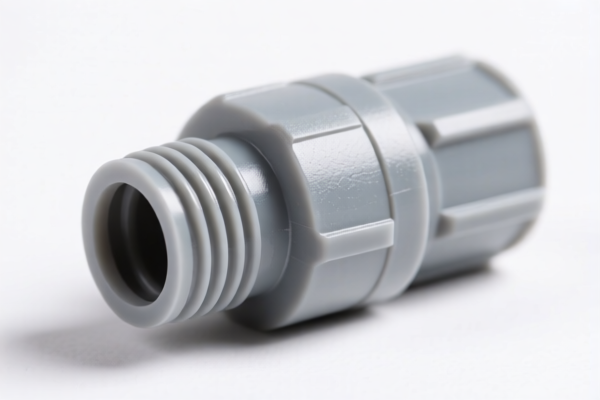
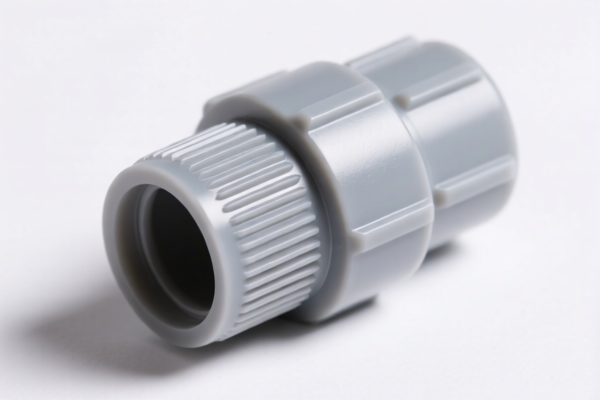
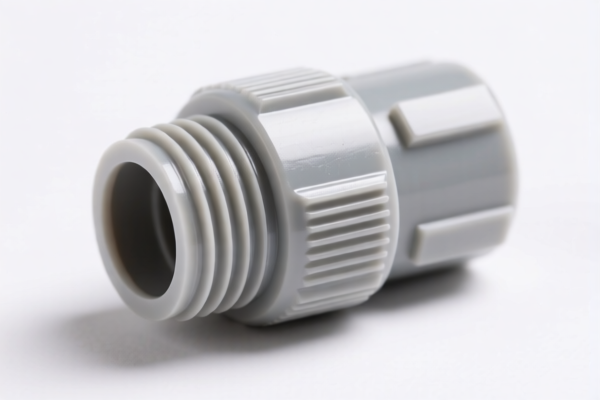
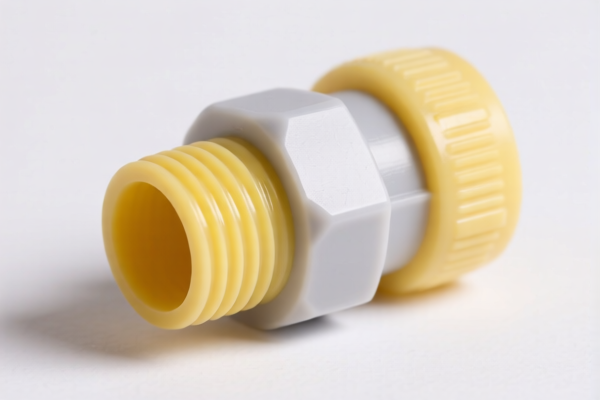
AI Analysis
🌐 Optical Fiber Connectors (Couplers) | Global HS Code Classification & US Customs Clearance Guide 2026
📌 Product Category: Telecommunications Components / Fiber Optics
🌍 Target Market: USA (High-Risk Compliance Zone)
📉 Tax Complexity: ⚠️ Extremely High (35% – 87.6%) due to Section 301 & IEEPA tariffs
📦 1. HS Code Classification Matrix (Based on Provided Data)
Below is the precise classification for Fiber Optic Connectors (Couplers) based on their technical attributes and US Tariff Schedule logic.
| HS Code | Product Description & Matching Logic | Total Tax Rate | Tax Breakdown (US-China Origin) | Key Classification Criteria |
|---|---|---|---|---|
| 9001.10.00.70 | Fiber Optic Connectors (Miscellaneous) | 41.7% | Base: 6.7% + Sec 301: 25.0% + IEEPA: 10% |
Matches as "other optical fiber" accessories; not strictly defined as a cable assembly in this specific subheading. |
| 9001.10.00.85 | Fiber Optic Connectors (Bundles/Cables) | 41.7% | Base: 6.7% + Sec 301: 25.0% + IEEPA: 10% |
Matches morphology & use; classified under fiber bundles and cable-related components. |
| 8544.42.90.90 | Fiber Optic Connectors (Insulated Conductors) | 87.6% | Base: 2.6% + Sec 301: 25.0% + IEEPA: 10% + Steel/Al/Cu Surcharge: 50% |
Matches as "insulated electrical conductors with connectors." Highest Risk: If connectors contain copper/steel parts, a 50% additional surcharge applies. |
| 8536.70.00.00 | Fiber Optic Connectors (Optical Fiber Cables) | 35.0% | Base: 0.0% + Sec 301: 25.0% + IEEPA: 10% |
Best Fit for Pure Optical: Perfect match for purpose/material. Zero base duty, but still hits the 35% trade war tariff. |
| 8536.69.40.10 | Coaxial Connectors (Alternative Classification) | 35.0% | Base: 0.0% + Sec 301: 25.0% + IEEPA: 10% |
"Coaxial connectors" are functionally consistent with electrical couplers. If the connector is electrical/coaxial rather than purely optical, this code applies. |
⚠️ Critical Distinction:
- If the connector is purely optical (no metal casing acting as a conductor), 8536.70.00.00 is often preferred (35% tax).
- If the connector is electrical/coaxial or contains significant metal conductive parts, customs may classify it under 8536 (35%) or 8544 (87.6%).
- NEVER classify under 8544 without verifying metal content, as the 50% surcharge is catastrophic.
💰 2. Detailed Tax Clause Analysis (USA Origin: China)
All classifications above are subject to Section 301 Tariffs and IEEPA Proclamations effective from late 2025/2026.
🔹 The "35% Base + Surcharges" Model (Codes 8536.70 / 8536.69)
- Base Duty: 0% (Many electrical/optical components have 0% MFN duty).
- Section 301 (Trade War): +25%
- IEEPA (Emergencies): +10%
- Total Effective Rate: 35.0%
- Why? These codes are considered "Electrical Apparatus for Switching" (8536) or "Coaxial Connectors." They enjoy low base duties but are heavily targeted by trade policies.
🔹 The "6.7% Base + Surcharges" Model (Codes 9001.10)
- Base Duty: 6.7% (Optical apparatus accessories).
- Section 301: +25%
- IEEPA: +10%
- Total Effective Rate: 41.7%
- Why? Classified under Chapter 90 (Optical/Medical). Even with a higher base, the trade war tariffs dominate the cost.
🔹 The "87.6% Disaster" Model (Code 8544.42.90.90)
- Base Duty: 2.6%
- Section 301: +25%
- IEEPA: +10%
- Material Surcharge (Steel/Al/Cu): +50% ⚠️
- Total Effective Rate: 87.6%
- Why? This code applies if the connector is deemed an "Insulated Electrical Conductor." If the connector has a metal shell (often copper or steel) that serves as a conductor or shield, US Customs may apply the Section 301 material surcharge, doubling your costs.
🛠️ 3. Customs Clearance Strategy & Best Practices
✅ Step 1: Determine the True Nature of the Connector
| Feature | Likely HS Code | Tax Rate | Risk Level |
|---|---|---|---|
| Pure Optical Fiber (No metal conductor) | 8536.70.00.00 |
35.0% | ✅ Low (Best Value) |
| Coaxial/Electrical Connector | 8536.69.40.10 |
35.0% | ✅ Low |
| Optical Connector (Accessories) | 9001.10.00.70/.85 |
41.7% | ⚠️ Medium |
| Connector with Metallic Shell/Conductor | 8544.42.90.90 |
87.6% | 🔴 CRITICAL RISK |
✅ Step 2: Documentation Requirements
To avoid misclassification (especially avoiding the 87.6% rate), provide: 1. Technical Data Sheet: Clearly state if the connector is Optical or Electrical/Coaxial. 2. Material Composition: Specify if the housing is Plastic, Ceramic, or Metal. If metal, specify if it is for shielding only (optical) or conduction (electrical). 3. Photographs: Show the connector ends clearly. Are there fibers? Or metal pins (BNC/TNC/N-type)? 4. Intended Use: "For transmitting light signals" vs. "For transmitting RF signals."
✅ Step 3: Declaration Tips
- For Optical Connectors: Use description like "Fiber Optic Connectors, Ceramic/Plastic Body, for Splicing/Coupling, No Electrical Conduction" → Aim for 8536.70.00.00 (35%).
- For Coaxial Connectors: Use description like "RF Coaxial Connectors, for Cable Assembly, BNC/TNC Type" → Aim for 8536.69.40.10 (35%).
- Avoid: Generic terms like "Coupler" or "Adapter" without specifying type. Customs may default to the highest duty category.
🚀 4. Actionable Advice for Importers
- Prefer 8536.70.00.00 for Optical Parts: If your product is purely for fiber optics, argue for this code. It has 0% base duty and a lower total burden than Chapter 90 codes.
- Avoid 8544.42.90.90 at All Costs: Do not let your connector be classified as an "insulated conductor" unless it is actually an electrical cable assembly with connectors. The 50% surcharge is non-negotiable.
- Apply for HTS Exclusions: Check if your specific manufacturer/SKU qualifies for Section 301 exclusions. If excluded, you may save 25% of the tax.
- Consider "De Minimis" Risks: These items are NOT eligible for de minimis (86.179) exemption if the value is under $800, due to the high-risk nature of electrical/optical components from China.
📌 Final Verdict
| Product Type | Recommended HS Code | Total Tax | Strategy |
|---|---|---|---|
| Pure Fiber Optic Connector | 8536.70.00.00 |
35.0% | Best Option: Argue "Switching Apparatus" status. |
| Coaxial/Electrical Connector | 8536.69.40.10 |
35.0% | Standard for RF components. |
| Optical Accessory | 9001.10.00.70 |
41.7% | Acceptable if 8536 is rejected. |
| Metal-Shell Connector (Risk) | 8544.42.90.90 |
87.6% | Avoid: Restructure design or reclassify as optical only. |
📢 Pro Tip: Always include a "Certificate of Non-Conduction" for optical connectors to prove they do not carry electrical current, thereby blocking Customs from using the 87.6% "Insulated Conductor" code.
✨ Accurate Classification Saves Money. Misclassification Costs 50% More.
📞 Consult a licensed customs broker before shipping high-value fiber optic equipment.
Customer Reviews
About HS Code Classification
The Harmonized System (HS) is an internationally standardized nomenclature developed by the World Customs Organization (WCO) to classify traded products. Over 200 countries use the HS system as the basis for customs tariffs, trade statistics, and import/export regulations.
Each HS code follows a hierarchical structure:
- Chapter (2 digits) — Broad category of goods (e.g., Chapter 84: Machinery and Mechanical Appliances)
- Heading (4 digits) — More specific grouping within the chapter
- Subheading (6 digits) — Internationally standardized breakdown, used by all WCO member countries
- National subdivisions (8-10 digits) — Country-specific extensions for further classification, such as US HTSUS 10-digit codes
Correct HS code classification is essential for smooth customs clearance, accurate duty payment, and compliance with trade regulations. Misclassification can lead to customs delays, overpayment of duties, or penalties.
When importing from CN to US, the applicable tariff rates may include:
- Most-Favored-Nation (MFN) rate — The standard duty rate applied to WTO members
- General rate — Applied to countries without trade agreements
- Trade remedy duties — Additional tariffs such as Section 301 (anti-dumping), Section 232 (national security), or countervailing duties
The information provided on this page is for reference purposes only. For official classification, please consult with your local customs authority or a licensed customs broker.