Cowhide Fabric Piece
CN → US| HS Code | Tariff Rate | Origin | Destination | Doc |
|---|---|---|---|---|
| 4104415000 | 13.3% | CN | US | Official Doc |
| 4104495000 | 13.3% | CN | US | Official Doc |
| 4107112000 | 37.4% | CN | US | Official Doc |
| 4107192000 | 37.4% | CN | US | Official Doc |
| 5208130000 | 42.9% | CN | US | Official Doc |
Product Images
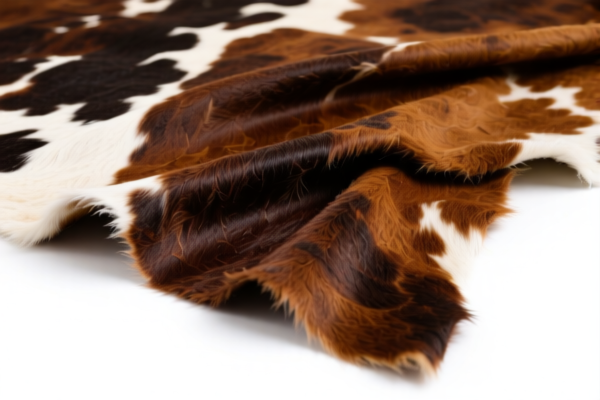
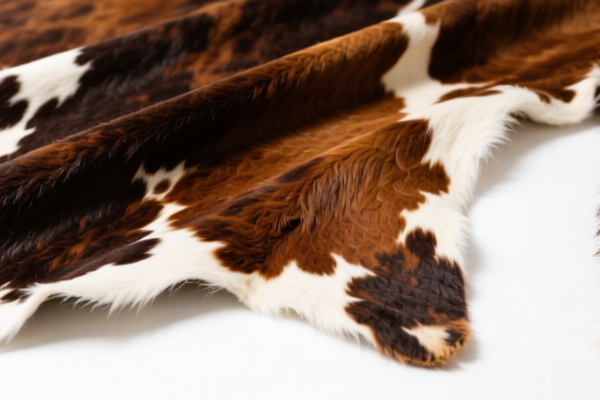
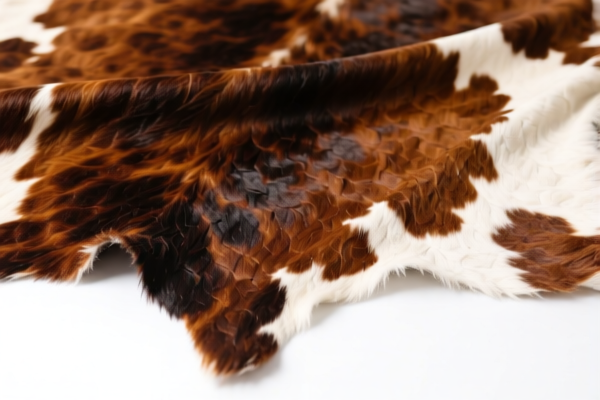
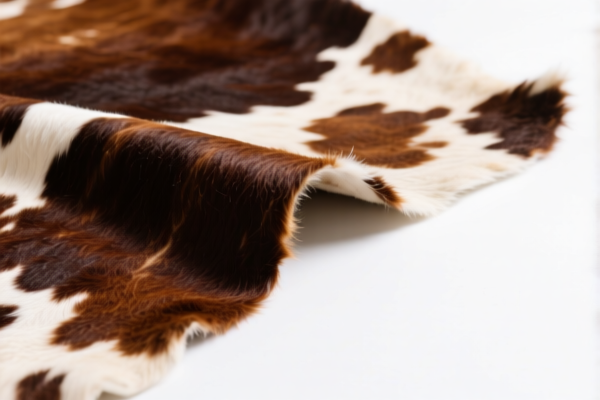
AI Analysis
🐂 Cowhide Fabric Pieces: HS Code Classification & Clearance Guide | 2026 Tax Update
🌐 HS Code Reference & Clearance Guide | Latest Tariff Analysis for US Imports | Professional Strategy
📌 Part I: Product Definition – What is "Cowhide Fabric Piece"?
"Cowhide Fabric Piece" is a broad commercial term that generally refers to leather materials derived from cattle (including water buffalo) or equine hides. In international trade, these are not classified as a single entity but are strictly categorized based on their processing stage and material composition.
The critical distinction lies in whether the leather is: 1. "Crust" or Semi-Tanned: Raw, partially processed leather still being worked on. 2. Finished/Tanned: Fully processed leather ready for end-use (e.g., bags, shoes, furniture).
⚠️ Key Distinction Point: * If the material is semi-tanned (wet blue, crust leather) or unfinished → It falls under Chapter 41, Heading 4104. * If the material is finished/tanned for specific industrial use or further processing → It may fall under Chapter 41, Heading 4107. * Note: If the "fabric" is actually woven cotton dyed to look like denim, it is NOT leather and falls under Chapter 52 (Cotton Fabrics).
📦 Part II: HS Code Classification Details (2026 Latest Tariff对照)
Based on the provided data, here are the precise classifications for "Cowhide Fabric Pieces" entering the US market:
| HS Code | Product Description | Application Scenario | Processing State |
|---|---|---|---|
4104.41.50.00 |
Cowhide Fabric, Tanned/Semi-Tanned Leather matching cattle (including buffalo) or horses, classified under "Other" categories. |
Semi-tanned hides, "Crust" leather, raw materials for further manufacturing. | ✅ Semi-Tanned / Unfinished |
4104.49.50.00 |
Cowhide Fabric, Tanned/Semi-Tanned Matches cattle (including buffalo) or equine material, classified as tanned/semi-tanned leather. |
Other types of semi-processed bovine/equine leather not specified in 4104.41. | ✅ Semi-Tanned / Unfinished |
4107.11.20.00 |
Cowhide Fabric, Further Processed Material matches cowhide, form is further processed leather. No conflicts. |
Finished leather, split leather, or leather ready for specific leather goods manufacturing. | ✅ Tanned / Finished |
4107.19.20.00 |
Cowhide Fabric, Processed Skins Material matches cowhide, form is processed skins based on inference. |
General finished leather skins, various tanning methods (vegetable, chrome, etc.). | ✅ Tanned / Finished |
5208.13.00.00 |
Denim Fabric (Cotton) Cotton woven fabric, matches denim material and form characteristics. |
⚠️ Critical Note: If the "Cowhide Fabric" is actually cotton denim (blue jean material), not animal hide, it MUST be declared here. | ❌ Not Leather (Textile) |
🔍 Important Reminder: * HS 4104 covers Semi-Tanned leather (often wet blue or crust). These are raw materials. * HS 4107 covers Tanned leather (finished or further processed). These are closer to final products. * HS 5208 is for Cotton Denim. Do not confuse "Cowhide" (animal) with "Denim" (plant/cotton). Misclassification here leads to severe penalties.
💰 Part III: 2026 Latest Tariff Rate Breakdown (Including Surtaxes & Policy Add-ons)
✅ Applicable Country: United States (US) ✅ Origin: China (CN) ✅ Effective Date: 2025/2026 Import Period
🎯 1. 4104.41.50.00 & 4104.49.50.00 – Semi-Tanned Leather
| Item | Details |
|---|---|
| Base Tariff | 3.3% |
| USITC Surcharge (301) | +0.0% |
| Section 122 Surcharge | +10.0% |
| Total Tax Rate | 13.3% |
| Calculation | CIF Value × 13.3% |
| De Minimis Exemption | ❌ Not Eligible (Deny De Minimis) |
| Legal Basis | Base Rate (3.3%) + Section 122 (10%) |
📌 Explanation: * These codes represent semi-tanned leather. * The total rate is 13.3%, composed of a low base tariff (3.3%) plus a 10% Section 122 surcharge. * Note: Section 122 refers to specific US trade provisions affecting textile/leather imports from China.
🎯 2. 4107.11.20.00 & 4107.19.20.00 – Tanned/Finished Leather
| Item | Details |
|---|---|
| Base Tariff | 2.4% |
| USITC Surcharge (301) | +25.0% |
| Section 122 Surcharge | +10.0% |
| Total Tax Rate | 37.4% |
| Calculation | CIF Value × 37.4% |
| De Minimis Exemption | ❌ Not Eligible (Deny De Minimis) |
| Legal Basis | Base Rate (2.4%) + USITC (25%) + Section 122 (10%) |
📌 Explanation: * These codes represent tanned/finished leather. * The total rate is 37.4%, which is significantly higher due to the 25% USITC Section 301 surcharge (trade war tariff) ON TOP of the base and Section 122 tariffs. * Cost Impact: Importing finished leather is nearly 3x more expensive in tariffs than semi-tanned leather from China.
🎯 3. 5208.13.00.00 – Cotton Denim Fabric (If Misclassified as Cowhide)
| Item | Details |
|---|---|
| Base Tariff | 7.9% |
| USITC Surcharge (301) | +25.0% |
| Section 122 Surcharge | +10.0% |
| Total Tax Rate | 42.9% |
| Calculation | CIF Value × 42.9% |
| De Minimis Exemption | ❌ Not Eligible (Deny De Minimis) |
📌 Explanation: * If the product is actually denim (cotton), not leather, it falls under Chapter 52. * The rate is 42.9%, the highest among the options. * Risk: If you declare cotton denim as "Cowhide" (HS 4104/4107) to try to lower tariffs, Customs will detect the material mismatch and impose penalties.
🛠️ Part IV: Clearance Operational Advice (Practical Pitfall Avoidance)
✅ 1. Required Documentation Checklist (None of the above can be omitted)
| Document | Required | Description |
|---|---|---|
| ✅ Product Specification Sheet | ✔️ | Must detail: Material (Cowhide/Denim), Tanning Method (Chrome/Vegetable), Thickness, Finish. |
| ✅ Material Analysis Report | ✔️ | Third-party lab report confirming Animal Hide vs. Cotton. Critical for HS 4104 vs. 5208. |
| ✅ Photos of Product | ✔️ | Clear images showing texture, grain, and backside of the hide/fabric. |
| ✅ Commercial Invoice | ✔️ | Must explicitly state: "Cowhide Leather" or "Cotton Denim Fabric". Do NOT use vague terms like "Fabric". |
| ✅ Packing List | ✔️ | Weight and dimensions. Leather is heavy; accurate weight is crucial for duty calculation. |
✅ 2. Declaration Strategy (Key Mantra)
🔥 “Material First, Process Second. Don’t Mix Hides and Denim!”
| Scenario | Correct Declaration | Wrong Practice |
|---|---|---|
| Raw/Semi-Tanned Cowhide | 4104.41.50.00 |
Declare as "Finished Leather" → 37.4% Tax (Overpayment) |
| Finished Cowhide | 4107.11.20.00 |
Declare as "Semi-Tanned" → 13.3% Tax (Underpayment & Penalty Risk) |
| Cotton Denim | 5208.13.00.00 |
Declare as "Cowhide" → Smuggling/Fraud Charge |
| Mixed Package (Leather + Denim) | Split Declaration | Combine into one HS Code → Rejection & Inspection |
✅ 3. Special Situation Handling
| Situation | Handling Advice |
|---|---|
| Section 122 Application | Ensure the invoice clearly states "China Origin" to trigger the correct 10% surcharge calculation. Errors here lead to incorrect duty assessment. |
| Tanning Process Change | If you switch from Chrome-Tanned to Vegetable-Tanned, verify if the HS Code changes within 4104 or 4107. Minor changes may require new classification. |
| "Fabric" Terminology | Avoid using the word "Fabric" for leather. Use "Leather," "Hide," "Skin," or "Crust." "Fabric" implies textile (Chapter 52/60), causing immediate Customs flags. |
| De Minimis (800 USD) | WARNING: For leather (HS 41) and cotton denim (HS 52) from China, the Section 301 and Section 122 surcharges negate the De Minimis exemption. You MUST pay duties on every shipment, regardless of value. |
🌍 Part V: Global Market Clearance Comparison (2026 Update)
| Country/Region | Recommended HS Code | Tariff (China Origin) | Certification Requirements | Notes |
|---|---|---|---|---|
| 🇺🇸 USA | 4104.41.50.00 (Semi) / 4107.11.20.00 (Tanned) |
13.3% / 37.4% | None specific, but Material Proof Required | High tariffs due to Section 301 & 122. |
| 🇨🇳 China | 4104 / 4107 |
Varies (usually lower) | N/A | Domestic trade doesn't use these HS codes for import. |
| 🇪🇺 EU | 4104 / 4107 |
0% (MFN) | REACH (Chemicals in Tanning) | No Section 122/301. Lower duty but strict environmental compliance. |
📌 Conclusion: * The US market is the most expensive for Chinese leather imports due to layered surcharges (Base + 301 + 122). * Semi-tanned leather (13.3%) is significantly more tariff-efficient than Finished leather (37.4%). * Misclassifying Denim as Leather is a high-risk error. Always provide lab tests.
📌 Part VI: Common Errors & Pitfall Guide (Blood Tears Lessons)
❌ Error 1: Using "Fabric" for Leather 👉 Consequence: Customs may classify as Textile (Chapter 52/60) or reject the entry. 👉 Fix: Use "Leather," "Hide," or "Skin."
❌ Error 2: Confusing Semi-Tanned (4104) with Tanned (4107) 👉 Consequence: If you declare semi-tanned as finished, you pay 37.4% instead of 13.3%. Overpayment! 👉 Fix: Provide tanning process documentation. Is it "Wet Blue" or "Crust" (4104)? Or is it finished/dyed (4107)?
❌ Error 3: Assuming De Minimis Applies 👉 Consequence: Trying to ship under $800 to avoid duty. Failed! 👉 Fix: All leather and denim from China are subject to surcharges. Declare properly and pay the 13.3%-42.9%.
❌ Error 4: Denim vs. Cowhide Mix-up
👉 Consequence: Declaring cotton denim as cowhide to avoid higher text tariffs.
👉 Fix: Material must match. If it’s cotton, use 5208.13.00.00 (42.9% total).
✅ Correct Declaration Example:
"Semi-Tanned Cowhide Leather, Chrome Tanned, Crust Form, Weight 20kg, Origin China, HS 4104.41.50.00"
🎯 Part VII: Conclusion – Professional Declaration, Cost Saving, Efficiency!
🎯 Remember the Mantra:
🔹 "Semi-Tanned: 13.3%. Finished: 37.4%. Denim: 42.9%. No De Minimis for Leather!" 🔹 "Material Proof is King. Distinguish Hide from Cotton. Save Tax by Classifying Process Correctly!"
📌 Pro Tip: If your leather is tanned in Vietnam, Mexico, or Bangladesh, you may qualify for lower or zero USITC Section 301 surcharges. Recommendation: Apply for an Advance Ruling (Proffiling) with US Customs before large shipments to confirm the exact HS Code and duty liability.
📣 Immediate Action:
📞 Contact a licensed Customs Broker + Provide Material Lab Reports + Verify Tanning Process. 🚀 Ensure your Cowhide Fabric Pieces clear customs smoothly, avoiding costly delays and unexpected 42% tariffs!
✨ Professional Clearance Starts with Accurate Classification! 💼 Every Cent of Duty Should Be Accounted For!
Customer Reviews
About HS Code Classification
The Harmonized System (HS) is an internationally standardized nomenclature developed by the World Customs Organization (WCO) to classify traded products. Over 200 countries use the HS system as the basis for customs tariffs, trade statistics, and import/export regulations.
Each HS code follows a hierarchical structure:
- Chapter (2 digits) — Broad category of goods (e.g., Chapter 84: Machinery and Mechanical Appliances)
- Heading (4 digits) — More specific grouping within the chapter
- Subheading (6 digits) — Internationally standardized breakdown, used by all WCO member countries
- National subdivisions (8-10 digits) — Country-specific extensions for further classification, such as US HTSUS 10-digit codes
Correct HS code classification is essential for smooth customs clearance, accurate duty payment, and compliance with trade regulations. Misclassification can lead to customs delays, overpayment of duties, or penalties.
When importing from CN to US, the applicable tariff rates may include:
- Most-Favored-Nation (MFN) rate — The standard duty rate applied to WTO members
- General rate — Applied to countries without trade agreements
- Trade remedy duties — Additional tariffs such as Section 301 (anti-dumping), Section 232 (national security), or countervailing duties
The information provided on this page is for reference purposes only. For official classification, please consult with your local customs authority or a licensed customs broker.