Cowhide Leather
CN → US| HS Code | Tariff Rate | Origin | Destination | Doc |
|---|---|---|---|---|
| 4104414010 | 15.0% | CN | US | Official Doc |
| 4104411040 | 35.0% | CN | US | Official Doc |
| 4107113000 | 13.6% | CN | US | Official Doc |
| 4107112000 | 37.4% | CN | US | Official Doc |
| 4113906000 | 36.6% | CN | US | Official Doc |
Product Images
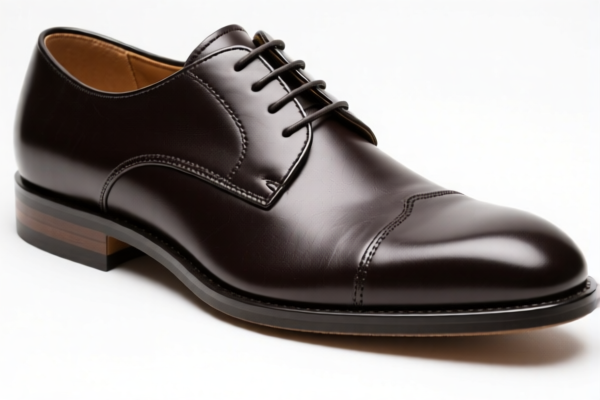
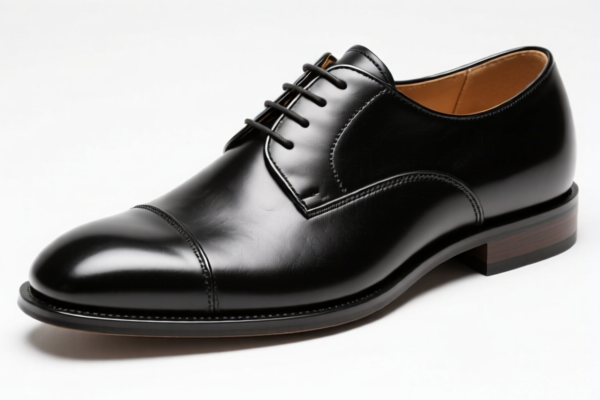
AI Analysis
🐄 Cowhide Leather (Raw & Tanned Hides)
🌐 HS Code Reference & Customs Clearance Guide | 2026 Latest Tariff Analysis | Professional Clearance Strategy
📌 1. Product Definition & Classification: What Exactly is "Cowhide Leather"?
Cowhide Leather refers to the skin of cattle that has undergone processing to prevent decay and become pliable. In international trade, it is strictly categorized by processing method and surface quality. The classification determines not only the tariff rate but also the compliance burden.
Two Main Categories: 1. Crust/Partially Tanned Leather (4104/4107 Subheadings): Leather that has been tanned but not yet finished (dyed, polished, or treated for final use). Often used for further processing by manufacturers. 2. Finished/Hand-use Leather (4113 Subheading): Leather that has been fully processed (dyed, embossed, polished) and is ready for immediate use in goods like shoes, bags, or furniture.
⚠️ Critical Distinction Point: * If the leather is unfinished, rough, or only partially tanned (e.g., raw crust), it generally falls under Chapter 41, Heading 4104 or 4107. * If the leather is fully finished, dyed, or prepared specifically for hand-crafts/shoes/bags (often called "special leathers"), it may fall under 4113. * Misclassification Risk: Declaring finished leather as "raw" to avoid higher duties on specific types is a common customs audit trigger.
📦 2. HS Code Classification Matrix (2026 Latest Tariff Authority)
Based on the provided data, here are the specific HS Codes for Cowhide Leather, tailored for imports from China to the USA (indicated by the "122-Clause" and "Section 301" references).
| HS Code | Product Description | Processing State | Key Characteristics |
|---|---|---|---|
4104.41.40.10 |
Cowhide Hard Leather, Tanned | Tanned or Semi-Tanned | "Hard" leather; Bovine material; Basic tanning process. |
4104.41.10.40 |
Cowhide Hard Leather, Tanned | Tanned or Crust | Bovine material; Specifically "Hard" leather variant. |
4107.11.30.00 |
Cowhide Hard Leather, Full Grain | Full Grain | High quality; Natural grain surface intact; Bo vine material. |
4107.11.20.00 |
Cowhide Hard Leather, Processed | Processed/Finished | Post-tanning processing; Bovine material; "Hard" format. |
4113.90.60.00 |
Cowhide Leather for Hand Use | Fancy/Specialty | Finished; Ready for hand-use (shoes/bags); "Fancy" leather. |
🔍 Important Note: * "Hard Leather" typically refers to leather used for soles, harnesses, or industrial applications, which often carries different duty implications than "Soft Leather" (for garments). * "Full Grain" (
4107.11.30.00) is a premium category. Ensure the physical goods match this description (un-sanded, natural grain).
💰 3. 2026 Tariff Rate Breakdown (Including Surcharge & Policy Add-ons)
✅ Applicable Country: United States (US)
✅ Origin: China (CN)
✅ Effective Time: Current rates (Section 301 & IEEPA clauses active)
🎯 1. 4104.41.40.10 — Cowhide, Tanned/Semi-Tanned (Basic Hard Leather)
| Item | Detail |
|---|---|
| Base Tariff | 5.0% (Standard MFN rate) |
| Section 301 Surcharge | 0.0% |
| 122-Clause (IEEPA/Retaliatory) | +10% |
| Total Effective Rate | 15.0% |
| Calculation | CIF Value × 15% |
| De Minimis Exemption | ❌ Not Eligible (Value > $800 threshold requires full entry) |
| Legal Path | HTSUS:4104.41.40.10 → IEEPA:122-Clause |
📌 Explanation:
This is the most favorable rate for basic tanned cowhide. The 10% surcharge applies due to trade measures (likely Section 122 or specific retaliation clauses), but no Section 301 (25%) tariff applies to this specific subheading.
🎯 2. 4104.41.10.40 — Cowhide, Tanned (Hard Leather Variant)
| Item | Detail |
|---|---|
| Base Tariff | 0.0% |
| Section 301 Surcharge | +25.0% |
| 122-Clause (IEEPA/Retaliatory) | +10% |
| Total Effective Rate | 35.0% |
| Calculation | CIF Value × 35% |
| De Minimis Exemption | ❌ Not Eligible |
| Legal Path | HTSUS:4104.41.10.40 → USITC:301-Footnote → IEEPA:122-Clause |
📌 Explanation:
Despite a 0% base rate, the 25% Section 301 tariff applies heavily here. This is a high-cost classification. The 10% add-on further increases the burden. Total 35% is significant for low-margin leather goods.
🎯 3. 4107.11.30.00 — Cowhide, Full Grain (Premium)
| Item | Detail |
|---|---|
| Base Tariff | 3.6% |
| Section 301 Surcharge | 0.0% |
| 122-Clause (IEEPA/Retaliatory) | +10% |
| Total Effective Rate | 13.6% |
| Calculation | CIF Value × 13.6% |
| De Minimis Exemption | ❌ Not Eligible |
| Legal Path | HTSUS:4107.11.30.00 → IEEPA:122-Clause |
📌 Explanation:
Best Rate for Premium Goods. Full-grain leather often benefits from lower base tariffs and no Section 301 surcharge (depending on specific HTSUS exclusions). The only added cost is the 10% clause. Total: 13.6%. This is the most cost-effective for high-quality hides.
🎯 4. 4107.11.20.00 — Cowhide, Processed (Hard Leather)
| Item | Detail |
|---|---|
| Base Tariff | 2.4% |
| Section 301 Surcharge | +25.0% |
| 122-Clause (IEEPA/Retaliatory) | +10% |
| Total Effective Rate | 37.4% |
| Calculation | CIF Value × 37.4% |
| De Minimis Exemption | ❌ Not Eligible |
| Legal Path | HTSUS:4107.11.20.00 → USITC:301-Footnote → IEEPA:122-Clause |
📌 Explanation:
Highest Tax Burden. This classification attracts the full 25% Section 301 tariff plus the 10% clause, on top of a small base duty. Total: 37.4%. Avoid this code if your product qualifies for others, as it is the most expensive.
🎯 5. 4113.90.60.00 — Cowhide for Hand Use (Fancy/Finished)
| Item | Detail |
|---|---|
| Base Tariff | 1.6% |
| Section 301 Surcharge | +25.0% |
| 122-Clause (IEEPA/Retaliatory) | +10% |
| Total Effective Rate | 36.6% |
| Calculation | CIF Value × 36.6% |
| De Minimis Exemption | ❌ Not Eligible |
| Legal Path | HTSUS:4113.90.60.00 → USITC:301-Footnote → IEEPA:122-Clause |
📌 Explanation:
Finished leather ready for consumer goods (shoes, belts) falls here. Despite a low base rate (1.6%), the 25% Section 301 and 10% clause push the total to 36.6%. High finished value does not exempt it from tariffs.
🛠️ 4. Customs Clearance Practical Advice (Battle-Tested Guide)
✅ 1. Documentation Checklist (Non-Negotiable)
| Document | Required | Details |
|---|---|---|
| ✅ Commercial Invoice | ✔️ | Must specify "Cowhide Leather," Tanning Method, and Country of Origin. |
| ✅ Packing List | ✔️ | Detail weight, volume, and number of hides/bales. |
| ✅ Tanning Process Certificate | ✔️ | Proof of tanning method (Chrome vs. Vegetable) to support HS Code. |
| ✅ Physical Sample Photos | ✔️ | Show grain surface (Full Grain vs. Split) to distinguish 4107.11.30.00 from others. |
| ✅ FDA Declaration (if applicable) | ✔️ | Some leather products may require FDA registration if intended for direct consumer contact. |
| ✅ Form A / COO | ✔️ | Certificate of Origin to prove Chinese origin (triggers tariffs). |
✅ 2. Declaration Strategy (Key Mnemonics)
🔥 "Grain Matters, Tax Varies! Check the Surface, Save the Cash!"
| Scenario | Correct HS Code | Incorrect Action | Consequence |
|---|---|---|---|
| High-Quality Full Grain | 4107.11.30.00 |
Declaring as generic tanned leather | Overpaying taxes? No, but risk of audit if quality doesn't match. |
| Basic Tanned Crust | 4104.41.40.10 |
Declaring as "Finished" | Under-declaration → Penalties. |
| Finished Shoes/Bags Material | 4113.90.60.00 |
Declaring as "Raw Hide" | Tariff Increase from 13.6% to 36.6% (if audited and re-classified). |
| Standard Hard Leather | 4104.41.10.40 or 4107.11.20.00 |
Merging with full grain | High Tax (35-37%) vs Low Tax (13.6%) mistake. |
📌 Pro Tip:
- Full Grain (4107.11.30.00) is the "Sweet Spot" for cost efficiency (13.6%). If your leather is high quality, ensure documentation proves it is full grain (natural grain surface, no sanding). - Avoid4113and4107.11.20.00if possible, as they incur the 25% Section 301 tariff. Only use4113if the leather is definitively finished for hand use, as misclassification here leads to severe penalties.
✅ 3. Special Handling Tips
| Scenario | Recommendation |
|---|---|
| Mixed Shipments | Separate "Full Grain" from "Basic Tanned" in different line items to apply correct rates. |
| Samples | If sending small samples for testing, ensure value is below $800 (De Minimis) if eligible, but leather often has restrictions. Check FDA/USDA rules. |
| Origin Marking | Ensure all hides or bales are marked "Made in China" to avoid country of origin disputes. |
| Environmental Compliance | Ensure tanning agents comply with US environmental standards (e.g., Chrome VI limits). Provide test reports. |
🌍 5. Global Market Comparison (2026 Update)
| Market | Recommended HS Code | Base Duty | US Section 301 | 122-Clause | Total Cost (CN Origin) |
|---|---|---|---|---|---|
| 🇺🇸 USA | 4107.11.30.00 (Full Grain) |
3.6% | 0% | +10% | 13.6% (Best Option) |
| 🇺🇸 USA | 4104.41.40.10 (Basic) |
5.0% | 0% | +10% | 15.0% |
| 🇺🇸 USA | 4113.90.60.00 (Finished) |
1.6% | +25% | +10% | 36.6% (Avoid if possible) |
| 🇪🇺 EU | Varies | 6.5% | N/A | N/A | 6.5% (No Section 301) |
| 🇨🇳 China | Varies | 0-10% | N/A | N/A | 0-10% (Lowest Base) |
📌 Conclusion:
- The US market is the most expensive due to Section 301 and 122-Clause tariffs.
- Strategy: For US imports, prioritize classifying as4107.11.30.00(Full Grain) or4104.41.40.10(Basic Tanned) to avoid the 25% Section 301 tariff.
- EU & China offer significantly lower duty burdens. Consider transshipment or supply chain adjustments if volume is high.
📌 6. Common Errors & Pitfalls (Blood & Tears)
❌ Error 1: Calling "Finished Leather" Raw/Tanned to save 25% tariff.
👉 Result: Customs audit → Re-classification to 4113 or 4107.11.20.00 → Back taxes + 10% penalty.
❌ Error 2: Ignoring the 122-Clause (10%).
👉 Result: Even if base duty is 0%, you still pay 10% on top. Many forget this clause.
❌ Error 3: Confusing "Hard Leather" with "Soft Leather."
👉 Result: 4104 vs 4107 distinctions are strict. Mislabeling "Hard" as "Soft" leads to delays.
❌ Error 4: De Minimis Abuse.
👉 Result: Sending leather under $800 via parcel post. Leather is often excluded or requires strict FDA/USDA checks. Risk of seizure.
✅ Correct Approach:
"Bovine Full Grain Leather, Chrome Tanned, 3.0mm Thickness, Natural Grain Surface, For Industrial Use. Origin: China."
🎯 7. Conclusion: Smart Classification Saves 20%+
🎯 Key Takeaway:
🔹 "Full Grain is King" (
4107.11.30.00): Lowest total tax at 13.6%.
🔹 "Basic Tanned" (4104.41.40.10): Safe alternative at 15.0%.
🔹 "Finished/Processed" (4113/4107.11.20.00): Avoid unless necessary due to 35-37% tax.🔹 "Check the Grain, Check the Clause, Avoid the 25% Trap!"
📌 Pro Tip:
If your leather is not from China (e.g., Brazil, Italy), you may avoid Section 301 and 122-Clause tariffs entirely.
Recommendation: Source from non-China origins if US tariffs are prohibitive, or work with a customs broker to apply for HTSUS exclusions if available.
📣 Immediate Action:
📞 Consult a Customs Broker before shipping.
📄 Get Pre-Ruling if unsure about "Full Grain" status.
🚀 Optimize your HS Code to save thousands in duties.
✨ Professional Clearance Starts with Precise Classification!
💼 Your Margins Depend on Your HS Code!
Customer Reviews
About HS Code Classification
The Harmonized System (HS) is an internationally standardized nomenclature developed by the World Customs Organization (WCO) to classify traded products. Over 200 countries use the HS system as the basis for customs tariffs, trade statistics, and import/export regulations.
Each HS code follows a hierarchical structure:
- Chapter (2 digits) — Broad category of goods (e.g., Chapter 84: Machinery and Mechanical Appliances)
- Heading (4 digits) — More specific grouping within the chapter
- Subheading (6 digits) — Internationally standardized breakdown, used by all WCO member countries
- National subdivisions (8-10 digits) — Country-specific extensions for further classification, such as US HTSUS 10-digit codes
Correct HS code classification is essential for smooth customs clearance, accurate duty payment, and compliance with trade regulations. Misclassification can lead to customs delays, overpayment of duties, or penalties.
When importing from CN to US, the applicable tariff rates may include:
- Most-Favored-Nation (MFN) rate — The standard duty rate applied to WTO members
- General rate — Applied to countries without trade agreements
- Trade remedy duties — Additional tariffs such as Section 301 (anti-dumping), Section 232 (national security), or countervailing duties
The information provided on this page is for reference purposes only. For official classification, please consult with your local customs authority or a licensed customs broker.