Cowhide Semi Leather for Clothing
CN → US| HS Code | Tariff Rate | Origin | Destination | Doc |
|---|---|---|---|---|
| 4104495000 | 13.3% | CN | US | Official Doc |
| 4107117040 | 15.0% | CN | US | Official Doc |
| 4107127040 | 15.0% | CN | US | Official Doc |
| 4114207000 | 36.6% | CN | US | Official Doc |
| 4107114000 | 12.5% | CN | US | Official Doc |
Product Images
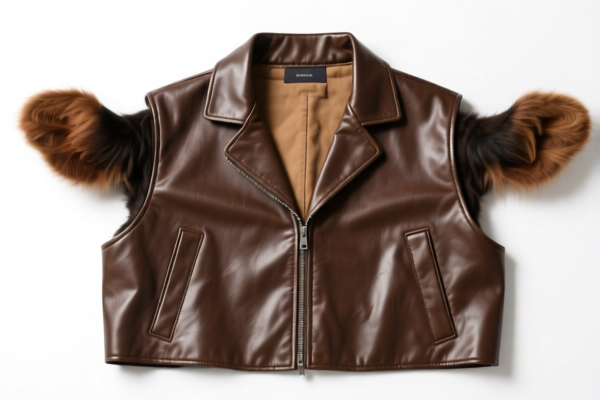
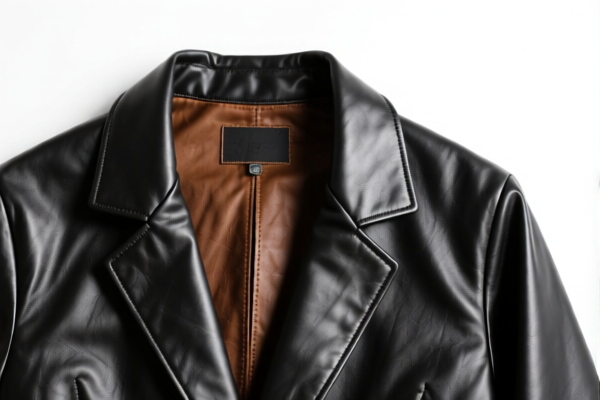
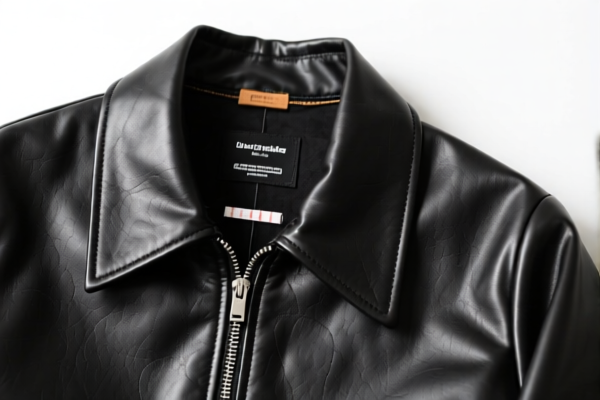
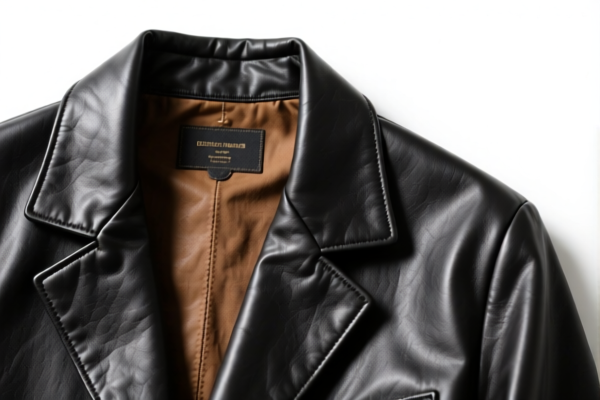
AI Analysis
🐂 Cowhide Semi-Leather for Clothing
🌐 HS Code Reference & Customs Clearance Guide | 2026 Latest Tariff Analysis | Professional Clearance Strategy
📌 I. Product Definition & Classification: Do You Really Understand "Cowhide Semi-Leather"?
"Cowhide Semi-Leather for Clothing" refers to raw or partially processed bovine leather intended for the manufacturing of garments, gloves, and accessories. In international trade, its classification depends heavily on the stage of processing (tanning status), surface finish (e.g., patent leather), and specific end-use.
International trade distinguishes between: * Vegetable-Tanned Leathers (VT): Typically used for structure, gloves, or heavy-duty goods. * Chrome-Tanned Leathers (CT): The most common form for apparel due to softness and durability. * Patent/Lacquered Leathers: Leather with a high-gloss surface coating, subject to different duty structures.
⚠️ Key Distinction Point:
- If the leather is patent/lacquered with a distinct coating → It falls under Chapter 41, Heading 41.14 (36.6% Total Tax).
- If the leather is semi-processed, vegetable-tanned (often for gloves or specific garments) → It falls under 4107.11.70.40 / 4107.12.70.40 (15.0% Total Tax).
- If the leather is semi-processed, chrome-tanned (standard apparel material) → It falls under 4104.49.50.00 / 4107.11.40.00 (Ranging from 12.5% to 13.3% Total Tax).
📦 II. HS Code Classification Details (2026 Latest Tariff Authority Comparison)
| HS Code | Product Description | Application Scenario | Processing Status |
|---|---|---|---|
4104.49.50.00 |
Semi-finished cowhide apparel material; features of semi-tanned and not further worked | General semi-finished leather; basic apparel material | ✅ Semi-tanned, unworked |
4107.11.70.40 |
Semi-finished cowhide apparel material; classified for gloves and clothing | Gloves, specific garment linings, structured apparel | ✅ Vegetable-tanned/Specific use |
4107.12.70.40 |
Semi-finished cowhide apparel material; hide/pelt form during processing | Intermediate processing stage; raw semi-finished state | ✅ Semi-finished, pelt form |
4114.20.70.00 |
Semi-finished cowhide apparel material; falls under patent and lacquered leather category | High-gloss apparel, fashion items requiring shine | ✅ Patent/Lacquered finish |
4107.11.40.00 |
Semi-finished cowhide; leather形态 after tanning and further processing | Fully tanned but not finished; ready for cutting | ✅ Tanned, further worked |
🔍 Key Reminder:
- Patent/Lacquered Leather (4114.20.70.00) incurs the highest tariff due to the "122 Clause" and additional duties, totaling 36.6%.
- Standard Semi-Finished Leather (4104.49.50.00) offers the lowest duty rate at 13.3%, provided it meets the "semi-tanned" criteria.
- Misclassifying standard leather as "patent" can lead to significant overpayment; conversely, misclassifying patent leather as standard can lead to penalties.
💰 III. 2026 Latest Tariff Rate Breakdown (Including Surcharges & Policy Add-ons)
✅ Applicable Country: United States (US)
✅ Origin: China (CN)
✅ Effective Date: From November 10, 2025 (including subsequent imports)
🎯 1. 4104.49.50.00 —— Semi-Finished Cowhide (Semi-Tanned)
| Item | Content |
|---|---|
| Base Tariff | 3.3% (ad valorem) |
| USITC Section 301 Surcharge | +10% ("122 Clause" Tariff) |
| Total Tax Rate | 13.3% |
| Tax Calculation | CIF Value × 13.3% |
| De Minimis Exemption | ❌ Not Eligible |
| Legal Basis Path | USITC:4104.49.50.00 → Section 301: 122 Clause |
📌 Explanation:
- This code applies to semi-tanned leathers not further worked.
- The 10% "122 Clause" tariff is a specific surcharge applied to certain Chinese-origin leather products.
- Total burden: 13.3%, which is relatively moderate compared to processed or coated leathers.
🎯 2. 4107.11.70.40 & 4107.12.70.40 —— Semi-Finished for Gloves/Apparel
| Item | Content |
|---|---|
| Base Tariff | 5.0% (ad valorem) |
| USITC Section 301 Surcharge | +10% ("122 Clause" Tariff) |
| Total Tax Rate | 15.0% |
| Tax Calculation | CIF Value × 15.0% |
| De Minimis Exemption | ❌ Not Eligible |
| Legal Basis Path | USITC:4107.11.70.40 / 4107.12.70.40 → Section 301: 122 Clause |
📌 Explanation:
- These codes cover specific vegetable-tanned or semi-finished hides intended for gloves or general apparel processing.
- The base rate is higher (5.0%) than4104.49.50.00due to specific trade considerations for this sub-category.
- Total burden: 15.0%. Essential for importers dealing in glove manufacturing or structured leather goods.
🎯 3. 4114.20.70.00 —— Patent & Lacquered Leather
| Item | Content |
|---|---|
| Base Tariff | 1.6% (ad valorem) |
| USITC Section 301 Surcharge | +25% (General Section 301) |
| Additional Clause Surcharge | +10% ("122 Clause" Tariff) |
| Total Tax Rate | 36.6% |
| Tax Calculation | CIF Value × 36.6% |
| De Minimis Exemption | ❌ Not Eligible |
| Legal Basis Path | USITC:4114.20.70.00 → Section 301: 25% + 122 Clause: 10% |
📌 Explanation:
- Highest Duty Category! This applies if the leather has a patent, lacquered, or varnished surface.
- Despite a low base rate (1.6%), the 25% Section 301 tariff kicks in heavily, combined with the 10% additional clause.
- Total burden: 36.6%. Importers must verify if the surface treatment qualifies as "patent/lacquered" under USITC definitions.
🎯 4. 4107.11.40.00 —— Semi-Finished Cowhide (Tanned & Further Worked)
| Item | Content |
|---|---|
| Base Tariff | 2.5% (ad valorem) |
| USITC Section 301 Surcharge | +10% ("122 Clause" Tariff) |
| Total Tax Rate | 12.5% |
| Tax Calculation | CIF Value × 12.5% |
| De Minimis Exemption | ❌ Not Eligible |
| Legal Basis Path | USITC:4107.11.40.00 → Section 301: 122 Clause |
📌 Explanation:
- Applies to semi-finished leather that has been tanned and undergone further processing (but not fully finished).
- Lowest Base Rate (2.5%) among the 4107 sub-headings.
- Total burden: 12.5%. This is often the most cost-effective classification for high-quality semi-finished apparel leather, provided it meets the "further worked" criteria without being patent/lacquered.
🛠️ IV. Customs Clearance Practical Advice (Real-World Pitfall Guide)
✅ 1. Required Documentation Checklist (No Exceptions)
| Document | Required | Description |
|---|---|---|
| ✅ Product Specification Sheet | ✔️ | Must detail: Tanning method (Vegetable vs. Chrome), Finish (Matte, Patent, Nappa), Thickness, Area Size |
| ✅ Photos of Goods | ✔️ | Clear images of the grain side, flesh side, and any surface coating (critical for distinguishing Patent vs. Standard) |
| ✅ Commercial Invoice | ✔️ | Must clearly state "Cowhide Semi-Leather" and specify HS Code |
| ✅ Packing List | ✔️ | Details number of hides, total weight, and dimensions |
| ✅ Supply Chain Declaration | ✔️ | Confirm Origin is China (CN) to apply correct 122 Clause/Section 301 rates |
| ✅ Treatment Certificate | ✔️ | If claiming non-patent status, provide lab test results for surface coating absence |
✅ 2. Declaration Tips (Critical Mnemonic)
🔥 "Check the Surface, Check the Tanning, Don't Guess the Rate!"
| Scenario | Correct Declaration | Wrong Practice |
|---|---|---|
| Matte/Standard Semi-Finished | 4104.49.50.00 or 4107.11.40.00 |
Misclassifying as 4114.20.70.00 → Pays 36.6% instead of ~13% |
| Patent/Shiny Surface | 4114.20.70.00 |
Misclassifying as standard leather → Penalty + Back Duties |
| Glove-Specific Leather | 4107.11.70.40 |
Generic declaration → May trigger audit for specific use |
| Partially Processed | 4107.12.70.40 |
Declaring as "Finished Leather" → Rate Error |
✅ 3. Special Handling Cases
| Case | Handling Advice |
|---|---|
| OEM Custom Leather | Provide design specs and supplier declarations. If the finish is ambiguous, request a Pre-Ruling (Advance Ruling) from CBP. |
| Mixed Shipments | Do not mix Patent (4114) and Standard (4104) leather in one line item. Declare separately to avoid automated flagging. |
| Surface Treatment Dispute | If leather is coated but not "patent," provide chemical analysis. USITC defines "patent" strictly as high-gloss lacquer/varnish. |
| Section 301 Mitigation | If possible, verify if any specific exemption applies to your manufacturer, though most leather goods are fully subject. |
🌍 V. Global Market Comparison (2026 Latest)
| Country/Region | Recommended HS Code | Tariff (China Origin) | Certification Requirements | Notes |
|---|---|---|---|---|
| 🇺🇸 USA | 4104.49.50.00 / 4114.20.70.00 |
13.3% - 36.6% | None specific for leather, but anti-dumping checks possible | Highest duty burden due to Section 301 + 122 Clause |
| 🇨🇳 China | 4104.49.50.00 |
~3-5% | CCC (if applicable for finished goods) | Low import duty; focus on domestic consumption |
| 🇪🇺 EU | 4104 / 4107 |
~3.2% - 5.0% | REACH (Chemical compliance) | No Section 301; lower cost than US |
| 🇬🇧 UK | 4104 / 4107 |
~3.2% - 5.0% | UK REACH | Post-Brexit rules apply; similar to EU |
| 🇻🇳 Vietnam | 4104 / 4107 |
~0-5% (with FTAs) | None specific | Potential for lower duties if assembled locally |
📌 Conclusion:
- The US market is significantly more expensive for Chinese-origin cowhide semi-leather due to the 122 Clause and Section 301 tariffs.
- Patent/Lacquered leather (4114) faces a 36.6% total duty, making it nearly 3x more expensive than standard semi-finished leather (4104).
- Recommendation: For US importers, carefully classify surface treatment. If the leather is not strictly "patent," ensure documentation proves it falls under4104or4107to save ~23% in duties.
📌 VI. Common Mistakes & Pitfall Guide (Lessons Learned)
❌ Mistake 1: Declaring Patent Leather as Standard Leather
👉 Consequence: Customs detects high gloss → Seizure, fines, and back-payment of ~23% duty difference.
❌ Mistake 2: Using "Leather" as a Generic Description
👉 Consequence: Customs cannot determine tanning method or finish → Delay in clearance, manual examination, storage fees.
❌ Mistake 3: Ignoring the "122 Clause"
👉 Consequence: Under-declaring tax by omitting the 10% surcharge → Penalties + Interest.
❌ Mistake 4: Confusing "Semi-Finished" with "Finished"
👉 Consequence: Wrong HS Code → Incorrect duty rate application. Semi-finished is generally lower duty than finished apparel.
✅ Correct Approach:
"Patent? High Gloss? Code 4114 (36.6%).
Semi-Tanned/Matte? Code 4104/4107 (12.5-15.0%).
Always specify 'Semi-Finished' and 'Cowhide' clearly."
🎯 VII. Conclusion: Precision in Classification Saves Money!
🎯 Remember the Mnemonic:
🔹 "Patent is Expensive (36.6%), Semi-Finished is Moderate (13-15%).
Check the Surface, Check the Tanning, Save 20% on Duties!"
🔹 "HS Code Determines Duty, Misclassification Costs More Than the Leather Itself!"
📌 Pro Tip:
If your leather is partially processed and the finish is ambiguous, request a CBP Advance Ruling before shipping. The cost of a ruling is far less than the potential 23% duty difference or penalties.
📣 Immediate Action:
📞 Consult with a licensed customs broker + Provide high-res photos of the leather surface + Verify Origin Certificate
🚀 Ensure smooth clearance, accurate duty calculation, and protected profit margins!
✨ Professional Clearance Starts with Accurate Classification!
💼 Every percentage point of duty matters in the leather trade!
Customer Reviews
About HS Code Classification
The Harmonized System (HS) is an internationally standardized nomenclature developed by the World Customs Organization (WCO) to classify traded products. Over 200 countries use the HS system as the basis for customs tariffs, trade statistics, and import/export regulations.
Each HS code follows a hierarchical structure:
- Chapter (2 digits) — Broad category of goods (e.g., Chapter 84: Machinery and Mechanical Appliances)
- Heading (4 digits) — More specific grouping within the chapter
- Subheading (6 digits) — Internationally standardized breakdown, used by all WCO member countries
- National subdivisions (8-10 digits) — Country-specific extensions for further classification, such as US HTSUS 10-digit codes
Correct HS code classification is essential for smooth customs clearance, accurate duty payment, and compliance with trade regulations. Misclassification can lead to customs delays, overpayment of duties, or penalties.
When importing from CN to US, the applicable tariff rates may include:
- Most-Favored-Nation (MFN) rate — The standard duty rate applied to WTO members
- General rate — Applied to countries without trade agreements
- Trade remedy duties — Additional tariffs such as Section 301 (anti-dumping), Section 232 (national security), or countervailing duties
The information provided on this page is for reference purposes only. For official classification, please consult with your local customs authority or a licensed customs broker.