Cowhide Shoe Lining
CN → US| HS Code | Tariff Rate | Origin | Destination | Doc |
|---|---|---|---|---|
| 4113903000 | 38.3% | CN | US | Official Doc |
| 4115100000 | 35.0% | CN | US | Official Doc |
| 4113906000 | 36.6% | CN | US | Official Doc |
| 4205001000 | 35.0% | CN | US | Official Doc |
| 4113903000 | 38.3% | CN | US | Official Doc |
Product Images
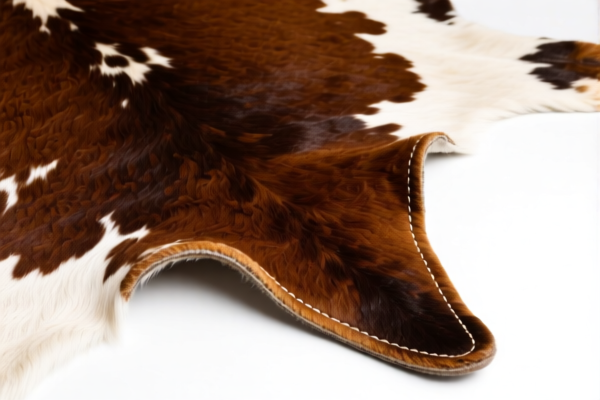
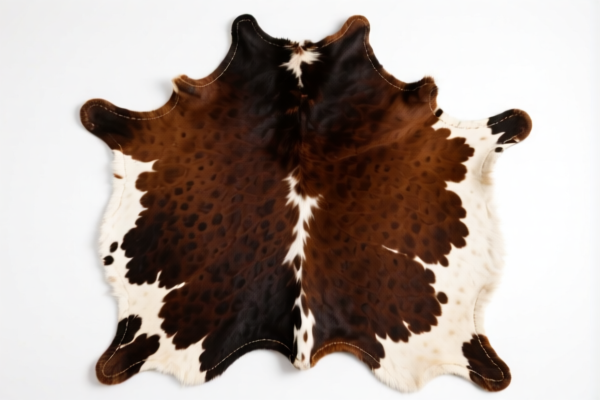
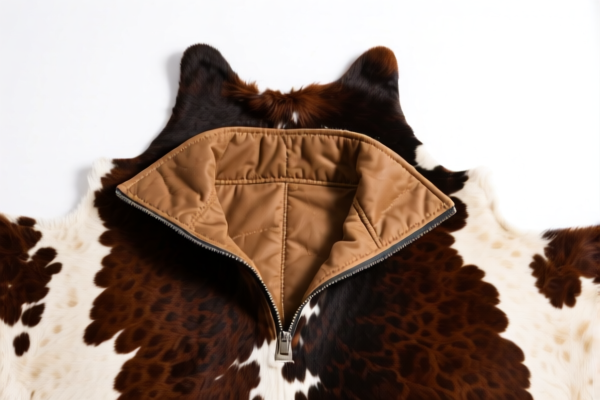
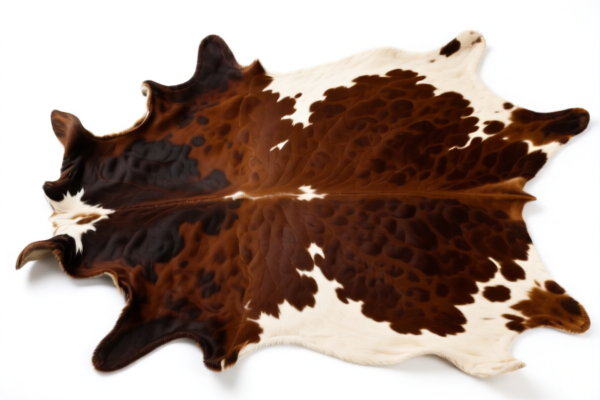
AI Analysis
👞 Cowhide Shoe Lining: HS Code Classification & US Customs Clearance Guide (2026 Edition)
🌐 HS Code Reference & Customs Clearance Strategy | 2026 Latest Tariff Analysis | Professional Level Entry Guide
📌 I. Product Definition & Classification: What is "Cowhide Shoe Lining"?
Cowhide shoe lining (often referred to as "shoe lining," "insole leather," or "upper lining") is a critical component in footwear manufacturing. It is not the final shoe, nor is it raw, unprocessed hide. It is processed leather specifically tailored for internal use.
In international trade, its classification depends heavily on the degree of processing and the specific characteristics of the leather:
Full-Grain Linings (Further Processed): Leather that has undergone tanning, drying, and potentially finishing processes to meet specific softness or aesthetic requirements for interiors. These often carry specific "sub-heading" characteristics (e.g., embossed, patterned, or heavily processed).
Composite/Basic Lining (Base Form): Leather that meets the basic definition of composite leather bases or standard tanned leather used as a substrate. These are often smoother, less decorated, and strictly functional.
⚠️ Key Distinction Point:
- If the leather has special features (e.g., specific patterns, heavy finishing, or is classified as "fancy leather" for interiors) → It often falls under 4113.90.30.00 or 4113.90.60.00.
- If the leather is a standard base for composite leather or simple lining without fancy features → It often falls under 4115.10.00.00.
- If it is already cut/stitched into a specific part (like a pre-made collar or heel counter) → It may be classified as a Leather Article under 4205.00.10.00.
📦 II. HS Code Classification Details (2026 Latest Tariff Authority对照)
| HS Code | Product Description | Applicable Scenario | Processing Level |
|---|---|---|---|
4113.90.30.00 |
Other Tanned Leather, Further Processed (e.g., Full-grain lining, specific finish) | High-quality, fully processed cowhide lining; "Further processed leather products" | ✅ High (Finished/Processed) |
4115.10.00.00 |
Other Leather, Base for Composite Leather | Standard cowhide lining acting as a substrate; "Meets base form requirements" | ✅ Medium (Base/Substrate) |
4113.90.60.00 |
Other Tanned Leather, Fancy Features | Cowhide lining with specific aesthetic traits (e.g., embossed, patterned); "Features of fancy leather" | ✅ High (Fancy/Decorated) |
4205.00.10.00 |
Other Leather Articles | Pre-formed interior parts (e.g., collars, heel stiffeners); "Leather articles for interiors" | ✅ N/A (Finished Article) |
4113.90.30.00 |
Other Tanned Leather, Further Processed | General cowhide interior parts; "Further processed leather products for interiors" | ✅ High (Finished/Processed) |
🔍 Key Reminder:
- Processing Degree is Key: The more "finished" the leather (dyed, waxed, embossed, cut to shape), the higher the likelihood it falls under 4113 (Fancy/Processed) or 4205 (Articles). - Substrate vs. Finished: If it’s just a plain, tanned sheet used as a base for composite leather, 4115.10.00.00 is the primary candidate. - Avoid Misclassification: Do not classify pre-sewn lining parts as "raw leather." They are "articles" (4205).
💰 III. 2026 Latest Tariff Rate Details (Including Additional Taxes & Policy Surcharges)
✅ Applicable Country: United States (US)
✅ Country of Origin: China (CN)
✅ Effective Date: From November 10, 2025 (including subsequent imports)
🎯 1. 4113.90.30.00 —— Tanned Leather, Further Processed (e.g., Full-Grain Lining)
| Item | Content |
|---|---|
| Base Duty Rate | 3.3% (Ad Valorem) |
| USITC Additional Duty (Section 301) | +25.0% |
| IEEPA Additional Duty (Section 122) | +10.0% |
| Total Effective Rate | 38.3% |
| Tax Calculation | CIF Value × 38.3% |
| De Minimis Exemption Eligible? | ❌ No (deny_de_minimis) |
| Legal Authority Path | Base: 4113.90.30.00 → USITC: 301_Tariff → IEEPA: 122_Tariff |
📌 Explanation:
- This code applies to further processed leather. The base rate is 3.3%, which is higher than raw hides. - Total Burden: 38.3% is a significant cost. Must be factored into landed cost calculations. - Legal Basis: Section 301 (25%) + Section 122/IEEPA (10%) are strictly applied to Chinese-origin leather products in this sub-heading.
🎯 2. 4115.10.00.00 —— Other Leather, Base for Composite Leather
| Item | Content |
|---|---|
| Base Duty Rate | 0.0% (Ad Valorem) |
| USITC Additional Duty (Section 301) | +25.0% |
| IEEPA Additional Duty (Section 122) | +10.0% |
| Total Effective Rate | 35.0% |
| Tax Calculation | CIF Value × 35.0% |
| De Minimis Exemption Eligible? | ❌ No (deny_de_minimis) |
| Legal Authority Path | Base: 4115.10.00.00 → USITC: 301_Tariff → IEEPA: 122_Tariff |
📌 Note:
- Lowest Base Rate: While the base duty is 0%, the total tax remains high (35%) due to附加 taxes. - Strategic Advantage: Compared to4113.90.30.00(38.3%), this saves 3.3%. If your product qualifies as a "base for composite leather," this is the optimal code. - Qualification: Ensure the leather is explicitly defined as a substrate/base and not a "fancy" finished product.
🎯 3. 4113.90.60.00 —— Tanned Leather, Fancy Features (e.g., Patterned/Embossed Lining)
| Item | Content |
|---|---|
| Base Duty Rate | 1.6% (Ad Valorem) |
| USITC Additional Duty (Section 301) | +25.0% |
| IEEPA Additional Duty (Section 122) | +10.0% |
| Total Effective Rate | 36.6% |
| Tax Calculation | CIF Value × 36.6% |
| De Minimis Exemption Eligible? | ❌ No (deny_de_minimis) |
| Legal Authority Path | Base: 4113.90.60.00 → USITC: 301_Tariff → IEEPA: 122_Tariff |
📌 Note:
- Middle Ground Rate: Total tax is 36.6%, between4115(35%) and4113.90.30(38.3%). - Fancy Features: Apply this if the lining has visual/texture enhancements (embossing, specific grain patterns) that classify it as "fancy" but not "further processed" in the same way as4113.90.30.
🎯 4. 4205.00.10.00 —— Other Leather Articles (e.g., Pre-formed Interior Parts)
| Item | Content |
|---|---|
| Base Duty Rate | 0.0% (Ad Valorem) |
| USITC Additional Duty (Section 301) | +25.0% |
| IEEPA Additional Duty (Section 122) | +10.0% |
| Total Effective Rate | 35.0% |
| Tax Calculation | CIF Value × 35.0% |
| De Minimis Exemption Eligible? | ❌ No (deny_de_minimis) |
| Legal Authority Path | Base: 4205.00.10.00 → USITC: 301_Tariff → IEEPA: 122_Tariff |
📌 Note:
- Same as Base Leather: Total tax is 35.0%. - Article vs. Raw Material: If you import pre-cut, pre-sewn, or pre-formed lining parts (like heel counters or collars), you must use this code. Do not try to classify them as "leather sheets" (4113/4115) to avoid penalties for misclassification.
🛠️ IV. Customs Clearance Practical Advice (Battle-Tested Pitfall Guide)
✅ 1. Documentation Checklist (Essential Documents)
| Document | Mandatory? | Purpose |
|---|---|---|
| ✅ Product Specification Sheet | ✔️ | Detail tanning process, finish type, dimensions, and intended use (lining vs. composite base). |
| ✅ High-Resolution Photos | ✔️ | Show surface texture, grain, and any finishing (embossing, dyeing). Crucial for distinguishing "Fancy" (4113.90.60) from "Base" (4115.10). |
| ✅ Commercial Invoice | ✔️ | Clearly state "Cowhide Lining" or "Leather Articles for Footwear." Avoid vague terms like "Leather Material." |
| ✅ Packing List | ✔️ | Show packaging details. Ensure consistency with invoice. |
| ✅ Certificate of Origin (CO) | ✔️ | Essential for applying correct trade remedies. Must clearly state "Made in China." |
| ✅ Test Reports (if available) | ✔️ | Chemical composition or tanning process reports can help prove if it's a "composite base" or "fancy leather." |
✅ 2. Declaration Strategy (Key Rules of Thumb)
🔥 "Process Defines Code, Finish Defines Tax, Articles Are Separate!"
| Scenario | Correct HS Code | Incorrect Code | Consequence |
|---|---|---|---|
| Plain, tanned sheets for composite leather base | 4115.10.00.00 (35.0%) |
4113.90.30.00 |
Overpaying 3.3% on base tax. |
| Finished, dyed, embossed lining sheets | 4113.90.30.00 (38.3%) or 4113.90.60.00 (36.6%) |
4115.10.00.00 |
Underpayment! Risk of penalties, back taxes, and seizure. |
| Pre-sewn heel counters/collars | 4205.00.10.00 (35.0%) |
4113.90.30.00 |
Misclassification of "Article" as "Raw Material." May trigger audits. |
| Mixed shipments (Sheets + Pre-formed Parts) | Split Declaration | Single Code | Major Error! Each item must be classified correctly. |
✅ 3. Special Circumstances Handling
| Situation | Recommendation |
|---|---|
| OEM Custom Lining | Provide design specs and sample photos. If it has unique patterns, lean toward 4113.90.60.00. |
| Composite Leather Base | Explicitly declare "Base for Composite Leather." Provide proof of intended use if requested. |
| Pre-Formed Parts | Do NOT declare as "Leather." Use 4205.00.10.00. Clear distinction between "Material" and "Article." |
| Duty Drawback Eligibility | If you import these to manufacture shoes and re-export them, investigate Duty Drawback opportunities to recover the 35-38.3% tariff. |
🌍 V. Global Market Comparison (2026 Latest)
| Country/Region | Recommended HS Code | Tariff (CN Origin) | Key Requirements | Notes |
|---|---|---|---|---|
| 🇺🇸 USA | 4115.10.00.00 / 4113.90.30.00 |
35.0% - 38.3% | None specific | High Tariffs! Section 301 + IEEPA apply. No de minimis. |
| 🇨🇳 China | 4115.10.00.00 / 4113.90.30.00 |
0.0% - 5.0% | None | Domestic trade. Low duties. |
| 🇪🇺 EU | 4115.10.00 / 4113.90.30 |
0.0% - 6.4% | REACH Compliance | No Section 301 equivalent. Lower burden. |
| 🇬🇧 UK | 4115.10.00 / 4113.90.30 |
0.0% - 6.4% | UKCA/REACH | Post-Brexit tariffs align closely with EU. |
| 🇦🇺 Australia | 4115.10.00 / 4113.90.30 |
0.0% - 5.0% | None | No major additional tariffs. |
📌 Conclusion:
- USA is the most challenging market for Chinese-origin cowhide lining due to the 35-38.3% total tariff. - EU/UK/Asia offer significantly lower duties, making them more cost-effective for sourcing or re-exporting. - Strategic Tip: If your target market is the US, consider supply chain diversification (e.g., sourcing from Vietnam or India if applicable) or Duty Drawback claims if you are a manufacturer exporting finished goods.
📌 VI. Common Mistakes & Pitfalls (Lessons Learned)
❌ Mistake 1: Classifying pre-sewn lining parts as "raw leather" (4113.90.30.00)
👉 Consequence: Misclassification penalty. "Articles" (4205) have different legal definitions.
❌ Mistake 2: Assuming "Lining" = "Low Tax"
👉 Consequence: Ignoring the 35-38.3% burden. Even with 0% base duty, the 35% total is substantial. Do not budget only for base rates.
❌ Mistake 3: Using "Fancy Leather" code (4113.90.60.00) for plain leather
👉 Consequence: Overpaying. If the leather has no special features, 4115.10.00.00 (35.0%) is cheaper than 4113.90.60.00 (36.6%).
❌ Mistake 4: Ignoring IEEPA 10% Tax
👉 Consequence: Budgeting errors. Many importers only budget for the 301 25% tariff, forgetting the additional 10% IEEPA charge. Total is always 35-38.3%.
✅ Correct Practice:
"Cowhide Lining, Tanned, Dyed, Unembossed, for Shoe Interiors, HS 4115.10.00.00, Origin: China"
OR
"Pre-formed Cowhide Heel Counters, HS 4205.00.10.00, Origin: China"
🎯 VII. Conclusion: Precision Classification Saves Money!
🎯 Remember the Mantra:
🔹 "Base vs. Fancy vs. Article: Check the Finish!"
🔹 "Total Tax is 35-38.3%: Budget for the Worst!"
🔹 "De Minimis Does Not Apply: Pay Up!"
📌 Pro Tip:
If your cowhide lining is non-Chinese origin (e.g., sourced from Italy, Brazil, or Thailand), you may be eligible for lower or zero tariffs in the US.
Action:
1. Verify Origin: Ensure CO states non-China if applicable.
2. Apply for Preferential Rates: Use correct HS Code to claim FTA benefits if applicable.
3. Pre-Ruling Request: Submit an Advance Ruling Request to CBP if your product’s classification is borderline between 4113 and 4115. This provides legal certainty for the 35-38.3% tax calculation.
📣 Immediate Action:
📞 Contact a Licensed Customs Broker + Provide Product Samples/Photos + Verify Tariff Application
🚀 Optimize Your Landed Cost, Ensure Compliance, and Protect Your Margins!
✨ Professional Clearance Starts with Accurate Classification!
💼 Every Percent Counts in Footwear Manufacturing!
Customer Reviews
About HS Code Classification
The Harmonized System (HS) is an internationally standardized nomenclature developed by the World Customs Organization (WCO) to classify traded products. Over 200 countries use the HS system as the basis for customs tariffs, trade statistics, and import/export regulations.
Each HS code follows a hierarchical structure:
- Chapter (2 digits) — Broad category of goods (e.g., Chapter 84: Machinery and Mechanical Appliances)
- Heading (4 digits) — More specific grouping within the chapter
- Subheading (6 digits) — Internationally standardized breakdown, used by all WCO member countries
- National subdivisions (8-10 digits) — Country-specific extensions for further classification, such as US HTSUS 10-digit codes
Correct HS code classification is essential for smooth customs clearance, accurate duty payment, and compliance with trade regulations. Misclassification can lead to customs delays, overpayment of duties, or penalties.
When importing from CN to US, the applicable tariff rates may include:
- Most-Favored-Nation (MFN) rate — The standard duty rate applied to WTO members
- General rate — Applied to countries without trade agreements
- Trade remedy duties — Additional tariffs such as Section 301 (anti-dumping), Section 232 (national security), or countervailing duties
The information provided on this page is for reference purposes only. For official classification, please consult with your local customs authority or a licensed customs broker.