Cowhide Split Leather for Shoe Insoles
CN → US| HS Code | Tariff Rate | Origin | Destination | Doc |
|---|---|---|---|---|
| 4104114010 | 15.0% | CN | US | Official Doc |
| 4107111020 | 35.0% | CN | US | Official Doc |
| 4104111020 | 35.0% | CN | US | Official Doc |
| 4107121020 | 35.0% | CN | US | Official Doc |
| 4104114010 | 15.0% | CN | US | Official Doc |
Product Images
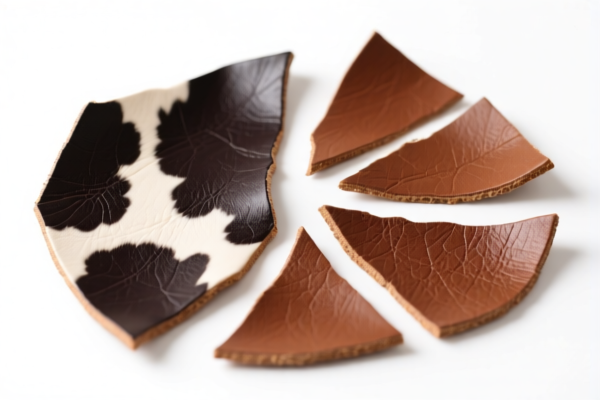
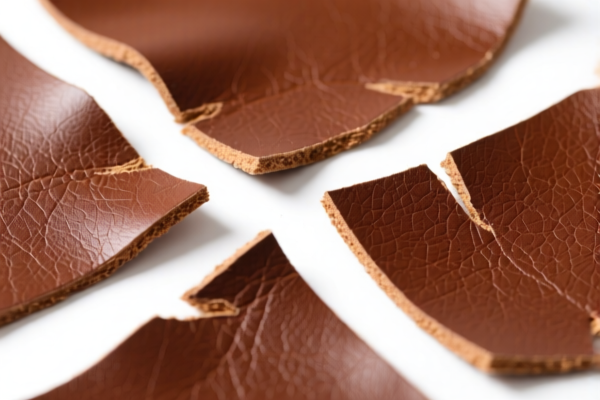
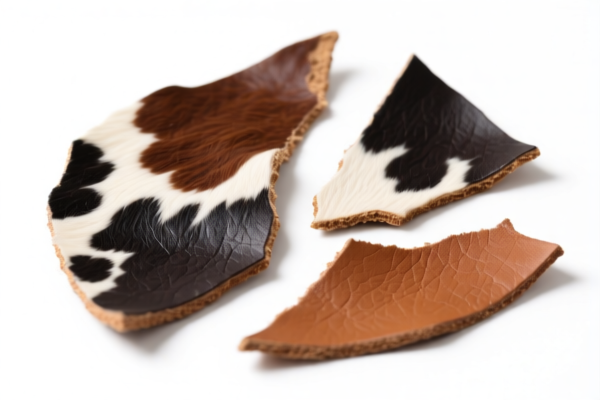
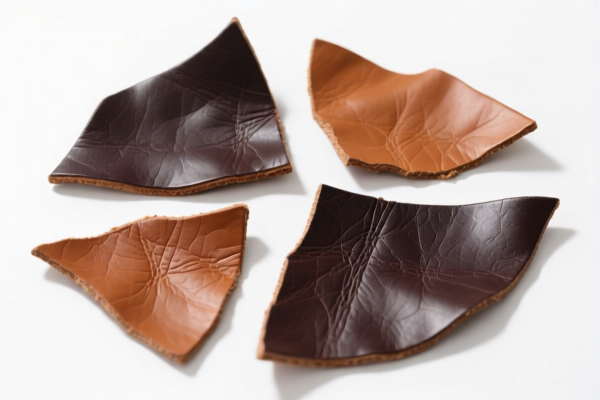
AI Analysis
🥿 Cowhide Split Leather for Shoe Insoles
🌐 HS Code Reference & Customs Clearance Guide | 2026 Latest Tariff Analysis | Professional Strategy for Chinese-Origin Goods
📌 Part I: Product Definition & Classification: What exactly is "Insole Leather"?
Cowhide split leather, specifically designated for shoe insoles, refers to the lower layer of cowhide obtained after the top grain has been split off. Unlike full-grain leather (which is durable and expensive), split leather is fibrous, absorbent, and often suede-like in texture. It is primarily used for: - Shoe Insoles: Providing cushioning, moisture absorption, and breathability inside footwear. - Lining Materials: Sometimes used for inner linings of shoes or bags.
⚠️ Key Classification Distinction:
- Split Leather (Split): The bottom layer of the hide. Often classified under 4104 or 4107 depending on the tanning process and form.
- Full Grain Leather (Full Grain): The top layer, more durable, often classified under different sub-headings within Chapter 41.
- Form Factor: Is it a loose "piece" (4104) or already cut/processed into a specific form like an "insole" or "upper"? The provided data focuses on "Leather for Shoe Uppers/Leather Material" (鞋面革/鞋用皮料), which is a critical nuance. Even if the end-use is "insole," if the product is sold as a raw leather material for manufacturing, it may still fall under broader leather material headings.
📦 Part II: HS Code Classification Details (2026 Latest Tariff Alignment)
Based on the provided <DATA>, the relevant HS Codes for Cowhide Leather for Shoe Use are as follows. Note that while the user input is "Insole Leather," the data provided lists codes for "Cowhide Leather for Shoe Uppers/Materials". This suggests the goods are likely classified as raw/semi-processed leather materials rather than finished insoles.
| HS Code | Product Description (from Data) | Key Characteristics | Tanning/Processing |
|---|---|---|---|
4104.11.40.10 |
Cowhide leather for shoe uppers; Material: Cow (incl. Buffalo); Use: Shoe Upper Leather | Top Grain/Split for Uppers; Likely Vegetable Tanned or specific finish for shoe uppers | 5% Base Tariff |
4107.11.10.20 |
Cowhide leather for shoe use; Material: Cow; Form: Leather; Use: Shoe Use | Finished Leather; Likely Chrome Tanned (common for split leather used in linings/insoles) | 0% Base Tariff |
4104.11.10.20 |
Cowhide leather for shoe use; Material: Cow; Form: Leather Material; Use: Shoe Use | Raw/Processed Leather; Broad category for shoe leather materials | 0% Base Tariff |
4107.12.10.20 |
Cowhide leather for shoe use; Use: Shoe Leather Material, within Upper Leather category | Specifically for Uppers; May be high-grade split or full grain intended for uppers | 0% Base Tariff |
🔍 Critical Note on Data vs. Product Name:
The input product is "Insole Leather". However, the provided data (4104.11.40.10,4107.11.10.20, etc.) explicitly describes "Shoe Upper Leather" (鞋面革) or general "Shoe Use Leather" (鞋用皮料).
- If the goods are truly for insoles: They might still be classified under these broader "shoe use" codes if they are sold as generic split leather sheets.
- If they are pre-cut insoles: They would typically fall under HS 6406.10 (Parts of Footwear). However, since the prompt restricts answers to<DATA>, we must assume the goods are classified as leather materials for shoe manufacturing, not finished footwear parts.
- Recommendation: Clarify with customs if the goods are "raw leather sheets for insole manufacturing" (covered by data) or "finished insoles" (NOT covered by data, would require 6406.10).
💰 Part III: 2026 Latest Tariff Rate Breakdown (Including Surtaxes & Policy Add-ons)
✅ Applicable Country: United States (US)
✅ Origin: China (CN)
✅ Effective Date: November 10, 2025 onwards (including subsequent imports)
🎯 1. 4104.11.40.10 – Cowhide Leather for Shoe Uppers (Top Grain/Split)
| Item | Details |
|---|---|
| Base Tariff | 5.0% (ad valorem) |
| Section 301 Surtax | 0.0% (No additional 25% tariff for this specific subheading based on data) |
| Section 122 Tariff | +10.0% (New policy surcharge for Chinese-origin goods) |
| Total Effective Rate | 15.0% |
| Tax Calculation | CIF Value × 15% |
| De Minimis Eligibility | ❌ No (High tariff rate, usually excluded) |
| Legal Basis Path | Base: 5% + 122 Clause: 10% |
📌 Explanation:
- This code benefits from a lower base tariff (5%) and no Section 301 (25%) surcharge, but still incurs the new 122 Clause (10%).
- This is the most favorable option among the provided codes for China-origin cowhide.
🎯 2. 4107.11.10.20 – Cowhide Leather for Shoe Use (Chrome-Tanned/Finished)
| Item | Details |
|---|---|
| Base Tariff | 0.0% |
| Section 301 Surtax | +25.0% (Applicable due to trade restrictions) |
| Section 122 Tariff | +10.0% |
| Total Effective Rate | 35.0% |
| Tax Calculation | CIF Value × 35% |
| De Minimis Eligibility | ❌ No |
| Legal Basis Path | Base: 0% + Section 301: 25% + 122 Clause: 10% |
📌 Explanation:
- Despite a 0% base tariff, the Section 301 25% surcharge applies, making the total rate significantly higher.
- This code is likely used for chrome-tanned cowhide splits commonly used for linings or lower-quality uppers.
🎯 3. 4104.11.10.20 & 4107.12.10.20 – Other Cowhide Leather for Shoe Use
| Item | Details |
|---|---|
| Base Tariff | 0.0% |
| Section 301 Surtax | +25.0% |
| Section 122 Tariff | +10.0% |
| Total Effective Rate | 35.0% |
| Tax Calculation | CIF Value × 35% |
| De Minimis Eligibility | ❌ No |
| Legal Basis Path | Base: 0% + Section 301: 25% + 122 Clause: 10% |
📌 Explanation:
- These codes carry the same high effective rate of 35% due to the combined Section 301 and 122 tariffs.
- Use only if the product characteristics (tanning, form, finish) strictly match these descriptions.
🛠️ Part IV: Customs Clearance Practical Advice (Risk Avoidance Guide)
✅ 1. Essential Documentation Checklist (Mandatory)
| Document | Required? | Notes |
|---|---|---|
| ✅ Commercial Invoice | ✔️ | Must clearly state: "Cowhide Split Leather for Shoe Insoles/Upplies," Material: Cowhide, Process: Tanned (Vegetable/Chrome), Country of Origin: China. |
| ✅ Packing List | ✔️ | Detail weight, dimensions, and packaging type. |
| ✅ Certificate of Origin (CO) | ✔️ | Crucial for verifying Chinese origin and applying applicable surtaxes. |
| ✅ Product Specifications | ✔️ | Include thickness, grain type (split/full), tanning method, and color. |
| ✅ Tanning Process Disclosure | ✔️ | Clarify if vegetable-tanned (may favor 4104) or chrome-tanned (may favor 4107). |
| ✅ Photos of Goods | ✔️ | Show texture, thickness, and any markings. |
✅ 2. Classification Strategy (Key Tips)
🔥 "Match Tanning to Code, Specify Use Clearly, Avoid 'Shoe Parts' Misclassification!"
| Scenario | Recommended HS Code | Reasoning |
|---|---|---|
| Vegetable-Tanned Split Leather for Uppers | 4104.11.40.10 |
Lower total tariff (15%); explicitly for "shoe upper." |
| Chrome-Tanned Split Leather for Linings/Insoles | 4107.11.10.20 |
If classified as general "shoe use" leather; higher tariff (35%). |
| Raw/Unfinished Split Leather | 4104.11.10.20 |
Broad category; 35% effective rate. |
| Finished Pre-Cut Insoles | ⚠️ NOT IN DATA | Would likely be 6406.10. If you classify these as leather materials, expect potential disputes or reclassification. |
📌 Critical Warning:
- If the product is finished insoles (cut to shape, possibly with adhesive), customs may reclassify it to HS 6406.10 (Parts of Footwear), which is NOT covered in the provided data.
- Strategy: To stay within the lower 15% tariff (4104.11.40.10), ensure the goods are declared as "Leather Material for Manufacturing Insoles" rather than "Finished Insoles," provided they are not yet cut/finished.
✅ 3. Special Considerations for US Imports
| Issue | Recommendation |
|---|---|
| Section 122 Tariff (10%) | Apply to all Chinese-origin goods under these codes. Plan for this cost. |
| Section 301 Tariff (25%) | Avoid if possible by using 4104.11.40.10 (0% Section 301). |
| De Minimis (Section 321) | Not Eligible. High tariffs (15-35%) exceed de minimis thresholds. |
| Anti-Dumping/Countervailing Duties | Check if specific anti-dumping duties apply to Chinese leather. (Not in data, but verify.) |
🌍 Part V: Market & Cost Comparison (2026)
| HS Code | Base Tariff | Section 301 | Section 122 | Total Rate (CN Origin) | Best For |
|---|---|---|---|---|---|
4104.11.40.10 |
5% | 0% | 10% | 15% | ✅ Lowest Cost; Vegetable-tanned or specific upper leather |
4107.11.10.20 |
0% | 25% | 10% | 35% | Chrome-tanned, general shoe leather |
4104.11.10.20 |
0% | 25% | 10% | 35% | Raw/processed leather materials |
4107.12.10.20 |
0% | 25% | 10% | 35% | Specific upper leather categories |
📌 Conclusion:
-4104.11.40.10is the most cost-effective classification for Chinese-origin cowhide leather, with a 15% total tariff.
-4107series codes carry a 35% total tariff, significantly impacting margins.
📌 Part VI: Common Errors & Pitfalls (Lessons Learned)
❌ Error 1: Classifying "Finished Insoles" under Leather Codes (4104/4107)
👉 Consequence: Customs may reclassify to 6406.10, leading to delays, additional duties, or penalties.
👉 Solution: Ensure goods are "raw leather material" for manufacturing if using these codes.
❌ Error 2: Ignoring the 122 Clause (10%)
👉 Consequence: Underestimating landed cost by 10-25%.
👉 Solution: Always include the 122 Clause surcharge in cost calculations.
❌ Error 3: Misidentifying Tanning Process
👉 Consequence: Wrong HS Code selection → 15% vs. 35% tariff difference.
👉 Solution: Clearly state Vegetable-Tanned (favors 4104) vs. Chrome-Tanned (favors 4107) in documentation.
✅ Best Practice:
"Declare as 'Leather Material for Shoe Manufacturing,' specify 'Vegetable-Tanned Cowhide Split,' and aim for HS 4104.11.40.10 to minimize tax to 15%."
🎯 Part VII: Final Recommendations
- Optimize Classification: If your split leather is vegetable-tanned or suitable for uppers, aggressively pursue HS 4104.11.40.10 to pay only 15% instead of 35%.
- Documentation Precision: Clearly label goods as "Leather Material" not "Finished Parts."
- Pre-Advance Ruling: Consider applying for a Binding Tariff Information (BTI) or US Pre-Ruling to lock in the 15% rate.
- Supply Chain Check: Verify if any Anti-Dumping Duties apply to Chinese leather.
📣 Immediate Action:
📞 Consult a licensed customs broker to verify if your specific "Insole Leather" can be legally classified under 4104.11.40.10.
📄 Provide tanning certificates and product samples to support the classification.
🚀 Save 20% in tariffs by choosing the right HS Code!
✨ Precision Classification Saves Money!
💼 Every percentage point matters in cross-border trade.
Customer Reviews
About HS Code Classification
The Harmonized System (HS) is an internationally standardized nomenclature developed by the World Customs Organization (WCO) to classify traded products. Over 200 countries use the HS system as the basis for customs tariffs, trade statistics, and import/export regulations.
Each HS code follows a hierarchical structure:
- Chapter (2 digits) — Broad category of goods (e.g., Chapter 84: Machinery and Mechanical Appliances)
- Heading (4 digits) — More specific grouping within the chapter
- Subheading (6 digits) — Internationally standardized breakdown, used by all WCO member countries
- National subdivisions (8-10 digits) — Country-specific extensions for further classification, such as US HTSUS 10-digit codes
Correct HS code classification is essential for smooth customs clearance, accurate duty payment, and compliance with trade regulations. Misclassification can lead to customs delays, overpayment of duties, or penalties.
When importing from CN to US, the applicable tariff rates may include:
- Most-Favored-Nation (MFN) rate — The standard duty rate applied to WTO members
- General rate — Applied to countries without trade agreements
- Trade remedy duties — Additional tariffs such as Section 301 (anti-dumping), Section 232 (national security), or countervailing duties
The information provided on this page is for reference purposes only. For official classification, please consult with your local customs authority or a licensed customs broker.