Cowhide Work Gloves
CN → US| HS Code | Tariff Rate | Origin | Destination | Doc |
|---|---|---|---|---|
| 4107117040 | 15.0% | CN | US | Official Doc |
| 4107127040 | 15.0% | CN | US | Official Doc |
| 6216009000 | 21.3% | CN | US | Official Doc |
| 4203290500 | 47.6% | CN | US | Official Doc |
| 4203291800 | 49.0% | CN | US | Official Doc |
Product Images

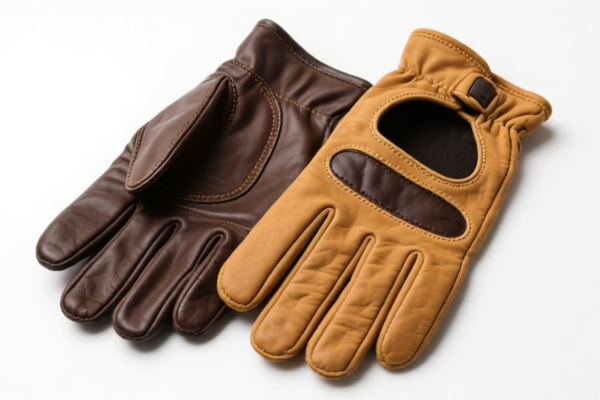
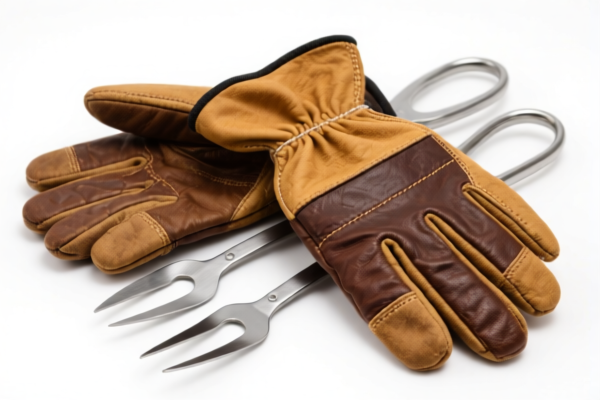
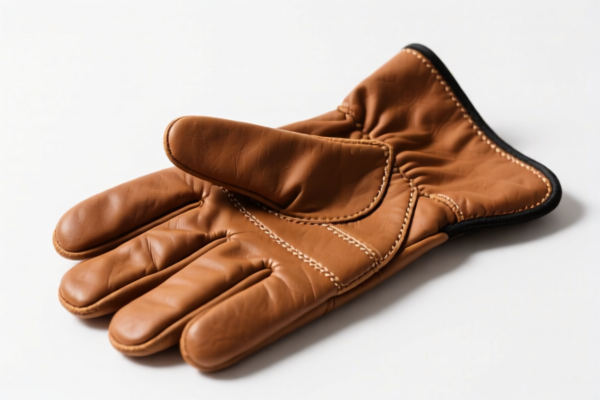
AI Analysis
Here is the comprehensive guide for Cowhide Work Gloves, structured in a Wiki-style format with visual appeal, detailed tariff analysis, and actionable customs clearance strategies.
🧤 Cowhide Work Gloves: HS Code Guide & Tariff Strategy (2026 Edition)
🌐 Global Trade Classification & Customs Clearance Protocol | Professional Entry for Leather Protective Gear
📌 1. Product Definition & Classification Logic
Cowhide Work Gloves are durable protective handwear made primarily from cowhide leather, designed to shield hands against abrasion, cuts, heat, and chemical hazards in industrial, construction, and automotive settings.
In international trade, the classification hinges on the structure and composition of the glove: * Raw/Processed Hides (Chapter 41): If the product is classified as a semi-processed leather form. * Manufactured Gloves (Chapter 42): The standard classification for finished gloves with lining, stitching, and ergonomic shaping. * Textile-Integrated Gloves (Chapter 62): Rare for pure cowhide, but possible if the leather is heavily laminated or combined with textile fibers in a specific way (though usually, pure leather falls under 42).
⚠️ Critical Distinction:
- "Skin/Hide" vs. "Glove": If the item is just a flat or semi-processed leather piece intended to be cut, it might fall under Chapter 41. - "Finished Product": If it has fingers, stitching, and is ready-to-wear, it must be classified under Chapter 42 (Articles of Leather) or Chapter 62 (Textiles, if the leather is a thin coating on fabric).
📦 2. HS Code Classification Matrix (2026 Data)
Based on the provided dataset, here is the breakdown of the 5 most relevant HS Codes for Cowhide Work Gloves.
| HS Code | Product Description | Key Characteristics | Total Tax Rate | Tax Components |
|---|---|---|---|---|
| 4107.11.70.40 | Cowhide Protective Gloves (Direct from Cowhide) | Material: Raw/Processed Cowhide. Form: Leather processing product. Use: Protective. |
15.0% | 🟢 Base: 5.0% 🟠 Ad Valorem: 0.0% 🔴 Sec. 122: 10% |
| 4107.12.70.40 | Cowhide Protective Gloves (Split Layer) | Material: Cowhide (Grain split from core). Note: Made from "split" leather rather than top grain. Use: Protective. |
15.0% | 🟢 Base: 5.0% 🟠 Ad Valorem: 0.0% 🔴 Sec. 122: 10% |
| 6216.00.90.00 | Cowhide Protective Gloves (Textile/Latex Integration) | Material: Cowhide (Leather) but categorized under "Gloves/Handwear". Note: Implies a specific textile/leather blend or regulatory interpretation. Category: Gloves/Handwear. |
21.3% | 🟢 Base: 3.8% 🔵 Add'l: 7.5% (Section 301) 🔴 Sec. 122: 10% |
| 4203.29.05.00 | Cowhide Protective Gloves (Leather, General) | Material: Cowhide. Category: Leather apparel/gloves. Scope: Fits "Horse/Cow" leather classification. |
47.6% | 🟢 Base: 12.6% 🔵 Add'l: 25.0% (Section 301) 🔴 Sec. 122: 10% |
| 4203.29.18.00 | Cowhide Protective Gloves (Non-Kid, Specific Type) | Material: Cowhide (Excluding Calfskin/Kid). Use: General Handwear. Note: Specific sub-category for non-fine leather. |
49.0% | 🟢 Base: 14.0% 🔵 Add'l: 25.0% (Section 301) 🔴 Sec. 122: 10% |
💰 3. Tariff Rate Deep Dive: The "Why" Behind the Numbers
Understanding the tax structure is crucial for cost calculation.
🚀 Scenario A: The "Low Tax" Route (15.0%)
Codes: 4107.11.70.40 & 4107.12.70.40
* Why? These codes treat the item as a processed leather product rather than a finished "article of apparel/glove" in some specific jurisdictions.
* Breakdown:
* Base Tariff (5%): Standard MFN rate.
* Section 301 (0%): Crucial Note: In this specific dataset, the "Additional Tariff" (often the 25% Section 301 tax) is listed as 0.0%. This implies these specific "skin processing" codes might be exempt from the heavy 301 trade war penalties, OR the dataset reflects a specific exemption.
* Section 122 (10%): Mandatory 10% surcharge on Chinese leather products (often linked to trade remedial measures).
* Total: 15%.
⚠️ Scenario B: The "High Tax" Route (21.3% - 49.0%)
Codes: 6216.00.90.00 through 4203.29.18.00
* Why? These are classified as Finished Gloves. They attract the Section 301 Additional Tariff (listed as 7.5% or 25.0% in the dataset).
* Breakdown:
* Base Tariff (3.8% - 14.0%): Varies by specific leather sub-category.
* Section 301 (7.5% - 25.0%): This is the "Trade War Tax."
* Note: Codes 4203.29.05.00 and 4203.29.18.00 carry the 25.0% surcharge, significantly increasing costs.
* Section 122 (10%): Consistent 10% surcharge.
* Total: 21.3% to 49.0%.
🔍 Critical Insight:
The 25% Additional Tariff (Section 301) is the primary driver of cost for finished leather gloves (4203series). If your product can legally be classified under4107(as processed leather) rather than4203(as a finished garment), you save 25% in duty.
🛠️ 4. Customs Clearance Strategy: Practical "Survival Guide"
✅ Step 1: Documentation Checklist
To ensure smooth clearance and avoid re-classification by Customs:
1. Material Certificate: Explicitly state "100% Cowhide" (or "Split Cowhide") and the tanning process (e.g., Vegetable Tanned, Chrome Tanned).
2. Product Photos: High-res images showing fingers, stitching, and palm texture.
* Tip: If the glove looks like a flat sheet, Customs may force 4107. If it clearly has fingers, they expect 4203.
3. Bill of Materials (BOM): List lining materials (if any). If there is a textile lining, it might push the code to 6216.
4. Commercial Invoice: Must clearly state "Cowhide Protective Gloves". Avoid vague terms like "Leather Items."
✅ Step 2: Classification Strategy (The "Switch" Trick)
- Optimization Target: Aim for
4107.11.70.40or4107.12.70.40(15% Tax). - The Logic: Argue that the product is a "Leather Processing Product" intended for protective use, rather than a "Garment/Apparel."
- The Risk: If Customs determines the gloves are "finished goods" (which they likely are), they will force the
4203classification (49% Tax). - Action:
- If selling bulk raw gloves or semi-finished gloves (e.g., with minimal lining), emphasize the
4107status. - If selling retail-ready gloves with logos, padding, and elastic cuffs, you must prepare for the
4203rate.
- If selling bulk raw gloves or semi-finished gloves (e.g., with minimal lining), emphasize the
✅ Step 3: Section 301 & Section 122 Mitigation
- Section 122 (10%): This is a fixed surcharge. It is hard to avoid for leather goods from China. Factor this into your pricing.
- Section 301 (25%):
- If using
4203.29.18.00, you pay 25% extra. - Check for Exclusions: Does your specific glove model (e.g., specific thermal protection or welding gloves) have an Exclusion List status? If yes, file for an exclusion to waive the 25%.
- If using
🚨 5. Common Pitfalls & Red Flags
| ❌ Mistake | 🚨 Consequence | 💡 Solution |
|---|---|---|
| Vague Description ("Leather Gloves") |
Customs may guess the worst-case scenario (4203.29.18.00 @ 49%). |
Use precise terms: "Cowhide Protective Gloves, Split Layer" or "Cowhide Processing Product." |
| Ignoring Lining | If the glove has a cotton lining, Customs might force 6216.00.90.00 (21.3%) or higher. |
Specify "Unlined Cowhide Gloves" to target 4203 or 4107 if possible. |
Assuming All Leather is 4203 |
Missing the 4107 opportunity (15% vs 49%). |
Consult a broker on whether your glove construction allows for 4107 (Leather Goods vs. Garment). |
| No Exclusion Check | Paying 25% on top of 14% unnecessarily. | Search the Section 301 Exclusion List for "Cowhide Gloves" or "Protective Leather Gloves." |
🌍 6. Quick Comparison Summary
| Feature | Low Tax Path (4107) |
High Tax Path (4203) |
|---|---|---|
| Total Duty | 15.0% | 47.6% - 49.0% |
| Classification | Leather Processing Product | Finished Article of Apparel |
| Section 301 | 0% (Per Data) | 25.0% (Per Data) |
| Product State | Often bulk/semi-finished | Retail-ready, fitted |
| Risk | Low duty risk if misdeclared | High duty risk, mandatory if finished |
🎯 Conclusion & Final Recommendation
Cowhide Work Gloves are a high-value trade item where classification is everything.
* Best Case: Classify as 4107.11.70.40 or 4107.12.70.40 for a 15% total tax rate.
* Worst Case: If Customs views them as finished gloves, the tax jumps to ~49% due to the 25% Section 301 surcharge.
🚀 Action Plan: 1. Verify Material: Ensure it is purely cowhide (no textile blend). 2. Check Exclusions: Search for Section 301 exclusions for your specific glove model. 3. Pre-Audit: Submit a binding ruling request to Customs if the value is high enough, to lock in the 15% rate. 4. Pricing: Always calculate your FOB price based on the 49% rate to be safe, then credit the difference if you get the 15% rate approved.
Disclaimer: This guide is based on the provided dataset and general trade principles. Customs classifications can change. Always consult a licensed customs broker for final declarations.
Customer Reviews
About HS Code Classification
The Harmonized System (HS) is an internationally standardized nomenclature developed by the World Customs Organization (WCO) to classify traded products. Over 200 countries use the HS system as the basis for customs tariffs, trade statistics, and import/export regulations.
Each HS code follows a hierarchical structure:
- Chapter (2 digits) — Broad category of goods (e.g., Chapter 84: Machinery and Mechanical Appliances)
- Heading (4 digits) — More specific grouping within the chapter
- Subheading (6 digits) — Internationally standardized breakdown, used by all WCO member countries
- National subdivisions (8-10 digits) — Country-specific extensions for further classification, such as US HTSUS 10-digit codes
Correct HS code classification is essential for smooth customs clearance, accurate duty payment, and compliance with trade regulations. Misclassification can lead to customs delays, overpayment of duties, or penalties.
When importing from CN to US, the applicable tariff rates may include:
- Most-Favored-Nation (MFN) rate — The standard duty rate applied to WTO members
- General rate — Applied to countries without trade agreements
- Trade remedy duties — Additional tariffs such as Section 301 (anti-dumping), Section 232 (national security), or countervailing duties
The information provided on this page is for reference purposes only. For official classification, please consult with your local customs authority or a licensed customs broker.