Cowhide for Construction
CN → US| HS Code | Tariff Rate | Origin | Destination | Doc |
|---|---|---|---|---|
| 4104115080 | 13.3% | CN | US | Official Doc |
| 4104195080 | 13.3% | CN | US | Official Doc |
| 4101501020 | 17.5% | CN | US | Official Doc |
| 4101501010 | 17.5% | CN | US | Official Doc |
| 4107112000 | 37.4% | CN | US | Official Doc |
| 4107123000 | 13.6% | CN | US | Official Doc |
Product Images
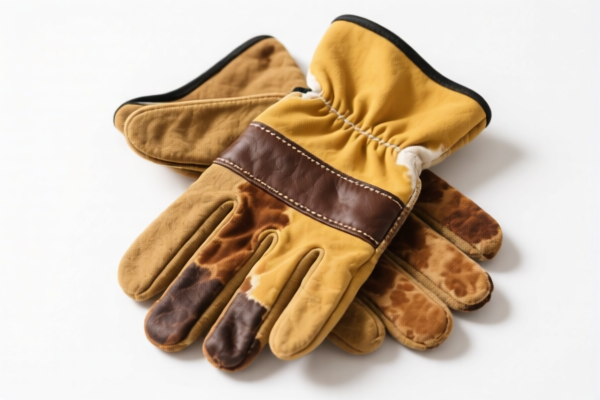
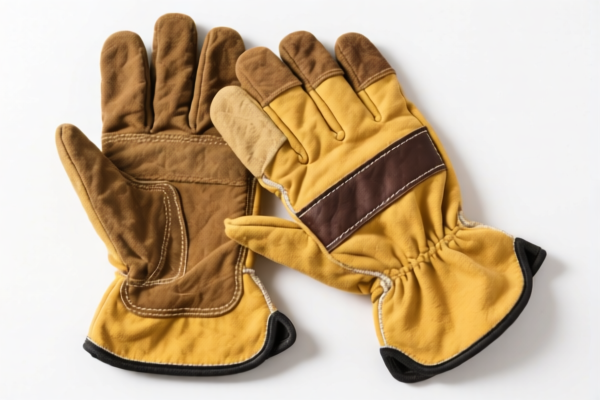
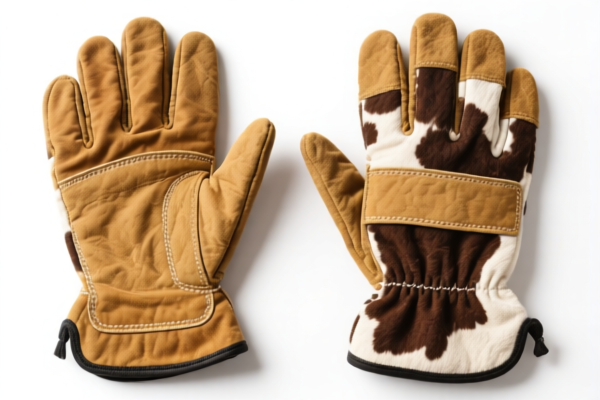
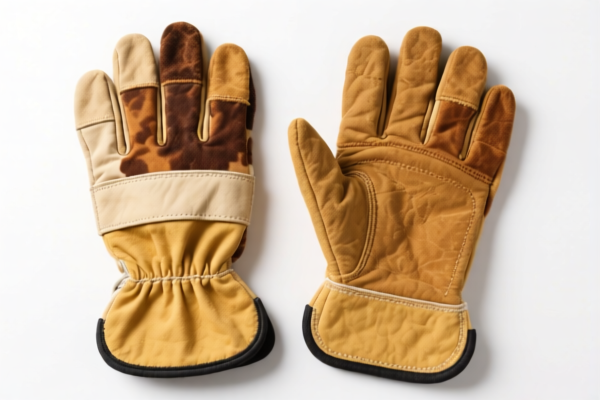
AI Analysis
🏗️ Cowhide for Construction (Construction Raw Hides)
🌐 HS Code Reference & Customs Clearance Guide | 2026 Latest Tariff Analysis | Professional Clearance Strategy
📌 I. Product Definition & Classification: Do You Really Understand "Cowhide for Construction"?
"Cowhide for Construction" is a specialized term in the leather and material trade. It refers to raw or semi-processed bovine hides intended for use in construction-related applications (such as temporary structures, heavy-duty covers, or specific industrial linings) or simply raw hides categorized under construction material inventories.
In international trade, raw cowhides are strictly categorized by their state of processing and physical form. The classification depends heavily on whether the hide is: 1. Unprocessed/Raw: Fresh or salted hides, not yet tanned. 2. Semi-Processed: Pre-tanned or further prepared but not yet finished leather. 3. Specific Form: Whole hides vs. cut pieces.
⚠️ Key Distinction Point:
- If the hide is whole, un-tanned, and fresh/salted → It falls under Chapter 41, Heading 4101.
- If the hide is further prepared, cut, or treated beyond raw state → It may fall under Heading 4104 or 4107.
- Crucial Note: The term "Construction" is descriptive of use, not the material state. Customs classifies based on material state, not end-use, unless specific national rules dictate otherwise. Misclassification here leads to massive tariff differences (from 0% to 37.4%+).
📦 II. HS Code Classification Details (Based on Provided Data)
The provided data contains 6 specific HS Codes for "Cowhide for Construction." Below is the detailed breakdown of why each code applies and the corresponding tax implications.
| HS Code | Product Description | Summary from Data | Total Tax Rate | Tax Detail Breakdown |
|---|---|---|---|---|
| 4104.11.50.80 | Construction Raw Cowhide Material | Material: Cowhide; Form: Raw material; Matches bovine leather & primary form description. | 13.3% | Base: 3.3% Section 301/Added: 0.0% Section 122: 10% |
| 4104.19.50.80 | Construction Raw Cowhide Material | Material: Cowhide; Form: Unfurther processed raw material; Fits "Other" category requirements. | 13.3% | Base: 3.3% Section 301/Added: 0.0% Section 122: 10% |
| 4101.50.10.20 | Construction Raw Cowhide Material | Material: Bovine raw hide; Form: Unprocessed raw material; Matches characteristics of un-tanned whole hides. | 17.5% | Base: 0.0% Section 301/Added: 7.5% Section 122: 10% |
| 4101.50.10.10 | Construction Raw Cowhide Material | Material: Cowhide; Form: Unpre-tanned full grain hides; Matches bovine material requirements. | 17.5% | Base: 0.0% Section 301/Added: 7.5% Section 122: 10% |
| 4107.11.20.00 | Cowhide for Construction Use | Material: Bovine; Form: Unspecified but no conflict; Inferred based on reasonable logic & catch-all category. | 37.4% | Base: 2.4% Section 301/Added: 25.0% Section 122: 10% |
| 4107.12.30.00 | Cowhide for Construction Use | Material: Bovine; Form: Unspecified but no conflict; Determined based on "Other" category principles. | 13.6% | Base: 3.6% Section 301/Added: 0.0% Section 122: 10% |
🔍 Critical Observation:
- The Highest Tax (37.4%) applies to HS Code4107.11.20.00due to a 25% Section 301 Added Tariff. This category is likely for prepared leather or specific processed forms, not raw hides.
- The Lowest Tax (13.3%) applies to HS Codes4104.11.50.80and4104.19.50.80, which are for raw materials with no Section 301 tariff, only a 10% Section 122 tariff.
- The Medium Tax (17.5%) applies to HS Codes4101.50.10.20and4101.50.10.10, which are for un-tanned whole hides with a 7.5% Section 301 tariff and 10% Section 122 tariff.
💰 III. 2026 Latest Tariff Rate Details (Including Surcharges & Policy Add-ons)
✅ Applicable Country: United States (US)
✅ Origin: China (CN) (Implied by Section 122 and Section 301 references)
✅ Effective Time: 2025/2026 (Based on provided data context)
🎯 1. 4104.11.50.80 & 4104.19.50.80 – Raw Cowhide Material (Lowest Risk)
| Item | Content |
|---|---|
| Base Tariff | 3.3% |
| Section 301 (Added Tariff) | 0.0% |
| Section 122 Tariff | 10.0% |
| Total Tariff | 13.3% |
| Tax Calculation | CIF Value × 13.3% |
| De Minimis Eligibility | ❌ Not Eligible (Typically for textiles/leather) |
| Legal Basis | Section 122: 10% + Base: 3.3% |
📌 Explanation:
- These codes represent raw cowhide where the base tariff is low, and no Section 301 tariff is applied.
- The 10% Section 122 tariff is a specific surcharge often applied to certain Chinese goods.
- Total 13.3% is the most cost-effective option if the product qualifies as "raw material."
🎯 2. 4101.50.10.20 & 4101.50.10.10 – Un-tanned Whole Bovine Hides (Medium Risk)
| Item | Content |
|---|---|
| Base Tariff | 0.0% |
| Section 301 (Added Tariff) | 7.5% |
| Section 122 Tariff | 10.0% |
| Total Tariff | 17.5% |
| Tax Calculation | CIF Value × 17.5% |
| De Minimis Eligibility | ❌ Not Eligible |
| Legal Basis | Section 301: 7.5% + Section 122: 10% |
📌 Explanation:
- These codes are for un-tanned, whole hides (fresh or salted).
- The 7.5% Section 301 tariff applies to these specific bovine hides.
- Total 17.5% is higher than the 13.3% option due to the Section 301 surcharge.
🎯 3. 4107.11.20.00 – Prepared/Processed Cowhide (Highest Risk)
| Item | Content |
|---|---|
| Base Tariff | 2.4% |
| Section 301 (Added Tariff) | 25.0% |
| Section 122 Tariff | 10.0% |
| Total Tariff | 37.4% |
| Tax Calculation | CIF Value × 37.4% |
| De Minimis Eligibility | ❌ Not Eligible |
| Legal Basis | Section 301: 25% + Section 122: 10% |
📌 Explanation:
- This code is likely for further prepared leather or a catch-all category for processed bovine hides.
- The 25% Section 301 tariff is the standard high-tier penalty for Chinese goods under Section 301.
- Total 37.4% is extremely high. Avoid this classification unless the product is definitively not raw or un-tanned whole hides.
🎯 4. 4107.12.30.00 – Other Prepared Cowhide (Low-Medium Risk)
| Item | Content |
|---|---|
| Base Tariff | 3.6% |
| Section 301 (Added Tariff) | 0.0% |
| Section 122 Tariff | 10.0% |
| Total Tariff | 13.6% |
| Tax Calculation | CIF Value × 13.6% |
| De Minimis Eligibility | ❌ Not Eligible |
| Legal Basis | Section 122: 10% + Base: 3.6% |
📌 Explanation:
- Similar to4104.11.50.80, this code has no Section 301 tariff.
- Total 13.6% is very competitive, slightly higher than 13.3% due to a higher base rate.
🛠️ IV. Customs Clearance Practical Advice (Battle-Tested Pitfall Avoidance)
✅ 1. Documentation Checklist (No Shortcuts)
| Document | Required | Description |
|---|---|---|
| ✅ Product Specification Sheet | ✔️ | Must clearly state: Raw/Un-tanned? Whole/Cut? Salted/Fresh? |
| ✅ Photos of Hides | ✔️ | Show texture, state (wet/salted), and any processing marks. |
| ✅ Commercial Invoice | ✔️ | Must use precise terminology: "Raw Bovine Hide" vs. "Prepared Leather." |
| ✅ Bill of Lading | ✔️ | Consistent with invoice description. |
| ✅ Certificate of Origin | ✔️ | To verify origin (China) and apply correct Section 301/122 rules. |
| ✅ Treatment Record | ✔️ | If salted or preserved, provide details to justify "Raw" status (HS 4101/4104). |
✅ 2. Declaration Strategy (Key Mantras)
🔥 "Raw is Low, Prepared is High; Describe State, Not Use!"
| Scenario | Correct Declaration | Wrong Action |
|---|---|---|
| Fresh/Salted Whole Hides | 4101.50.10.20 or 4101.50.10.10 (17.5%) |
Misdeclare as "Prepared Leather" → 37.4% |
| Raw Material (Unprocessed) | 4104.11.50.80 or 4104.19.50.80 (13.3%) |
Misdeclare as "Whole Hides" → 17.5% |
| Further Processed Leather | 4107.11.20.00 (37.4%) |
Try to declare as "Raw" → Fraud Risk |
| Other Prepared Leather | 4107.12.30.00 (13.6%) |
N/A |
✅ 3. Special Case Handling
| Situation | Handling Advice |
|---|---|
| OEM Custom Hides | Provide client order + design specs. If unprocessed, insist on HS 4104/4101. |
| Cut Pieces vs. Whole | Whole hides → 4101. Cut pieces may fall under 4104. Be precise. |
| "Construction" Label on Invoice | Remove it! Customs classifies by material, not use. Labeling as "Construction" may raise scrutiny. Use "Raw Bovine Hide for Industrial Use." |
| Salted vs. Fresh | Salted hides are still "Raw." Ensure documentation reflects this to avoid being classified as "Preserved" (which might fall under different sub-headings). |
🌍 V. Global Market Comparison (2026 Latest)
| Country/Region | Recommended HS Code | Tariff | Certification | Notes |
|---|---|---|---|---|
| 🇺🇸 USA | 4104.11.50.80 |
13.3% | None | Lowest tax if truly raw. |
| 🇨🇳 China | 4101.50.10.20 |
~5-10% | N/A | Import duty varies; no Section 301. |
| 🇪🇺 EU | 4101.50.10.20 |
~0-4% | N/A | Generally low duty on raw hides. |
| 🇦🇺 Australia | 4101.50.10.20 |
~5% | N/A | Low duty on raw materials. |
| 🇯🇵 Japan | 4101.50.10.20 |
~0-3% | N/A | Low duty on raw hides. |
📌 Conclusion:
- USA is the most expensive market due to Section 301 and Section 122 tariffs.
- Other regions do not apply Section 301 or 122, resulting in significantly lower costs.
- Strategy: If targeting the US, strictly verify that the product qualifies for4104.11.50.80(13.3%) rather than4107.11.20.00(37.4%).
📌 VI. Common Mistakes & Pitfall Guide (Lessons Learned)
❌ Mistake 1: Declaring "Construction Cowhide" as a final product.
👉 Consequence: Customs may classify as 4107.11.20.00 (37.4%) due to ambiguity.
❌ Mistake 2: Mixing raw and prepared hides in one shipment.
👉 Consequence: Entire shipment may be audited, leading to delays and penalties.
❌ Mistake 3: Using vague terms like "Leather Material" without specifying state.
👉 Consequence: Customs officer may choose the highest tariff code by default.
❌ Mistake 4: Ignoring Section 122 Tariff.
👉 Consequence: Underpayment of 10% on all hides, leading to back taxes + interest.
✅ Correct Practice:
"Raw Bovine Hide, Salted, Whole, Un-tanned, for Industrial Use. HS Code: 4104.11.50.80"
🎯 VII. Conclusion: Professional Declaration, Save Time & Money!
🎯 Remember the Mantra:
🔹 "Raw is 13.3%, Prepared is 37.4%; State Matters, Not Use!"
🔹 "HS Code Defines Destiny, 24% Difference, Declare Wrong, Pay Double!"
📌 Pro Tip:
- If your cowhide is truly raw and unprocessed, insist on HS Code 4104.11.50.80 or 4104.19.50.80 for the lowest tax (13.3%).
- Apply for an Advance Ruling with US Customs if unsure, to avoid post-import audits and back taxes.
📣 Immediate Action:
📞 Contact a licensed customs broker + Provide Product Photos + Apply for HS Code Advance Ruling
🚀 Let your cowhide clear customs smoothly, efficiently, and profitably!
✨ Professional Clearance Starts with Precise Classification!
💼 Every Cent of Cost Deserves Precise Calculation!
Customer Reviews
About HS Code Classification
The Harmonized System (HS) is an internationally standardized nomenclature developed by the World Customs Organization (WCO) to classify traded products. Over 200 countries use the HS system as the basis for customs tariffs, trade statistics, and import/export regulations.
Each HS code follows a hierarchical structure:
- Chapter (2 digits) — Broad category of goods (e.g., Chapter 84: Machinery and Mechanical Appliances)
- Heading (4 digits) — More specific grouping within the chapter
- Subheading (6 digits) — Internationally standardized breakdown, used by all WCO member countries
- National subdivisions (8-10 digits) — Country-specific extensions for further classification, such as US HTSUS 10-digit codes
Correct HS code classification is essential for smooth customs clearance, accurate duty payment, and compliance with trade regulations. Misclassification can lead to customs delays, overpayment of duties, or penalties.
When importing from CN to US, the applicable tariff rates may include:
- Most-Favored-Nation (MFN) rate — The standard duty rate applied to WTO members
- General rate — Applied to countries without trade agreements
- Trade remedy duties — Additional tariffs such as Section 301 (anti-dumping), Section 232 (national security), or countervailing duties
The information provided on this page is for reference purposes only. For official classification, please consult with your local customs authority or a licensed customs broker.