Cowhide for Furniture
CN → US| HS Code | Tariff Rate | Origin | Destination | Doc |
|---|---|---|---|---|
| 4104413060 | 12.4% | CN | US | Official Doc |
| 4101203500 | 19.9% | CN | US | Official Doc |
| 4104113010 | 12.4% | CN | US | Official Doc |
| 4101503500 | 19.9% | CN | US | Official Doc |
| 4107915000 | 12.8% | CN | US | Official Doc |
Product Images
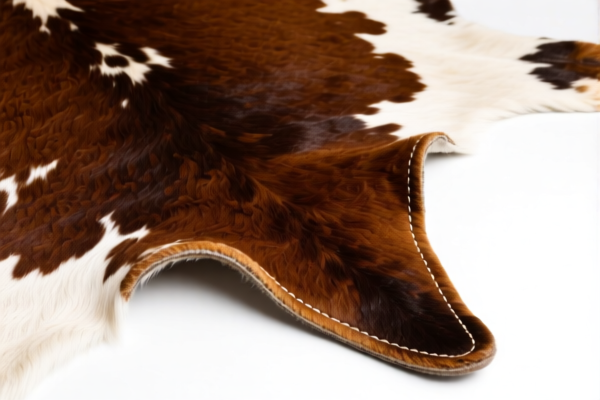
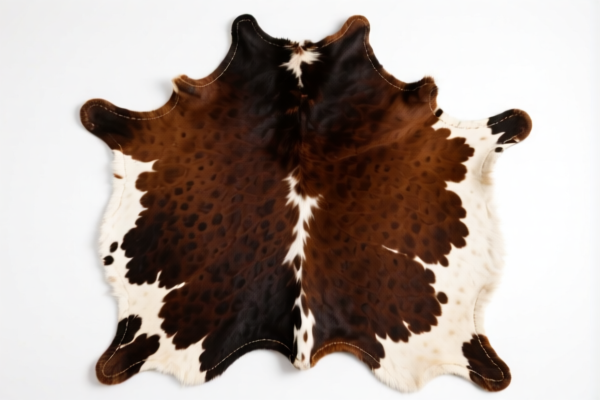
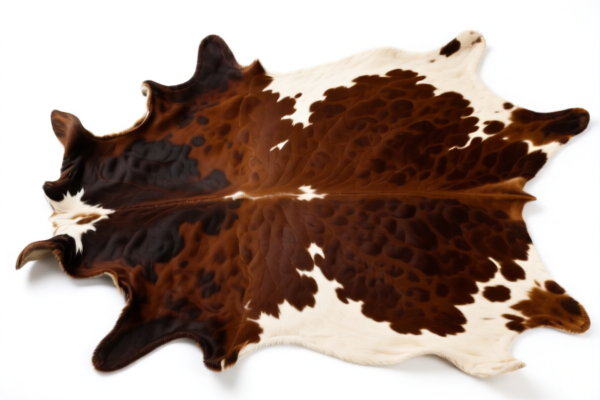
AI Analysis
🐃 Cowhide for Furniture (Leather Products)
🌐 HS Code Reference & Customs Clearance Guide | 2026 Latest Tariff Analysis | Professional Clearance Strategy
📌 I. Product Definition & Classification: Do You Really Understand "Furniture Cowhide"?
Cowhide intended for furniture manufacturing is a specialized category in international trade. It is critical to distinguish between Raw Hides (unprocessed, fresh, or salted) and Processed Leathers (tanned, dyed, or finished). The HS Code classification depends heavily on the processing stage, form (whole vs. split), and species.
⚠️ Key Distinction Points: - Raw Hides (4101 Series): Unprocessed, fresh, salted, or dried water buffalo/cattle hides. They retain their natural state. - Processed Leathers (4104 Series): Tanned, bleached, or dyed cowhide. If it has undergone tanning, it moves from Chapter 4101 to 4104. - Application Irrelevance: The intended use (e.g., for furniture) does not change the HS code if the physical characteristics (raw vs. tanned) dictate the classification.
📦 II. HS Code Classification Details (2026 Latest Tariff Authority Cross-Reference)
Based on the provided data, here are the valid HS Codes for "Whole Water Buffalo Hides for Furniture," categorized by their processing status:
| HS Code | Product Description | Key Characteristics | Taxation Profile |
|---|---|---|---|
4104.41.30.60 |
Processed Leather: Other whole cowhide (water buffalo), unsplit, full grain. | Matches material & whole shape; categorized under processed leather. | Total: 12.4% |
4101.20.35.00 |
Raw Hide: Whole water buffalo hides, of bovine species. | Raw form, unprocessed. Use (furniture) does not alter raw status. | Total: 19.9% |
4104.11.30.10 |
Processed Leather: Other cowhide, unsplit, full grain. | Matches material & whole shape; no conflict with intended use. | Total: 12.4% |
4101.50.35.00 |
Raw Hide: Whole water buffalo hides, other bovine species. | Raw form, unprocessed. Use does not conflict with raw attributes. | Total: 19.9% |
4107.91.50.00 |
Tanned Leather: Other whole cowhide, full grain, unsplit. | Material, form (full grain unsplit), and use (laying leather) match. | Total: 12.8% |
🔍 Important Note: - Codes starting with
4101refer to RAW HIDES. They are cheaper in duty but require strict hygiene/import controls. - Codes starting with4104or4107refer to PROCESSED/TAHNED LEATHER. These have undergone chemical treatment. - The "Furniture" label is a use-case, not a classification criterion. Customs looks at the physical state first.
💰 III. 2026 Latest Tariff Rate Breakdown (Including Surcharges & Policy Add-ons)
✅ Applicable Country: United States (US)
✅ Origin: China (CN)
✅ Effective Time: 2025/2026 Tariff Schedule
🎯 1. 4104.41.30.60 & 4104.11.30.10 —— Processed Cowhide (Water Buffalo)
| Item | Detail |
|---|---|
| Base Tariff | 2.4% |
| Section 301/Retaliatory Tariff | 0.0% |
| Section 122 Tariff | 10.0% |
| Total Effective Rate | 12.4% |
| Calculation Basis | CIF Value × 12.4% |
| Legal Basis | Harmonized Tariff Schedule (HTS) + Section 122 Authority |
📌 Explanation: - Base Rate (2.4%): Standard Most Favored Nation (MFN) rate for processed leather. - Section 122 (10%): A specific tariff provision often applied to textiles and leather goods under certain trade conditions. - No Section 301: Unlike electronics or steel, some leather categories may not be subject to the 25% Section 301 tariff, resulting in a significantly lower total duty.
🎯 2. 4101.20.35.00 & 4101.50.35.00 —— Raw Water Buffalo Hides
| Item | Detail |
|---|---|
| Base Tariff | 2.4% |
| Section 301/Retaliatory Tariff | 7.5% |
| Section 122 Tariff | 10.0% |
| Total Effective Rate | 19.9% |
| Calculation Basis | CIF Value × 19.9% |
| Legal Basis | HTS + Section 301 + Section 122 |
📌 Explanation: - Base Rate (2.4%): Standard rate for raw hides. - Section 301 (7.5%): Additional tariff imposed on certain Chinese-origin raw materials. - Section 122 (10%): Applies to raw hides as well. - Total 19.9%: Higher than processed leather in this specific dataset due to the additional 7.5% surcharge.
🎯 3. 4107.91.50.00 —— Tanned Leather (Full Grain)
| Item | Detail |
|---|---|
| Base Tariff | 2.8% |
| Section 301/Retaliatory Tariff | 0.0% |
| Section 122 Tariff | 10.0% |
| Total Effective Rate | 12.8% |
| Calculation Basis | CIF Value × 12.8% |
| Legal Basis | HTS + Section 122 |
📌 Explanation: - Slightly higher base rate (2.8%) than other processed codes. - No additional surcharges, keeping the total close to 12.4%. - Ideal for high-quality, full-grain leather used in premium furniture.
🛠️ IV. Customs Clearance Practical Advice (Pitfall Avoidance Guide)
✅ 1. Document Checklist (Essential)
| Document | Required | Description |
|---|---|---|
| ✅ Commercial Invoice | ✔️ | Must clearly state: "Whole Water Buffalo Hides," "Raw" or "Tanned," and "For Furniture Use." |
| ✅ Packing List | ✔️ | Specify quantity, weight, and number of hides. |
| ✅ Material Certificate | ✔️ | Prove species (Water Buffalo vs. Cattle) and processing status (Raw vs. Tanned). |
| ✅ Photos of Goods | ✔️ | Show texture, thickness, and any tanning marks. |
| ✅ USDA/APHIS Permit | ✔️ | Crucial for Raw Hides (4101 codes). Requires veterinary inspection and disease-free certification. |
| ✅ FDA/Form | ✔️ | If treated with certain chemicals, may require additional disclosure. |
✅ 2. Declaration Tips (Key Mnemonic)
🔥 "Raw Needs Permit, Tanned Needs Detail. Don't Mix Codes, Or You'll Pay More!"
| Scenario | Correct Declaration | Common Mistake |
|---|---|---|
| Raw Hides | 4101.20.35.00 |
Misdeclared as tanned leather → 19.9% vs 12.4% + Permits Missing |
| Tanned Leather | 4104.41.30.60 |
Misdeclared as raw → USDA Clearance Delay + 2.4% vs 2.8% Base |
| Mixed Shipments | Separate Entries | Combine raw and tanned → Customs Hold |
| Furniture Use | Mention in "Use" Field | Omit usage → No tariff change, but may trigger inspection |
✅ 3. Special Cases
| Case | Handling Advice |
|---|---|
| Split Leather | Not covered in this data. Split leather has different HS codes and potentially different tax rates. Ensure it is "Whole/Unsplit" if using above codes. |
| Chemical Treatment | If hides are chrom-tanned vs. vegetable-tanned, ensure chemical compliance with EPA regulations. |
| Origin Labeling | Clearly mark "Made in China" to apply correct Section 301/122 rates. |
🌍 V. Global Market Clearance Comparison (2026 Latest)
| Country/Region | Recommended HS Code | Tariff (Approx.) | Certification Requirement | Notes |
|---|---|---|---|---|
| 🇺🇸 USA | 4104.41.30.60 |
12.4% | USDA + EPA | High scrutiny on raw hides. |
| 🇨🇳 China | 4104.41.30.60 |
Varies (Import Duty) | CCC (if processed goods) | Export from China may have rebates. |
| 🇪🇺 EU | 4104.41.30.60 |
0% (Most MFN) | REACH (Chemical Compliance) | No Section 122 equivalent. |
| 🇬🇧 UK | 4104.41.30.60 |
0% | UKCA | Post-Brexit rules apply. |
📌 Conclusion: - USA is the most complex due to Section 122 and USDA requirements. - Raw Hides (
4101) attract higher duties (19.9%) and stricter biosecurity checks. - Processed Leathers (4104) are cheaper (12.4%) but require precise chemical documentation.
📌 VI. Common Errors & Pitfall Guide (Lessons Learned)
❌ Error 1: Declaring Raw Hides as Tanned Leather 👉 Consequence: USDA Permit Missing → Cargo held at port, potential fines, and destruction risk.
❌ Error 2: Declaring Tanned Leather as Raw Hides 👉 Consequence: Overpayment of Duty (19.9% vs 12.4%) + Unnecessary Biosecurity Checks.
❌ Error 3: Ignoring Section 122 👉 Consequence: Under-declaration of duty → Customs Audit + Back Taxes + Penalties.
❌ Error 4: Using "Cowhide" generically 👉 Consequence: Customs cannot determine processing stage → Classification Review Delay.
✅ Correct Practice:
"Whole Water Buffalo Hides, Tanned, Full Grain, Unsplit, For Furniture Use. HS: 4104.41.30.60. Origin: China."
🎯 VII. Conclusion: Precise Classification, Cost Savings, Smooth Clearance!
🎯 Remember the Mnemonic:
🔹 "Raw = USDA + 19.9% | Tanned = EPA + 12.4% | Furniture = Use Only"
🔹 "HS Code Decides Duty, Section 122 Adds 10%, Raw Hides Cost More!"
📌 Pro Tip: If you are exporting from China to the US, consider: 1. Pre-Ruling: Request a binding ruling from US CBP if unsure about processing status. 2. Documentation: Ensure invoices explicitly state "Tanned" or "Raw" to avoid ambiguity. 3. Suppliers: Verify if your supplier can provide USDA-compliant documentation for raw hides.
📣 Immediate Action:
📞 Contact a Licensed Customs Broker + Provide Product Specs + Apply for HS Code Pre-Ruling
🚀 Ensure your cowhide for furniture clears customs smoother, faster, and cheaper!
✨ Professional Clearance Starts with Accurate Classification!
💼 Every Penny Saved is a Profit Made!
Customer Reviews
About HS Code Classification
The Harmonized System (HS) is an internationally standardized nomenclature developed by the World Customs Organization (WCO) to classify traded products. Over 200 countries use the HS system as the basis for customs tariffs, trade statistics, and import/export regulations.
Each HS code follows a hierarchical structure:
- Chapter (2 digits) — Broad category of goods (e.g., Chapter 84: Machinery and Mechanical Appliances)
- Heading (4 digits) — More specific grouping within the chapter
- Subheading (6 digits) — Internationally standardized breakdown, used by all WCO member countries
- National subdivisions (8-10 digits) — Country-specific extensions for further classification, such as US HTSUS 10-digit codes
Correct HS code classification is essential for smooth customs clearance, accurate duty payment, and compliance with trade regulations. Misclassification can lead to customs delays, overpayment of duties, or penalties.
When importing from CN to US, the applicable tariff rates may include:
- Most-Favored-Nation (MFN) rate — The standard duty rate applied to WTO members
- General rate — Applied to countries without trade agreements
- Trade remedy duties — Additional tariffs such as Section 301 (anti-dumping), Section 232 (national security), or countervailing duties
The information provided on this page is for reference purposes only. For official classification, please consult with your local customs authority or a licensed customs broker.