Cowhide for Gloves
CN → US| HS Code | Tariff Rate | Origin | Destination | Doc |
|---|---|---|---|---|
| 4203290800 | 49.0% | CN | US | Official Doc |
| 4107127040 | 15.0% | CN | US | Official Doc |
| 4203291800 | 49.0% | CN | US | Official Doc |
| 4107117040 | 15.0% | CN | US | Official Doc |
| 6216009000 | 21.3% | CN | US | Official Doc |
| 4203290500 | 47.6% | CN | US | Official Doc |
Product Images
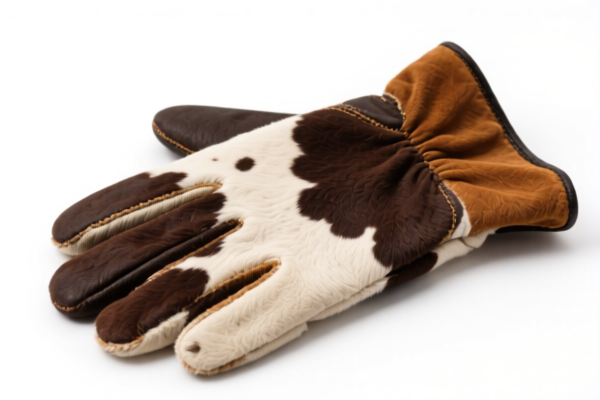
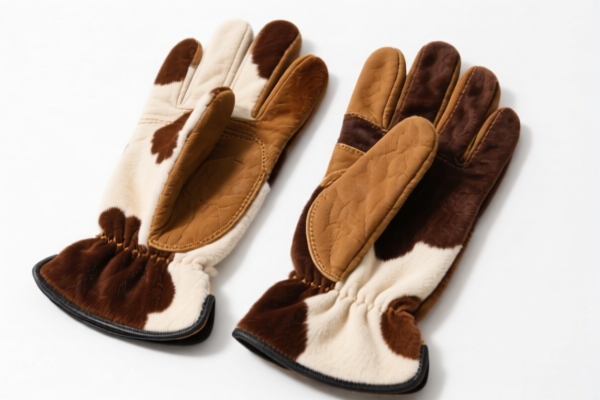


AI Analysis
🧤 Cowhide Gloves: HS Code Classification & Customs Clearance Guide (2026)
🌐 HS Code Reference & Clearance Strategy | 2026 Latest Tariff Analysis | Professional Compliance Guide
📌 I. Product Definition: What is "Cowhide for Gloves"?
"Cowhide for Gloves" refers to finished or semi-finished protective gloves made primarily from cowhide leather. In international trade, these items are not a single unified entity but are categorized based on specific use and material processing. Misclassification is common because similar-looking gloves fall into different chapters depending on whether they are "general clothing accessories" or "specialized protective equipment."
⚠️ Key Distinction Points:
- Protective vs. General Use: Gloves designed specifically for industrial protection, safety, or specific hazardous environments often fall under Chapter 42 (Articles of Leather).
- General Use: Gloves intended for casual wear, light duty, or general hand protection may fall under Chapter 41 (Leather) or Chapter 62 (Articles of Apparel).
- Material Specificity: The term "Cowhide" implies tanned leather. If it is raw or chrome-tanned specifically for glove manufacturing, the tariff codes differ significantly from finished glove assemblies.
📦 II. HS Code Classification Details (2026 Latest Tariff Authority Match)
Based on the provided data, here is the authoritative breakdown for Cowhide Gloves:
| HS Code | Product Description | Specific Use/Context | Total Tax Rate |
|---|---|---|---|
4203.29.08.00 |
Cowhide Protective Gloves | Protective Gloves (Heavy duty, industrial safety) | 49.0% |
4107.12.70.40 |
Cowhide Protective Gloves | Protective Gloves (Specific leather preparation/sub-category) | 15.0% |
4203.29.18.00 |
Cowhide Protective Gloves | Protective Gloves (Alternative sub-category for protection) | 49.0% |
4107.11.70.40 |
Cowhide Protective Gloves | Protective Gloves (Specific leather preparation/sub-category) | 15.0% |
6216.00.90.00 |
Cowhide Gloves | General Gloves (Apparel/Casual use, not specialized protection) | 21.3% |
4203.29.05.00 |
Cowhide Protective Gloves | Protective Gloves (Specific protective item) | 47.6% |
🔍 Critical Observation:
- High Tax Bracket (47.6% - 49.0%): Applies to most "Protective Gloves" under HS Codes4203.x9.xx.00.
- Medium Tax Bracket (15.0%): Applies to specific sub-categories under HS Codes4107.1x.70.40. Note: These often refer to specific types of tanned leather or specific protective classifications that may require precise documentation.
- Lowest Tax Bracket (21.3%): Applies to6216.00.90.00for general "Cowhide Gloves" not classified as "protective equipment" under Chapter 42.
💰 III. 2026 Latest Tariff Rate Breakdown (Including Surtaxes & Policy Add-ons)
✅ Applicable Country: United States (US)
✅ Origin: China (CN)
✅ Effective Date: Current regulations include IEEPA and Section 301 surcharges.
🎯 1. The High-Tax Category: 4203.29.08.00 & 4203.29.18.00 (Protective Gloves)
| Item | Content |
|---|---|
| Base Tariff | 14.0% |
| Section 301 Surcharge | 25.0% |
| Section 122 Tariff | 10.0% |
| Total Effective Rate | 49.0% |
| Tax Calculation | CIF Value × 49.0% |
| De Minimis Exemption? | ❌ No (Deny de minimis) |
| Legal Basis Path | USITC:4203.29.08.00 → Section 301: 25% → IEEPA/122: 10% |
📌 Explanation:
- The 14.0% base rate is the standard MFN (Most Favored Nation) duty for leather gloves.
- The 25.0% surcharge is the standard Section 301 tariff on Chinese goods.
- The 10.0% surcharge is the additional "122 Clause" tariff (often associated with specific trade remedies or emergency measures).
- Total Cost Impact: Nearly half the value is lost to tariffs. This makes these items highly sensitive to price changes.
🎯 2. The Medium-Tax Category: 4107.12.70.40 & 4107.11.70.40
| Item | Content |
|---|---|
| Base Tariff | 5.0% |
| Section 301 Surcharge | 0.0% |
| Section 122 Tariff | 10.0% |
| Total Effective Rate | 15.0% |
| Tax Calculation | CIF Value × 15.0% |
| De Minimis Exemption? | ❌ No |
| Legal Basis Path | USITC:4107.1x.70.40 → Section 122: 10% |
📌 Explanation:
- These codes appear to benefit from a 0% Section 301 surcharge, likely due to specific exclusions or different classification under Chapter 41 (Leather vs. Articles of Leather).
- However, the 10.0% Section 122 tariff still applies.
- Strategic Value: This is a 34% savings compared to the 49% bracket. Precise product description and material verification are crucial to qualify for this lower rate.
🎯 3. The General Category: 6216.00.90.00 (General Cowhide Gloves)
| Item | Content |
|---|---|
| Base Tariff | 3.8% |
| Section 301 Surcharge | 7.5% |
| Section 122 Tariff | 10.0% |
| Total Effective Rate | 21.3% |
| Tax Calculation | CIF Value × 21.3% |
| De Minimis Exemption? | ❌ No |
| Legal Basis Path | USITC:6216.00.90.00 → Section 301: 7.5% → Section 122: 10% |
📌 Explanation:
- Chapter 62 (Articles of Apparel) often has lower base rates than Chapter 42 (Articles of Leather) for gloves not deemed "protective."
- The 7.5% Section 301 is significantly lower than the 25% in Chapter 42.
- Risk: Misclassifying protective gloves as general apparel (6216) to save tax can lead to severe penalties if customs determines they are indeed protective gear.
🛠️ IV. Clearance Practical Advice (Real-World Pitfall Prevention)
✅ 1. Required Documentation List (Non-negotiable)
| Document | Must Provide | Purpose |
|---|---|---|
| ✅ Product Specification Sheet | ✔️ | Details material (Cowhide), lining, padding, and intended use (Industrial vs. Casual). |
| ✅ Product Photos (Labeled) | ✔️ | Show seams, thickness, and any safety markings (e.g., ANSI ratings). |
| ✅ Commercial Invoice | ✔️ | Must clearly state "Cowhide Gloves" and specific use. Vague terms like "Handwear" are risky. |
| ✅ Origin Certificate (CO) | ✔️ | Proof of Chinese origin to apply correct surcharges. |
| ✅ Packing List | ✔️ | Quantity and weight details. |
| ✅ Safety Certifications | ✔️ | If claiming "Protective," provide ANSI/ISEA or EN388 test reports. If not, provide standard commercial specs. |
✅ 2. Declaration Strategy (Key Mnemonic)
🔥 “Protective = 42, General = 62, Verify Leather = 41. Tax varies wildly!”
| Scenario | Correct HS Code | Risk if Misclassified |
|---|---|---|
| Industrial Safety Gloves (High impact, chemical resistance) | 4203.29.08.00 or 4203.29.18.00 |
If declared as 6216 → Audit, Penalty, Back Tax |
| Casual Leather Gloves (Fashion, light duty) | 6216.00.90.00 |
If declared as 4203 → Overpay Tax |
| Specific Tanned Leather Products (Qualifies for 15%) | 4107.12.70.40 |
Must prove material processing meets Chapter 41 criteria. |
✅ 3. Special Circumstances Handling
| Situation | Handling Advice |
|---|---|
| Mixed Materials | If gloves have cowhide palms but synthetic backs, customs may still classify based on the dominant material. Provide material % breakdown. |
| OEM/Private Label | Ensure the supplier’s declaration matches your invoice. Discrepancies cause delays. |
| Claiming 15% Rate | This is rare. Requires strict adherence to the specific description for 4107.1x.70.40. Consult a customs broker to validate if your product fits this narrow category. |
🌍 V. Global Market Comparison (2026)
| Country/Region | Recommended HS Code | Tariff (China Origin) | Notes |
|---|---|---|---|
| 🇺🇸 USA | 4203.29.08.00 |
49.0% | Highest due to Section 301 + 122. |
| 🇺🇸 USA (Alternative) | 6216.00.90.00 |
21.3% | Only if truly "General Apparel" and not "Protective." |
| 🇺🇸 USA (Niche) | 4107.12.70.40 |
15.0% | Specific leather classification, harder to qualify. |
| 🇪🇺 EU | 4203.21.00 |
~4% + VAT | No Section 301/122 equivalents. |
| 🇨🇳 China (Export) | Varies | 0% (Export Duty) | Check destination country's import rules. |
📌 Conclusion:
- The US market is the most challenging due to high cumulative tariffs (up to 49%).
- Classification is key: Moving from "Protective" (4203) to "General" (6216) can save 27.7% in tariffs, but only if the product genuinely fits the "general" definition.
- Professional Advice: Always seek an Advance Ruling from CBP if the use of the glove is ambiguous.
📌 VI. Common Errors & Pitfall Guide (Lessons Learned)
❌ Mistake 1: Labeling industrial safety gloves as "Fashion Cowhide Gloves" to avoid 49% tax.
👉 Consequence: Customs inspection reveals safety features (thick padding, reinforced knuckles, ANSI tags) → Penalties + Back Taxes + Seizure.
❌ Mistake 2: Using vague descriptions like "Leather Handwear."
👉 Consequence: Customs assigns the highest default rate or holds the shipment for clarification.
❌ Mistake 3: Ignoring the "Section 122" 10% surcharge.
👉 Consequence: Even if you get a lower base rate, you forget to account for the 10% add-on, leading to budget shortfalls.
❌ Mistake 4: Confusing 4107 (Leather) with 4203 (Articles of Leather).
👉 Consequence: 4107 often refers to the leather itself or specific processed goods, while 4203 is for finished gloves. Misclassification here affects the 15% vs. 49% rate.
✅ Correct Practice:
"Cowhide Leather Gloves, Safety Grade, ANSI/ISEA 105-2016 Compliant, for Industrial Use"
vs.
"Women’s Fashion Cowhide Leather Gloves, Lined, for Casual Wear"
🎯 VII. Conclusion: Precision Saves Money!
🎯 Remember the Golden Rules:
🔹 "Protective = 49% | General = 21.3% | Specific Leather = 15%"
🔹 "HS Code is not just a number; it’s your profit margin."
🔹 "If it’s for safety, it’s Chapter 42. If it’s for style, it’s Chapter 62."
📌 Pro Tip:
If your gloves are originally from Vietnam, India, or Thailand, check for Free Trade Agreement (FTA) benefits. However, if they are made in China, the 49% rate for protective gloves is nearly unavoidable unless a specific exclusion applies.
Recommendation: Apply for a CBP Advance Ruling before shipping to lock in the correct HS Code and avoid surprise costs at the port.
📣 Take Action Now:
📞 Engage a licensed Customs Broker
📸 Provide clear product photos and specs
🚀 Secure your supply chain with accurate compliance!
✨ Professional Clearance, Start with Accurate Classification!
💼 Every percentage point of tariff is a point of profit lost or saved!
Customer Reviews
About HS Code Classification
The Harmonized System (HS) is an internationally standardized nomenclature developed by the World Customs Organization (WCO) to classify traded products. Over 200 countries use the HS system as the basis for customs tariffs, trade statistics, and import/export regulations.
Each HS code follows a hierarchical structure:
- Chapter (2 digits) — Broad category of goods (e.g., Chapter 84: Machinery and Mechanical Appliances)
- Heading (4 digits) — More specific grouping within the chapter
- Subheading (6 digits) — Internationally standardized breakdown, used by all WCO member countries
- National subdivisions (8-10 digits) — Country-specific extensions for further classification, such as US HTSUS 10-digit codes
Correct HS code classification is essential for smooth customs clearance, accurate duty payment, and compliance with trade regulations. Misclassification can lead to customs delays, overpayment of duties, or penalties.
When importing from CN to US, the applicable tariff rates may include:
- Most-Favored-Nation (MFN) rate — The standard duty rate applied to WTO members
- General rate — Applied to countries without trade agreements
- Trade remedy duties — Additional tariffs such as Section 301 (anti-dumping), Section 232 (national security), or countervailing duties
The information provided on this page is for reference purposes only. For official classification, please consult with your local customs authority or a licensed customs broker.