Cowhide for Leather Industry
CN → US| HS Code | Tariff Rate | Origin | Destination | Doc |
|---|---|---|---|---|
| 4107111020 | 35.0% | CN | US | Official Doc |
| 4107115000 | 12.8% | CN | US | Official Doc |
| 4113903000 | 38.3% | CN | US | Official Doc |
| 4113906000 | 36.6% | CN | US | Official Doc |
| 4104114010 | 15.0% | CN | US | Official Doc |
Product Images
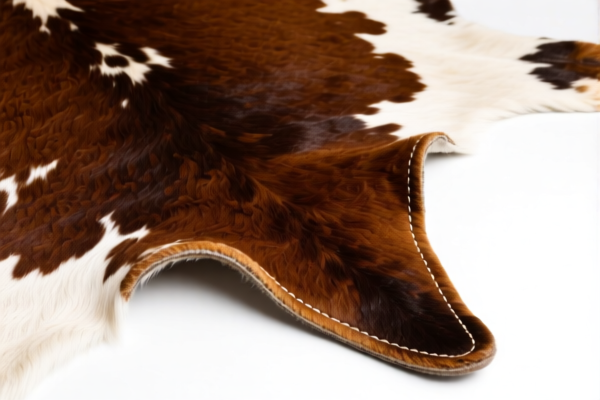
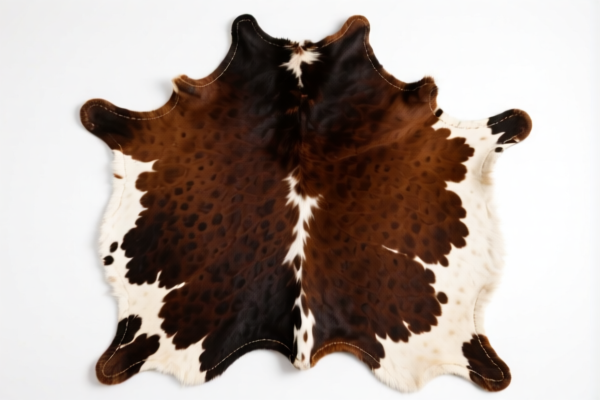
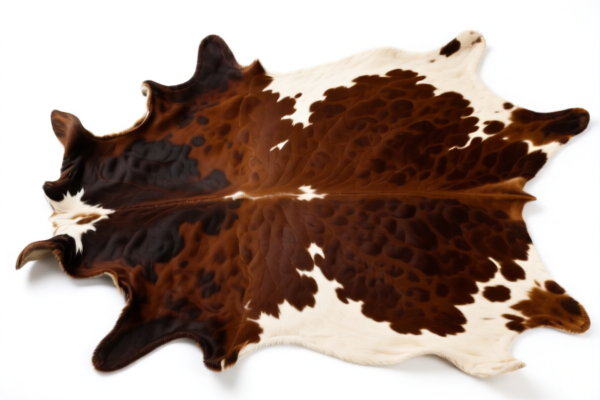
AI Analysis
🐄 Cowhide for Leather Industry (Raw & Processed Leather)
🌐 HS Code Reference & Customs Clearance Guide | 2026 Latest Tariff Analysis | Professional Clearance Strategy
📌 I. Product Definition & Classification: Do You Really Understand "Cowhide"?
Cowhide, the primary raw material for the global leather industry, is categorized in international trade based on its state of processing and specific application. It is not a single commodity but a spectrum ranging from fresh hides to finished handcrafted leather. In international trade, it is primarily divided into two categories:
1. Industrial Grade Whole Cowhide: Raw or semi-processed whole hides, typically used for mass-produced industrial goods (shoes, bags, upholstery). 2. Handcrafted/Specialty Cowhide: Processed leather with specific characteristics (full-grain, exotic patterns, non-floral) intended for high-end handmade goods or specialized applications.
⚠️ Key Distinction Point:
- If the leather is whole, uncut, and used for industrial mass production → Check codes under 4107.x1.10/50 or 4104.11.40.
- If the leather is processed for handcrafting, has specific surface traits, or is non-floral → Check codes under 4113.90.30/60.
📦 II. HS Code Classification Details (2026 Latest Tariff Authority Comparison)
Based on the provided data, here is the precise mapping of Cowhide types to their HS Codes and Tax Rates:
| HS Code | Product Description | Application Scenario | Tax Rate (Total) | Tax Breakdown |
|---|---|---|---|---|
4107.11.10.20 |
Industrial-grade whole cowhide, material: Cowhide, form: Whole Hide | Mass industrial production (shoes, belts, generic leather goods) | 35.0% | Base: 0.0% + Add-on: 25.0% + Sec 301/122: 10% |
4107.11.50.00 |
Industrial-grade whole cowhide, Full-grain, Whole Hide, Bovine Definition | Premium industrial leather, full-grain definition, standard bovine hides | 12.8% | Base: 2.8% + Add-on: 0.0% + Sec 301/122: 10% |
4113.90.30.00 |
Cowhide for handcrafting, Processed leather characteristics, Non-floral leather | Handmade shoes, artisan bags, specialty non-patterned leather | 38.3% | Base: 3.3% + Add-on: 25.0% + Sec 301/122: 10% |
4113.90.60.00 |
Cowhide for handcrafting, Other animal leather materials, Floral/Patterned leather | Embossed leather, floral patterns, exotic-style bovine leather | 36.6% | Base: 1.6% + Add-on: 25.0% + Sec 301/122: 10% |
4104.11.40.10 |
Cowhide for handcrafting, Tanned or semi-tanned leather, Other categories (Catch-all) | General tanned leather not fitting other specific handcraft definitions | 15.0% | Base: 5.0% + Add-on: 0.0% + Sec 301/122: 10% |
🔍 Key Reminder:
- "Industrial" vs. "Handcraft": The term "Handcraft" (手工用) in codes4113does not necessarily mean it is made by hand, but that it is classified under the heading for leather used in the handcraft sector (often implying higher value-added processing or specific surface treatments) compared to standard industrial hides. - "Whole Hide" (整张): Codes4107specifically require the hide to be whole. If cut into panels, it may fall under different subheadings not listed here. - Floral vs. Non-Floral: In4113, "Floral" (花式) refers to embossed or patterned surfaces, while "Non-floral" (非花式) refers to natural or smooth grain.
💰 III. 2026 Latest Tariff Rate Explanation (Including Surcharges & Policy Add-ons)
✅ Applicable Country: United States (US)
✅ Origin: China (CN)
✅ Effective Date: 2025-11-10 onwards (Including subsequent imports)
🎯 1. 4107.11.10.20 —— Industrial Whole Cowhide (Base 0%)
| Item | Content |
|---|---|
| Base Tariff | 0% (Ad Valorem) |
| USITC Add-on Tariff | +25% (From USITC Footnote regarding Section 301) |
| IEEPA Add-on Tariff (Sec 122/301) | +10% (Targeting China/HK products, effective 2025-11-10) |
| Total Rate | 35.0% |
| Tax Calculation | CIF Value × 35% |
| De Minimis Exemption | ❌ Not Eligible (deny_de_minimis) |
| Legal Basis Path | IEEPA:9903.01.25 → IEEPA:9903.01.24 → USITC:4107.11.10.20 → FOOTNOTE:301 |
📌 Explanation:
- This code attracts the highest base surcharge (25%) because it is classified under industrial hides with no preferential base rate. - The +10% IEEPA tax is a fixed penalty for Chinese-origin goods in this category. - Total 35% is significant for raw materials, eroding margin for low-cost industrial leather.
🎯 2. 4107.11.50.00 —— Industrial Full-Grain Whole Cowhide (Base 2.8%)
| Item | Content |
|---|---|
| Base Tariff | 2.8% (Ad Valorem) |
| USITC Add-on Tariff | 0% (No Section 301 surcharge for this specific subheading) |
| IEEPA Add-on Tariff (Sec 122/301) | +10% (Targeting China/HK products) |
| Total Rate | 12.8% |
| Tax Calculation | CIF Value × 12.8% |
| De Minimis Exemption | ❌ Not Eligible |
| Legal Basis Path | IEEPA:9901.25 → IEEPA:9903.01.24 → USITC:4107.11.50.00 → NO_ADDITIONAL_FOOTNOTE |
📌 Note:
- This is the most cost-effective code for industrial leather! - Why? It benefits from a 0% Section 301 surcharge, likely due to specific trade agreements or commodity classifications for "full-grain" definitions. - Strategy: If your product qualifies as "Full-Grain, Whole Hide," always use this code to save 22% in tariffs compared to4107.11.10.20.
🎯 3. 4113.90.30.00 —— Handcraft Non-Floral Cowhide (Base 3.3%)
| Item | Content |
|---|---|
| Base Tariff | 3.3% (Ad Valorem) |
| USITC Add-on Tariff | +25% (Section 301 surcharge applies) |
| IEEPA Add-on Tariff (Sec 122/301) | +10% (Targeting China/HK products) |
| Total Rate | 38.3% |
| Tax Calculation | CIF Value × 38.3% |
| De Minimis Exemption | ❌ Not Eligible |
| Legal Basis Path | IEEPA:9903.01.25 → IEEPA:9903.01.24 → USITC:4113.90.30.00 → FOOTNOTE:301 |
📌 Explanation:
- High total tax due to the 25% Section 301 surcharge on top of a small base rate. - "Non-floral" means natural grain or smooth finish. Avoid this code if possible unless the product strictly matches this description, as it is the highest taxed code in the list.
🎯 4. 4113.90.60.00 —— Handcraft Floral/Patterned Cowhide (Base 1.6%)
| Item | Content |
|---|---|
| Base Tariff | 1.6% (Ad Valorem) |
| USITC Add-on Tariff | +25% (Section 301 surcharge applies) |
| IEEPA Add-on Tariff (Sec 122/301) | +10% (Targeting China/HK products) |
| Total Rate | 36.6% |
| Tax Calculation | CIF Value × 36.6% |
| De Minimis Exemption | ❌ Not Eligible |
| Legal Basis Path | IEEPA:9903.01.25 → IEEPA:9903.01.24 → USITC:4113.90.60.00 → FOOTNOTE:301 |
📌 Note:
- "Floral" (花式) refers to embossed, pebbled, or patterned leather. - Slightly lower than4113.90.30.00due to a lower base rate (1.6% vs 3.3%), but still subject to the heavy 25% surcharge.
🎯 5. 4104.11.40.10 —— Handcraft Tanned Leather (Catch-All) (Base 5.0%)
| Item | Content |
|---|---|
| Base Tariff | 5.0% (Ad Valorem) |
| USITC Add-on Tariff | 0% (No Section 301 surcharge for this subheading) |
| IEEPA Add-on Tariff (Sec 122/301) | +10% (Targeting China/HK products) |
| Total Rate | 15.0% |
| Tax Calculation | CIF Value × 15.0% |
| De Minimis Exemption | ❌ Not Eligible |
| Legal Basis Path | IEEPA:9901.25 → IEEPA:9903.01.24 → USITC:4104.11.40.10 → NO_ADDITIONAL_FOOTNOTE |
📌 Note:
- This is the second most cost-effective code (15.0%). - Use this for tanned leather that doesn't fit the "full-grain whole hide" definition of4107.11.50.00but isn't specifically "handcraft floral/non-floral" under4113. - Crucial: No 25% Section 301 surcharge applies here!
🛠️ IV. Customs Clearance Practical Advice (Real-World Pitfall Guide)
✅ 1. Documentation Checklist (Must-Have)
| Document | Required | Description |
|---|---|---|
| ✅ Product Specification Sheet | ✔️ | Must specify: Full-grain vs. Split, Tanning method (Vegetable/Chrome), Finish (Natural/Embossed) |
| ✅ HS Code Justification Letter | ✔️ | Explain why it fits 4107 (Industrial/Whole) vs. 4113 (Handcraft/Processed) |
| ✅ Product Photos (Front/Back) | ✔️ | Clear images showing grain texture, edges, and any embossing patterns |
| ✅ Commercial Invoice | ✔️ | Must clearly state "Cowhide for Leather Industry" and specify "Whole Hide" if using 4107 codes |
| ✅ Certificate of Origin (CO) | ✔️ | Essential for proving Chinese origin to apply IEEPA taxes correctly |
| ✅ Packing List | ✔️ | Must confirm items are whole hides, not cut panels |
✅ 2. Declaration Tips (Key Mantra)
🔥 "Whole Hide vs. Cut, Full-Grain Saves 25%, Handcraft Has Patterns!"
| Scenario | Correct Declaration | Wrong Declaration |
|---|---|---|
| Industrial Whole Hide, No Full-Grain Claim | 4107.11.10.20 (35%) |
Misdeclare as 4107.11.50.00 → Penalty + Back Taxes |
| Industrial Whole Hide, Full-Grain | 4107.11.50.00 (12.8%) |
Misdeclare as 4107.11.10.20 → Overpay 22% |
| Processed Leather, Natural Grain | 4113.90.30.00 (38.3%) |
Misdeclare as 4104 → 15% vs 38.3% Risk |
| Embossed/Patterned Leather | 4113.90.60.00 (36.6%) |
Misdeclare as 4113.90.30.00 → 38.3% (Higher Tax) |
| General Tanned Leather (Catch-All) | 4104.11.40.10 (15%) |
Misdeclare as 4107 → 12.8% vs 35% Risk |
✅ 3. Special Handling
| Situation | Handling Advice |
|---|---|
| OEM Custom Leather | Provide client specs + sample photos. Ensure "Full-Grain" claim is backed by factory certification to justify 4107.11.50.00 |
| Embossed Leather | Must declare as "Floral/Patterned" (4113.90.60.00). Do not try to hide the pattern to avoid the 25% surcharge → High Audit Risk |
| Split Leather vs. Full-Grain | Only Full-Grain can claim 4107.11.50.00. Split leather must go to 4104 or 4113 depending on use |
| Mixed Shipments | Do NOT mix "Whole Hides" with "Cut Panels" in one HS Code declaration. Split into separate line items |
🌍 V. Global Market Comparison for Cowhide (2026 Latest)
| Country/Region | Recommended HS Code | Tariff Rate | Certification | Notes |
|---|---|---|---|---|
| 🇺🇸 USA | 4107.11.50.00 |
12.8% (Best Case) | None Specific | Highest risk: 35%-38.3% for other codes |
| 🇨🇳 China | 4107.11.50.00 |
2.8% | None | No Section 301 taxes |
| 🇪🇺 EU | 4107.11.50.00 |
1.7% (Average) | REACH (Chemicals) | Low tariffs, but strict chemical regulations |
| 🇬🇧 UK | 4107.11.50.00 |
1.7% | UKCA (Post-Brexit) | Similar to EU |
| 🇯🇵 Japan | 4107.11.50.00 |
1.7% | FSC | No additional surcharges |
📌 Conclusion:
- USA is the only market with heavy Section 301 surcharges (up to 25%) on leather imports. - Strategy: For US exports, strive to classify as4107.11.50.00(Full-Grain Whole Hide) or4104.11.40.10(Tanned Catch-All) to avoid the 25% surcharge. - Cost Saving: Choosing the right HS Code can save 20-23% in tariffs on the CIF value.
📌 VI. Common Mistakes & Pitfalls (Blood Lessons)
❌ Mistake 1: Declaring "Industrial Leather" as "Full-Grain" without proof
👉 Consequence: Customs audits → Back taxes of 22% + Penalties.
❌ Mistake 2: Ignoring the "Floral" (Embossed) distinction
👉 Consequence: Using 4113.90.30.00 (38.3%) instead of 4113.90.60.00 (36.6%) → Overpaying 1.7% unnecessarily.
❌ Mistake 3: Mixing "Whole Hides" with "Cut Pieces" in one shipment under 4107
👉 Consequence: Customs rejection. 4107 requires Whole hides. Cut pieces must use other codes (not in this list, but different rates).
❌ Mistake 4: Assuming "Handcraft" means handmade by an artisan
👉 Consequence: Misclassification. "Handcraft" in HS codes refers to the heading category (often higher value-added), not the production method. Ensure the product fits the technical definition (e.g., specific tanning, surface treatment).
✅ Correct Declaration Example:
"Cowhide, Full-Grain, Whole Hide, Tanned, for Industrial Footwear, HS Code: 4107.11.50.00, Origin: China, CIF: $10,000"
🎯 VII. Conclusion: Precise Classification Saves Millions!
🎯 Remember the Mantra:
🔹 "Full-Grain Whole = 12.8% (Best)!"
🔹 "Catch-All Tanned = 15.0% (Good)!"
🔹 "Handcraft/Industrial No-Full-Grain = 35-38% (Expensive)!"
🔹 "HS Code is Destiny, 25% Surcharge is the Trap!"
📌 Pro Tip:
If your cowhide is originating from Vietnam, Mexico, or Thailand, you may qualify for IEEPA Exemptions or lower tariffs under USMCA or ASEAN agreements.
Recommend Advance Ruling (Pre-classification) before shipping large volumes to ensure correct HS Code assignment and avoid unexpected 35%+ tariffs.
📣 Immediate Action:
📞 Contact Professional Customs Broker + Provide Sample Photos + Apply for HS Code Advance Ruling
🚀 Let your cowhide, clear customs smoothly, maximize profits, and avoid surprise taxes!
✨ Professional Clearance Starts with Precise Classification!
💼 Every Cent of Your Cost Deserves to Be Calculated Precisely!
Customer Reviews
About HS Code Classification
The Harmonized System (HS) is an internationally standardized nomenclature developed by the World Customs Organization (WCO) to classify traded products. Over 200 countries use the HS system as the basis for customs tariffs, trade statistics, and import/export regulations.
Each HS code follows a hierarchical structure:
- Chapter (2 digits) — Broad category of goods (e.g., Chapter 84: Machinery and Mechanical Appliances)
- Heading (4 digits) — More specific grouping within the chapter
- Subheading (6 digits) — Internationally standardized breakdown, used by all WCO member countries
- National subdivisions (8-10 digits) — Country-specific extensions for further classification, such as US HTSUS 10-digit codes
Correct HS code classification is essential for smooth customs clearance, accurate duty payment, and compliance with trade regulations. Misclassification can lead to customs delays, overpayment of duties, or penalties.
When importing from CN to US, the applicable tariff rates may include:
- Most-Favored-Nation (MFN) rate — The standard duty rate applied to WTO members
- General rate — Applied to countries without trade agreements
- Trade remedy duties — Additional tariffs such as Section 301 (anti-dumping), Section 232 (national security), or countervailing duties
The information provided on this page is for reference purposes only. For official classification, please consult with your local customs authority or a licensed customs broker.