Cowhide for Shoe Upper
CN → US| HS Code | Tariff Rate | Origin | Destination | Doc |
|---|---|---|---|---|
| 4107121020 | 35.0% | CN | US | Official Doc |
| 4107111020 | 35.0% | CN | US | Official Doc |
| 4104111020 | 35.0% | CN | US | Official Doc |
| 4104114010 | 15.0% | CN | US | Official Doc |
| 4115100000 | 35.0% | CN | US | Official Doc |
Product Images
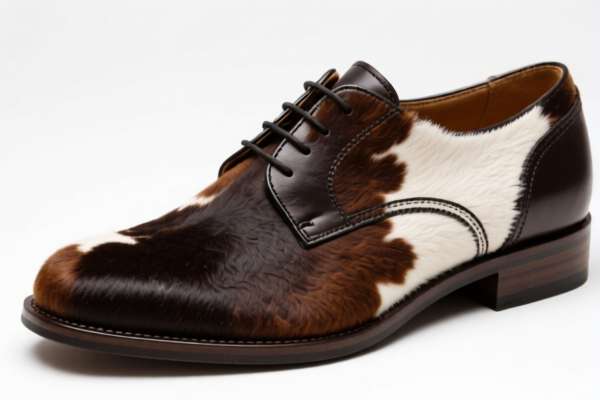
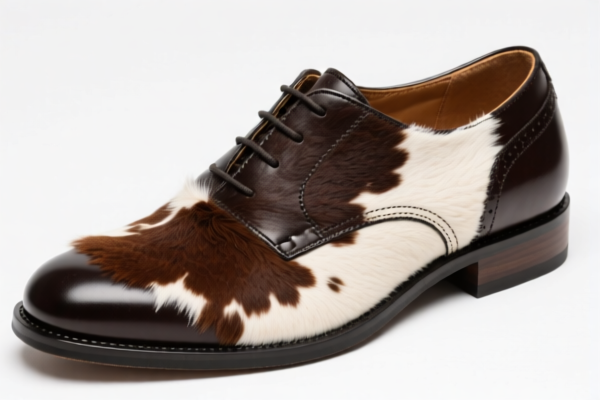
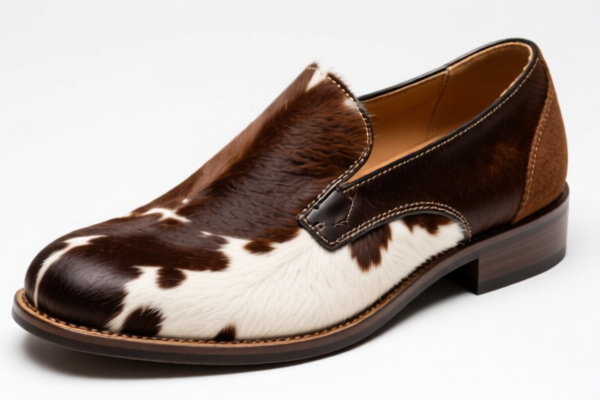

AI Analysis
🥿 Cowhide for Shoe Upper (Leather Goods)
🌐 HS Code Reference & Customs Clearance Guide | 2026 Latest Tariff Analysis | Professional Compliance Strategy
📌 I. Product Definition & Classification: What Exactly is "Cowhide for Shoe Upper"?
Cowhide intended for shoe uppers is a critical raw material in the footwear industry. In international trade, it is primarily classified as Leather. However, the specific HS Code depends heavily on the degree of processing (full grain, corrected grain, split leather) and the specific format (sheet, strip, or composite).
Key Distinctions: * Vegetable/Chrome Tanned Leather (Chapters 4104/4107): These are the most common "solid" leathers used for high-quality shoe uppers. They are classified based on whether they are further dressed or merely tanned. * Composite/Board Leather (Chapter 4115): If the leather is bonded to a backing material (like fabric or plastic) to form a "board" or "sheet" suitable for cutting, it may fall under Chapter 4115.
⚠️ Critical Classification Point:
- If it is solid leather (tanned, dressed, but not yet cut into shoes) → Check 4104 or 4107.
- If it is composite leather (leather fibers/scraps bonded with resin) → Check 4115.
📦 II. HS Code Classification Details (2026 Latest Tariff Authority Match)
Based on the provided data, here are the specific HS Codes and their corresponding rationales. Note that all listed codes currently face significant trade restrictions (Section 301 & Section 122 tariffs) due to origin (likely China).
| HS Code | Product Description & Rationale | Application Scenario | Processing State |
|---|---|---|---|
4107.12.10.20 |
Cowhide Leather for Shoe Uppers: Material is cowhide, purpose is shoe upper material, falls under the category of Upper Leather (Face Leather). | High-quality full-grain or top-grain cowhide specifically designated for shoe uppers. | Tanned & Dressed (Upper Leather) |
4107.11.10.20 |
Cowhide Leather for Shoe Uppers: Material is cowhide, form is leather, purpose is for shoes, falls under Face Leather/Processed Leather. | General processed cowhide leather intended for footwear. | Tanned & Dressed |
4104.11.10.20 |
Cowhide Leather: Material is cowhide, form is leather stock, purpose is shoe use, meets basic material requirements for Upper/Inner Leather. | Broad category for cowhide leather (vegetable or chrome tanned) used in footwear. | Tanned (Base Leather) |
4104.11.40.10 |
Cowhide for Shoe Upper: Material is Cattle (including Water Buffalo), purpose is Shoe Upper Leather, fully consistent with classification interpretations. | Specifically identified as upper leather for cattle/water buffalo hides. | Tanned (Upper Leather Specific) |
4115.10.00.00 |
Yellow Cowhide Shoe Upper Material: Material is yellow cowhide, form is shoe upper material, belongs to the category of Boards, Sheets, or Strips, meets Composite Leather requirements. | Leather bonded with backing (e.g., fabric, PVC) to create a composite sheet for cutting. | Composite/Bonded Leather |
🔍 Key Insight:
- Codes4107and4104refer to real, solid leather. The distinction often lies in the specific dressing or finishing process. - Code4115refers to Composite Leather. If your product is a "fake leather" made from leather scraps glued together, it must go here. Misclassifying composite leather as solid leather (4104/4107) can lead to severe penalties.
💰 III. 2026 Latest Tariff Rate Breakdown (Including Surcharges & Policy Add-ons)
✅ Applicable Country: United States (US)
✅ Origin: China (CN) (Implied by the specific 122 & 301 tariff structure)
✅ Effective Time: 2025/2026 Period (Current Trade Policy)
🎯 1. Codes 4107.12.10.20, 4107.11.10.20, 4104.11.10.20, 4115.10.00.00
| Item | Detail |
|---|---|
| Base Tariff | 0.0% (Ad Valorem) |
| Section 301 Surcharge | +25.0% (USITC Section 301: Certain Goods from China) |
| Section 122 Surcharge | +10.0% (IAA Section 122: Emergency Import Relief) |
| Total Tariff Rate | 35.0% |
| Tax Calculation | CIF Value × 35% |
| De Minimis Eligibility | ❌ No (Deny De Minimis) |
| Legal Basis Path | USITC:4107/4104/4115 → Section 301 Footnote → Section 122 |
📌 Explanation:
- 0% Base: The standard Most Favored Nation (MFN) duty for leather is often low or zero. - 25% Section 301: This is the major "trade war" tariff on Chinese goods, including leather products. - 10% Section 122: This is an emergency import safeguard tariff, adding an additional layer of cost. - Total 35%: This is a high-cost entry point for US importers. You cannot afford to misclassify this to avoid the 25% or 10% components.
🎯 2. Code 4104.11.40.10 (The Exception)
| Item | Detail |
|---|---|
| Base Tariff | 5.0% (Ad Valorem) |
| Section 301 Surcharge | 0.0% (Exempt or Different Classification Scope) |
| Section 122 Surcharge | +10.0% (IAA Section 122) |
| Total Tariff Rate | 15.0% |
| Tax Calculation | CIF Value × 15% |
| De Minimis Eligibility | ❌ No |
| Legal Basis Path | USITC:4104.11.40.10 → Section 122 |
📌 Explanation:
- This specific subheading (4104.11.40.10) is unique. It carries a 5% base tariff (higher than the 0% base of other codes) but is exempt from the 25% Section 301 tariff. - Result: It is significantly cheaper (15% vs 35%) if you can legitimately classify your product here. - Why? This code often targets specific types of vegetable-tanned or specifically defined cattle hides that may have different trade policy treatments or are less sensitive in certain trade negotiations. Verify with a customs broker if your specific cowhide fits this precise definition.
🛠️ IV. Customs Clearance Practical Advice (Real-World Pitfall Guide)
✅ 1. Required Documentation Checklist (Non-negotiable)
| Document | Required | Explanation |
|---|---|---|
| ✅ Product Specification Sheet | ✔️ | Must detail: Tanning method (Chrome/Veg), finish (Full grain/Corrected), thickness, color, and exact composition. |
| ✅ Photos of Product | ✔️ | Show the surface grain (to prove it's not synthetic), the cross-section (to prove it's not composite if claiming 4104/4107), and any labels. |
| ✅ Commercial Invoice | ✔️ | Must clearly state: "Cowhide Leather for Shoe Upper, Tanned, Not Yet Cut to Shape." Avoid vague terms like "Material." |
| ✅ Packing List | ✔️ | Detail weight and dimensions. Leather is heavy; accurate weight is crucial for duty calculation. |
| ✅ Bill of Lading/Air Waybill | ✔️ | Standard shipping docs. |
| ✅ Certificate of Origin | ✔️ | Crucial to prove origin (China) to apply the correct tariff schedule. |
✅ 2. Declaration Strategy (Key Mnemonics)
🔥 "Grain Shows, Section Shows, 15 vs 35, Choose Wisely!"
| Situation | Correct Declaration Approach | Incorrect Approach |
|---|---|---|
| Solid Leather (Full/Top Grain) | Declare as 4107 or 4104 with detailed tanning info. |
Calling it "Leather Material" → Ambiguity leads to audit. |
| Composite Leather (Bonded) | Declare as 4115.10.00.00. |
Calling it "Cowhide" →海关 (Customs) will inspect and reclassify → Penalty. |
| Targeting Lower Rate (15%) | If eligible, insist on 4104.11.40.10 with strong technical proof. |
Auto-selecting 4104.11.10.20 (35%) → Overpaying 20% unnecessarily. |
| Misclassification Risk | If unsure, apply for Pre-Ruling. | Guessing between 15% and 35% → Risk of back-taxes + interest. |
✅ 3. Special Circumstances
| Scenario | Handling Advice |
|---|---|
| Mixed Hides (Cow + Buffalo) | Clearly state "Cattle (including Buffalo)" to align with 4104.11.40.10. |
| Leather Scraps/Offcuts | If sold for recycling or reprocessing, ensure it's not classified as "Shoe Upper Material" if it doesn't fit the use case. |
| Sample Shipments | Even samples are subject to duty. Do not mark as "No Commercial Value" if they are high-quality leather samples. |
| Section 122 Expiration | Check if Section 122 tariffs are still in effect at the time of entry. They may expire or be renewed. |
🌍 V. Global Market Comparison (2026 Latest)
| Country/Region | Recommended HS Code | Tariff Rate | Certification | Notes |
|---|---|---|---|---|
| 🇺🇸 USA | 4107.12.10.20 / 4104.11.40.10 |
15% - 35% | None specific to leather | High Tariff due to Section 301 & 122. Cost is the biggest hurdle. |
| 🇨🇳 China | 4107 / 4104 |
0% - 5% | None | Import duty is low, but VAT (13%) applies. |
| 🇪🇺 EU | 4107 / 4104 |
4% - 6% | REACH Compliance | No Section 301 equivalent, but REACH testing for chemicals is required. |
| 🇬🇧 UK | 4107 / 4104 |
4% - 6% | UK REACH | Post-Brexit rules apply. Similar to EU. |
| 🇯🇵 Japan | 4107 / 4104 |
6% - 8% | None | FTAA/JP-EPA may reduce rates if origin is eligible. |
📌 Conclusion:
- The US market is the most expensive for Chinese-origin leather due to the 35% effective rate (or 15% if optimally classified). - Europe and Asia are much more accessible tariff-wise, but chemical compliance (REACH) is a significant barrier.
📌 VI. Common Errors & Pitfall Guide (Lessons Learned)
❌ Mistake 1: Classifying Composite Leather as Solid Leather (4104/4107)
👉 Consequence: Customs lab test will show glue/resin layers. Reclassification to 4115 or penalty. Delay in release.
❌ Mistake 2: Assuming all Cowhide falls under the 15% Rate (4104.11.40.10)
👉 Consequence: If your leather is chrome-tanned and dressed for uppers, it likely belongs to 4107 (35%). Under-declaring duties leads to severe fines and potential criminal charges.
❌ Mistake 3: Ignoring Section 122
👉 Consequence: Even if Section 301 is avoided, the 10% Section 122 tariff may still apply. Budget accordingly.
❌ Mistake 4: Vague Description on Invoice ("Leather Sheet")
👉 Consequence: CBP (Customs and Border Protection) will issue a Request for Information (RFI) or hold the cargo for inspection.
✅ Correct Practice:
"Tanned Cowhide Leather, Full Grain, Chrome Tanned, Surface Coated, for Shoe Upper Manufacturing, Bulk Roll, China Origin, HS 4107.12.10.20"
🎯 VII. Conclusion: Precision Saves Profits!
🎯 Remember the Key Takeaways:
🔹 "Check the Grain: Solid vs. Composite" – This dictates Chapter 4104/4107 vs. 4115. 🔹 "Target the 15%: But Prove It" –
4104.11.40.10is cheaper, but requires strict adherence to its definition. 🔹 "Budget for 35%: The US Reality" – Most Chinese leather imports face high tariffs. Factor this into your FOB/CIF pricing. 🔹 "No De Minimis: Small Shipments Count" – Don't try to split shipments to avoid duties; CBP tracks this.
📌 Pro Tip:
If you are importing large volumes, consider applying for a Customs Ruling (Pre-Ruling) from CBP. Paying a few hundred dollars for a legal opinion on your HS Code can save you tens of thousands in potential back-taxes and disputes.
📣 Immediate Action:
📞 Contact a Licensed Customs Broker
📷 Send Product Photos & Spec Sheets
📄 Confirm Origin & Tanning Method
🚀 Get a Binding Ruling Before Shipment
✨ Professional Clearance Starts with Accurate Classification!
💼 Every Percentage Point Matters in Global Trade!
Customer Reviews
About HS Code Classification
The Harmonized System (HS) is an internationally standardized nomenclature developed by the World Customs Organization (WCO) to classify traded products. Over 200 countries use the HS system as the basis for customs tariffs, trade statistics, and import/export regulations.
Each HS code follows a hierarchical structure:
- Chapter (2 digits) — Broad category of goods (e.g., Chapter 84: Machinery and Mechanical Appliances)
- Heading (4 digits) — More specific grouping within the chapter
- Subheading (6 digits) — Internationally standardized breakdown, used by all WCO member countries
- National subdivisions (8-10 digits) — Country-specific extensions for further classification, such as US HTSUS 10-digit codes
Correct HS code classification is essential for smooth customs clearance, accurate duty payment, and compliance with trade regulations. Misclassification can lead to customs delays, overpayment of duties, or penalties.
When importing from CN to US, the applicable tariff rates may include:
- Most-Favored-Nation (MFN) rate — The standard duty rate applied to WTO members
- General rate — Applied to countries without trade agreements
- Trade remedy duties — Additional tariffs such as Section 301 (anti-dumping), Section 232 (national security), or countervailing duties
The information provided on this page is for reference purposes only. For official classification, please consult with your local customs authority or a licensed customs broker.