Cowhide for Training
CN → US| HS Code | Tariff Rate | Origin | Destination | Doc |
|---|---|---|---|---|
| 4107197040 | 15.0% | CN | US | Official Doc |
| 4107917040 | 15.0% | CN | US | Official Doc |
| 4205000500 | 37.9% | CN | US | Official Doc |
| 4205001000 | 35.0% | CN | US | Official Doc |
Product Images
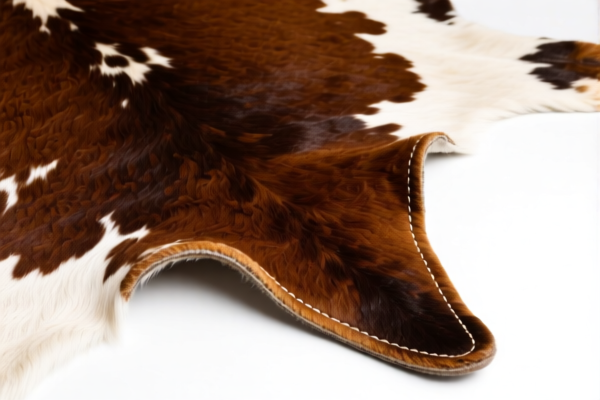
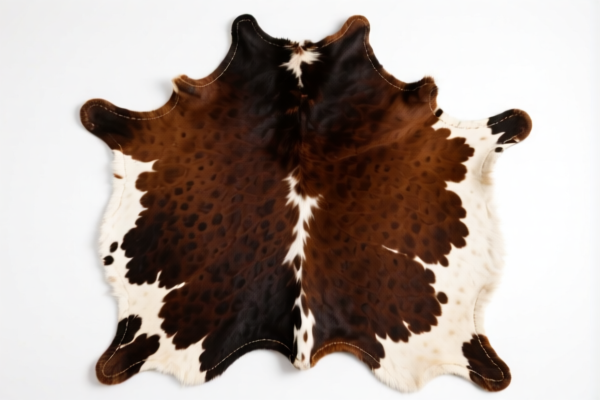
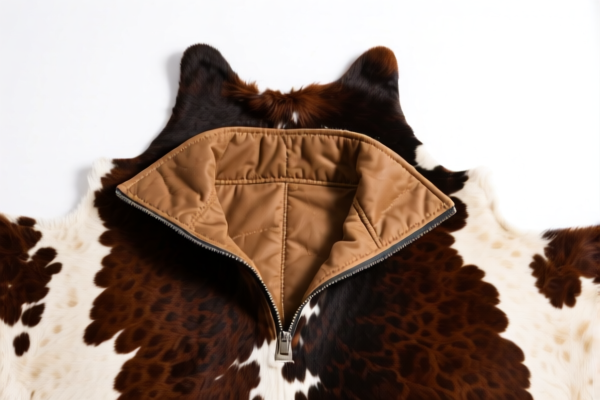
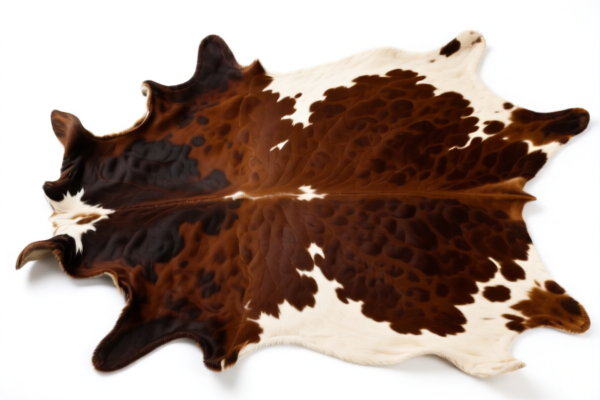
AI Analysis
🐂 Cowhide for Training: Leather Classification & Customs Clearance Guide (2026)
🌐 HS Code Reference & Clearance Guide | 2026 Latest Tariff Analysis | Professional Level Strategies
📌 1. Product Definition: What is "Cowhide for Training"?
"Cowhide for Training" typically refers to bovine leather (raw, tanned, or crust) used in industrial applications such as machinery belting, technical seals, or other mechanical appliances. It is not finished glove or garment leather. In international trade, the key distinction lies in whether the leather is: * Further Prepared: Tanned, crust, or parchment-dressed (Heading 41). * Made Up: Cut or manufactured into forms suitable for belting/technical use (Heading 42).
⚠️ Critical Distinction:
- If the leather is uncut, raw, tanned, or crusted sheets/hides → It falls under Chapter 41 (Leather).
- If the leather is cut or partially manufactured into shapes specifically for conversion into belting or technical parts → It falls under Chapter 42 (Articles of Leather).
📦 2. HS Code Classification Details (2026 Latest Tariff Authority Comparison)
| HS Code | Product Description | Application Scenario | Tax Rate (US Import from CN) |
|---|---|---|---|
4107.19.70.40 |
Leather further prepared after tanning/crusting, of bovine/equine, no hair on, whole hides/skins. Other. Not fancy glove/garment. | Uncut or semi-finished cowhides for industrial processing (e.g., for belting substrates). | 5.0% |
4107.91.70.40 |
Leather further prepared, of bovine/equine, other than sides. Full grains, unsplit. Other. Not fancy glove/garment. | Specific full-grain unsplit hides/crusts for technical use. | 0.0% |
4205.00.05.00 |
Other articles of leather: Belting leather cut or wholly/partly manufactured into forms/shapes suitable for conversion into belting. | Cut pieces, pre-shaped hides, or partially manufactured belts ready for assembly. | 27.9% |
4205.00.10.00 |
Other articles of leather: Of a kind used in machinery/mechanical appliances or for other technical uses. Other. | Other technical leather goods (not belting) that are already "made up" to some extent. | 25.0% |
🔍 Key Reminder:
- "Raw/Tanned Sheets" go to 4107 (Lower Tariff).
- "Cut/Prepared Pieces" go to 4205 (Higher Tariff due to Section 301 duties).
- Do not misdeclare "Cut Belting Leather" as "Raw Hides" to evade taxes; customs will inspect physical state and reject.
💰 3. 2026 Latest Tariff Rate Breakdown (Including Additional Duties & Policy Surcharges)
✅ Applicable Country: United States (US)
✅ Origin: China (CN)
✅ Effective Date: 2025/2026 (Subject to current Section 301 & IEEPA rulings)
🎯 1. 4107.19.70.40 — Tanned Cowhides (Whole, No Hair, Not Glove/Garment)
| Item | Content |
|---|---|
| Base Duty | 5.0% (Basic Tariff) |
| Section 301 Additional Duty | 0.0% (No additional tariff for this specific subheading under current lists) |
| Total Tariff | 5.0% |
| Tax Calculation | CIF Value × 5.0% |
| De Minimis Exemption | ❌ Not Eligible (Leather goods > $800 generally require full entry; however, specific thresholds apply. Note: Many leather articles are subject to full documentation.) |
| Legal Basis | HTSUS 4107.19.70.40 |
📌 Explanation:
- This code applies to whole hides/skins that are tanned or crust-processed.
- Crucially, no 25% Section 301 tariff applies to this specific subheading (4107.19.70.40) at the time of this update, making it the most cost-effective for bulk raw/semi-finished hides.
- Ensure the leather is not classified as "fancy glove/garment" leather.
🎯 2. 4107.91.70.40 — Full Grain, Unsplit, Other Tanned Leather
| Item | Content |
|---|---|
| Base Duty | 0.0% |
| Section 301 Additional Duty | 0.0% |
| Total Tariff | 0.0% |
| Tax Calculation | CIF Value × 0.0% |
| De Minimis Exemption | ❌ Not Eligible |
| Legal Basis | HTSUS 4107.91.70.40 |
📌 Explanation:
- This is the best-case scenario for duty-free entry.
- Applies to full-grain, unsplit hides used for technical purposes (not glove/garment).
- Ideal for large, uniform hides used in industrial manufacturing.
🎯 3. 4205.00.05.00 — Belting Leather (Cut/Manufactured)
| Item | Content |
|---|---|
| Base Duty | 2.9% |
| Section 301 Additional Duty | +25.0% |
| Total Tariff | 27.9% |
| Tax Calculation | CIF Value × 27.9% |
| De Minimis Exemption | ❌ Not Eligible |
| Legal Basis | HTSUS 4205.00.05.00 |
📌 Explanation:
- High tariff due to Section 301 punitive duties on Chinese-manufactured leather articles.
- Applies when leather is already cut or shaped for belting.
- Cost Impact: Significantly higher than raw hides.
🎯 4. 4205.00.10.00 — Other Technical Leather Articles
| Item | Content |
|---|---|
| Base Duty | 0.0% |
| Section 301 Additional Duty | +25.0% |
| Total Tariff | 25.0% |
| Tax Calculation | CIF Value × 25.0% |
| De Minimis Exemption | ❌ Not Eligible |
| Legal Basis | HTSUS 4205.00.10.00 |
📌 Explanation:
- Applies to other technical uses (e.g., seals, gaskets) made from leather.
- Also subject to 25% Section 301 duty.
- Base duty is 0%, but the additional tariff makes it expensive.
🛠️ 4. Customs Clearance Practical Advice (Avoid Pitfalls)
✅ 1. Required Documentation Checklist
| Document | Mandatory | Description |
|---|---|---|
| ✅ Product Specification Sheet | ✔️ | Must specify: Tanning method (veg/chrome), thickness, grain type (full/split), and intended use (e.g., "industrial belting substrate"). |
| ✅ Bill of Lading / Invoice | ✔️ | Clearly state "Tanned Cowhide, for Technical Use" or "Belting Leather (Cut/Un-cut)". |
| ✅ Proof of Non-Use for Garments | ✔️ | Declaration that it is not "fancy glove or garment leather" to justify Heading 4107 vs. other headings. |
| ✅ Country of Origin Certificate | ✔️ | Critical for determining Section 301 applicability. |
| ✅ Photos of Goods | ✔️ | Show condition: Are they whole hides (4107) or cut pieces (4205)? |
✅ 2. Declaration Tips (Key Mantra)
🔥 "State Shape Clearly: Whole Hides vs. Cut Pieces. Wrong Shape = Wrong Code = Penalty!"
| Scenario | Correct HS Code | Incorrect Code | Risk |
|---|---|---|---|
| Whole, tanned hides | 4107.19.70.40 or 4107.91.70.40 |
4205.00.05.00 |
Under-declared duty → Audit, fines, seizure. |
| Cut pieces for belts | 4205.00.05.00 |
4107.19.70.40 |
Over-declared duty? No, usually under-declared if base is 5% vs 27.9%. Underpayment → Penalties. |
| Raw Skins (Not Tanned) | Not covered in this data (Check Ch. 4101) | 4107 |
Misclassification → Delay. |
✅ 3. Special Case Handling
| Situation | Handling Advice |
|---|---|
| Mixed Shipment (Hides + Cut Pieces) | Separate Line Items! Declare whole hides under 4107 and cut pieces under 4205. Do not mix. |
| "Training" as Marketing Term | Customs does not recognize "training" as a technical use. Use technical terms like "industrial belting substrate," "machinery gasket material," or "technical leather." |
| Split Leather | If split, it may not qualify for "full grain" codes (4107.91). Use general "other" codes under 4107.19 if applicable. |
| Origin: Vietnam/Mexico | If sourced from non-China countries, Section 301 duties (25%) do not apply. Verify COO strictly. |
🌍 5. Global Market Comparison (2026 Latest)
| Country/Region | Recommended HS Code | Tariff (China Origin) | Certification | Note |
|---|---|---|---|---|
| 🇺🇸 US | 4107.19.70.40 / 4205.00.05.00 |
5.0% / 27.9% | None specific | High Section 301 impact on Ch. 42. |
| 🇨🇳 China | 4107 / 4205 |
5.0% / 2.9% | None | Import duty only, no 301. |
| 🇪🇺 EU | 4107 / 4205 |
5.0% / N/A | REACH (Chemicals) | EU has different leather classifications. |
| 🇬🇧 UK | 4107 / 4205 |
5.0% / N/A | UKCA | Post-Brexit rules apply. |
📌 Conclusion:
- US Tariffs are Highly Sensitive to Processing Level.
- Raw/Tanned Hides (4107) are low tax.
- Processed/Cut Leather (4205) incurs heavy Section 301 tariffs.
- Strategy: If possible, import whole hides and perform cutting in a third country or domestic facility to avoid 25% additional duty.
📌 6. Common Mistakes & Pitfalls (Blood-Teaching Lessons)
❌ Mistake 1: Declaring "Cut Belting Leather" as "Tanned Hides" (4107)
👉 Consequence: Customs inspection reveals cut pieces → Back taxes + 25% penalty + Seizure risk.
❌ Mistake 2: Using "Training" as the product description
👉 Consequence: Customs cannot classify → Hold for further inquiry, delay release, storage fees.
❌ Mistake 3: Ignoring the "Not Fancy Glove/Garment" clause
👉 Consequence: Misclassification under glove codes → Different duty rates, potential fraud accusations.
❌ Mistake 4: Assuming all leather from China pays 25%
👉 Consequence: False. Only Chapter 42 (Articles) and some specific Chapter 41 items pay 25%. 4107.19.70.40 pays 0% additional.
✅ Correct Practice:
"Tanned Cowhide, Whole Skins, Vegetable Tanned, for Industrial Belting Substrate, Not for Gloves/Garments"
🎯 7. Conclusion: Precision in Classification Saves Money!
🎯 Remember the Mantra:
🔹 "Whole Hides = 4107 (Low Tax). Cut Pieces = 4205 (High Tax). Don't Mix!"
🔹 "Shape Determines Tax: Tanned Sheets Save 25% vs. Cut Belting!"
🔹 "HS Code is Life: One Small Change, Thousands Saved!"
📌 Pro Tip:
If your "Cowhide for Training" is partially processed (e.g., crust leather but not yet cut into belts), verify if it fits 4107 (unformed) rather than 4205 (formed). This 5% vs 27.9% difference is critical.
Apply for a Binding Tariff Information (BTI) or Advance Ruling before shipment to ensure compliance.
📣 Immediate Action:
📞 Contact your freight forwarder + Provide photos of the physical state (Whole vs. Cut) + Confirm Country of Origin.
🚀 Avoid Customs Delays, Optimize Costs, and Ship with Confidence!
✨ Professional Customs Clearance Starts with Accurate Classification!
💼 Every Dollar Saved is Pure Profit!
Customer Reviews
About HS Code Classification
The Harmonized System (HS) is an internationally standardized nomenclature developed by the World Customs Organization (WCO) to classify traded products. Over 200 countries use the HS system as the basis for customs tariffs, trade statistics, and import/export regulations.
Each HS code follows a hierarchical structure:
- Chapter (2 digits) — Broad category of goods (e.g., Chapter 84: Machinery and Mechanical Appliances)
- Heading (4 digits) — More specific grouping within the chapter
- Subheading (6 digits) — Internationally standardized breakdown, used by all WCO member countries
- National subdivisions (8-10 digits) — Country-specific extensions for further classification, such as US HTSUS 10-digit codes
Correct HS code classification is essential for smooth customs clearance, accurate duty payment, and compliance with trade regulations. Misclassification can lead to customs delays, overpayment of duties, or penalties.
When importing from CN to US, the applicable tariff rates may include:
- Most-Favored-Nation (MFN) rate — The standard duty rate applied to WTO members
- General rate — Applied to countries without trade agreements
- Trade remedy duties — Additional tariffs such as Section 301 (anti-dumping), Section 232 (national security), or countervailing duties
The information provided on this page is for reference purposes only. For official classification, please consult with your local customs authority or a licensed customs broker.