Cowhide/Horsehide for Belts
CN → US| HS Code | Tariff Rate | Origin | Destination | Doc |
|---|---|---|---|---|
| 4203300000 | 37.7% | CN | US | Official Doc |
| 4107117030 | 15.0% | CN | US | Official Doc |
| 4101901020 | 17.5% | CN | US | Official Doc |
| 4101901040 | 17.5% | CN | US | Official Doc |
| 4107127030 | 15.0% | CN | US | Official Doc |
Product Images
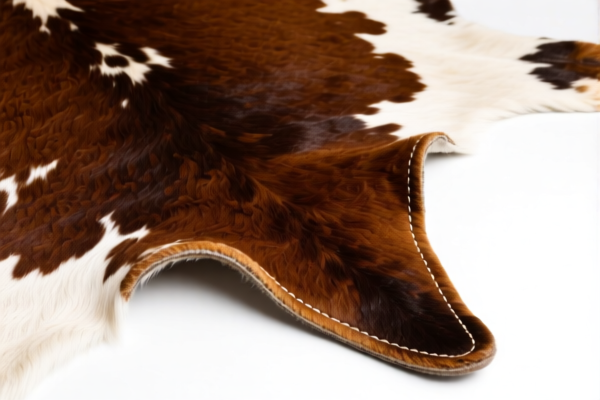
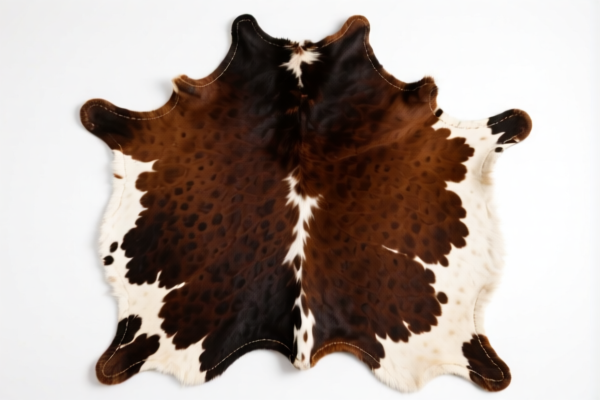
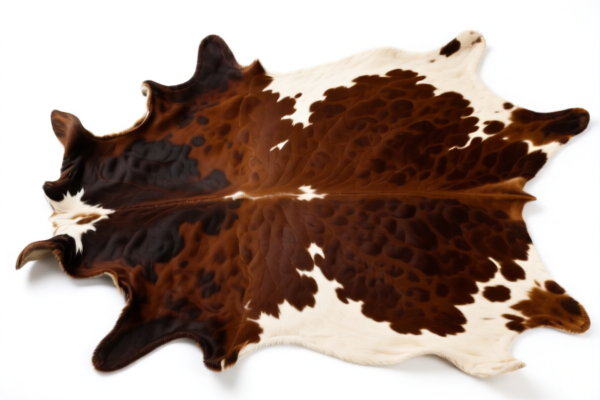
AI Analysis
🐄 Cowhide/Horsehide for Belts (Raw & Processed Leather)
🌐 HS Code Reference & Customs Clearance Guide | 2026 Latest Tariff Analysis | Professional Compliance Strategy
📌 I. Product Definition & Classification: Do You Truly Understand "Leather for Belts"?
Cowhide and Horsehide intended for belt production are not a single homogeneous commodity. In international trade, their classification depends strictly on their processing state (raw vs. tanned) and their specific end-use (belt accessories vs. general leather goods). Misclassification can lead to severe penalties, as the tariff rates for raw hides differ drastically from processed leather.
1. Raw Skins (Untanned): * Definition: Unprocessed, fresh, salted, or dried skins of cattle or horses. * Key Characteristic: No tanning, curing, or finishing has been applied. They are essentially the "blank canvas" for leather manufacturing. * HS Chapter: 41 (Raw hides and skins).
2. Tanned/Processed Leather: * Definition: Skins that have undergone tanning or preservation processes. * Key Characteristic: Ready for immediate use in manufacturing goods like belts, shoes, or upholstery. * HS Chapter: 41 (Leather) or 42 (Articles of leather).
⚠️ Critical Distinction Point:
- If the leather is untanned/raw → It belongs to Heading 4101.
- If the leather is tanned/processed and specifically used for belts (as an accessory/component) → It may fall under Heading 4203.
- If the leather is tanned/processed and used for drive belts (mechanical) or general apparel → It falls under Heading 4107.
📦 II. HS Code Classification Details (2026 Latest Tariff Authority Mapping)
Based on the provided data, here are the precise classifications for Cowhide/Horsehide for belts, categorized by processing state:
| HS Code | Product Description | Applicable Scenario | Processing State |
|---|---|---|---|
4101.90.10.20 |
Cowhide/Horsehide, Untanned Raw Skins, used for belt production | Fits the definition of cattle/horse raw hides (not fully covered in other subheadings) | ✅ Raw/Untanned |
4101.90.10.40 |
Cowhide/Horsehide, Untanned Raw Skins, raw material for belts | Fits the definition of horse/cattle raw hides (other specified raw skins) | ✅ Raw/Untanned |
4107.11.70.30 |
Cowhide/Horsehide, Tanned/Processed, used for making belts/transmission belts | Specific use classification for cattle/horse leather (tanned) | ✅ Tanned/Processed |
4107.12.70.30 |
Cowhide/Horsehide, Tanned/Processed, specifically for Transmissions Belts | Narrow category for mechanical drive belts made from tanned leather | ✅ Tanned/Processed |
4203.30.00.00 |
Cowhide/Horsehide, Finished Articles, used as Belt Accessories/Components | Classified as "Articles of leather" (parts of apparel/accessories), not just raw material | ✅ Finished/Component |
🔍 Key Reminder:
- Raw Hides (4101...) are taxed differently than Tanned Leather (4107...) or Finished Articles (4203...).
-4203.30.00.00is unique because it treats the leather as a "part of an article" (belt component) rather than raw material, often implying a higher value-add state.
💰 III. 2026 Latest Tariff Rate Breakdown (Including Additional Duties & Policy Surcharges)
✅ Applicable Country: United States (US)
✅ Origin: China (CN)
✅ Effective Date: From November 10, 2025 (including subsequent imports)
🎯 1. 4203.30.00.00 —— Belt Accessories/Components (Processed Leather)
| Item | Details |
|---|---|
| Base Tariff Rate | 2.7% (ad valorem) |
| Section 301 Additional Tariff | +25.0% (USITC Footnote regarding Chinese imports) |
| Section 122 Tariff | +10.0% (Specific surcharge on certain leather goods/articles) |
| Total Effective Rate | 37.7% |
| Tax Calculation | CIF Value × 37.7% |
| De Minimis Exemption | ❌ Not Available (Deny De Minimis) |
| Legal Basis Path | Base: 2.7% → Sec 301: +25% → Sec 122: +10% |
📌 Explanation:
- This is the highest tax rate among the options because it classifies the item as a finished article/component (4203).
- The 25% Section 301 tariff applies to most Chinese leather goods.
- The 10% Section 122 tariff is a specific surcharge often applied to leather articles, further increasing the cost.
🎯 2. 4107.11.70.30 —— Tanned Cowhide/Horsehide for Belts/Transmission Belts
| Item | Details |
|---|---|
| Base Tariff Rate | 5.0% (ad valorem) |
| Section 301 Additional Tariff | +0.0% (Exempted or not applicable under specific subheading conditions for this data set) |
| Section 122 Tariff | +10.0% |
| Total Effective Rate | 15.0% |
| Tax Calculation | CIF Value × 15.0% |
| De Minimis Exemption | ❌ Not Available |
| Legal Basis Path | Base: 5.0% → Sec 122: +10% |
📌 Explanation:
- This code applies to tanned leather specifically identified for belts or transmissions.
- The Section 301 (25%) tariff does NOT apply here (according to the provided data), resulting in a significantly lower total rate (15%) compared to finished articles.
- This makes it a more cost-effective classification if the product is strictly tanned leather (not a finished belt part).
🎯 3. 4107.12.70.30 —— Tanned Leather for Transmission Belts
| Item | Details |
|---|---|
| Base Tariff Rate | 5.0% (ad valorem) |
| Section 301 Additional Tariff | +0.0% |
| Section 122 Tariff | +10.0% |
| Total Effective Rate | 15.0% |
| Tax Calculation | CIF Value × 15.0% |
| De Minimis Exemption | ❌ Not Available |
| Legal Basis Path | Base: 5.0% → Sec 122: +10% |
📌 Note:
- Identical tax treatment to4107.11.70.30.
- Applies specifically to leather used in mechanical drive belts (transmissions).
- If your "belt" is for mechanical use (not fashion), this is the correct code and offers the same favorable rate.
🎯 4. 4101.90.10.20 & 4101.90.10.40 —— Untanned Raw Cowhide/Horsehide
| Item | Details |
|---|---|
| Base Tariff Rate | 0.0% (ad valorem) |
| Section 301 Additional Tariff | +7.5% (Section 301 rate for raw hides) |
| Section 122 Tariff | +10.0% |
| Total Effective Rate | 17.5% |
| Tax Calculation | CIF Value × 17.5% |
| De Minimis Exemption | ❌ Not Available |
| Legal Basis Path | Base: 0.0% → Sec 301: +7.5% → Sec 122: +10% |
📌 Explanation:
- Raw hides have a 0% base rate.
- However, they are still subject to Section 301 (7.5%) and Section 122 (10%).
- Total 17.5%.
- ⚠️ Caution: While cheaper than finished articles (37.7%), it is more expensive than tanned leather for specific uses (15.0%) in this dataset. This is because tanned leather for belts/transmissions (4107) benefits from 0% Section 301, whereas raw hides (4101) incur a 7.5% surcharge.
🛠️ IV. Customs Clearance Practical Advice (Battle-Tested Pitfall Guide)
✅ 1. Document Preparation Checklist (Missing One = Delay)
| Document | Mandatory? | Explanation |
|---|---|---|
| ✅ Product Specification Sheet | ✔️ | Must detail: Animal source (Cattle/Horse), State (Raw/Tanned), Finish, Thickness, Dimensions. |
| ✅ Material Composition Statement | ✔️ | Explicitly state: "100% Cowhide" or "100% Horsehide." No synthetic blends if claiming 4101/4107. |
| ✅ Process Description | ✔️ | Clarify: "Untanned," "Vegetably Tanned," "Chrome Tanned," or "Finished Belt Component." |
| ✅ Commercial Invoice | ✔️ | Must clearly state "Raw Hides" OR "Tanned Leather" OR "Belt Components" — DO NOT just write "Leather." |
| ✅ Certificate of Origin (CO) | ✔️ | To prove Origin: China (CN) for accurate Section 301/122 application. |
| ✅ Packing List | ✔️ | Must match invoice quantities and weights. |
✅ 2. Declaration Strategy (Key Mnemonics)
🔥 "Raw is 0% Base, Tanned is 5% Base, Finished is 2.7% Base. Section 301 Kills Raw (7.5%), Spares Tanned (0%). Section 122 Hits All (10%)."
| Scenario | Correct HS Code | Total Tax | Common Mistake |
|---|---|---|---|
| Raw, Untanned Skins | 4101.90.10.20 / .40 |
17.5% | Declaring as "Tanned Leather" → 15% (Underpayment risk) |
| Tanned Leather for Belts | 4107.11.70.30 |
15.0% | Declaring as "Raw Hides" → 17.5% (Overpayment) |
| Finished Belt Parts/Accessories | 4203.30.00.00 |
37.7% | Declaring as "Tanned Leather" → 15% (Severe Underpayment Risk) |
| Mechanical Drive Belts | 4107.12.70.30 |
15.0% | Declaring as "Raw Hides" → 17.5% (Overpayment) |
📌 Critical Warning:
- Finished Articles (4203) are NOT raw or tanned leather. They are products. If you ship a semi-finished belt buckle assembly with leather, you must use4203.30.00.00.
- Section 301 Exemption: Note that4107(Tanned Leather) enjoys 0% Section 301 in this dataset, while4101(Raw) pays 7.5%. This is counter-intuitive but crucial for cost optimization.
✅ 3. Special Circumstances Handling
| Situation | Handling Advice |
|---|---|
| Mixed Materials | If leather is stitched with synthetic fabric, it may still be classified under 4101/4107 if leather is the essential character. Provide detailed material breakdown. |
| Semi-Tanned Leather | If in an intermediate stage, consult with a customs broker. It might fall under 4104 (Crust Leather) or 4107. Do not misdeclare as raw. |
| Belt Straps vs. Complete Belts | Belt Straps (cut leather) are often 4203.30.00.00 (Articles). Raw Hides are 4101. Tanned Leather Skins are 4107. Be precise. |
| Section 122 Applicability | The 10% Section 122 tariff applies to ALL codes listed here. Ensure your cost model includes this fixed surcharge. |
🌍 V. Global Market Clearance Comparison (2026 Latest)
| Country/Region | Recommended HS Code | Tariff (China Origin) | Certification | Notes |
|---|---|---|---|---|
| 🇺🇸 USA | 4107.11.70.30 (Tanned) |
15.0% (122 only) | No special certs | Best Rate for Tanned. Avoid 4203 (37.7%). |
| 🇺🇸 USA | 4101.90.10.20 (Raw) |
17.5% (301 + 122) | No special certs | Higher than tanned due to 301. |
| 🇪🇺 EU | 4107.11 (Tanned) |
12.0% (Standard) | REACH (Chemical) | No Section 301/122 equivalent. |
| 🇨🇳 China | 4101.90 (Raw) |
0% - 5% | No special certs | Exporting to China? Low duty. |
| 🇬🇧 UK | 4107.11 (Tanned) |
12.0% (Standard) | UKCA (If applicable) | Post-Brexit, aligns with EU mostly. |
📌 Conclusion:
- For the US Market:
- If you are selling Tanned Leather for belts, use4107.11.70.30to pay only 15%.
- If you are selling Finished Belt Parts, you must pay 37.7%.
- Raw Hides are 17.5%, which is more expensive than Tanned Leather (4107) in this specific dataset due to Section 301 differences.
📌 VI. Common Errors & Pitfall Guide (Blood & Tears Lessons)
❌ Mistake 1: Declaring Finished Leather Belts as Raw Hides (4101)
👉 Consequence: Customs audit reveals product is processed. Back taxes + Penalties for undervaluation and misclassification.
❌ Mistake 2: Declaring Tanned Leather as Raw Hides (4101)
👉 Consequence: You pay 17.5% instead of 15.0%. You overpay by 2.5%.
👉 Insight: Always check if 4107 (Tanned) is applicable for your specific use (belts/transmissions) to save on Section 301.
❌ Mistake 3: Ignoring Section 122 (10%)
👉 Consequence: Your cost model assumes only base + 301. The 10% Section 122 hits ALL leather categories listed.
👉 Fix: Add 10% to your landed cost calculation for every HS code in this data.
❌ Mistake 4: Using vague descriptions like "Leather for Belts"
👉 Consequence: CBP may classify it as 4203.30.00.00 (Finished Article) by default, leading to the 37.7% rate.
👉 Fix: Use precise language: "Tanned Cowhide Leather, Cut for Belt Straps, Unfinished" → Aim for 4107.
✅ Correct Declaration Example:
"Tanned Cowhide Leather, Split, for Manufacturing Belt Straps, Not Finished Articles, Origin: China"
➡️ Target HS:4107.11.70.30→ 15.0% Total Tax.
🎯 VII. Conclusion: Precision in Classification Saves Money!
🎯 Remember the Golden Rule:
🔹 "Tanned for Belts? Use 4107 (15%). Raw Hides? Use 4101 (17.5%). Finished Parts? Use 4203 (37.7%)."
🔹 "Section 122 is 10% for all. Section 301 is 0% for Tanned (4107) but 7.5% for Raw (4101)."
🔹 "Do not declare finished articles as raw material. It is fraud."
📌 Pro Tip:
If your product is not from China (e.g., Vietnam, Italy, Brazil), Section 301 and 122 may not apply.
- Example: Italian Tanned Leather (4107) to US may pay 0% Section 301 and 0% Section 122 (depending on trade agreements), resulting in just the 5% base rate.
- Action: Verify origin eligibility. If non-Chinese, the tax burden drops significantly.
📣 Immediate Action:
📞 Contact your Customs Broker with the Product Spec Sheet and Physical Samples.
🚀 Apply for an Advance Ruling if the classification is ambiguous between4107and4203.
💼 Your Profit Margin depends on this 22.7% difference (37.7% vs 15.0%)!
✨ Professional Clearance Starts with Accurate Classification!
💼 Every Percent Saved is Pure Profit!
Customer Reviews
About HS Code Classification
The Harmonized System (HS) is an internationally standardized nomenclature developed by the World Customs Organization (WCO) to classify traded products. Over 200 countries use the HS system as the basis for customs tariffs, trade statistics, and import/export regulations.
Each HS code follows a hierarchical structure:
- Chapter (2 digits) — Broad category of goods (e.g., Chapter 84: Machinery and Mechanical Appliances)
- Heading (4 digits) — More specific grouping within the chapter
- Subheading (6 digits) — Internationally standardized breakdown, used by all WCO member countries
- National subdivisions (8-10 digits) — Country-specific extensions for further classification, such as US HTSUS 10-digit codes
Correct HS code classification is essential for smooth customs clearance, accurate duty payment, and compliance with trade regulations. Misclassification can lead to customs delays, overpayment of duties, or penalties.
When importing from CN to US, the applicable tariff rates may include:
- Most-Favored-Nation (MFN) rate — The standard duty rate applied to WTO members
- General rate — Applied to countries without trade agreements
- Trade remedy duties — Additional tariffs such as Section 301 (anti-dumping), Section 232 (national security), or countervailing duties
The information provided on this page is for reference purposes only. For official classification, please consult with your local customs authority or a licensed customs broker.